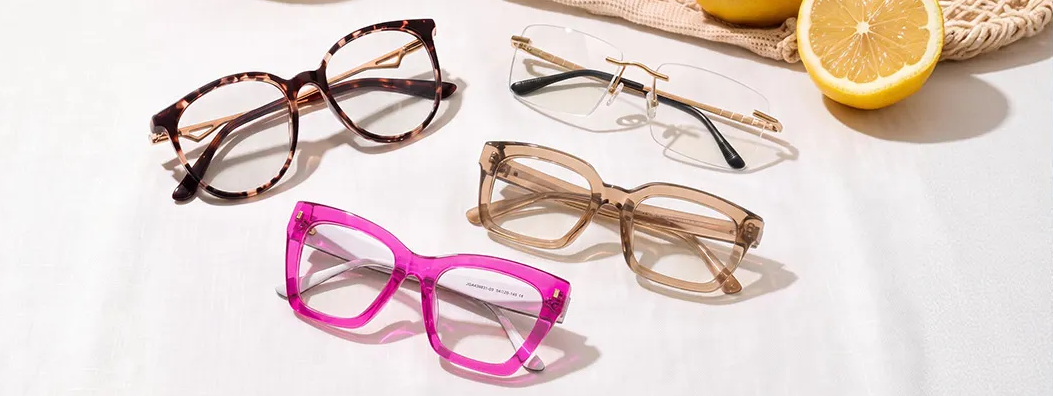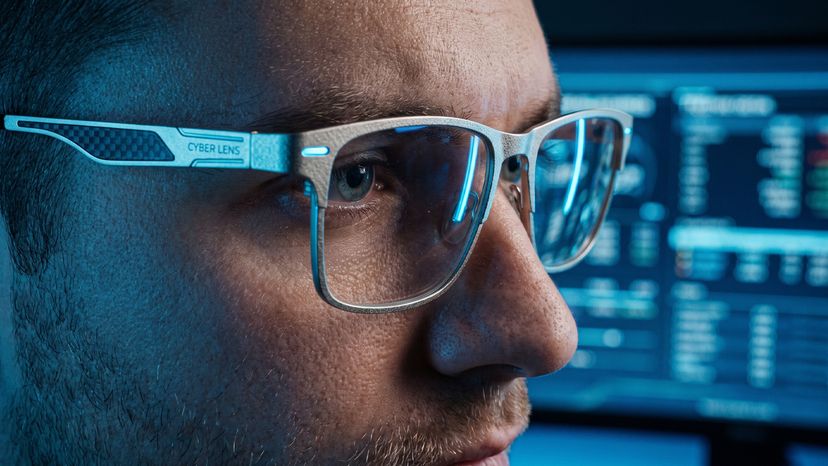










Eyeglasses to wear all day should balance weight evenly on the nose and ears, stay in place without pressure or slipping, balance lenses with the frame and allow room for eyelashes and cheeks. Lightweight materials can help, but the wrong bridge, width or temple shape can make even a light pair uncomfortable.
Key Takeaways
- The comfort comes from the complete frame-and-lens system, not one material.
- The bridge provides a lot of support for the front of the glasses.Stability and side pressure determined by overall width and temples.
- Lens area, prescription, index and frame construction all affect the weight distribution.
- Reviews and Virtual Try On can screen candidates but real comfort requires measurements and wear testing.
Six Factors Behind All Day Comfort
Any one of these factors can disturb an otherwise promising fit. Don't solve every problem by going lighter. Compare them together.
| Factor | Comfortable sign | Warning sign | What to compare |
|---|---|---|---|
| Overall weight | Pair feels manageable during normal movement | Front feels heavy soon after wearing | Frame and lens size, full configuration |
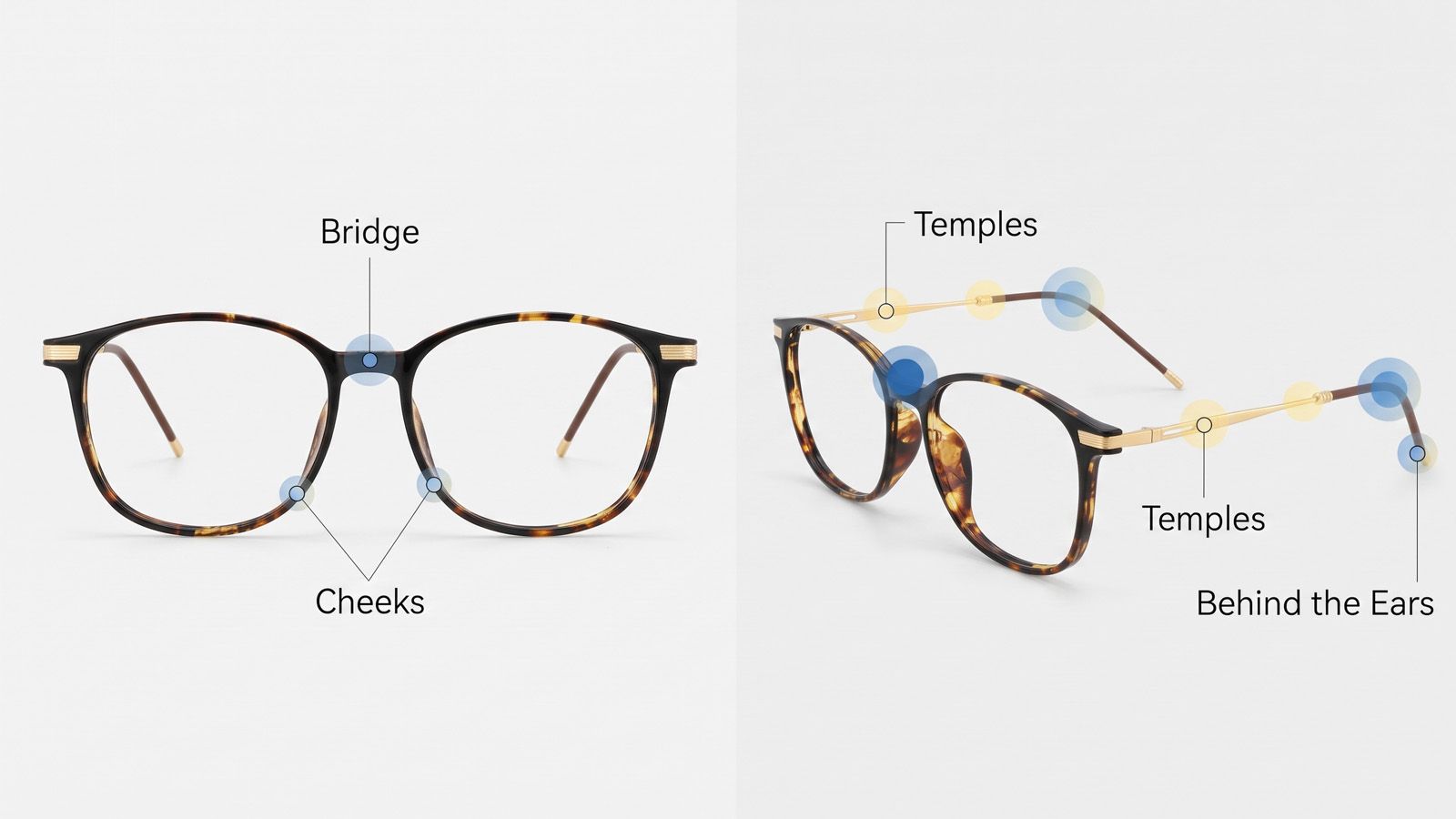
| Weight distribution | Frame stays level without concentrated pressure | Nose or one ear carries most of the load | Bridge contact, temple alignment |
| Bridge support | Stable, even contact | Sliding, pinching or deep pressure points | Bridge shape and nose pads |
| Frame width | Centered without squeezing or side movement | Temple pressure or lateral shifting | Hinge-to-hinge width |
| Temple fit | Gentle stability behind the ears | Flaring, digging or misplaced bend | Length, bend point, hinge angle |
| Face clearance | Normal blinking and smiling without repeated contact | Eyelash sweep or cheek pressure | Lens height, tilt, bridge position |
Use the ZEELOOL Fit Guide to review the complete fit, and compare dimensions with the Frame Size Guide.
Are Lightweight Glasses Always More Comfortable
Not Always. A lighter frame can cut total mass, but can still be uncomfortable if the bridge slips, the temples pinch, the lenses are big or the weight is too far forward. “Ultra-light” does not guaranty good fit, nor does it mean pressure distribution.
As a first filter, browse Ultra-Light Glasses and compare dimensions, lens area, nose support and temples. A bit heavier pair with more even support may feel better than a lighter pair with one pressure point.
How Should the Bridge Fit
The bridge should support the front without constantly sliding down, painful pressure, or the frame being too close to the eyelashes and cheeks. Fixed bridges, keyhole shapes and adjustable nose pieces can all work, if the geometry fits the wearer. None is best by default.
If frames often slide or sit low, compare the current Low Bridge Glasses selection. Adjustable-nose-pad guidance can help you understand the component, but adjustments should remain even and secure.
How Should the Temples and Frame Width Fit
Temples should not flare or press into the head, but reach the ears. The curve should be behind the ear, without a sharp pressure point. The hinge angle, flexibility and thickness also influence the result.
The total width of the frame should be equal to the width of the head. A narrow front can bow out, causing the temples to flare; a front that's too wide can shift or slide. The article on why the same measurements fit differently explains how bridge shape and construction alter the result.
Materials and Lens Weight
Titanium and some TR90 designs can be light; metal may offer fine profiles and nose pads; acetate and other plastics cover many shapes and thicknesses. Finished construction determines the experience. Compare the titanium collection and TR90 collection without assuming every product has the same weight or flexibility.
Lens area, prescription, index and design also affect weight. The Lenses and Coatings guide explains current choices but cannot predict comfort.
A Five Minute Comfort Test
- Sit still and identify pressure at the bridge, temples and behind the ears.
- Lower your head briefly and notice whether the frame slides.
- Turn your head gently from side to side and check lateral movement.
- Smile and blink to test cheek and eyelash clearance.
- Read and look into the distance to see whether the frame blocks a normal viewing area.
The stable frame is self-aligning without any strong pressure. If the size is near some professional adjustment may help. Repeated sliding or squeezing or misplaced contact usually indicates a different size or bridge or geometry. Five minutes shows early problems, but no guaranty of comfort for the whole day.
Use Reviews and Virtual Try On Without Overrelying on Them
Read ZEELOOL Reviews and product comments for specific references to the model, measurements and wearing time. Another person's comfort rating remains subjective. Use Virtual Try On to compare shape and visual position, not pressure, weight distribution or physical fit.
The guide on how glasses should fit provides a final checklist when your candidates have similar dimensions.
FAQs
What frame material is most comfortable?
Titanium is usually lighter and more comfortable. No material is ideal for everyone. Select the finished frame that suits your needs for size, bridge, temples, weight and lens configuration.
Why do lightweight glasses still hurt my nose?
The bridge may concentrate pressure, lack stable contact or allow the frame to slide. Lens size and forward weight can also contribute.
Should glasses leave marks behind my ears?
Brief light contact may occur, but persistent deep marks, tenderness or skin injury suggest excessive pressure or a poorly placed temple bend.
Can reviews tell me whether glasses are comfortable?
Reviews may point out patterns in how well a model fits in, particularly when measurements are provided. They don’t see your pressure points, or what your whole day is like.
Get the measurements of a pair that fits you comfortably. Compare the width, bridge, temples and lens area of your candidates. Use Virtual Try On to see how they look. "When the glasses come, check movement and pressure.