









Summary
Gaming glasses have lenses that filter out blue light. Blue light is a type of high energy visible light that comes from screens. The thinking is that by wearing gaming glasses you can reduce digital eye strain during long sessions. The science on blue light glasses is mixed. Some studies have shown that they can help a little bit for some people, particularly if you use screens in the evening. This is because blue light can suppress melatonin and disrupt sleep.For daytime use, digital eye strain is more commonly caused by reduced blinking, screen glare, and poor viewing distance than by blue light wavelengths specifically. That said, gaming glasses with anti-reflective coatings and appropriate lens tints provide measurable comfort improvements for heavy screen users, and prescription-compatible options make them a practical addition for anyone who already wears corrective lenses.
Introduction
If you spend four or more hours daily in front of a screen—gaming, working, streaming—you have probably experienced digital eye strain: tired eyes, dull headaches, and slightly blurry vision by evening. The gaming glasses industry has grown significantly on the back of this widespread experience, offering specialized eyewear that claims to reduce these symptoms through blue light filtering. Whether you are a serious gamer, a remote worker with screen-heavy hours, or simply someone whose eyes feel worse at the end of a screen-filled day, the question is the same: do these glasses actually help, and if so, how do you choose the right pair? This guide works through the technology, the evidence, and the practical selection process.
What Are Gaming Glasses?
Gaming glasses are a type of glasses with lenses that filter blue light and are designed to reduce high-energy visible light (HEV) emitted from screens during prolonged use.
Most gaming glasses have a few commonalities that make them different from traditional eyewear:
● Blue light blocking lens coating or material—filters some blue light wavelengths between 380 and 500 nm
● Anti-reflective coating — reduces glare from screen surfaces and ambient lighting
● Lens tint — from clear to yellow or amber depending on filtering level
● Lightweight frame design — optimized for extended wear during long sessions
● Prescription compatibility—most gaming glasses frames can accept prescription lenses
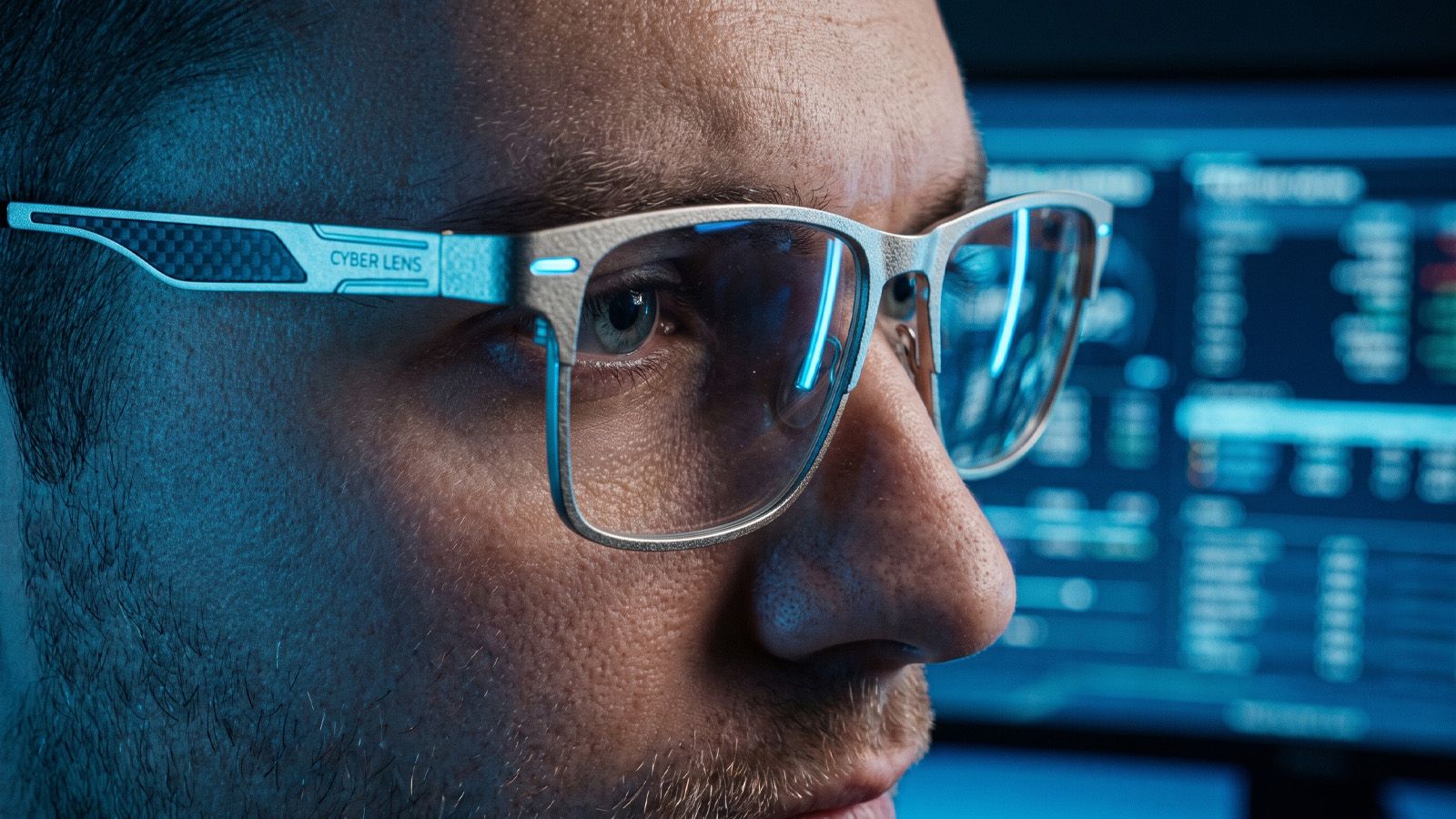
The term "gaming glasses" is somewhat interchangeable with "computer glasses" or "blue light-blocking glasses"—the underlying technology is the same across all three categories.
How Blue Light-Blocking Works
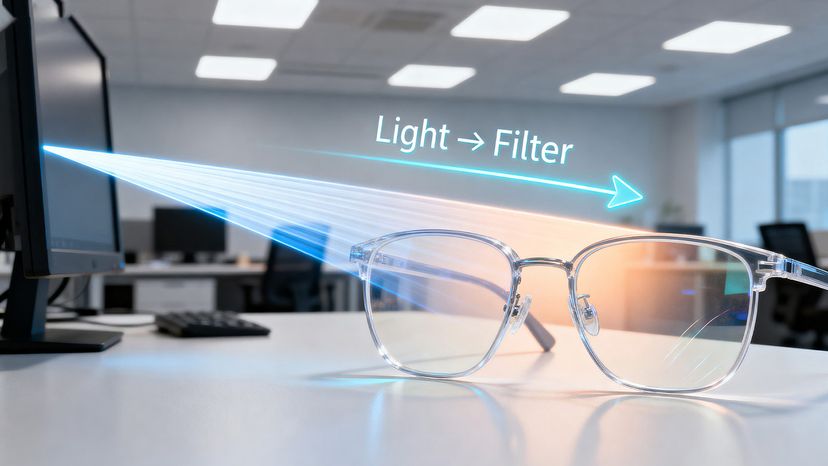
Blue light-blocking lenses block or absorb some of the high-energy visible light in the 380–500 nm wavelength range before it reaches the retina.
There are two ways blue light lenses work:
Filtering by coating: A special coating is applied to the lens surface, which reflects away the wavelengths of blue light from the eye. These lenses are typically clear or have a very light tint and filter roughly 20-40% of the relevant blue light spectrum.
Tinted lens filtering: Lens material that is yellow, amber, or orange absorbs blue light more aggressively, usually filtering 50–95% of the spectrum depending on the depth of the tint. More effective at filtering but also more color distorting, especially with deeper amber tints.
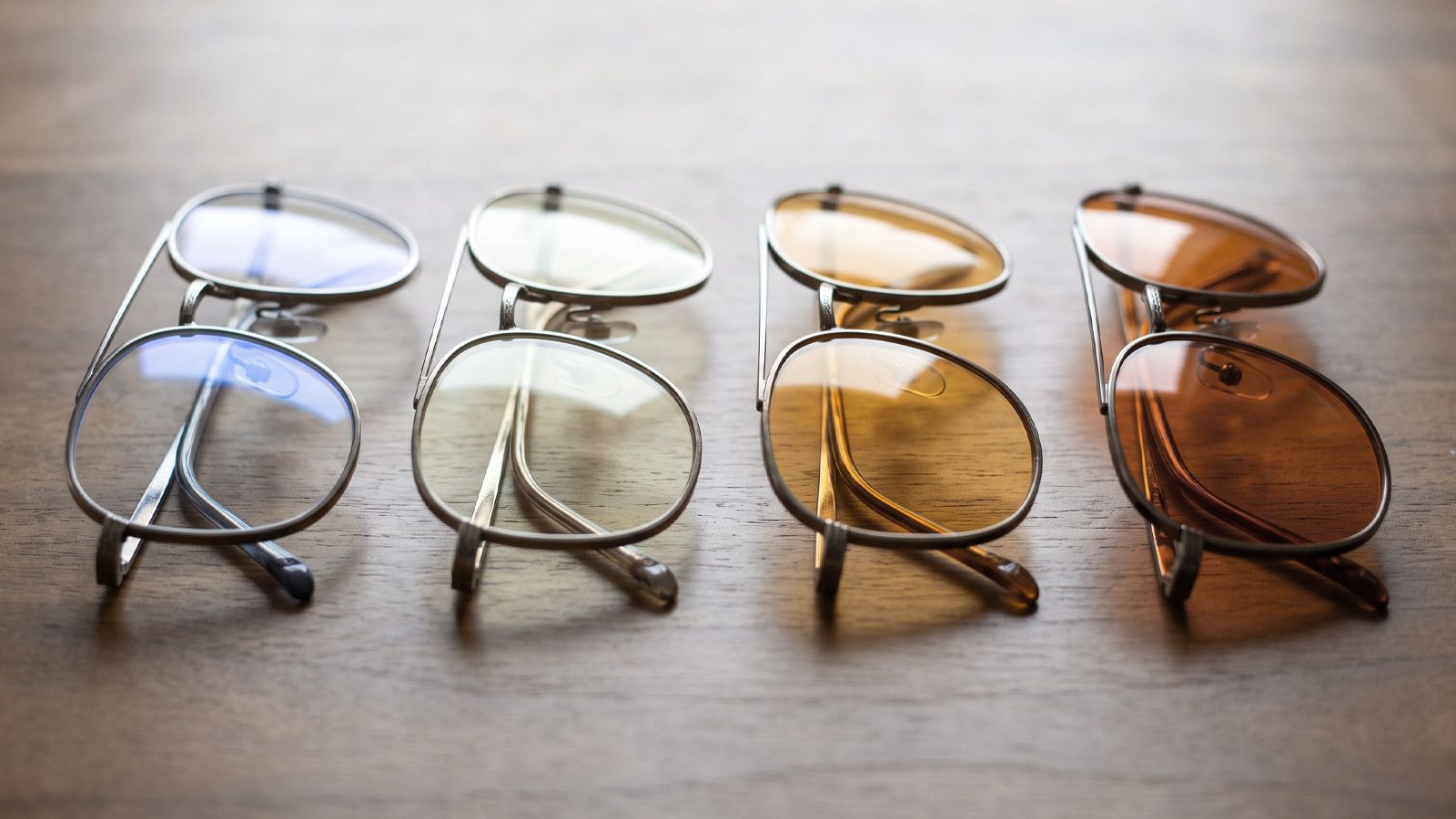
Lens tint comparison:
| Tint | Blue Light Filtered | Color Distortion | Best Use |
| Clear with coating | 20–40% | Minimal | Daytime screen use |
| Light yellow | 40–60% | Slight | All-day gaming or office work |
| Amber | 60–80% | Moderate | Evening use, competitive gaming |
| Deep orange / red | 80–95% | Significant | Pre-sleep use only |
What the Science Actually Says
There’s modest and inconsistent evidence that blue light glasses reduce eye strain, but the evidence for anti-reflective coatings and good screen habits is stronger. A 2021 Cochrane Review—one of the most comprehensive analyses of blue light lens studies—concluded that blue light-filtering spectacles did not meaningfully reduce eye strain compared to standard lenses in controlled trials. However, the same review noted that many users report subjective improvement and that the evidence base is still relatively small.
What is better established:
● Blue light suppresses melatonin production — exposure to screens in the 2–3 hours before sleep measurably delays sleep onset. Blue-light glasses worn in the evening have demonstrated effects on melatonin levels in peer-reviewed studies.
● Digital eye strain is primarily caused by reduced blinking—screen use reduces blink rate by up to 60%, causing dry eyes and fatigue independent of blue light wavelength.
● Anti-reflective coatings reduce measurable glare — this is a well-established optical benefit that reduces contrast fatigue during extended screen use.
● Viewing distance and posture affect eye strain significantly — screens too close or too far cause more strain than blue light alone.
The practical takeaway:
Gaming glasses are not a cure for digital eye strain, but the combination of anti-reflective coating, appropriate tint for the time of day, and lightweight, comfortable frames provides a meaningful comfort improvement for many screen-heavy users.
Features to Look for in Gaming Glasses
Here are the most important features to look for in gaming glasses, ranked by priority:
Anti-reflective coating: More reliable than just blue filtering. Reduces screen glare, ambient light reflections, and the contrast fatigue that builds over long sessions. Non-negotiable for any quality gaming or computer glasses.
Blue light filtering percentage: 20-40% filtering is sufficient for all-day use with a clear or light yellow lens without color distortion. A deeper amber tint for evening gaming sessions provides more aggressive filtering but still maintains a functional visual experience.
Frame Weight: Extended gaming sessions of 3-6 hours make frame weight a real factor. TR90 and lightweight metal frames under 20 grams are far more comfortable over time than heavier acetate options.
Lens material: Polycarbonate lenses offer the best combination of impact resistance, lightweight, and optical clarity for screen use. High-index lenses are better for anyone with a stronger prescription.
Prescription compatibility: If you wear corrective lenses, make sure the frame you choose can accommodate prescription lenses. Most gaming glass frames can; however, some specialty styles have curved lenses that limit prescription compatibility.
Gaming Glasses vs. Regular Blue Light Glasses
Gaming glasses and regular blue light glasses use the same underlying technology—the distinction is primarily in frame design and marketing rather than lens technology.
The practical differences:
| Factor | Gaming Glasses | Regular Blue Light Glasses |
| Frame design | Often wraparound or bold styling | Standard everyday frame styles |
| Lens tint | Often yellow or amber | More often clear or light-tinted |
| Use context | Extended screen sessions | Office, casual screen use |
| Prescription options | Available | Available |
| Price range | $20–$150 | $10–$200+ |
For most people, a standard blue light blocking frame worn during screen use serves the same function as glasses marketed specifically for gaming. The frame design matters more for preference and comfort than for optical performance.
The Best Frame Styles for Gaming
When it comes to gaming, the best frame choice is one that is comfortable for extended wear and reflects your personal style:
Rectangle frames in TR90 or thin metal are the most practical for gaming — they sit comfortably at a slight downward angle typical of looking at a screen, provide adequate lens area for peripheral vision, and are available in a wide range of prescription configurations.
Lightweight metal frames feel minimal on the face during long sessions and hold their shape well over time. Adjustable nose pads allow for a precise fit, which reduces pressure during long wear.
Semi-rimless frames reduce the weight of the frame and provide a clean visual profile. A good option for anyone who finds full-rim frames feel heavy during extended use.
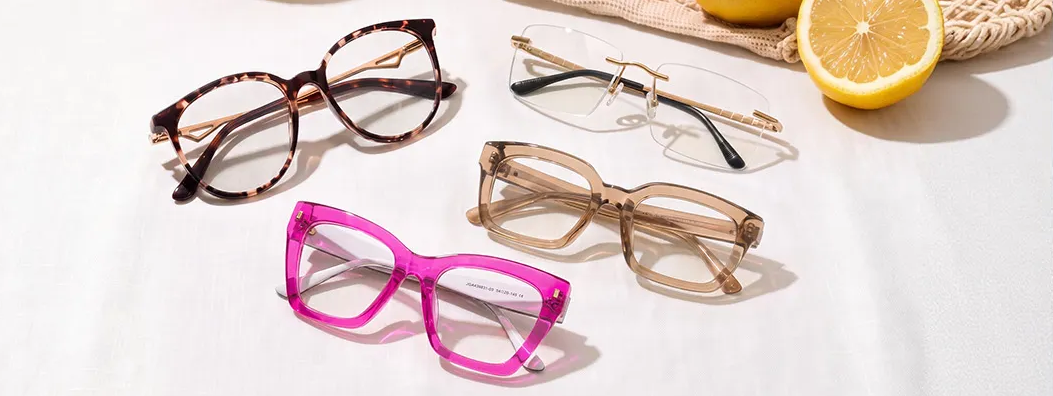
ZEELOOL's blue light blocking collection includes prescription-compatible frames in rectangle, square, and semi-rimless styles starting from $7, with anti-reflective coating available as a lens add-on. All frames include a free AR virtual try-on.
Do You Need a Prescription for Gaming Glasses?
If you already have prescription eyeglasses for distance or near vision, then the most practical way to go is to simply add blue light filtering to your existing prescription. You get accurate vision correction and blue light filtering in a single pair — no need to wear gaming glasses over your prescription frames.
At ZEELOOL, blue light blocking is available as a lens add-on for prescription orders. Single-vision, progressive, and high-index lenses are all compatible with blue light coating, and the total cost remains significantly lower than at specialty optical retailers.
If you have perfect vision and no prescription needs, non-prescription blue light glasses—sometimes called "plano blue light glasses"—are available with the same filtering technology at lower price points.
Practical Tips for Reducing Digital Eye Strain
Gaming glasses work best as part of a broader approach to screen comfort rather than as a standalone fix:
● 20-20-20 rule: Every 20 minutes, look at something 20 feet away for 20 seconds to reset eye focus.
● Screen distance: Maintain 20–26 inches from the monitor—closer increases strain significantly.
● Screen brightness: Match screen brightness to ambient room lighting rather than using maximum brightness in a dim room.
● Blink consciously: The main cause of eye dryness is less blinking when using screens—blinking more often in a conscious way helps.
● Evening screen use: In the evening, use a warmer screen color temperature on your device with your device's night mode setting, with or without blue light glasses.
Conclusion
Gaming glasses deliver their most consistent benefit through anti-reflective coatings and comfortable, lightweight frames designed for extended wear—the blue light filtering adds a modest additional benefit, particularly for evening use where reducing blue light exposure before sleep is well-supported by research. They are not a substitute for good screen habits, but as a complementary tool for screen-heavy lifestyles, they provide a practical comfort improvement at an accessible price point. If you already wear prescription glasses, adding blue light blocking to your existing prescription is the most efficient approach.
FAQ
Do gaming glasses actually reduce eye strain?
Yes, for many, but more so from the anti-reflective coating than just the blue light filter. The reduction in screen glare, the lightweight nature of the frames for long-term wear, and the appropriate lens tint all add up to measurable comfort benefits for heavy screen users. The science behind blue light filtering alone is mixed, but the use of glasses in the evening has been shown to improve sleep quality in controlled studies.
What is the best tint for gaming glasses?
The filter options are a clear lens with an anti-reflective coating or a light yellow tint that filters without color distortion. The amber tint filters the blue light quite aggressively while maintaining a functional visual experience. Deep orange or red tints are good pre-sleep but impractical for active gaming due to the major color change.
Can I get gaming glasses with my prescription?
Yes. Most gaming glass frames can accommodate prescription lenses, including single-vision, progressive, and high-index options. Blue light blocking is available at ZEELOOL as a lens add-on for prescription orders in compatible frame styles.
Are gaming glasses worth the money?
If you spend 4+ hours a day on screens, a good pair with an anti-reflective coating and the right tint is a reasonable investment. Frames start at $7 at ZEELOOL, with blue light coating as an add-on, so the entry cost is low enough to try without major financial commitment.
Should I wear gaming glasses all day?
If you are going to be sitting and staring at a screen all day, then clear glasses or very light blue tint glasses are fine and have no real negative effect. Avoid wearing amber or deep-tinted lenses during daylight hours when natural blue light provides circadian rhythm benefits—save those tints for evening screen use or the hours before sleep.