


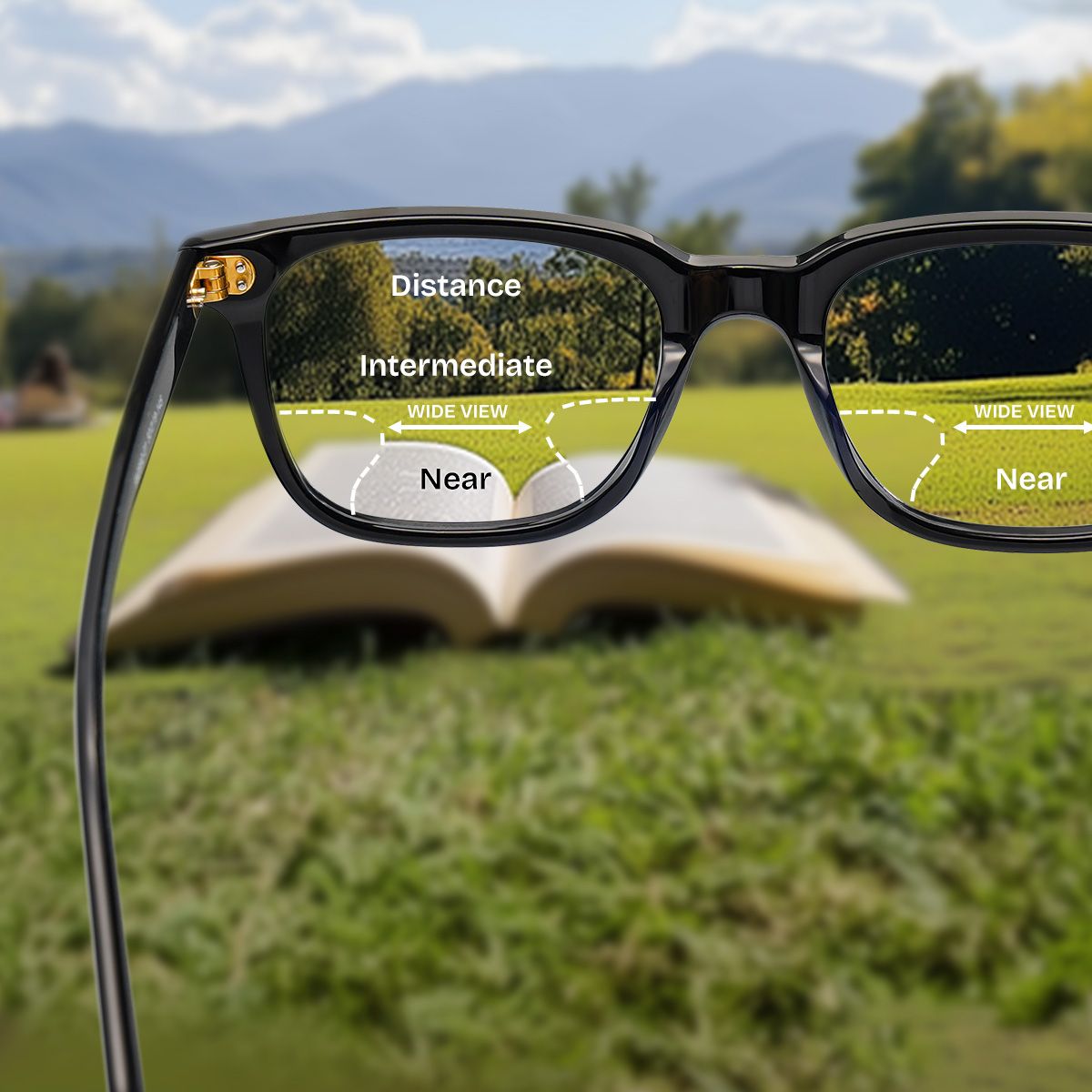







Sunglasses are a must-have for sunny days. They shield our eyes from the sun's harmful UV rays and glare. But whether to wear them indoors, particularly in the office, is not so cut and dry for others: Is it okay to do so, or even healthy? Sunglasses are designed to protect the eyes to varying degrees based on how much of the sun’s harmful rays are blocked. They may not be a statement in the office. But is it OK to wear sunglasses at work? That’s the question we’ll tackle in this post as we look first at medical explanations for light-sensitive eyes and then delve into a few other options for protecting our eyes when we’re on the job.
The Case Against Ordinary Sunglasses
It might seem like wearing sunglasses indoors is a shortcut to mitigating the harsh office lights, but regular dark lenses can be worse than having no sunglasses at all indoors. Here's why:
Reduced Visibility
Normal glasses are made to block an appreciable amount of light, and when you are inside the office, there is not much that you can view. Low visibility can also slow you down in ways beyond the obvious difficulty of reading or typing in your space.
Too Much Darkness
The overhead lights in an office are nice, but they’re not as good as sunlight. In general, sunglasses are manufactured to filter out far more light than what is required indoors. Inside, it might be too dark for your eyes.
Professionalism
Not a professional look; you just aren’t professional with your sunglasses inside at work. They might be a sign that you’re not exactly in step with the office culture or are hiding discomfort.
So, it’s not generally recommended to wear your everyday sunglasses inside an office—with a few exceptions.
The Case for: When Sunglasses at the office
A Must That being said, light sensitivity is no laughing matter, and sometimes people require additional eye protection. So when can you make your case for donning your glasses to the boss?
Medical light
Sensitivity causes Light sensitivity, or photophobia, is when light (particularly bright) causes pain and discomfort in the eyes. Some of the reasons for it are, some people experience it in migraines—very bright lights may give somebody a migraine or they can make a migraine worse if that person is under suffering and see through very bright lights;
A person has other eye conditions such as dry eyes, cataracts (I am not sure about this word), and macular degeneration and finds it difficult to work when it is bright. Certainly, some people need sunglasses, or tinted lenses, for ordinary work. If a person has undergone eye surgery (cataracts, LASIK, etc.), then they need to use sunglasses so that their sensitive corneas can recover.
Eye pain in a computer/office environment If it's still not obvious. Source Someone needs to protect their eyes from light in the office.
Glaring light
Some offices are very glaring, especially if people work near huge windows or it is not possible to dim the overhead lights. Maybe you work near a window or are pleasantly ensconced in bright lighting, and you need sunglasses to cut down on glares and eyestrain.
Key takeaways
There are many correct and valid reasons to wear sunglasses to protect your eyes from light indoors, but for the situation, wearing regular sunglasses is not one of these. Fortunately, the discomfort of such brightness can be alleviated without creating a visual burden or jeopardizing the working atmosphere.
Sunglasses for your office wear!
If you’re looking for a break from glaring overhead office lights and digital screens but also don’t want to be wearing just regular sunglasses, there are a few options out there that may offer the protection you crave without the sartorial deficit.
Clear Blue Light Glasses If you’re cool with a hint of tint
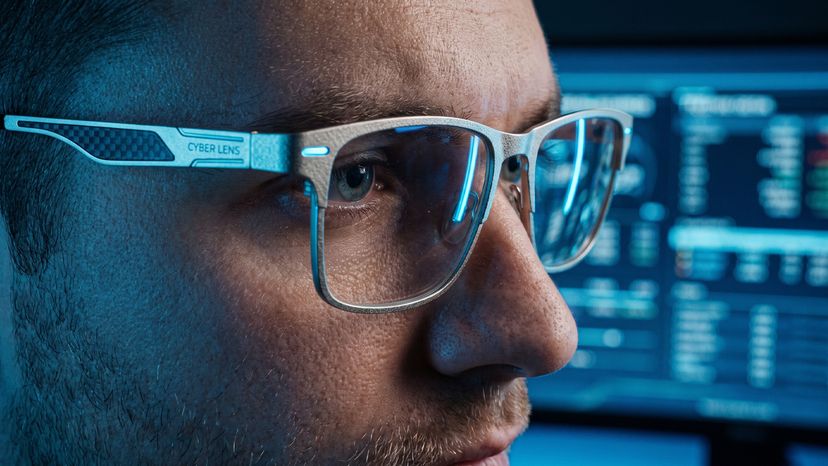
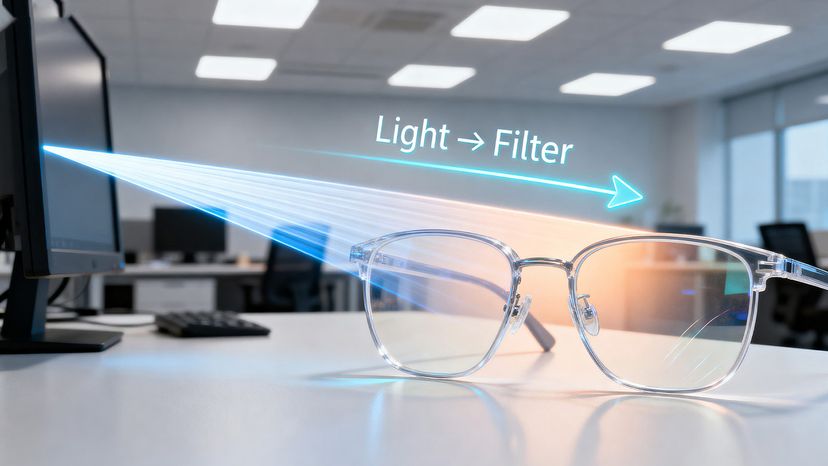
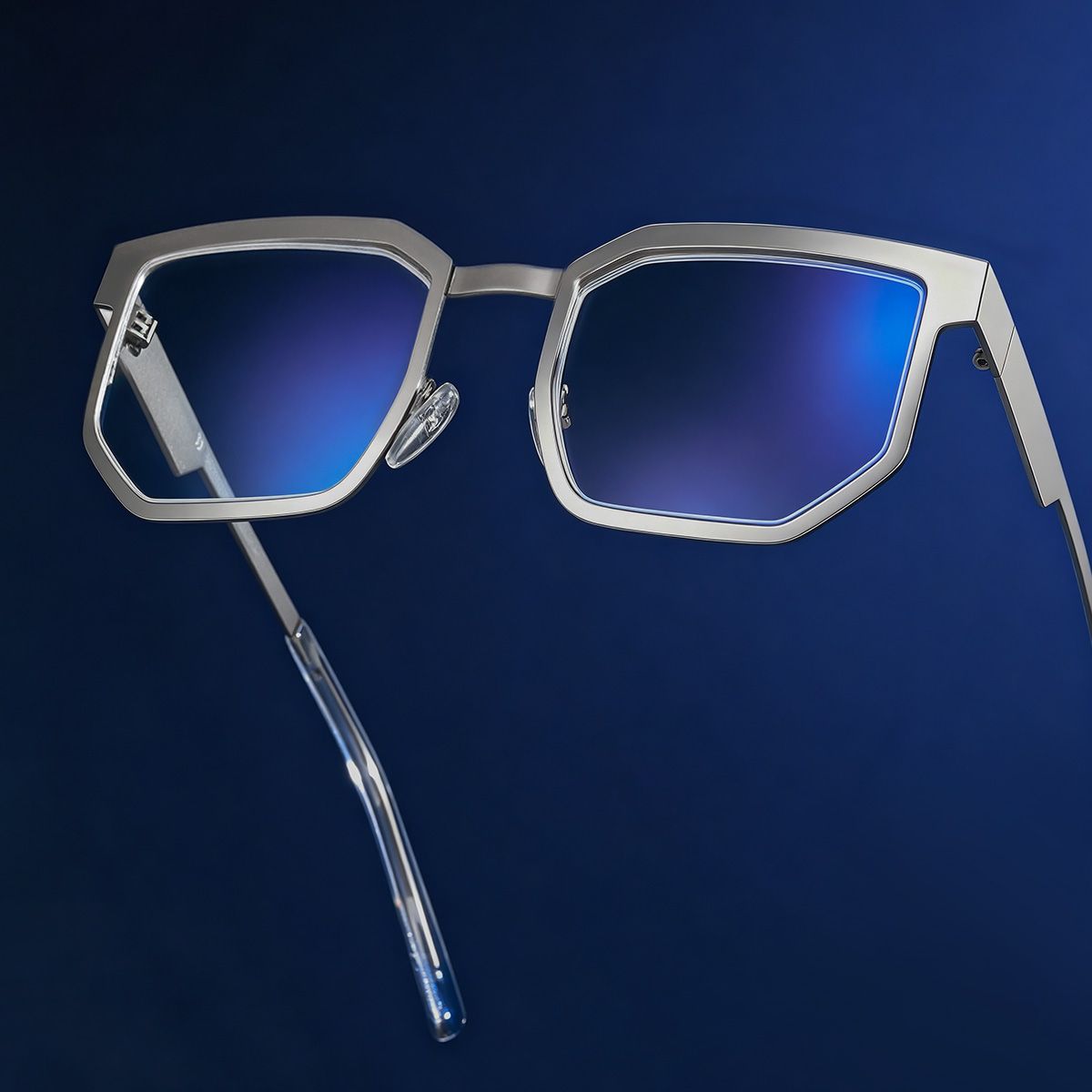
Blue light blocking glasses are made to filter out blue light from the digital screens that can zap your eyes. They’re also glasses that are practically clear (YEAH, I SAID IT; they really do TRANSMIT light), so you can block out glare but not as much vision—WHAT!? They’re good for people who spend a lot of time on the computer and want to give their eyes a rest without having to wear sunglasses.
Anti-Reflection Coated (AR) Glasses
Anti-reflective (AR) coating is also a popular choice for office glasses. This kind of coating on your screen also makes it easy to clean with computers, even if my son gets great asthma irritation from being exposed to the computer or air conditioner in his room. 3D glasses are designed to cause trouble with depth perception when working under a bright light. It also blocks annoying reflected light on your lenses that can cause glare, which means you always see clearly and work out longer because you don’t have to squint or constantly adjust your head.
Photochromic Lenses
Photochromic Fencing Transition from clear lenses while indoors to dark exterior UV protection when outside. Although people wear them most commonly outdoors, these types of lenses may offer some relief for employees working indoors. The light where you’re working: Photochromic lenses (they change in response to varying indoor lights in your office, so they’re ideal for computer users who may work under various light conditions).
Specialized Light-Filtering Lenses
Patients who are very sensitive to light can use prescription light-filtering lenses. These lenses are created to filter out certain light wavelengths that could be irritating to the eyes, for example, fluorescence. They could, for instance, serve as a softer (though more customizable) variation of the aggressively hideous look in which one desires to protect oneself from light without entirely blacking it out with an opaque pair of shades.
What If You Absolutely Must Wear Tinted Lenses?
There might be times you need to wear sunglasses to work. But it’s all about finding the right tone and speaking with your team.
Choose Very Light Tints
And if you absolutely need to wear tinted lenses indoors, choose the most minimal tints and try not to let anything darken your world more than it has to. The lighter of the two cut down glare, but not to the extent that everything was too dark—you can still see things (whereas in the full darkness you wouldn't be able to) and do whatever you need to do easily.
Communicate with Your Manager
If you feel like you need to wear tinted lenses to be comfortable, I think it is 100% fair for you to bring that up with your boss or HR. Tell him there is a medical reason why you need to wear tinted lenses, and put the two of you in a room to work out some sort of compromise (or keep things professional at work).
Conclusion
Sure, you’d rather not dull the vibe by slapping on a pair of shades every time you take a seat at your office, but there are loads of styles that can help protect your eyes from harsh lighting—and look cool doing it. If you have sensitivity to light, consider blue light glasses, anti-reflective coatings (to cut down on glare), or photochromic and light-filtering lenses. If you’ve got a medically legitimate reason for wearing colored glasses indoors, do so as subtly as possible and work with your boss to find suitable common ground.
It’s finding the pair of glasses that, once you’ve shattered your eyes, manages not to make you look like a chump at work but does feel good and will protect your head-up display.
FAQ
Can you wear sunglasses to work indoors?
Generally, it is not recommended to wear sunglasses when working indoors as sunglasses filter out way too much light indoors, which can cause your eyes to work harder to see in low light situations, and cause eye strain over time. However, if you have health problems such as light sensitivity or migraines, or recovering from eye surgery, you can wear sunglasses to work; in this case, choose lenses with a lighter tint.
What are the best glasses for office workers sensitive to light?
The most practical choice for the office worker is blue light-blocking glasses, which screens out screen glare while keeping the lenses almost clear. (Anti-reflective (AR) coated lenses cut down on reflections from overhead lighting and computer screens.) For people with high light sensitivity, customized light-filtering prescription lenses are available to block specific wavelengths like fluorescent light without the darkening effect of traditional sunglasses.
Can wearing sunglasses while working on a computer help with eye strain?
Standard sunglasses are not the right tool for computer-related eye strain. They darken your overall vision without specifically targeting the blue light wavelengths that digital screens emit. Blue light glasses are specifically designed for screen use—they filter the light frequencies that contribute to digital eye strain and are available in nearly clear lenses, making them suitable for the office environment without affecting visibility or professionalism.