




Key Factors and Conclusion
Anisometropia is a common condition where eyes have unequal focusing power, often caused by genetics or growth.
Untreated uneven vision causes headaches and eye strain, and may lead to lazy eye (amblyopia) in children.
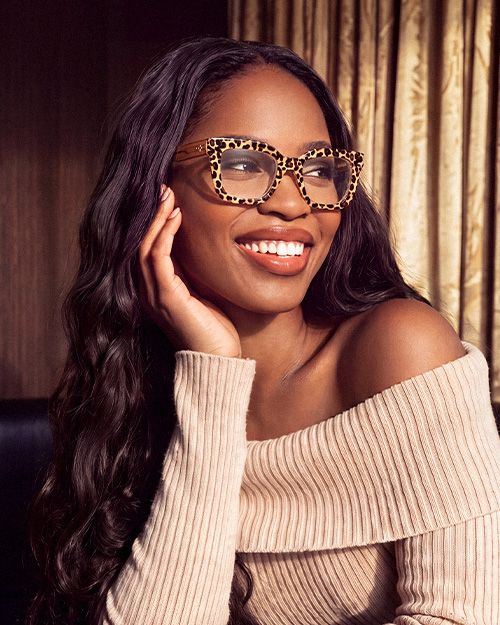
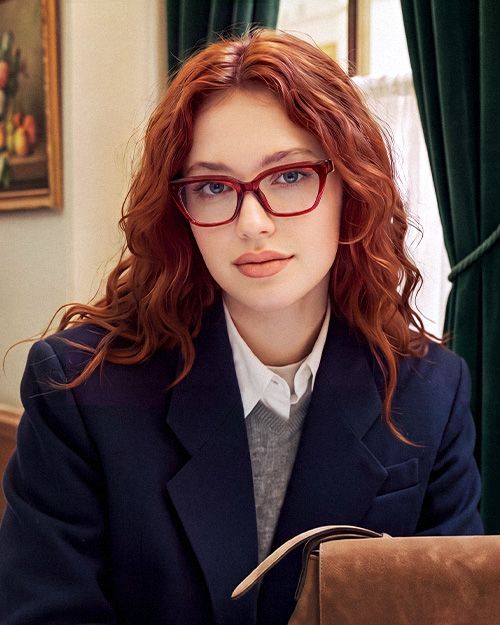
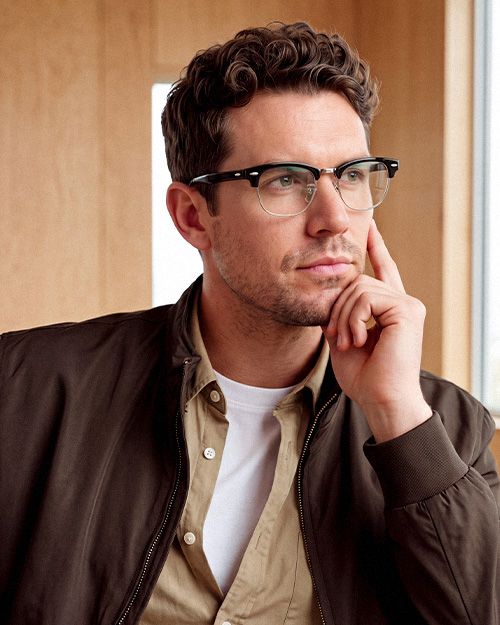
Choose high-index lenses and full-rim acetate frames to hide lens thickness and ensure a balanced look.
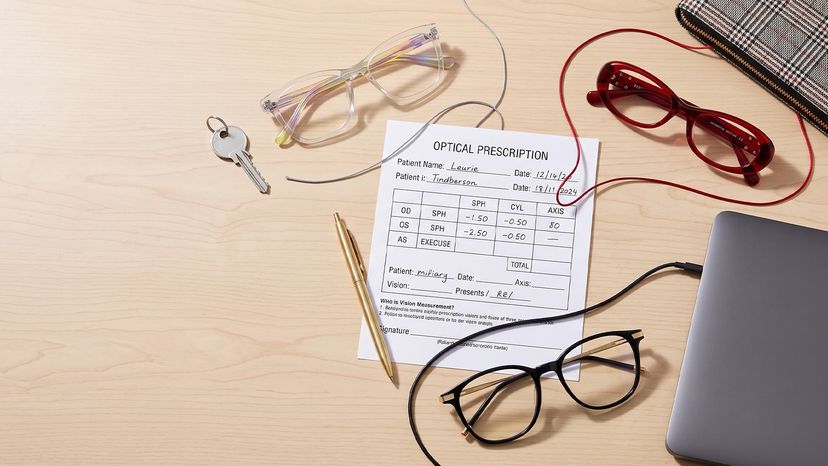
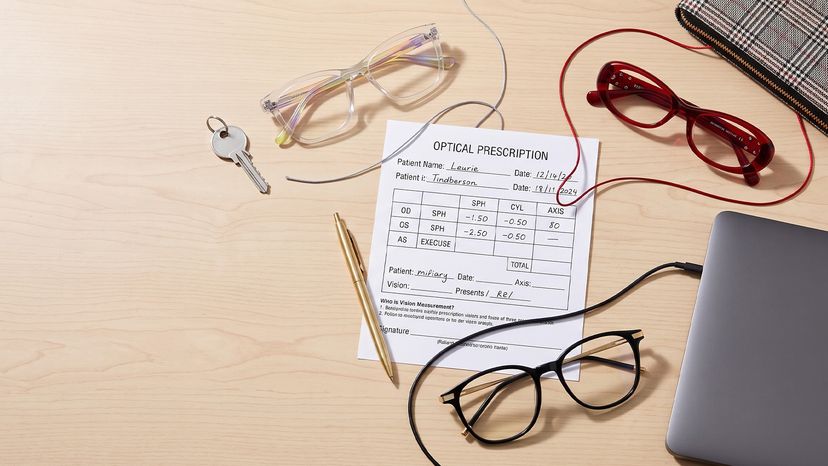
So, you just walked out of your eye exam. You’ve got that little slip of paper in your hand, and you start scanning the numbers.
OD (Right Eye) says one thing. OS (Left Eye) says something completely different.
Wait a second.
One eye looks pretty standard, but the other? The number is much higher. It's easy to start panicking. Is my vision lopsided? Is one eye failing me?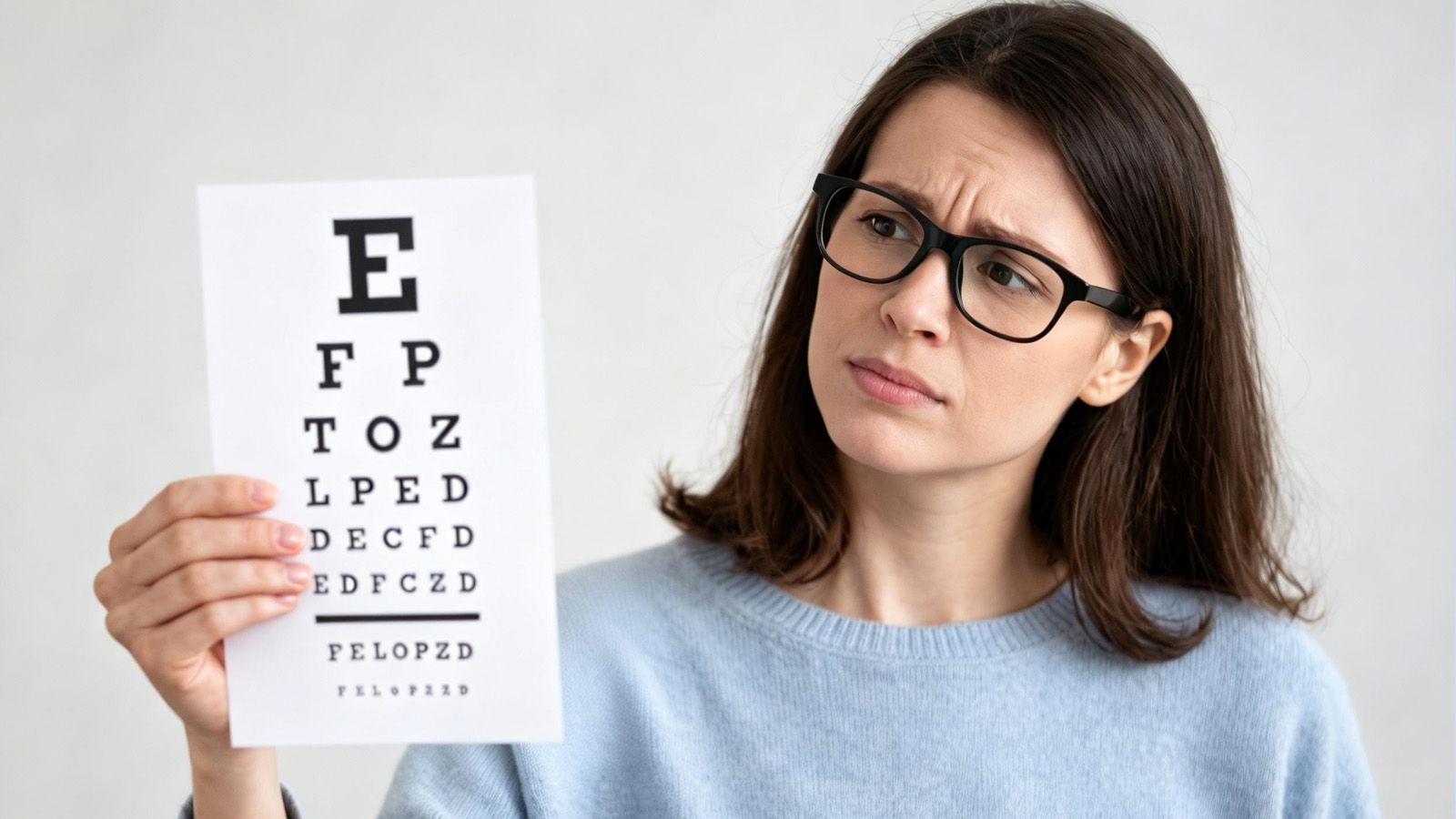
First off: take a breath. It’s okay.
Actually, it’s more than okay—it’s incredibly common. There’s a fancy medical name for having a different prescription in each eye: it’s called anisometropia. It sounds intimidating, almost like a rare disease, but ask any optometrist, and they’ll tell you they see it daily.
It’s generally not dangerous. But here’s the catch: you do need to correct it properly. If you don't, you're looking at issues with balance, focus, and just feeling "off."
Let’s break down why this happens, what your brain is going through, and how to pick the right glasses so nobody (including you) notices the difference.
What is Anisometropia?
Anisometropia means that your eyes have different focusing powers. One eye may see clearly, while the other needs more help. Or both eyes may need glasses, but one needs a much stronger lens.
Think of it like shoe size. Most people do not have exactly the same size in both feet. One foot is usually a bit bigger than the other. We accept this as normal. The same thing can happen with eyes. One eye can be slightly longer or shorter than the other, and this changes how light enters the eye.
Because of this difference, one eye may be nearsighted (myopic), making distant objects appear blurry. The other eye may be farsighted (hyperopia), where near things are hard to see. Sometimes, both eyes are nearsighted, but one is stronger than the other.
There is also a rare type called antimetropia. In this case, one eye has a minus sign (nearsighted), and the other eye has a plus sign (farsighted). This can feel very strange at first, especially when wearing glasses for the first time.
Anisometropia is usually not a disease. It is more like a natural variation in how eyes grow and develop.
What Causes Different Prescriptions in Each Eye?
The biggest reason is genetics. Just like height, skin tone, or hair type, eye shape often comes from parents. If someone in the family has uneven vision, children may have it too.
Another reason is growth. When children grow, their eyes grow as well. Sometimes, one eye grows faster or longer than the other. This can slowly create a difference in prescriptions over time.
In some cases, habits may play a small role. For example, always reading while lying on one side, or looking at screens from an angle, for many years. This is less common, but it can add stress to one eye more than the other.
As we get older, our eyes change, but not always at the same time. After 40, one eye may struggle with near vision before the other. Cataracts can also affect one eye first, causing uneven vision.
Symptoms and Risks of Untreated Anisometropia
Here is the problem. Your eyes are essentially two cameras that feed live footage to your brain.
When the footage matches, your brain merges it into one clear 3D image. But when you have untreated anisometropia, one camera sends a crisp 4K image, and the other sends a blurry mess (or an image that appears a different size).
Your brain struggles to merge them, working overtime to make sense of it.
If you don't fix it, you might feel the following:
- Splitting headaches: Especially after focusing for a while.
- Nausea or Dizziness: Like mild motion sickness that won't go away.
- Clumsiness: You go to pour coffee and miss the cup, or you trip on a curb. That’s your depth perception failing.
- Eye Strain: One eye is literally doing all the heavy lifting.
A quick warning for parents: If you notice this in your kids, don't wait. A child’s brain is smart but lazy. If one eye is blurry, the brain might just decide to "mute" that eye permanently to stop the confusion. This leads to amblyopia (lazy eye). So, yeah—regular exams are non-negotiable.
How to Choose Glasses for Different Prescriptions
Choosing glasses for different prescriptions requires a bit more thought than usual. When one eye is -1.00, and the other is -5.00, the lenses will not look the same. One lens will be thicker and heavier. This can feel uncomfortable and also look uneven.
The good news is that smart choices can fix most of these problems.
Tip 1: Frame Material (The Disguise)
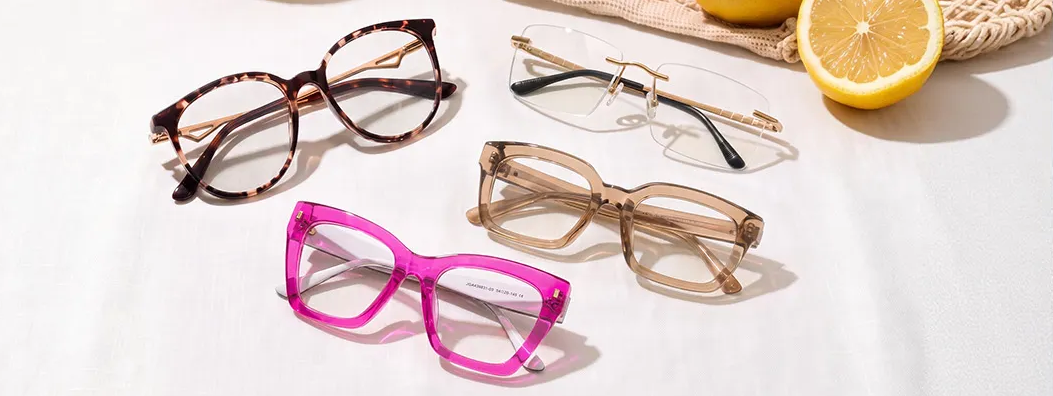
Full-rim frames are the best option. Acetate or plastic frames are especially helpful. Thick rims hide the edge of stronger lenses, so people cannot easily see the difference.
Rimless or semi-rimless frames are not a good idea for anisometropia. They leave the lens edge open, making the thickness very obvious.
Tip 2: Lens Index (The Game Changer)
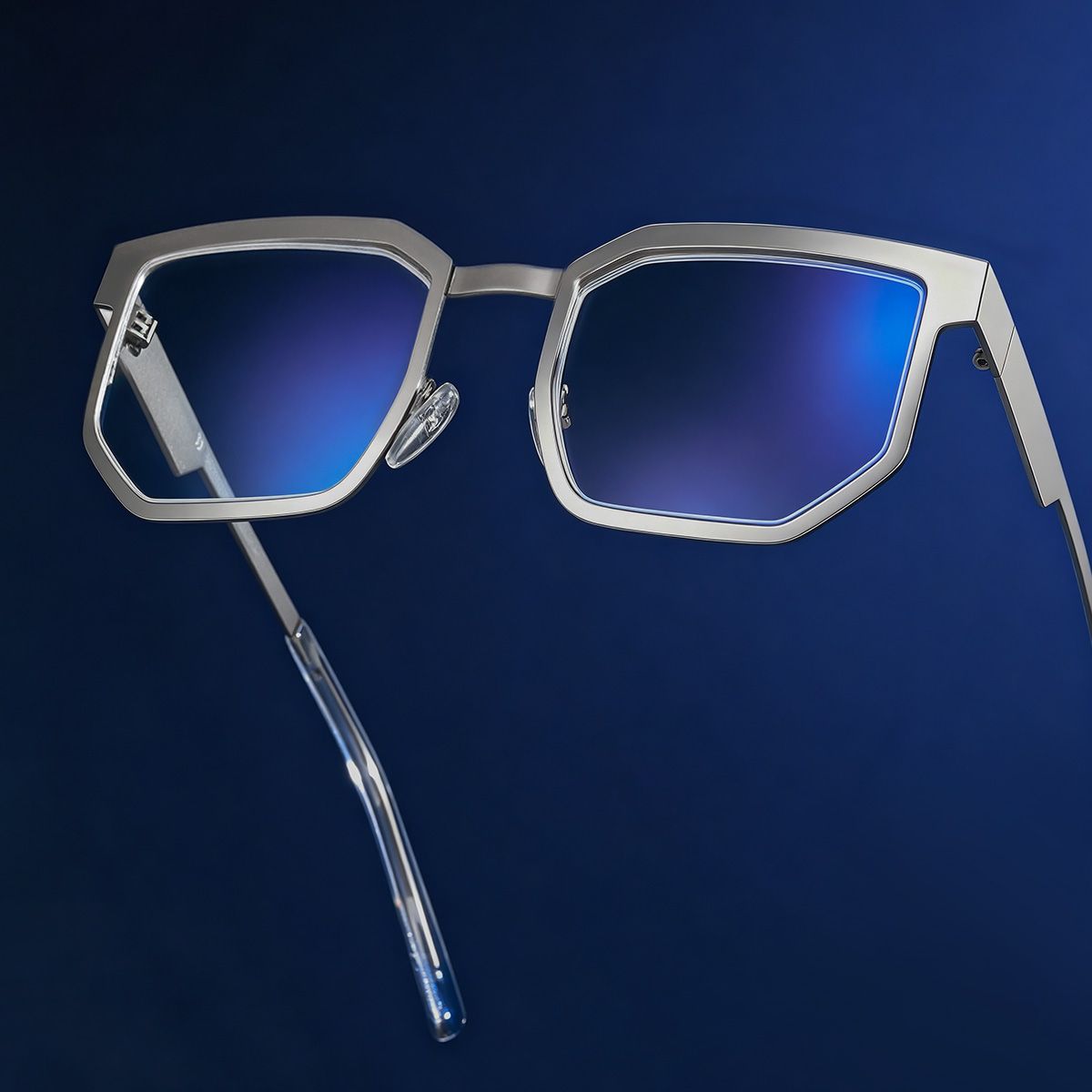
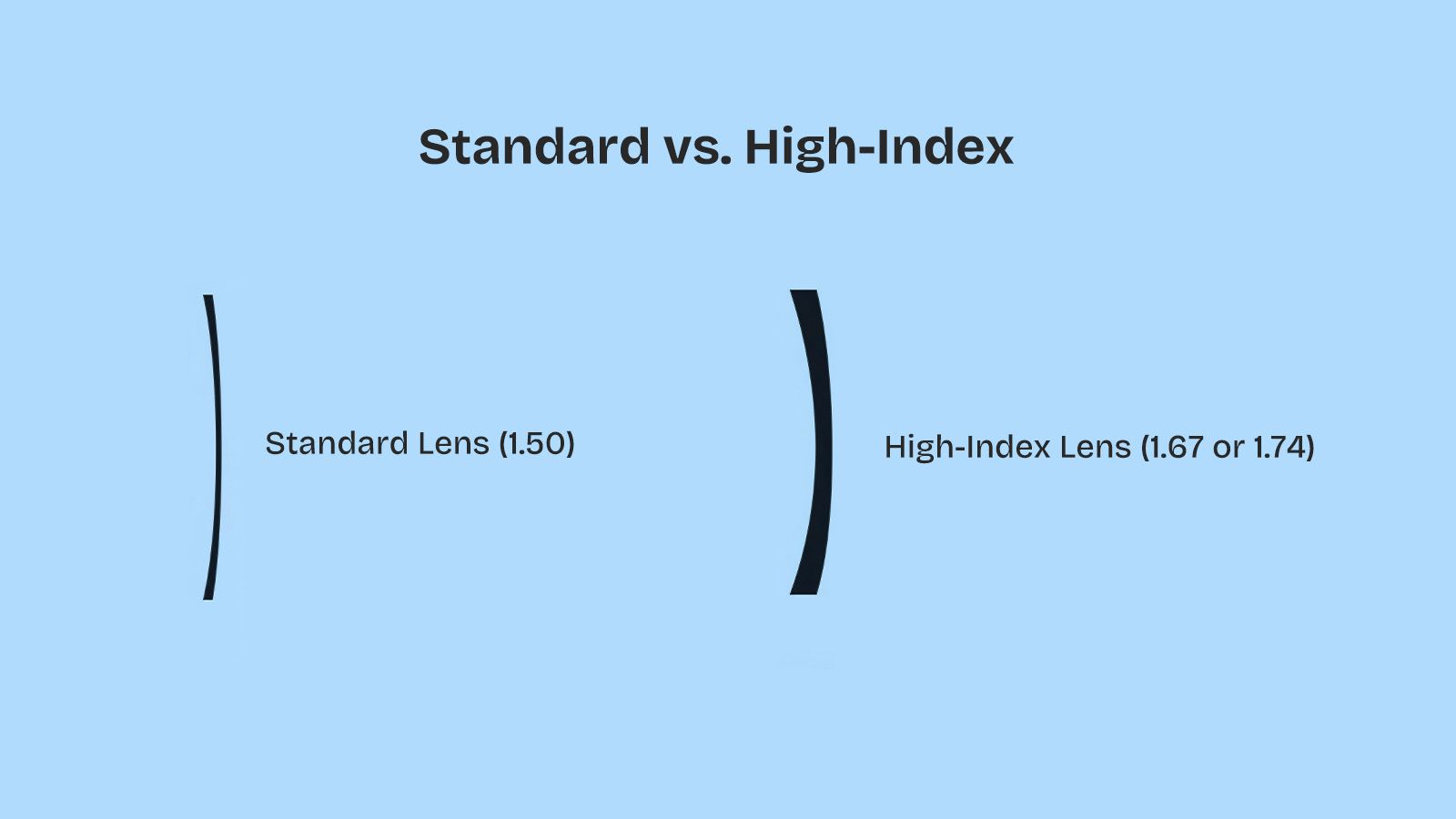
High-index lenses make a huge difference. Lenses with 1.61, 1.67, or 1.74 refractive indices are thinner and lighter than standard lenses. They reduce the “bug-eye” or “tiny eye” look and help balance the weight on both sides of the nose. For glasses for different prescriptions, high-index lenses are almost always worth it.
Tip 3: Frame Size
Big frames may look trendy, but they are not ideal for uneven vision. Larger frames require larger lenses, which means extra thickness. Smaller or medium frames allow labs to cut away the thick edges, making lenses lighter and cleaner.
Tip 4: Aspheric Lenses
Aspheric lenses are flatter and simpler than regular lenses. They look flatter and simpler. Because of this, the sides do not bend the image too much. You can see better from the corners of your eyes, not just the center. This really helps when both eyes have different powers, because vision feels more even and balanced.
Conclusion
Look, having a different prescription in each eye isn't a sign that something is wrong. They’re just unique.
You don't have to walk around with headaches or lopsided glasses. Technology has caught up.
That’s where ZEELOOL glasses website steps in. We know how to handle tricky prescriptions without compromising on style. Whether you need a simple fix or a complex correction, our high-index lenses paired with our premium acetate frames are the cheat code for perfect, balanced vision.
Don't let the numbers on the paper scare you.
Ready to find the perfect pair? Check out ZEELOOL’s New Arrivals and get the clarity you need with the style you actually want.
FAQ
Why do I have different prescriptions in each eye?
Genetics is the most common reason. Eye shape is mostly genetic, and it is perfectly normal for one eye to develop slightly differently from the other, just as it is normal to have feet that are slightly different sizes. Sometimes one eye is longer or shorter than the other. This can happen during childhood growth patterns and can change the way each eye focuses light. Older adults can develop cataracts or other age-related changes in one eye before the other, which may account for some prescription differences that didn’t exist before.
Is it normal to have a different prescription in each eye?
Yes, completely normal—optometrists see it daily. Having identical prescriptions in both eyes is actually less common than having some degree of difference. The condition is called anisometropia, and it ranges from a minor variation that causes no real problems to a more significant difference that needs careful correction. It doesn’t have to impact the quality of your vision or the appearance of your glasses as long as it is managed correctly with the appropriate lenses.
Is anisometropia dangerous if untreated?
In adults, if left untreated, anisometropia often causes permanent damage, but it can also cause ongoing headaches, eye strain, dizziness, and problems with depth perception. In children, however, it's more serious — if the brain consistently receives a blurry image from one eye, it can effectively "switch off" that eye to reduce confusion, leading to amblyopia (lazy eye), which becomes much harder to treat the longer it's left. Regular eye exams for kids are genuinely important for this reason.
What glasses are best for people with different prescriptions in each eye?
Full-rim frames in acetate or thick plastic are the most practical choice—the wide rims hide the edge thickness of the stronger lens, so the difference between the two lenses isn't visually obvious. High-index lenses (1.61, 1.67, or 1.74) are worth the investment here because they make both lenses thinner and lighter, which balances the weight across the nose and reduces the distortion effect that comes with a stronger prescription. Smaller or medium-sized frames also help, since they allow the lab to cut away more of the thick outer edges.
Can you wear glasses with two different prescriptions?
Yes, those are exactly what glasses for anisometropia are. Each lens is fitted to the prescription of that eye, so your lenses for your left and right eyes will be different powers. The adjustment period can be a bit strange at first, especially if the difference between the eyes is quite large, but most people get used to it in a few days as the brain learns to merge the two images. If the difference is large, your optometrist may suggest you gradually ease into the full correction, rather than jumping straight to the full prescription difference.