







Key Factors & Conclusion
A Common Condition: Bilateral myopia, or nearsightedness in both eyes, affects nearly 40% of adults worldwide and is often caused by genetics and lifestyle.
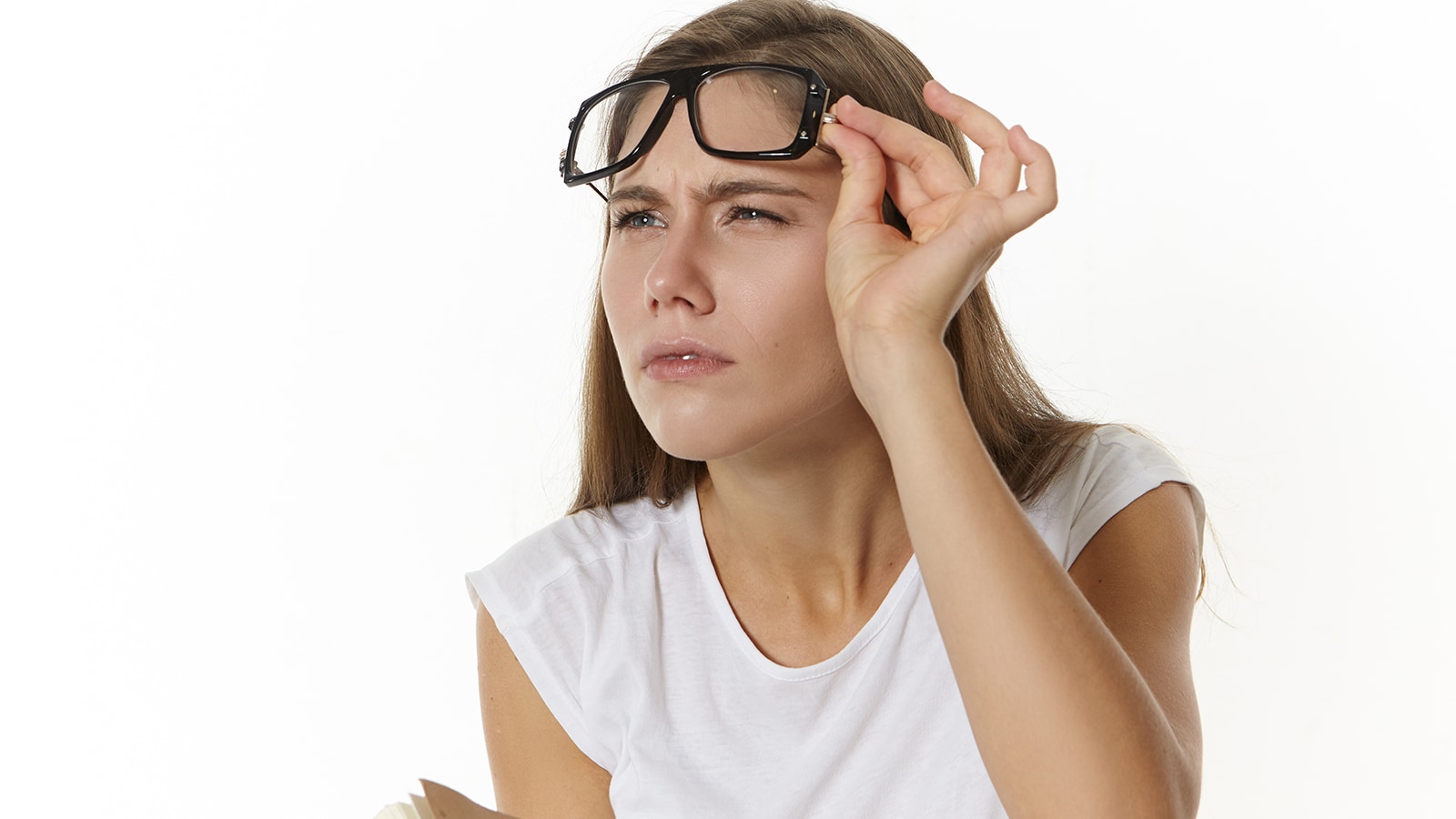
Symptoms to Know: Key signs include blurry far-away vision, squinting, eye strain, and headaches, which can affect daily activities like driving and schoolwork.
Prevention is Key: You can slow the progression of myopia with lifestyle changes, such as spending time outdoors, taking screen breaks, and getting regular eye exams.
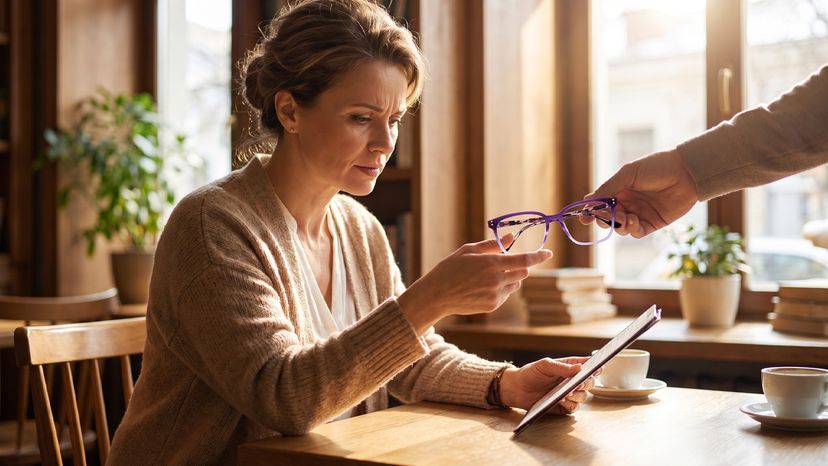
Imagine this scenario: You're driving home one evening. Something appears in the distance - maybe a street sign. Or is it? The shape looks so fuzzy that it could be a floating balloon or a plane in the distance. You try to focus. You squint. It doesn't help. But when you look at your phone, everything appears crystal clear.
This might be your first clue that you have bilateral myopia - a condition where both eyes have trouble seeing things far away.
Myopia affects more people than you might think. Approximately 40% of adults worldwide have some level of nearsightedness.
Here's what you need to know: This problem goes beyond just having trouble reading signs from far away. To protect your eyesight for years to come, you should understand what's going on with your vision. Let's explore this topic together in simple terms, without using complicated medical words.
What Is Bilateral Myopia?
Bilateral myopia happens when both your eyes struggle to see things far away. Here's the technical explanation: Light rays focus in front of your retina instead of right on it. This makes distant objects look blurry, while close-up items like your grocery list stay easy to read.
When it affects just one eye, it's called unilateral. When it involves both, it's bilateral. Think about things like driving, watching movies from the back rows, or trying to see scoreboards at sports games.
The International Journal of Ophthalmology(a) reports that bilateral myopia has an effect on about 2 billion people worldwide, with two-sided cases occurring most often. If left untreated, it can raise your risk for retinal detachment, glaucoma, and other eye-related problems.
Causes of Bilateral Myopia
These factors lead to bilateral myopia:
- Genetics: Having two parents with nearsightedness raises your chances. The American Academy of Ophthalmology indicates about a 50% likelihood.
- Lifestyle: Long periods of screen use, studying, and staying indoors play a role—a 2019 Ophthalmology study(b) found a connection between less time outdoors and a higher risk in children.
- Development: This condition often appears in childhood or teenage years when the eyes are still growing. This explains why prescriptions often change until early adulthood.
- Other Factors: Many health issues, like diabetes, and some medicines can change how well your eyes focus.
Symptoms of Bilateral Myopia
Blurry far-away vision is the main sign of bilateral myopia, but there are other signs to watch for.
- Squinting often to see things more clearly
- Eyes feel tired after reading or looking at screens for a long time.
- Getting headaches after focusing on something for a while
- Trouble seeing at night or in dim light
These symptoms can significantly impact daily life, from schoolwork to job performance to participating in sports. Think about a student who, even though they sit in the second row, still can't read what's written on the board.
If you notice any of these signs, you should make it a priority to book a complete eye check-up.
Diagnosing Bilateral Myopia
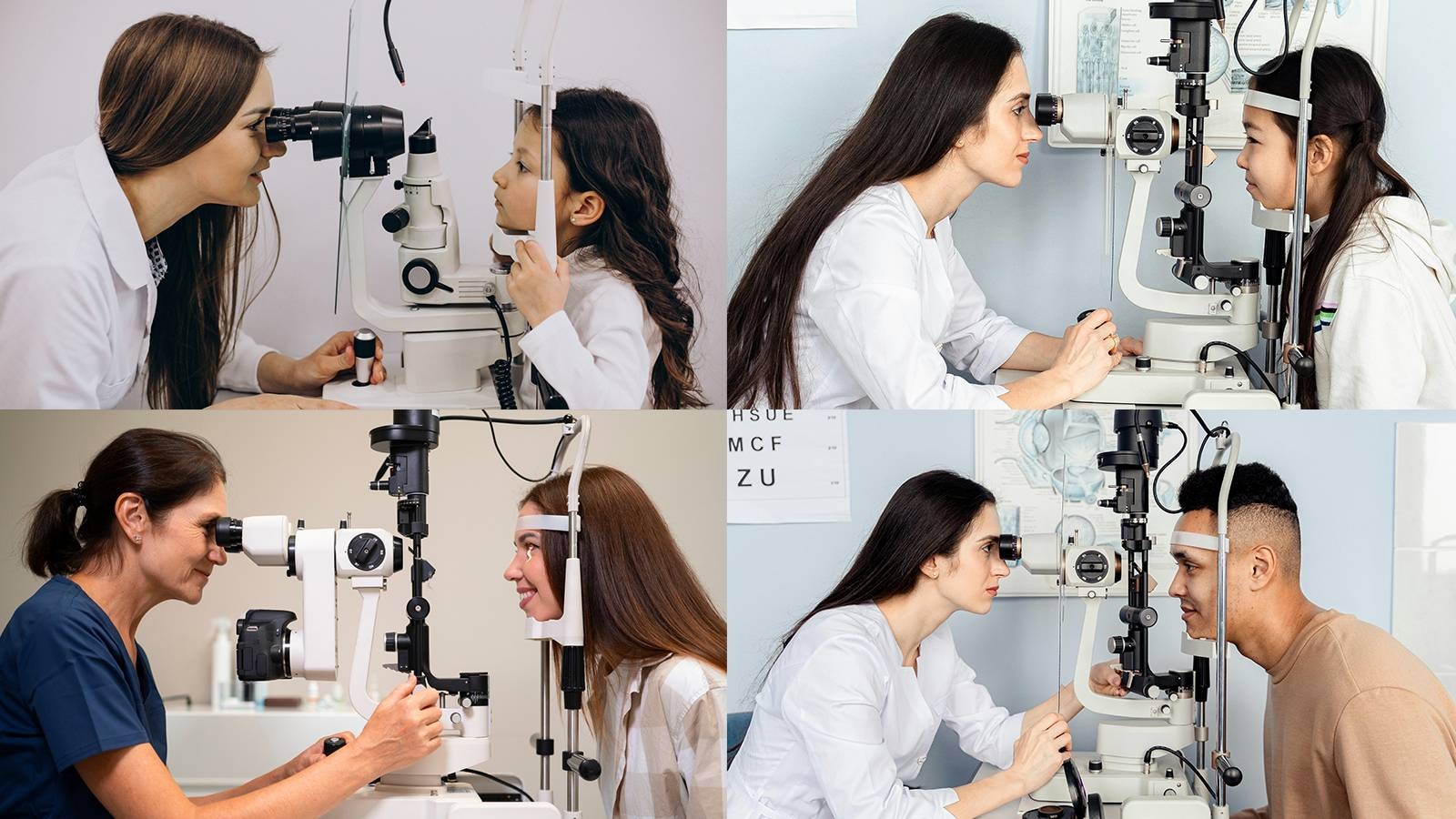
The diagnosis process is simple but thorough:
- Visual acuity test – This checks how well you can see at different distances using standard eye charts with letters.
- Refraction test – This is a step-by-step process to compare lenses using a special tool called a phoropter. The eye doctor fine-tunes your prescription by making many small changes.
- Retinoscopy – A test that uses directed light to check how your eye bends light.
Kids and teens need regular eye exams because their prescriptions can change fast as they grow.
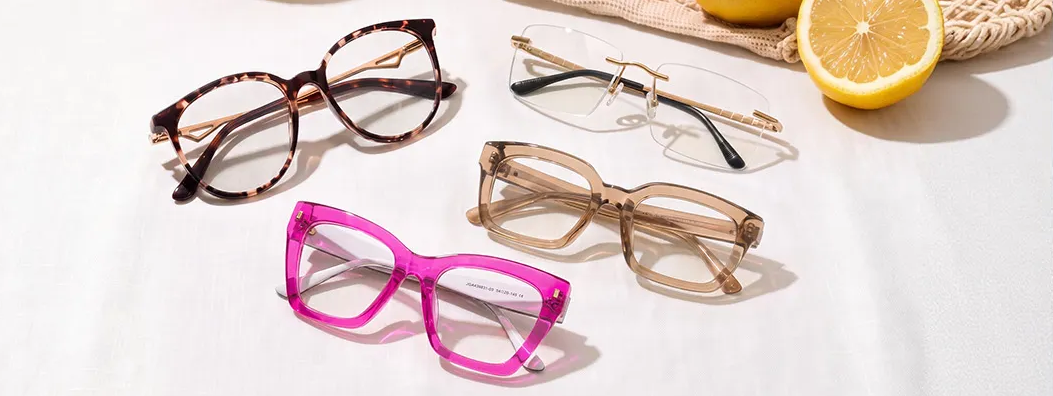
Here's something to consider: Getting your vision right begins with precise prescription measurements. ZEELOOL offers glasses that look good, feel comfy, and work well, making your eyesight and looks better.
Tips to Prevent Bilateral Myopia Progression
If your nearsightedness is getting worse in both eyes, try these proven methods to slow it down:
- Spend more time outdoors: Studies in the Acta Ophthalmologica(c) show that spending 1-2 hours outside each day can help control its progress.
- Try the 20-20-20 method: Take breaks often. Look at things 20 feet away for 20 seconds every 20 minutes.
- Eat foods good for your eyes: Choose carrots, leafy greens, fish with omega-3s, and foods high in vitamin A.
- Get your eyes checked: This helps catch vision changes so you can deal with them.
Conclusion
Bilateral myopia is common, but you can stop it from getting worse if you take action. Your genes play a role, but your daily habits have a big impact on how it develops. Make sure to spend time outside, watch your screen time, eat well, and see your eye doctor.
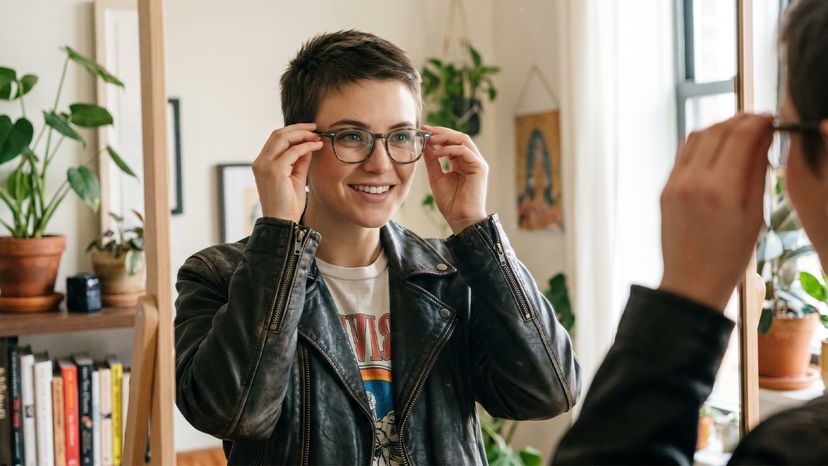
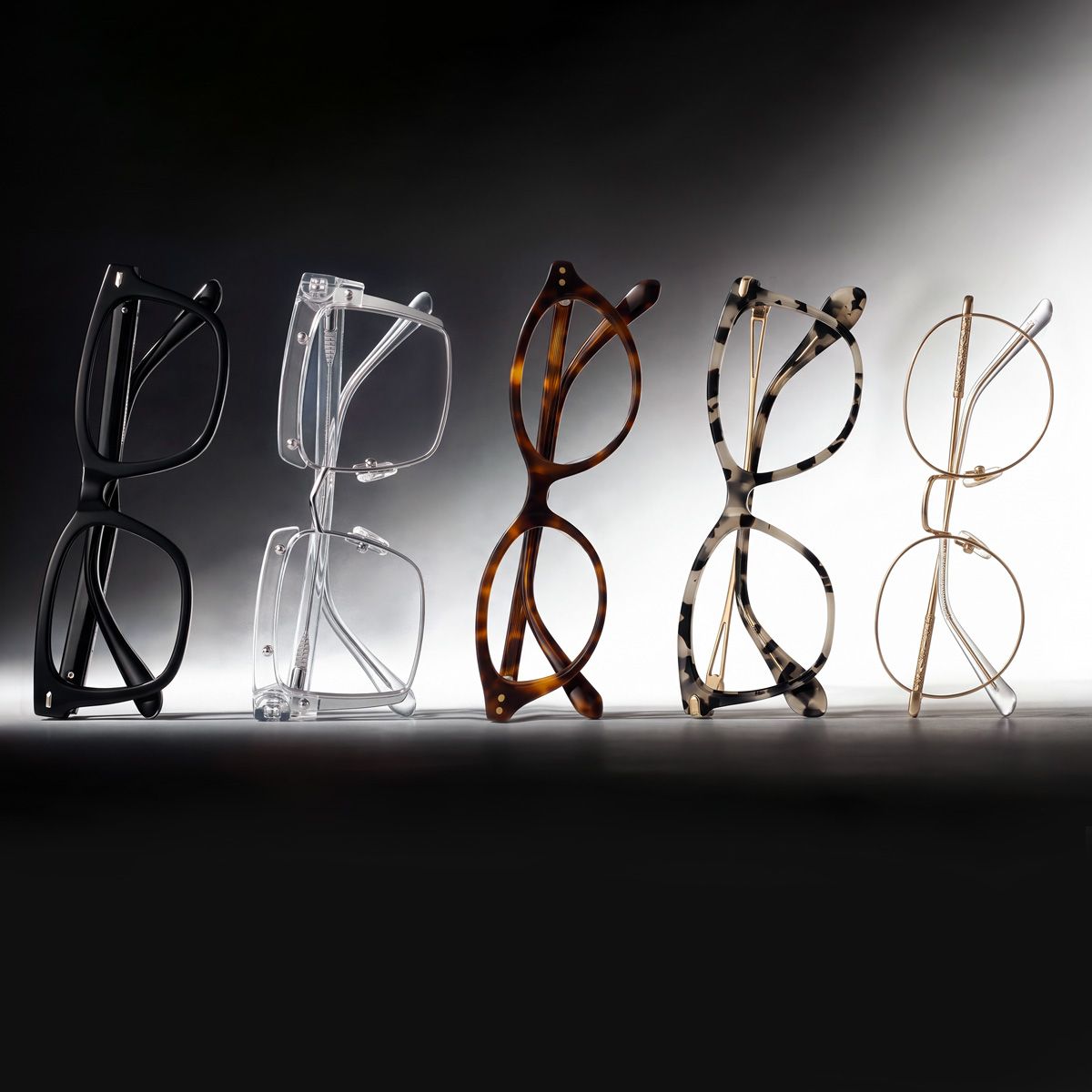
When picking out glasses, focus on what feels good, how well you can see, and what looks nice on you. ZEELOOL has a wide range of frame styles to match your preferences, ensuring you can see clearly.
Remember, good vision isn’t just about seeing clearly today; it helps you enjoy everything you’ll see in the years ahead.
FAQ
What does bilateral mean in eye disease?
"Bilateral" means both eyes. It is not one eye (Unilateral) For myopia, bilateral means both eyes are myopic, not one. Most myopia is bilateral, which is why prescriptions are written for each eye separately. Even when both eyes are nearsighted, they can be nearsighted to different degrees.
What causes bilateral myopia?
The two biggest contributors are genetics and lifestyle. If both parents are nearsighted, the American Academy of Ophthalmology puts the likelihood of developing myopia at around 50%. On the lifestyle side, extended close-up work — screens, reading, studying — and limited time outdoors are consistently linked to higher myopia rates in children. Research published in Ophthalmology found a direct connection between less outdoor time and increased myopia risk, which is why spending 1–2 hours outside daily is one of the most evidence-backed ways to slow its progression.
What are the symptoms of bilateral myopia?
The main symptom is blurred distance vision in both eyes—road signs, whiteboards, faces, etc., are hard to see, and close objects are clear. Other common symptoms are frequent squinting, eye strain after screen use or reading, headaches after focusing for long periods of time and difficulty seeing in low light. In children, it often shows up as sitting closer to the TV, struggling to read the board at school, or rubbing their eyes frequently.
Can bilateral myopia be prevented or slowed down?
It can't always be prevented — genetics play a significant role — but progression can be meaningfully slowed with consistent habits. Spending at least one to two hours outdoors daily is one of the most well-supported interventions, as natural light appears to influence healthy eye development. The 20-20-20 rule (every 20 minutes, look 20 feet away for 20 seconds), a diet rich in vitamin A and omega-3s, and regular eye exams to catch changes early all help keep progression at bay.
References:
(a) International Journal of Ophthalmology: https://pmc.ncbi.nlm.nih.gov/articles/PMC3340784/
(b) 2019 Ophthalmology: https://onlinelibrary.wiley.com/doi/10.1111/opo.12945
(c) Acta Ophthalmologica: https://onlinelibrary.wiley.com/doi/10.1111/aos.13403