









Key Factors and Conclusion
Relieve digital eye strain by pausing every 20 minutes to look 20 feet away for 20 seconds.
Looking into the distance relaxes ciliary muscles to "optical infinity" and encourages rehydrating blinks.
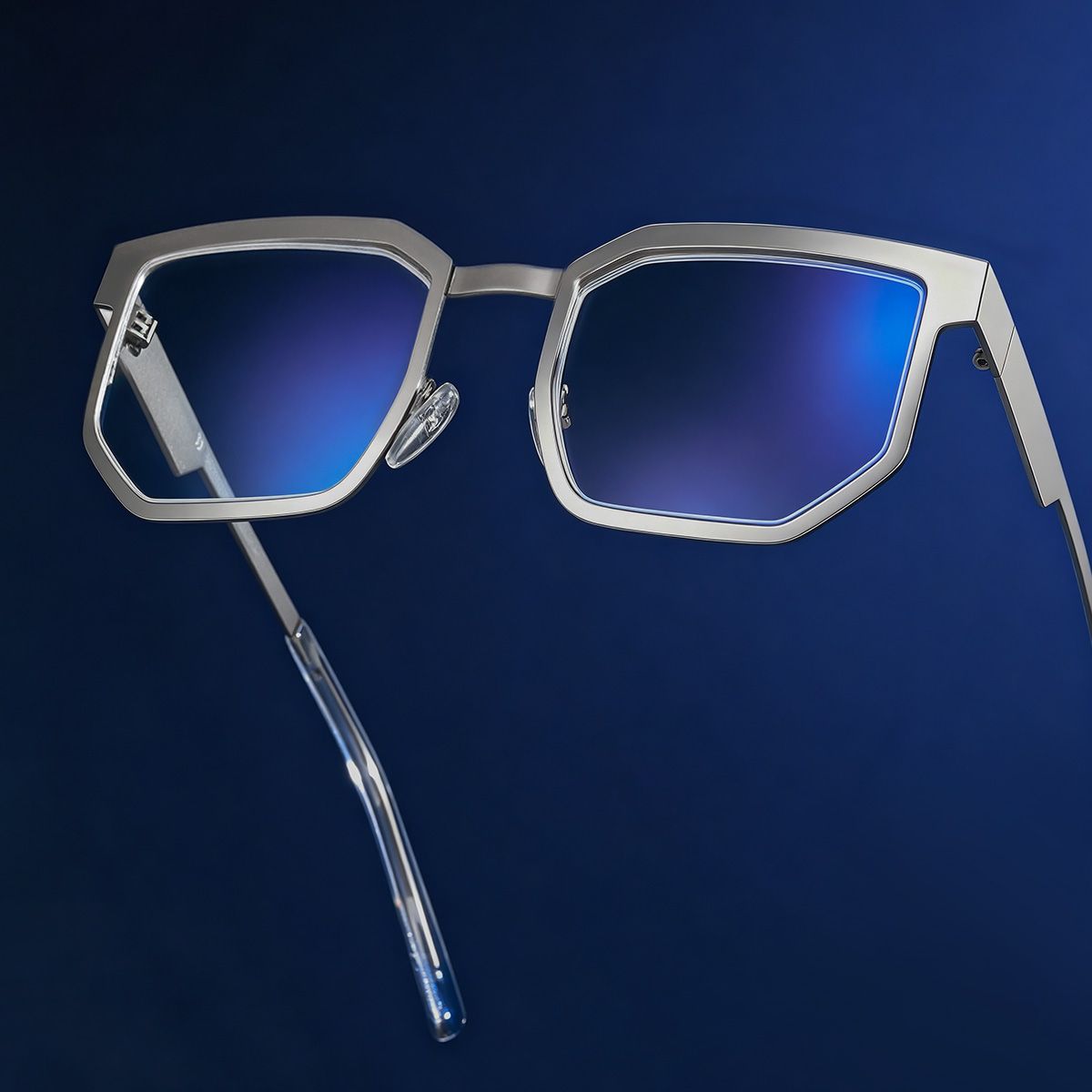
Combine the 20-20-20 habit with ZEELOOL blue-light-blocking glasses for comprehensive eye protection.
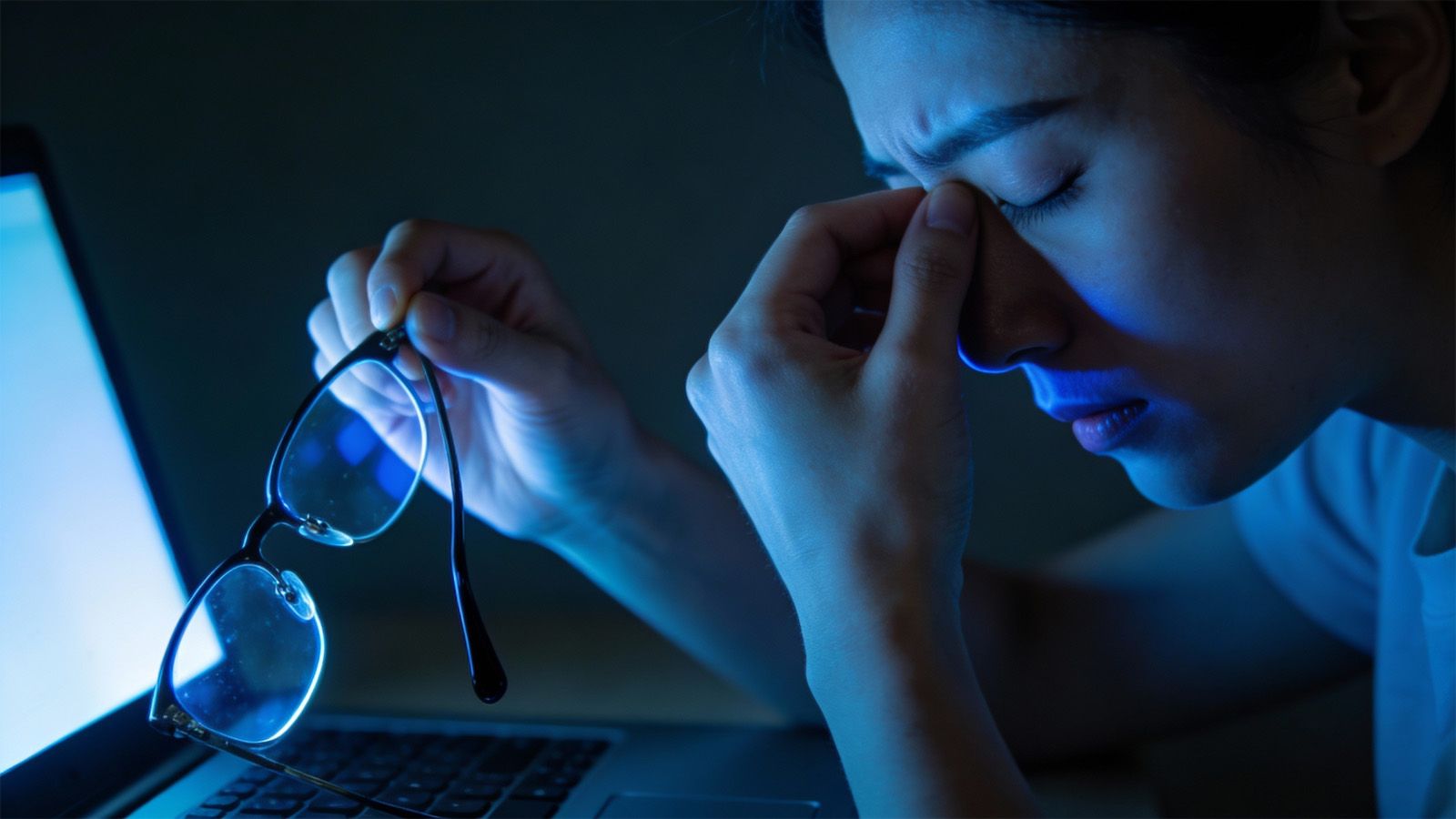
You know the feeling. It is around 5 PM, your workday is technically over, but your eyes feel like they have been working overtime. They are dry, slightly blurry, heavy, and maybe even burning. Gamers call it screen fatigue. Office workers call it “5 PM eyes.” Doctors call it Computer Vision Syndrome, also known as digital eye strain.
Our eyes simply were not built to stare at a glowing rectangle from arm’s length for hours on end. Between emails, spreadsheets, online classes, and endless scrolling, our visual system rarely gets a real break.
That is where the 20-20-20 rule comes in. It is one of the most widely recommended techniques by optometrists because it is free, simple, and surprisingly effective. In this guide, we will break down exactly how the rule works, why it helps from a scientific perspective, and what extra tools, like glasses, you may need for full digital eye strain relief.
What Exactly is the 20-20-20 Rule?
The 20-20-20 rule is easy to remember and even easier to use. It was coined by optometrist Dr. Jeffrey Anshel to help people interrupt long periods of close-up screen focus.
Here is the rule, broken down into its three parts:
- Every 20 minutes: Take a brief pause from your screen
- Look 20 feet away: Shift your focus to something in the distance
- For 20 seconds: Give your eye muscles time to relax
That is it. No special equipment. No complicated exercises. Just a short reset for your eyes throughout the day.
It's important to note that this isn't a quick fix, but a simple and effective way to reduce strain. The rule works because it breaks the cycle of constant muscle contraction caused by staring at screens up close.

The Science: Why Your Eyes Need This Break
When you look at your phone or computer, little muscles in your eyes work. They help you see things clearly. The problem is not the work. The problem is that they do not get to rest. The problem is holding that contraction for hours without rest.
Think of it like holding a dumbbell in a bicep curl. You can do it for a short time, but if you try to hold it all day, your arm will shake, ache, and eventually give out. Your eyes behave the same way.
Looking 20 feet away lets your eyes relax into what eye doctors refer to as "optical infinity." At that distance, the focusing muscles can fully loosen instead of staying clenched.
There is another factor at play, too: blinking. Studies show that when people stare at screens, their blink rate drops dramatically, often by as much as 60 per cent. Fewer blinks mean drier eyes. That 20-second break encourages conscious blinking, helping to re-hydrate your eyes and reduce irritation.
How to Make the 20-20-20 Rule a Habit
Knowing the rules is easy, the hard part is remembering to do it. When you are deep into work or gaming, 20 minutes disappear fast.
One of the easiest solutions is to use reminders. Free apps like Stretchly or Eye Care 20 20 20 can remind you to take breaks. Even a simple phone timer works if you prefer something basic.
If possible, try the window method. Set up your workspace near a window so you can look outside during your breaks. Trees, buildings, or even the sky give you an instant target that is far enough away without thinking about distance.
Another surprisingly effective trick is the water bottle method. Keeping a bottle at your desk and sipping often forces natural breaks. It helps with hydration and dry eyes at the same time.
You do not need to measure exact distances. “Across the room,” “down the hallway,” or “that tree outside” is close enough. While you are taking the break, do a quick posture check too. Are your shoulders creeping up? Are you leaning forward? For more on setting up your workspace, read our guide on Which Screen Mode is Best for Eyes.

Why the Rule Isn't Enough: The Blue Light Factor
The 20-20-20 rule does a great job of reducing muscle fatigue, but it does not block high-energy visible blue light coming from screens. Blue light does not just contribute to eye discomfort. It can also interfere with sleep patterns and increase visual stress over time.
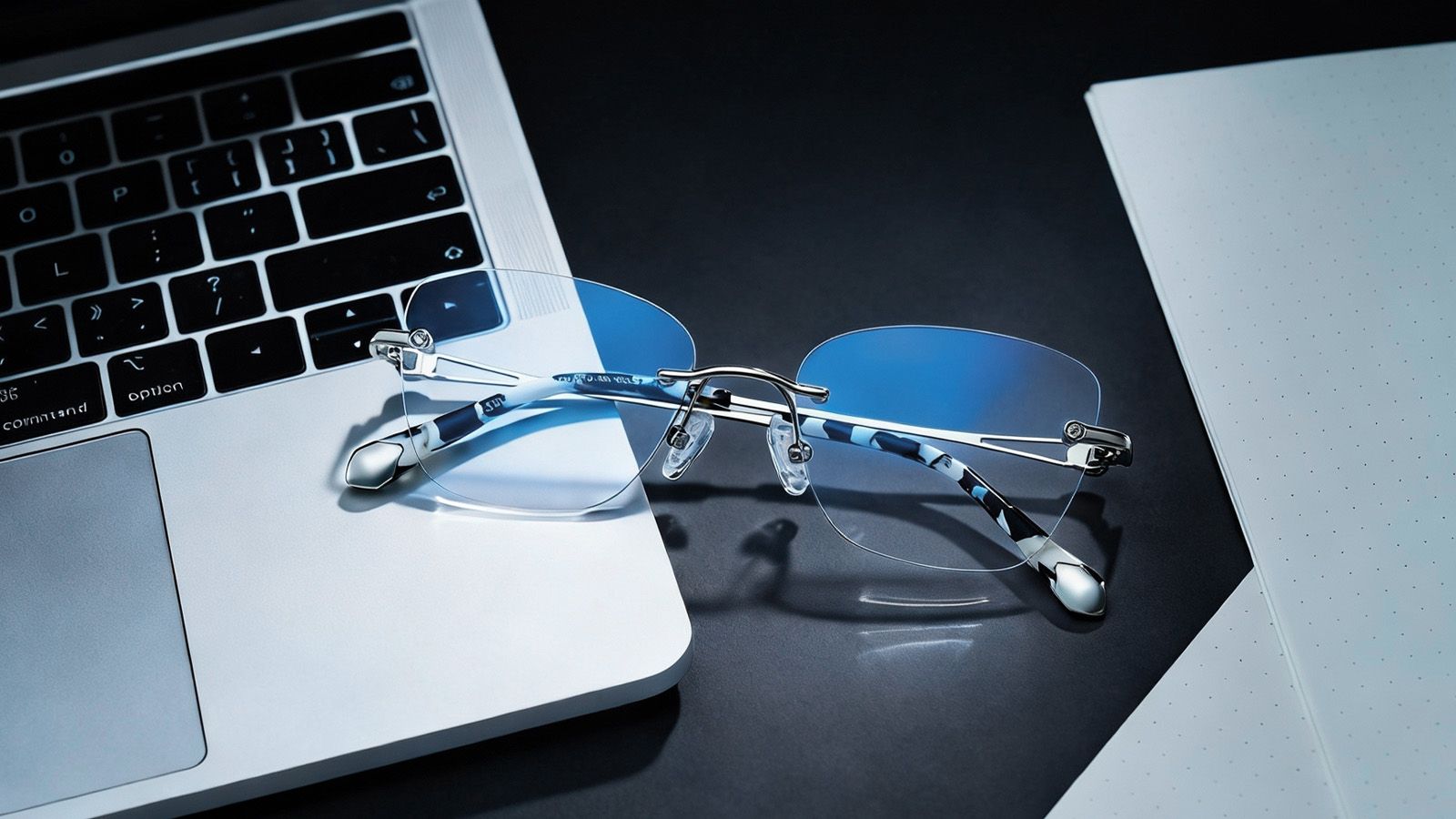
Blue-light blocking glasses work perfectly alongside the rule. One addresses muscle strain. The other manages light exposure.
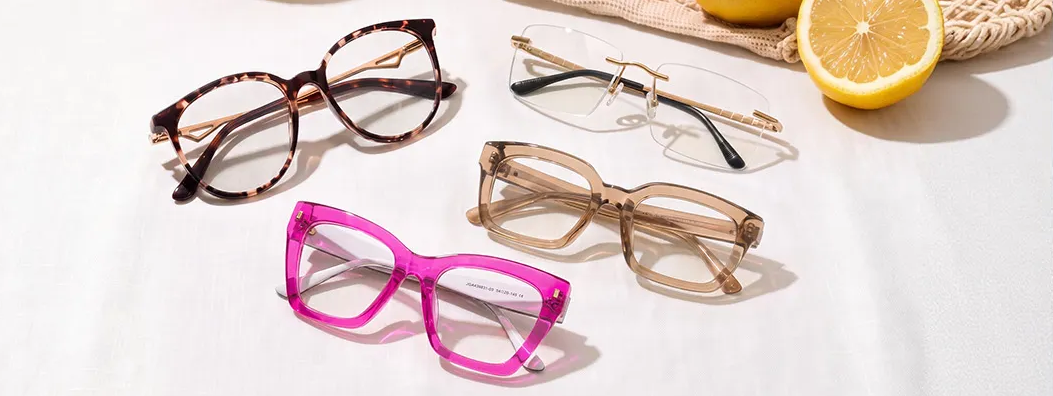
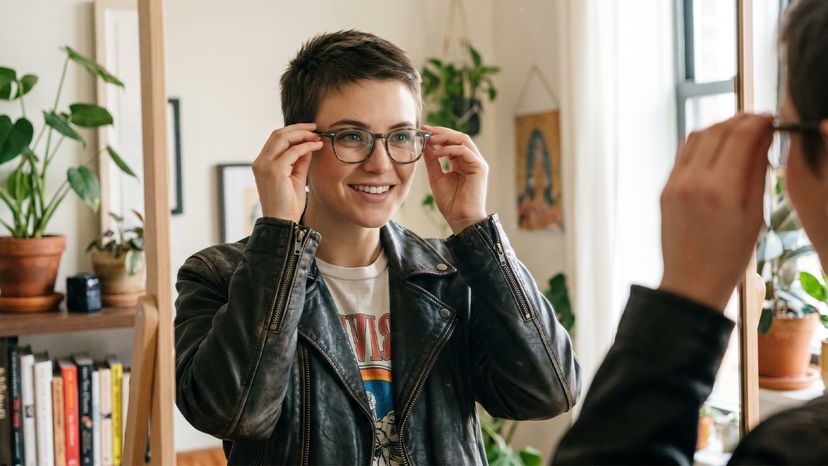
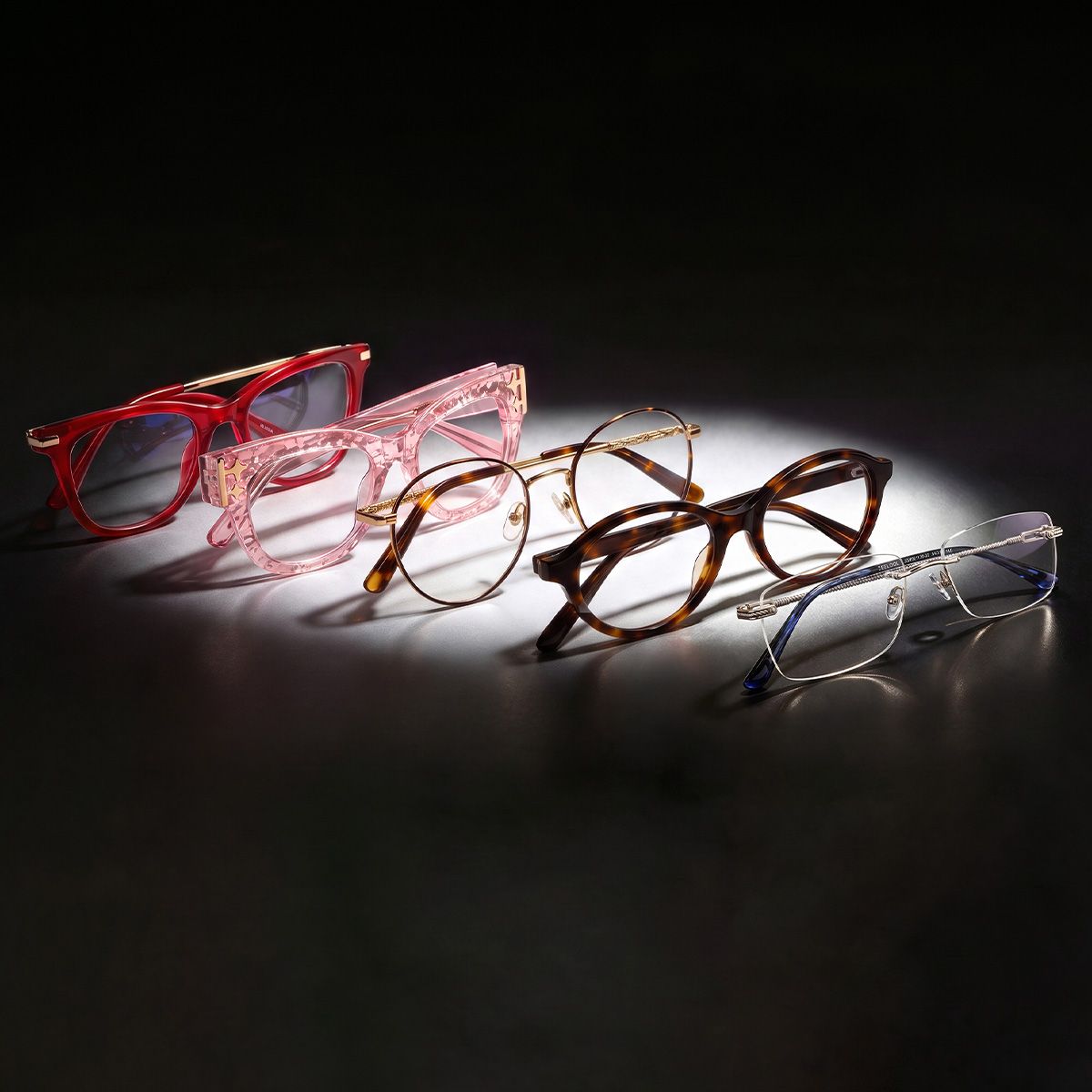
ZEELOOL offers blue-light-blocking lenses in a variety of styles to match your needs and preferences. A lightweight metal frame is ideal for long workdays when comfort matters most. A bold acetate frame works well if you want eye protection that also makes a style statement. For those who prefer something minimal, slim transparent frames blend easily into any look.
All of these options are available with or without a prescription, making it easy to protect your eyes whether you need vision correction or not.
Conclusion
Healthy eyes are not about one single fix. They are built through small, consistent habits and smart choices. The 20-20-20 rule helps reduce eye fatigue by giving your eyes regular breaks. Blue-light-blocking glasses provide an additional layer of protection against screen use.
Together, they create a realistic, sustainable way to protect your vision long term. Do not wait until your head hurts or your eyes burn. Set your timer now, and browse ZEELOOL’s latest collection to protect your eyes in style.