








Key Factors and Conclusion
High blood sugar damages retinal blood vessels, causing diabetic retinopathy.
Early symptoms include floaters, blurry vision, or dark spots.
Annual dilated eye exams are crucial for early detection and prevention.

Did you know that diabetes can hurt your eyes? Many adults with diabetes worry about losing their vision. It can sound scary, but there's good news. Most vision problems from diabetes can be prevented if you find them early.
High blood sugar does more than make you tired or thirsty. It slowly damages tiny blood vessels in your eyes. Over time, this can lead to something called diabetic retinopathy. Sometimes, you might not notice anything at all. And that is why regular eye exams are super important.
One morning, Maria noticed a tiny dot floating in her vision while she was reading a book. She thought it was nothing. That small sign can sometimes be an early warning of diabetic eye disease. Small things like this can be a warning. Early detection really can save your sight.
In this article, we will discuss diabetic retinopathy. We will explain why regular eye screening matters. We will also cover treatments and how to handle vision changes in everyday life. By the end, you will understand why looking after your eyes is so important if you have diabetes.
The Science: How Diabetes Affects the Eyes
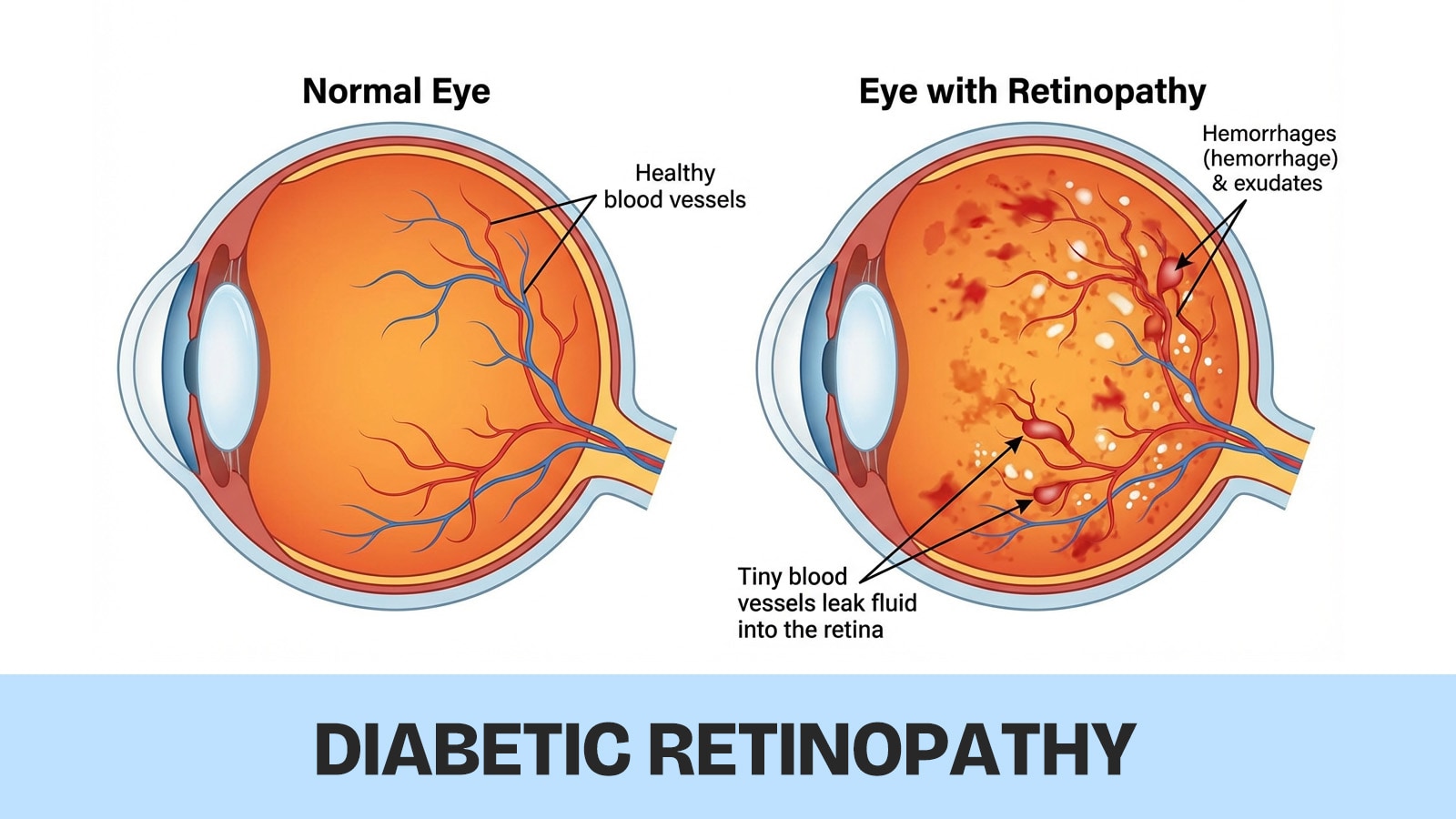
Think of sugar in your blood like little troublemakers. Excessive sugar slowly damages tiny blood vessels in the retina. The retina is the part of your eye that senses light. When these vessels get weak, they can swell or leak fluid. This can sometimes make your vision blurry.
At other times, the vessels can become blocked. Later, the eye tries to grow new blood vessels. However, these new vessels are fragile and prone to bleeding. If that happens, it can cause serious vision problems.
This isn't just about needing a stronger prescription for glasses. This is a real health problem inside your eye. Glasses alone cannot fix it. That is why early checks and care are very important.
Sometimes, people notice their vision gets blurry for a short time. One day, it is clear. The next day, it is fuzzy. This is because fluctuations in blood sugar can cause the lens to swell. You know, the lens inside your eye can temporarily change shape. This is common for people with diabetes, but it underscores why regular eye exams are important.
What is Diabetic Retinopathy? Stages & Symptoms
Diabetic retinopathy has two main stages:
- Early stage (Non-Proliferative / NPDR): Many people feel nothing. Your eyes might seem fine.
- Advanced stage (Proliferative/PDR): The eye forms new, fragile blood vessels. They can bleed and harm your vision.
Common warning signs include:
- Floaters – little dots or strings moving in your vision
- Blurred or changing vision
- Trouble seeing colors correctly
- Dark spots or empty areas in vision
- Vision loss
Remember, early on, you might see nothing at all. Waiting until symptoms appear can make treatment more difficult.
One day, John noticed a few small floaters while working at his desk. He ignored them because they went away quickly. However, he later realized it was an early sign. Telling your eye doctor about even tiny changes is essential.
The Best Defense: Comprehensive Screening
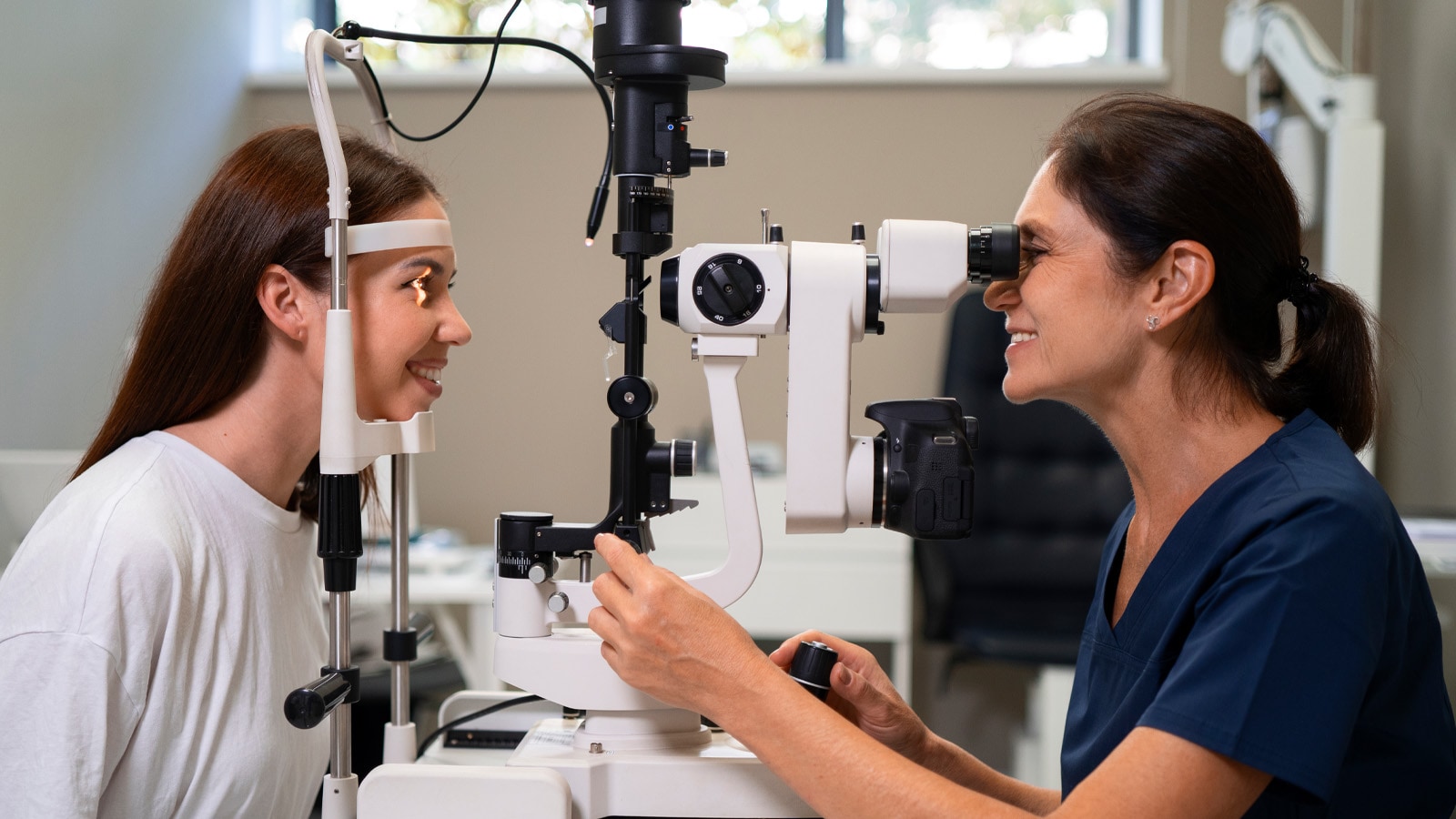
A standard vision test mainly checks whether you need glasses. It cannot see the back of your eye. That is why people with diabetes need a Comprehensive Dilated Eye Exam.
The doctor applies drops in your eyes to dilate your pupils. Sometimes, they use an OCT scan. It measures the retina and finds fluid you cannot see.
Doctors recommend:
- Type 1 diabetes: First exam 5 years after diagnosis
- Type 2 diabetes: First exam immediately
After that, every year, or as the doctor says
Some people worry about the drops. They can blur your vision for a few hours. But this is normal. It is a small price to pay to catch problems before they damage your sight.
One patient, Lila, said her vision was blurry for the first time after drops. She was worried. But the doctor explained it was normal. And it helped them see everything in her eyes clearly.
Medical Treatment Options for Diabetic Retinopathy
Treatment depends on the severity of the eye injury. Only an ophthalmologist can determine the best course of treatment for diabetic macular edema.
Some treatments are:
- Injections (Anti-VEGF): Stop weak blood vessels from growing and reduce swelling
- Laser treatment (Photocoagulation): Seals leaking vessels or shrinks abnormal ones
- Vitrectomy: Surgery to remove blood or scar tissue in severe cases
- Early treatment is best: Delaying treatment can cause permanent vision loss.
It's normal to feel nervous about injections or laser treatment. But most treatments are quick and done in the office. It might feel strange at first. But it is much safer than losing your vision.
Managing Vision Fluctuations & Eyewear
High blood sugar can make the lens in your eye swell. This changes shape and can make your vision blurry. When sugar drops, your lens returns to normal.
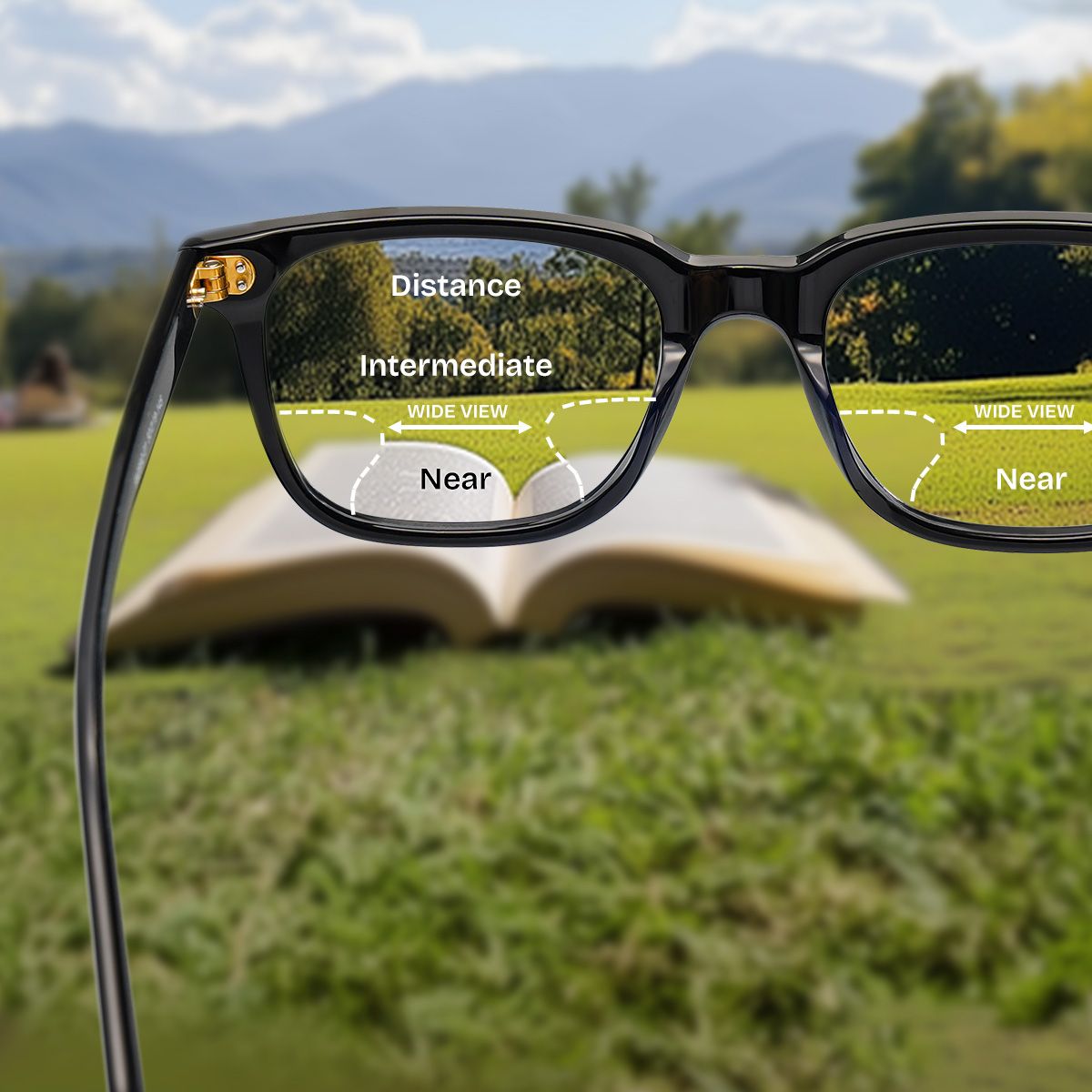
Because of this, it is not advisable to buy new glasses while your blood sugar is unstable. Patients typically need to update their eyeglass prescriptions regularly to accommodate vision changes.
For people with diabetes, prescriptions can change more often than usual. That is why affordable, stylish eyewear is essential. ZEELOOL helps you get new lenses or frames without overspending. This way, your eyes are protected, and you can still look good.
Sometimes, people get frustrated that their glasses keep changing. But knowing that it is normal can help you stay calm. Having affordable backup frames or easy-to-update lenses can be a smart option.
Conclusion
For people with diabetes, eye health is about three things: Control, Screen, and Treat. Control your blood sugar and blood pressure. Get your dilated eye exam every year. Treat problems early if needed.
Vision loss is not automatic. If you act early, you can protect your sight. Schedule your eye exam today. Once your doctor confirms your vision is stable and gives a new prescription, visit ZEELOOL to find the perfect frames for your updated needs. Take care of your eyes and stay stylish, too.