









When getting new glasses, understanding your prescription is crucial. It might look like a mix of letters and numbers, but each part has a specific meaning that ensures you get the correct lenses for your vision needs. Let’s break it down and explore how to interpret and choose the perfect prescription for your glasses.
How to Read a Prescription for Glasses?
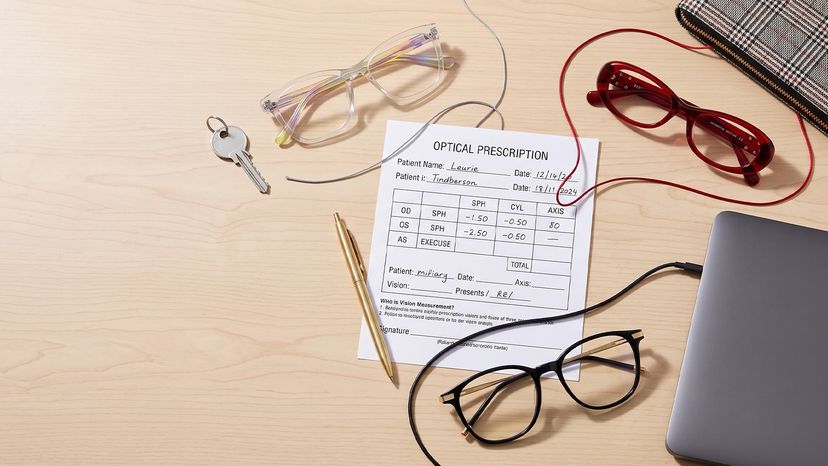
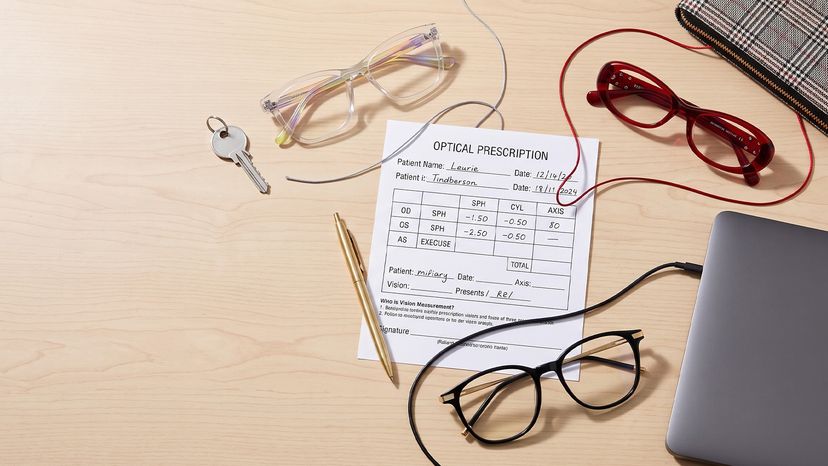
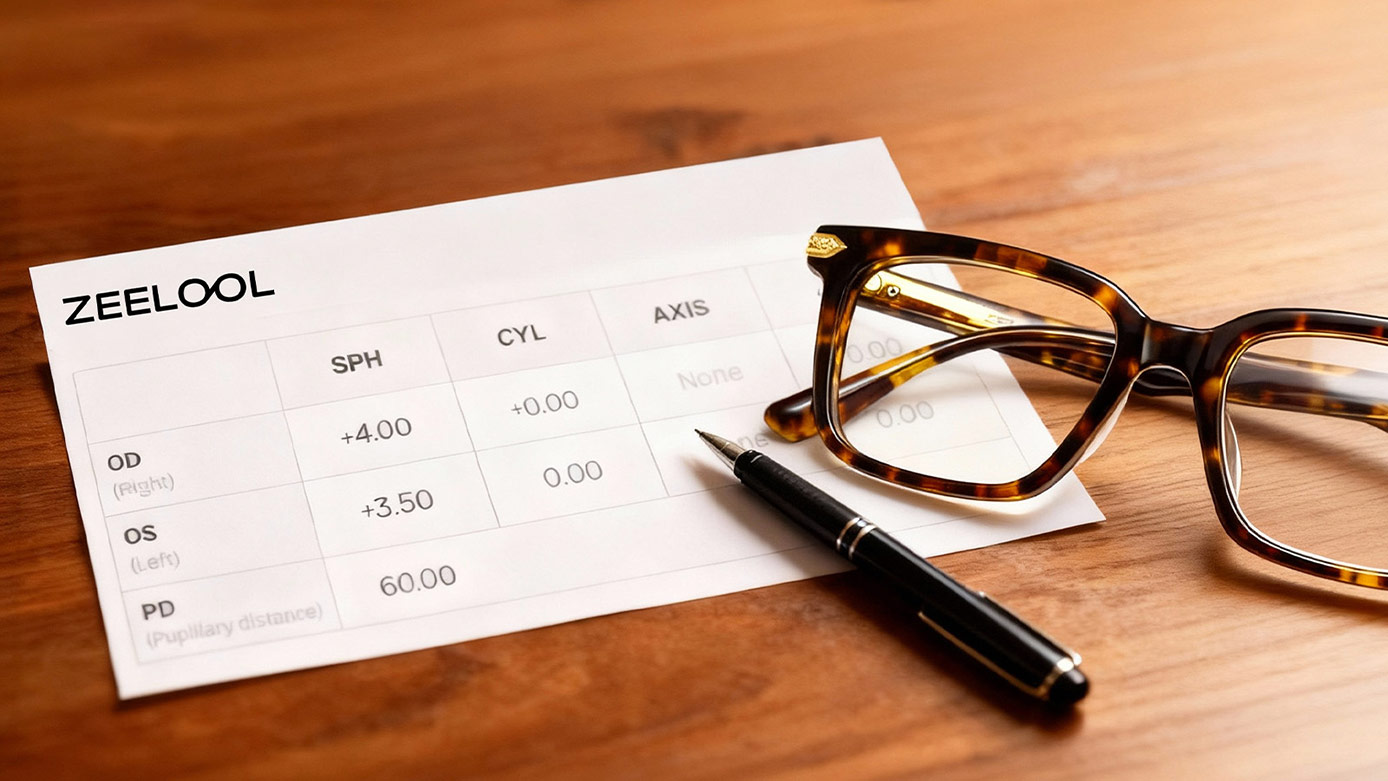
Glasses prescriptions typically include terms like OD, OS, sphere, cylinder, and axis. Here’s what they mean:
| ZEELOOL | |
| How to Read a Prescription for glasses | |
| OD & OS | OD (oculus dexter) refers to the right eye, while OS (oculus sinister) refers to the left eye. |
| Sphere (SPH) | Indicates the lens power needed to correct nearsightedness (-) or farsightedness (+). |
| Cylinder (CYL) | Refers to the lens power needed to correct astigmatism, if present. |
| Axis | Specifies the orientation of astigmatism correction in degrees (0 to 180). |
| ADD | Additional magnifying power for bifocal or progressive lenses, often for reading. |
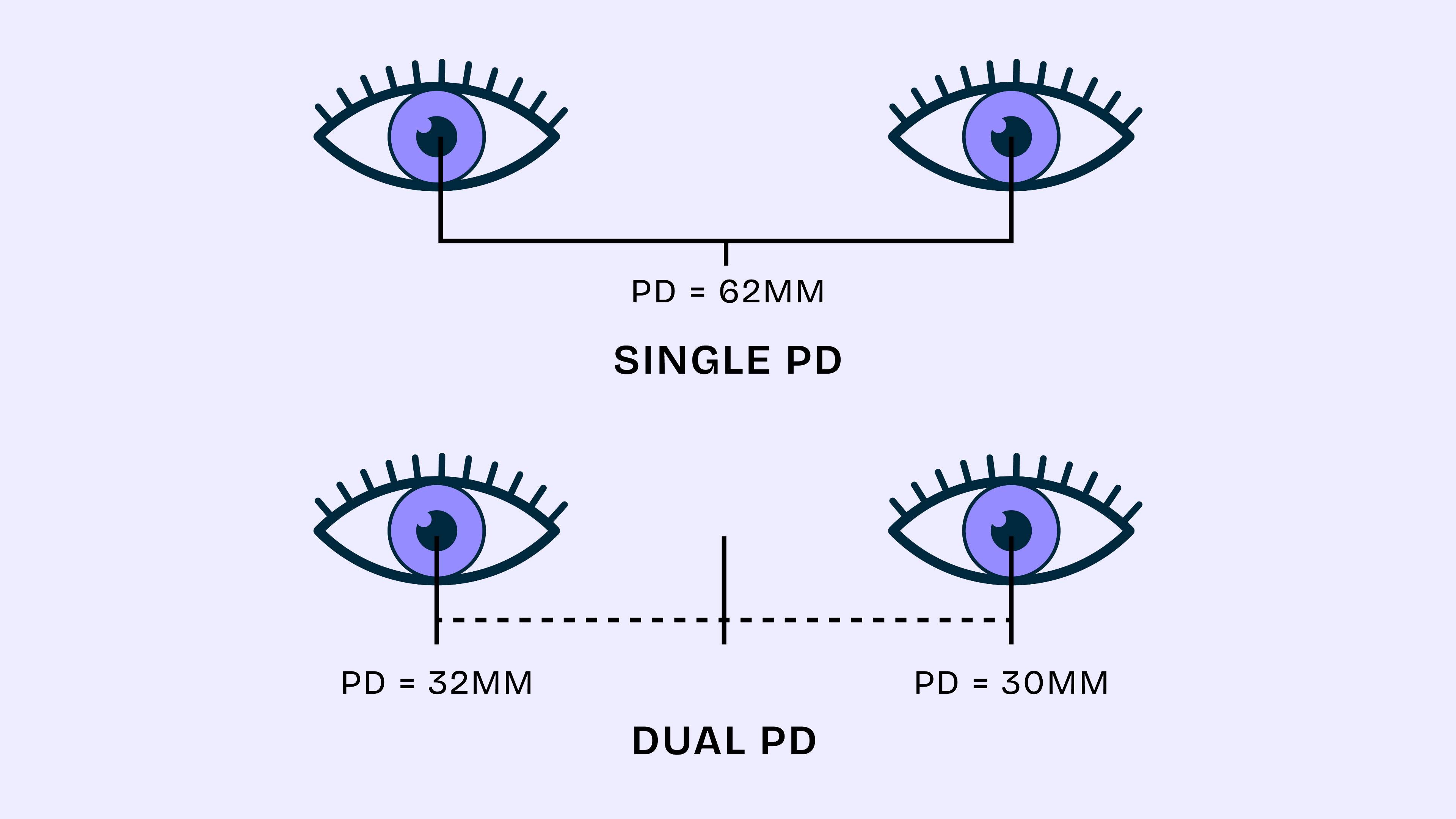
| PD (Pupillary Distance) | Measures the distance between your pupils, ensuring the lenses align with your eyes. |
For example, if your prescription says the following:
OD: -2.50 SPH, -0.75 CYL, Axis 90
This means your right eye needs correction for nearsightedness, with a slight adjustment for astigmatism along the 90-degree axis.
More information: How to fill out the prescription?
How to Choose the Right Prescription for Glasses?
Now that you’ve decoded your prescription, here’s how to choose glasses that meet your vision and lifestyle needs:
Understand Your Vision Needs
When selecting glasses, it’s essential to match your lenses to your specific vision requirements.
Single Vision Lenses
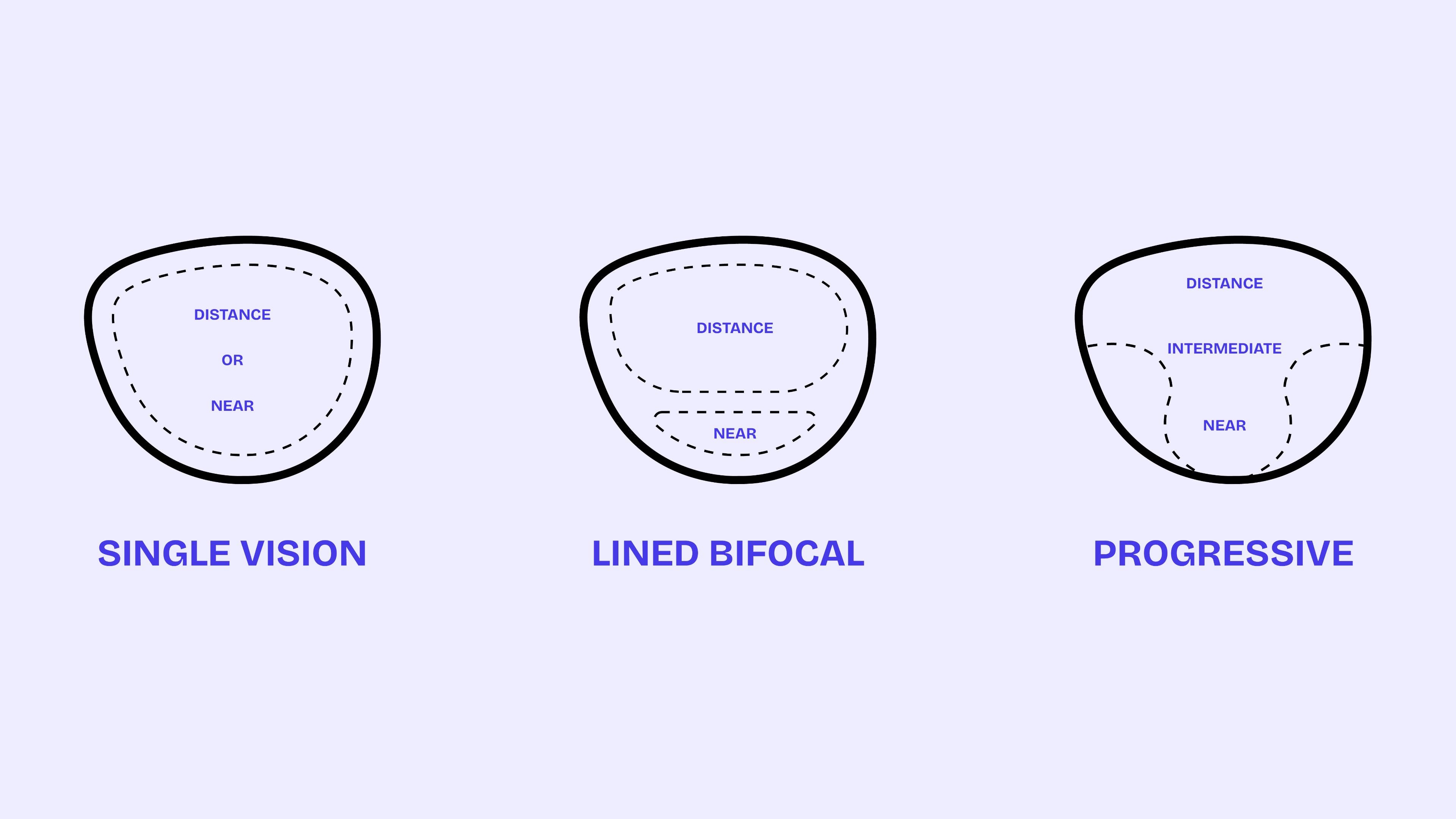
These are the most common type of lenses, designed to correct a single vision problem, like nearsightedness, farsightedness, or astigmatism. They’re perfect if you only need one type of correction for everyday tasks.
Multifocal Lenses
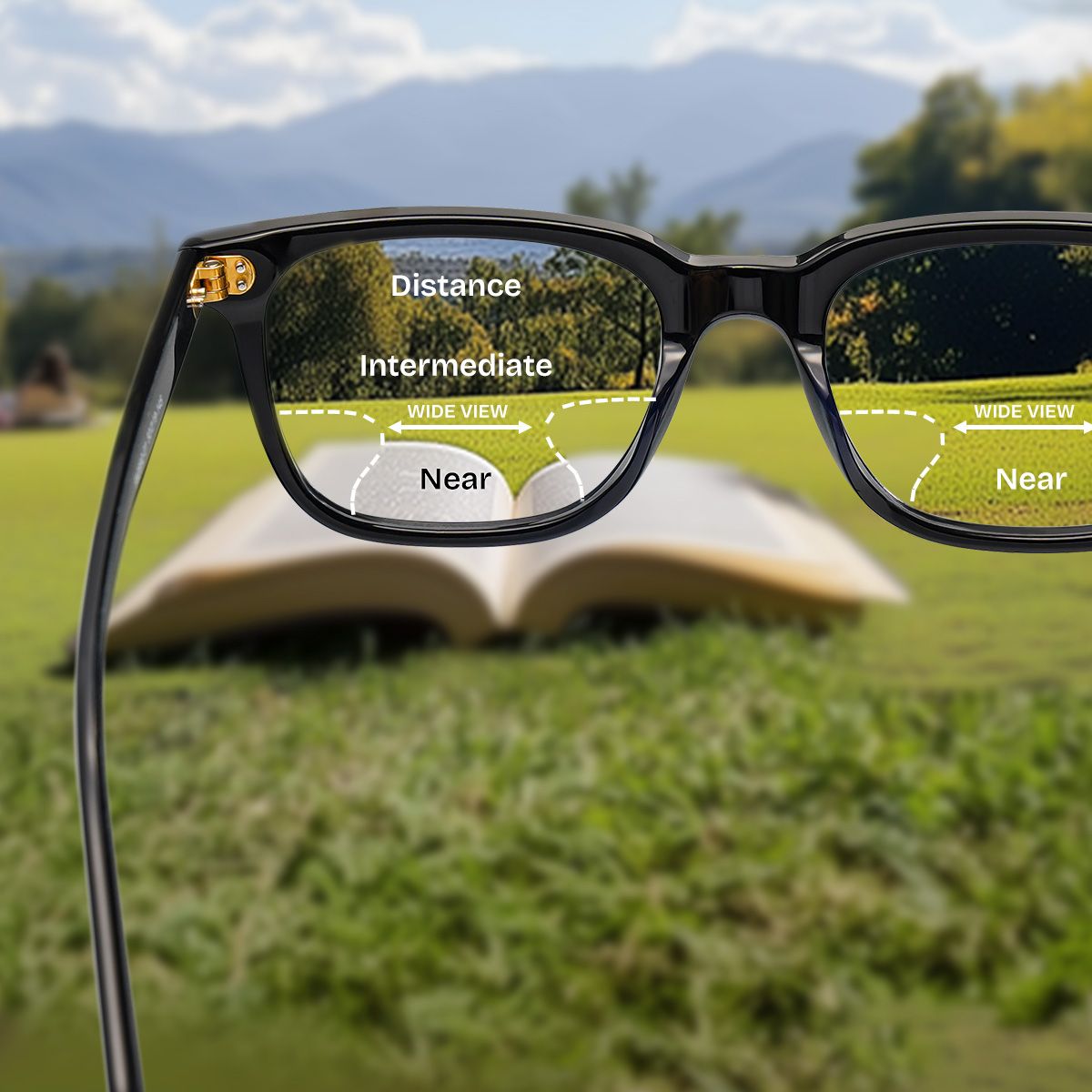
These include bifocals, trifocals, or progressives and are ideal for individuals who require different corrections for distance and near vision. For instance, progressives offer a smooth transition between multiple prescriptions, providing clear vision at all distances without visible lens lines.
Blue Light Blocking Lenses
Spending long hours on digital screens? Blue light-blocking lenses reduce digital eye strain by filtering harmful blue light, helping prevent headaches and sleep disruptions. They’re an excellent choice for professionals, gamers, or students.
Consider Your Lifestyle
Your daily activities and environment significantly influence the lenses you choose.
- Everyday Wear: Opt for lightweight, scratch-resistant lenses to ensure comfort and durability throughout the day.
- Outdoor Activities: Photochromic lenses that adjust to light conditions or prescription sunglasses offer protection from harmful UV rays and glare, making them ideal for sunny days.
- Sports and Physical Activities: For active lifestyles, polycarbonate lenses are impact-resistant and safer during high-motion activities, providing both clarity and protection.
By aligning your glasses with your needs and lifestyle, you’ll ensure both functionality and comfort.
Don’t Forget Pupillary Distance (PD)
Ensure your PD is included in your prescription. This measurement is crucial for lens alignment, which affects comfort and clarity. More information: How to Measure Your PD?
Choose a Trusted Retailer
Whether shopping in-store or online, pick a retailer that provides customization options, high-quality glasses lenses, and accurate prescription fulfillment. Online platforms like ZEELOOL make it easy to upload your prescription and find fashionable, affordable options tailored to your needs.
Conclusion
Understanding your prescription empowers you to choose glasses that fit your vision and lifestyle perfectly. By decoding terms like OD, SPH, and PD and considering your unique needs, you can make informed decisions. At ZEELOOL, we’re here to help you combine style, comfort, and functionality in every pair of glasses.
FAQ
What do OD, OS, and SPH mean on a glasses prescription?
OD refers to the right eye and OS to the left eye. SPH is the spherical power: a minus sign commonly corrects nearsightedness, while a plus sign corrects farsightedness. Copy every sign and decimal exactly when ordering.
What do CYL and Axis mean?
CYL is the amount of astigmatism correction, and Axis gives its orientation from 1 to 180 degrees. Axis is not a power and normally appears only when cylinder is present. Plus-cylinder and minus-cylinder formats should not be converted without professional confirmation.
What are ADD and PD on an eyeglass prescription?
ADD is extra near power used for bifocal, progressive, or reading designs. PD is the pupillary distance used to center lenses in front of the eyes; it may be one binocular number or separate monocular values. PD is a fitting measurement and may appear separately from the prescription.
Can I order glasses with an old or partially understood prescription?
Use a valid, current prescription and ask the prescriber or retailer to clarify missing or ambiguous values. Do not guess signs, swap OD and OS, or copy a contact lens prescription. Prism and multifocal orders may require additional measurements or professional support.