



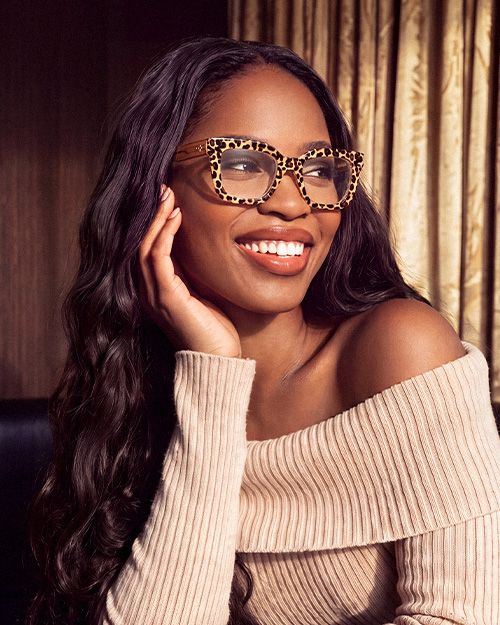
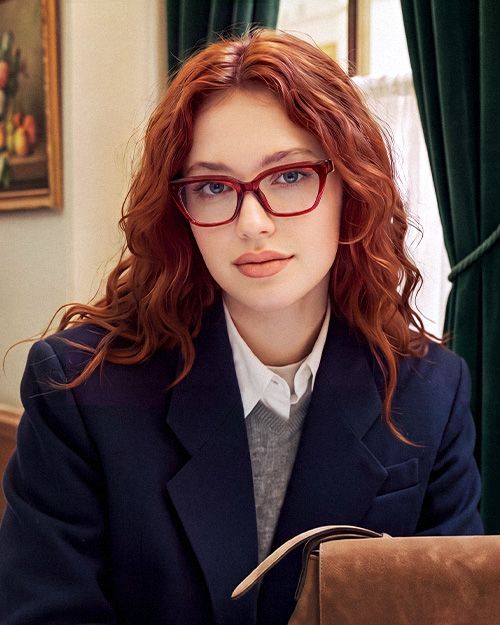
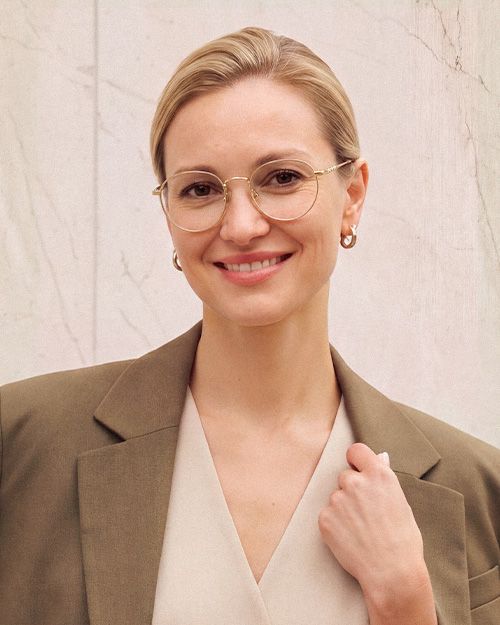
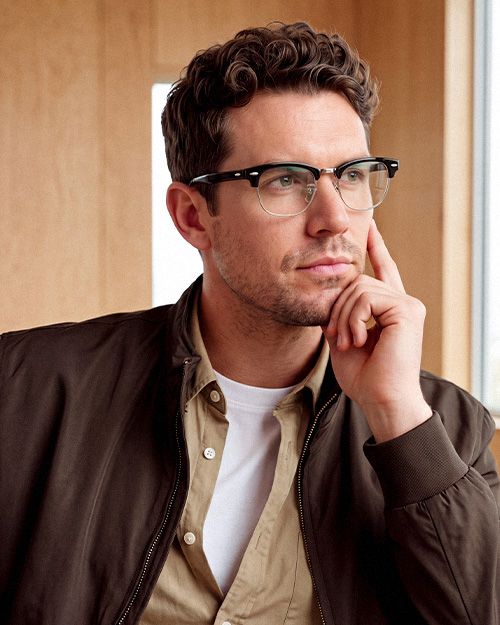


Key Factors and Conclusion
High eyewear prices are largely due to middlemen, retail markups, and overhead, not manufacturing costs.
Legitimate costs include precise digital surfacing, high-index materials, and essential safety coatings for eye protection.
ZEELOOL’s Direct-to-Consumer model cuts out the "system," offering premium optical quality without the traditional retail price tag.
Walking into an optical shop can be overwhelming. You pick a frame you like, add lenses, and then suddenly the bill hits you like the cost of a new smartphone. You pause and ask yourself why prescription glasses are so expensive. Is it the materials, the technology, or some hidden cost in the lenses?
In reality, high-quality lenses do costmore because of the precise technology involved. But most of the very high prices in the industry are not for the glass itself. They come from middlemen, retail markups, and overhead costs. ZEELOOL works differently. By removing unnecessary steps, ZEELOOL delivers premium lenses at fair prices, so you're paying for your vision, not the markup.
Prescription glasses can seem expensive because the price is made up of more than just a frame. Your final cost may include the frame material, prescription lens design, lens thickness, optional coatings, measurements, retailer services, and shipping or return policies. Understanding what affects the cost of corrective eyeglasses can help you compare options, decide which features matter for your vision, and avoid paying for upgrades you do not need.
Factors That Affect the Cost of Corrective Eyeglasses
The price of prescription glasses usually depends on a combination of frame, lens, prescription, and service choices:
- Frame material and construction: Acetate, titanium, spring hinges, and more detailed frame construction can increase the price.
- Prescription complexity: Strong prescriptions, astigmatism correction, prism, bifocals, and progressive lenses may require more specialized lens design.
- Lens material and index: High-index lenses can be thinner and lighter for stronger prescriptions, but they often cost more than standard-index lenses.
- Lens features: Options such as anti-reflective coating, photochromic lenses, polarization, or tinting can increase the total.
- Measurements and fitting: Accurate PD, segment height, and other measurements are especially important for progressive and more complex prescriptions.
- Retailer services: In-store fitting, adjustments, warranty coverage, returns, and customer support can be part of the total price.
Prescription Glasses Cost Breakdown
| Cost Factor | Why It Can Increase the Price | When It May Be Worth Paying More |
|---|---|---|
| Frame material | Premium materials and more complex construction can cost more | You want a lighter, more durable, or more comfortable frame |
| High-index lenses | Thinner and lighter lens materials are more specialized | You have a stronger prescription and want less lens thickness |
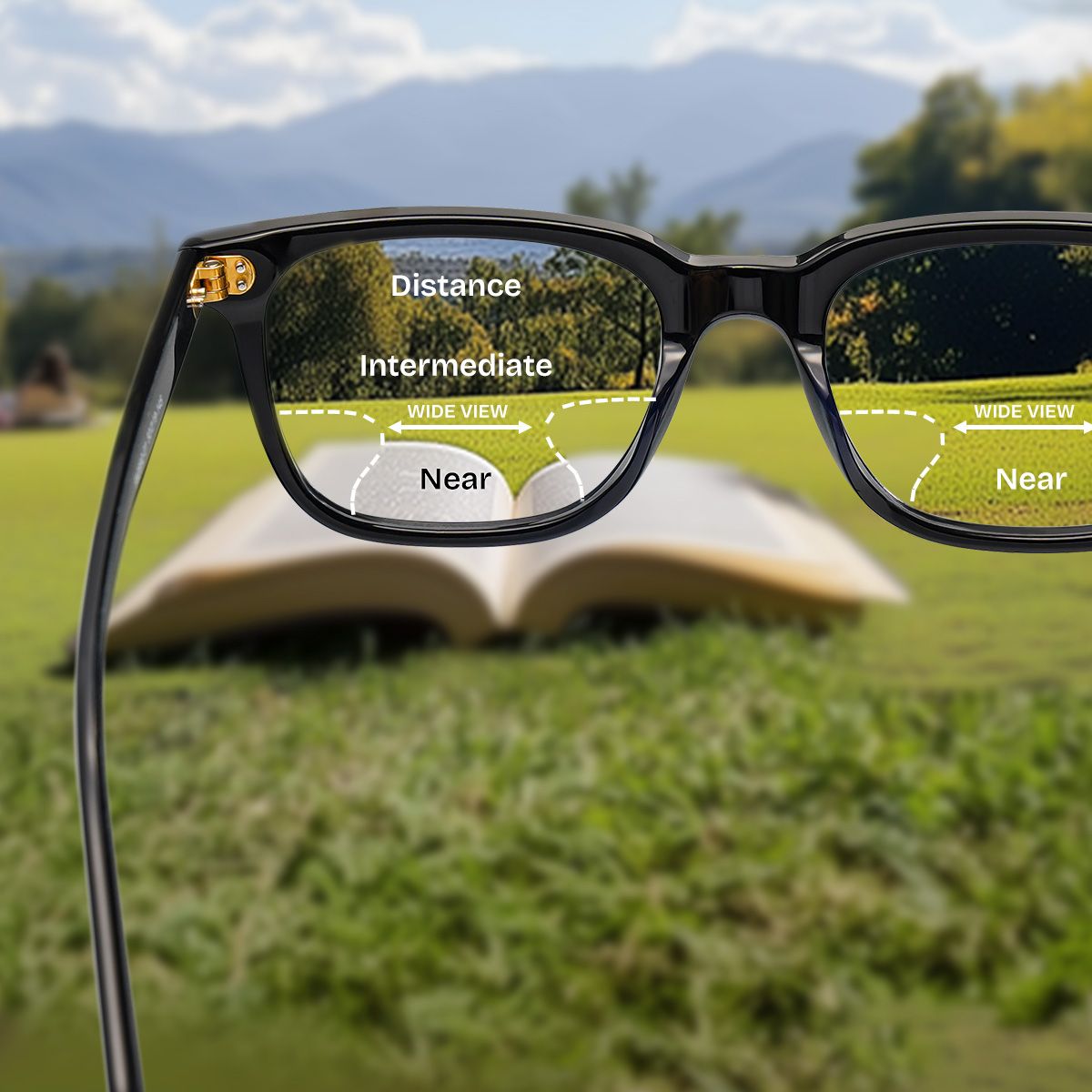
| Progressive lenses | They combine multiple viewing zones and require precise measurements | You need distance, intermediate, and near correction in one pair |
| Anti-reflective coating | Adds a lens-surface treatment to reduce reflections | You wear glasses daily, drive at night, or dislike lens reflections in photos |
| Photochromic or polarized lenses | Add specialized light-management features | You spend significant time outdoors or want one pair for changing conditions |
| Retail services | May include fitting, adjustments, returns, and warranty support | You value local fitting help or a more flexible service policy |
The Hidden Costs: Why Traditional Retail Prices Are Inflated
The first reason for high prices is the middleman markup. In a traditional eyewear model, glasses pass through several layers before reaching you. First, the manufacturer produces the frame and lenses. Then a licensor or distributor adds a fee. After that, a wholesaler may sell it to a retailer. Each step increases the price. By the time the glasses reach your hands, the cost is much higher than the materials inside them.
Another big factor is market control by a few major players. A few large companies control most of the eyewear market. This allows them to set prices higher because consumers have come to accept these prices as normal. You may not notice it while shopping, but these prices are not a reflection of the actual cost of producing glasses. They reflect market control.
In-store overhead also jacks up the price. When you buy glasses from a physical store, part of your payment goes to rent, electricity, staff salaries, and sales commissions. Some stores in high-rent areas charge extra indirectly through higher prices. This means part of what you pay is for the store itself, not for your vision.
To put this in perspective, a simple pair of frames with basic lenses might cost $20 to $50 to produce. Yet the retail price can easily reach $300 or more. That shows that most of what you pay goes toward the system and not the lenses.
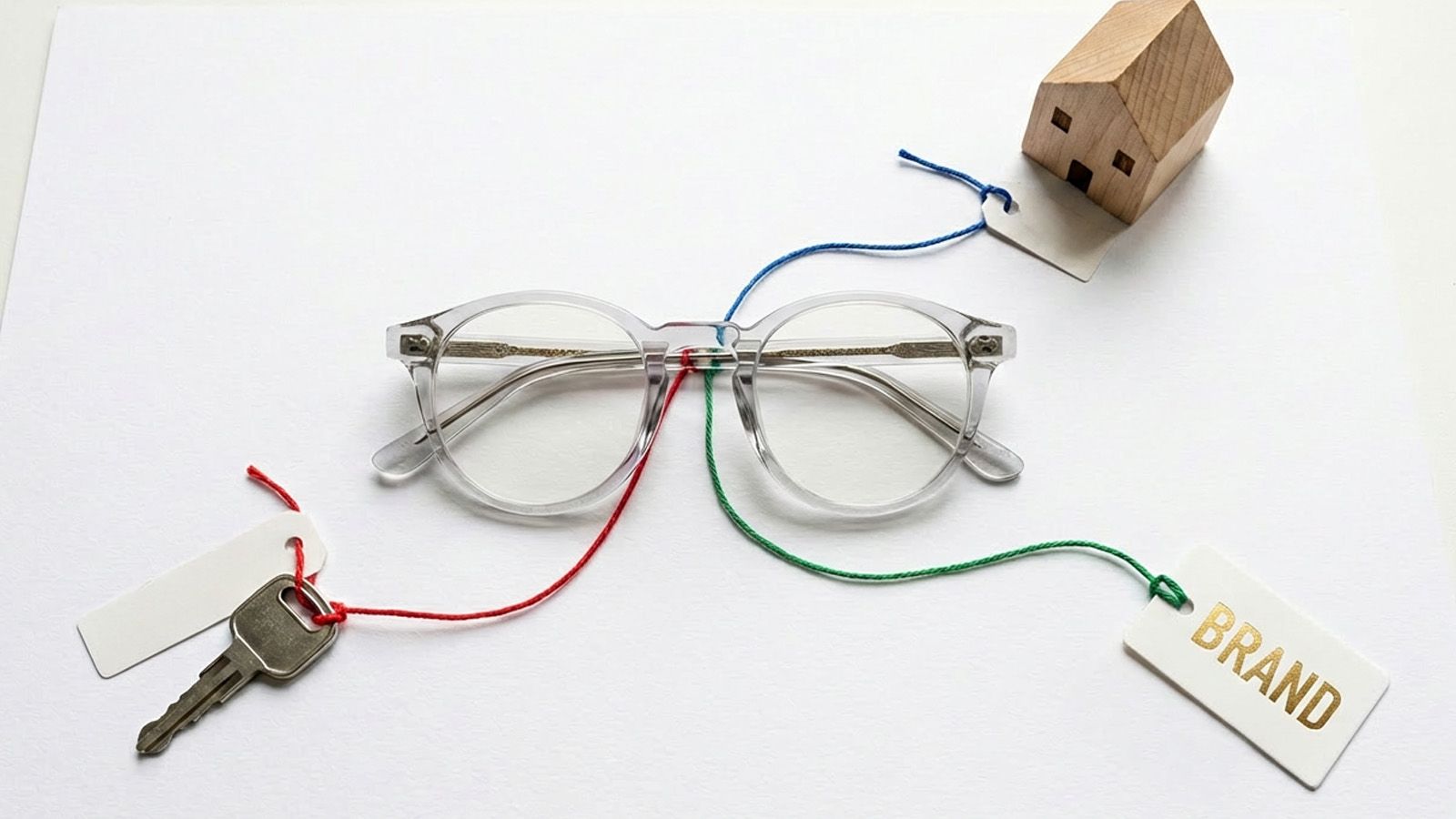
Even small choices add up. A popular brand logo, a designer's name, or a fancy store display can significantly increase the price. Many customers think they are paying for quality, but in most cases, they are paying for brand recognition and retail showrooms.
What You Should Actually Be Paying For (The "Good" Costs)
Not all costs in eyewear are unnecessary. Some costs are essential. High-quality lenses require precise technology. Digital surfacing ensures your prescription is accurate. High-index lenses make thick prescriptions lighter and thinner. Anti-reflective coatings and blue light protection improve comfort and reduce eye strain. These are real investments in your vision.
Safety standards are another important factor. FDA-approved impact-resistant lenses and UV400 protection make sure your eyes are safe in everyday life. These standards are non-negotiable. You want lenses that protect your eyes, not just look nice.
The key is knowing the difference between markup and quality. You should pay for the science behind the lens technology and safety, not for layers of middlemen or retail overhead. ZEELOOL focuses on this principle. That is why you can get top-tier lenses and frames without paying for unnecessary extras.
Another factor is lens customization. If you have a strong prescription or need progressive lenses for multiple distances. These lenses cost more because they require careful design and precise measurement. Paying for this technology is reasonable because it affects your vision directly.
How Direct-to-Consumer (DTC) Changes the Price
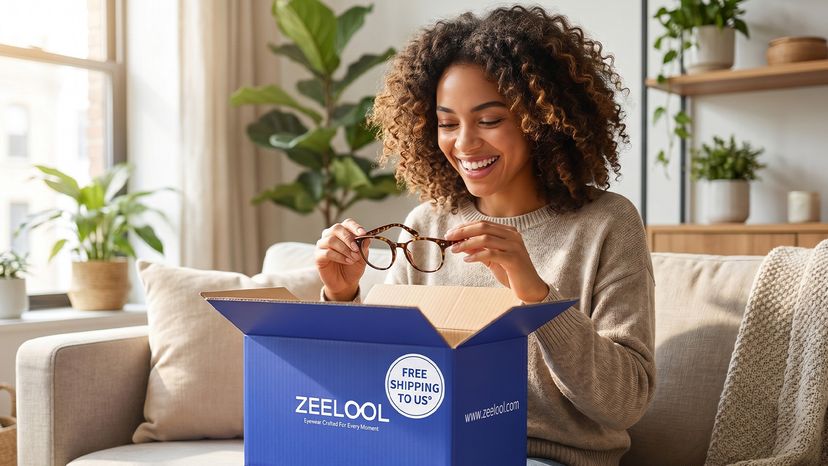
ZEELOOL stands apart because of its Direct-to-Consumer model. The company owns its own labs and ships glasses straight to customers. There are no physical stores, no middlemen, and no extra markups.
By removing retail overhead, licensing fees, and inefficient inventory chains, ZEELOOL saves money at every step. These savings are passed directly to customers. This allows you to get advanced lenses, coatings, and frames at a fraction of the usual price. In many cases, you pay one-tenth of the traditional retail cost.
It is important to note that this is not about being cheap. It is about being efficient. Cutting out unnecessary steps does not reduce quality. It makes premium eyewear more accessible. When you order from ZEELOOL, you are paying for lenses, frames, and technology, not for store rent or glossy displays.
ZEELOOL prescription eyeglasses also handle customer support directly. If you need help choosing a frame or adjusting your prescription, the company provides guidance without any extra cost. This transparency ensures that you get exactly what you need without paying hidden fees.
Beyond Price: The Freedom to Build an Eyewear Wardrobe
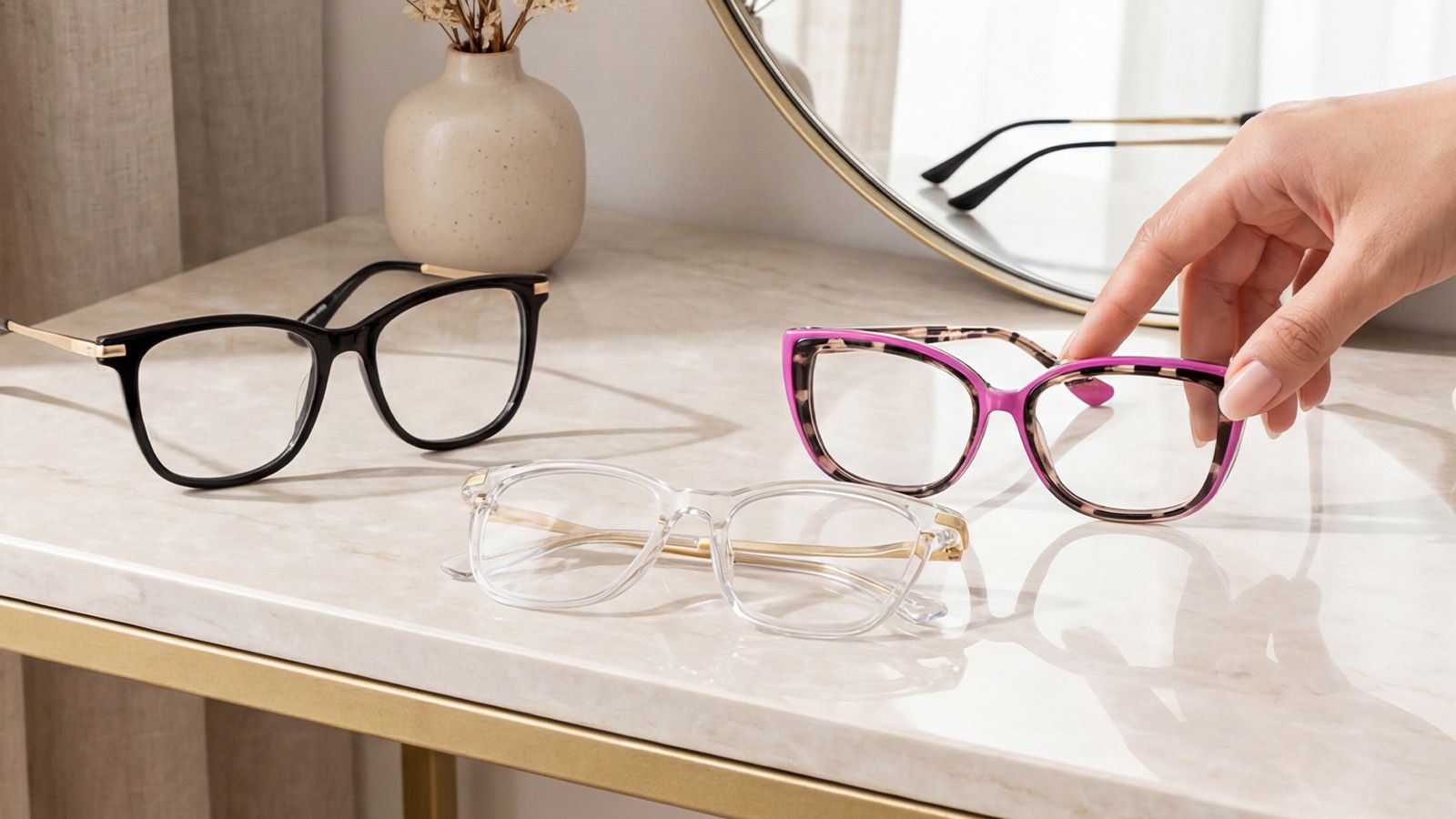
When glasses are cheaper, people think about them in a new way. You do not have to use one expensive pair for many years. You can try different styles and pick glasses for work, fun, or going out.
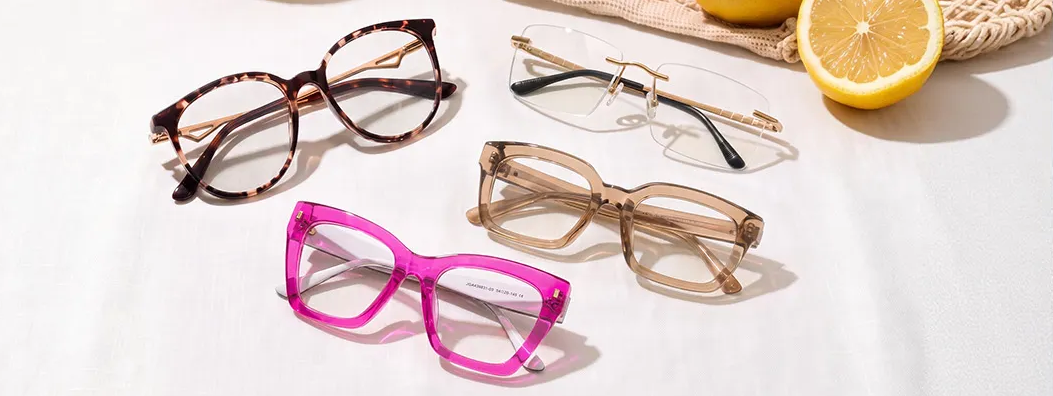
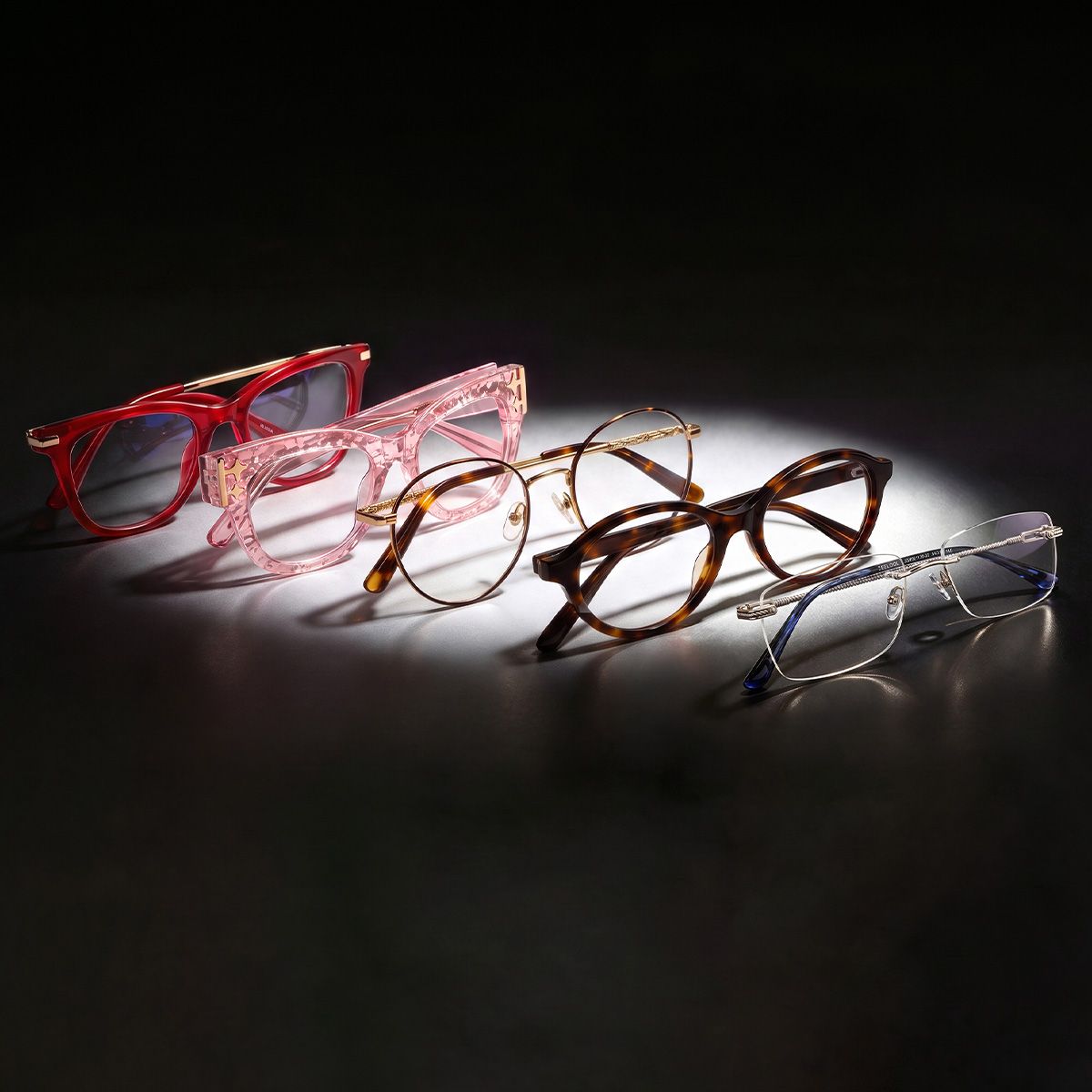
ZEELOOL teams up with designers to create stylish frames that won’t break the bank. Since there are no additional markups, you can buy multiple pairs and express your own style. Glasses are not just something you need. They can also be a way to show who you are.
For example, you might have one pair for the office that looks professional, another pair with a fun color for weekends, and a stylish pair for evenings or social events. Before affordable eyewear alternatives, this was not practical because glasses were so expensive.
ZEELOOL makes it easy to build an eyewear wardrobe. You can have the lenses and technology you need while enjoying the style and variety you want.
FAQ
Why are glasses frames so expensive?
Frame prices can vary based on material, construction, design, brand positioning, and retailer overhead. A higher price does not automatically mean a frame is better; fit, comfort, prescription compatibility, and durability are more useful comparison points.
Are expensive prescription glasses worth it?
They can be worth it when the higher cost pays for a feature you need, such as thinner lenses for a strong prescription or progressive lenses for multiple viewing distances. Compare the specific features included instead of assuming a higher price always means better value.
Why are progressive lenses more expensive?
Progressive lenses contain multiple vision zones in one lens and require more complex design, manufacturing, and fitting measurements than standard single-vision lenses. The price can vary based on the lens design and your prescription needs.
How can I save money on prescription glasses?
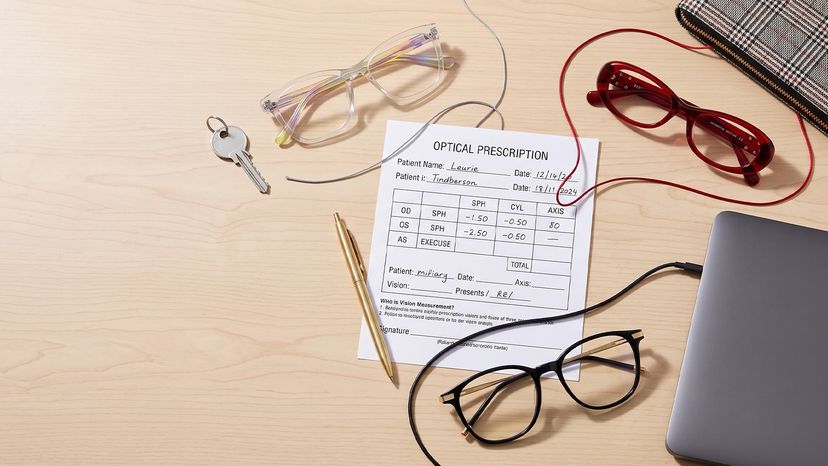
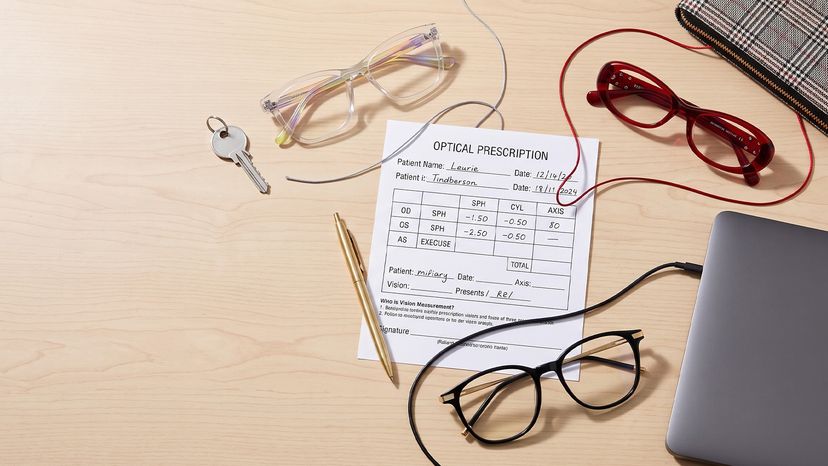
Start with a current prescription, choose only the lens upgrades you need, compare the final checkout price across retailers, and review return policies before ordering. Buying online may offer more frame and lens choices, but accurate prescription details and measurements remain essential.
Where can I buy affordable prescription glasses?
You can buy affordable prescription glasses from online eyewear retailers, local optical stores, and retailers that offer direct-to-consumer pricing. When comparing options, look at the final price after prescription lenses, lens upgrades, shipping, and return policies are included—not just the starting frame price. ZEELOOL offers a range of prescription frames and lens options online, allowing you to compare styles, select the features that fit your prescription, and review the total cost before checkout.