









Summary
Anti-reflective coating is a thin lens treatment that reduces reflections from eyeglass lenses. Learn how AR coating works, how it differs from anti-glare and polarized lenses, and when it may be worth adding to your glasses.
The reflective glare on your lenses can disrupt your vision. It happens while you work at a screen or drive during sunset hours. It causes damage to your eyesight over time. Anti-reflective coating, also called AR coating, is a thin multilayer treatment applied to eyeglass lenses to reduce reflections from the lens surface.
This guide explains what anti-reflective coating does, how it compares with anti-glare and polarized lenses, and how to decide whether it is a useful option for your glasses.
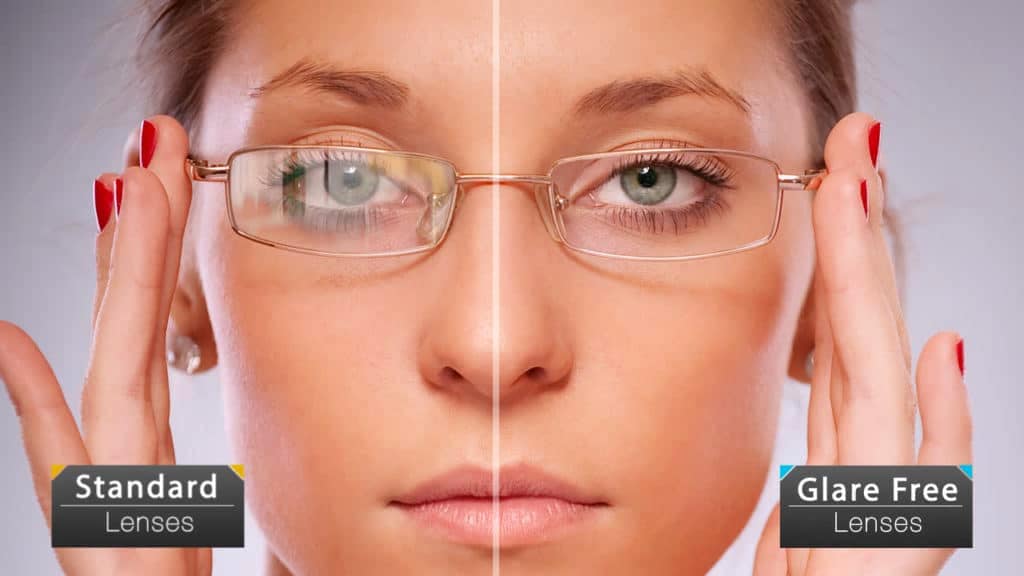
Why do you need anti-reflective coatings?
Light sources create distracting reflections on eyeglass lenses. Reflections occur particularly in photographs, driving at night, and looking at a computer. Eye strains develop from the reflections that impact vision when using the lenses.
The purpose of anti-reflective (AR) coatings is to lower surface reflections. This allows light to pass through to improve visual clarity.
AR coatings reduce glare, improving performance and comfort. They reduce eye strain during daytime, nighttime, and outdoor activities.
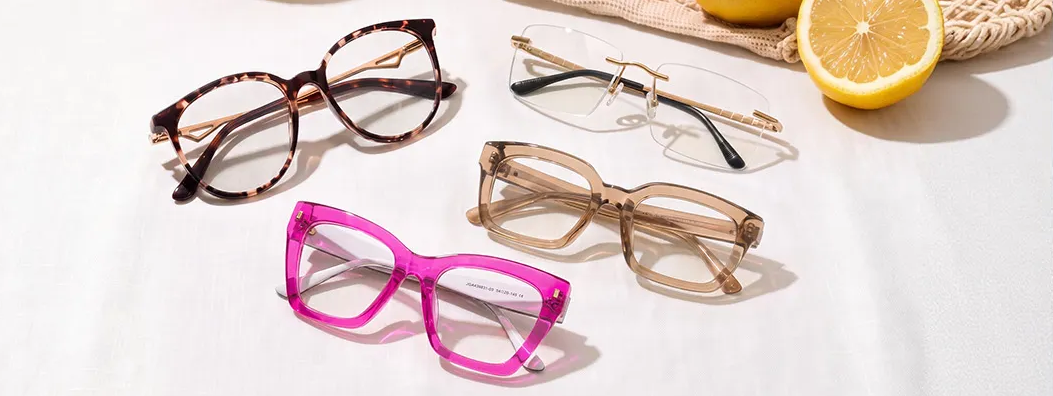
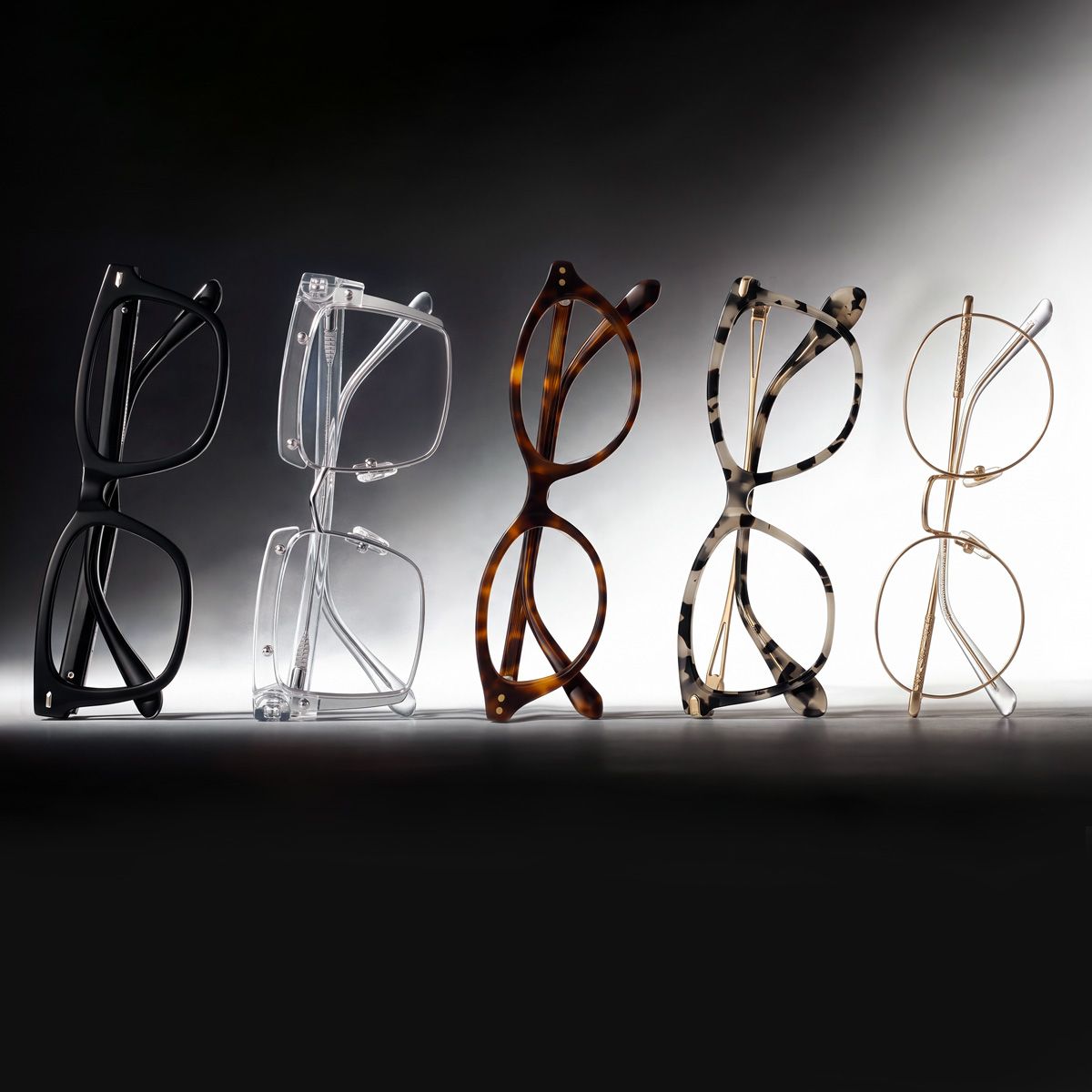
ZEELOOL official website offers lenses that support a more comfortable visual experience throughout your day. Especially when paired with modern frame styles from ZEELOOL’s glasses collection.
What Is Anti-Reflective Coating for Glasses?
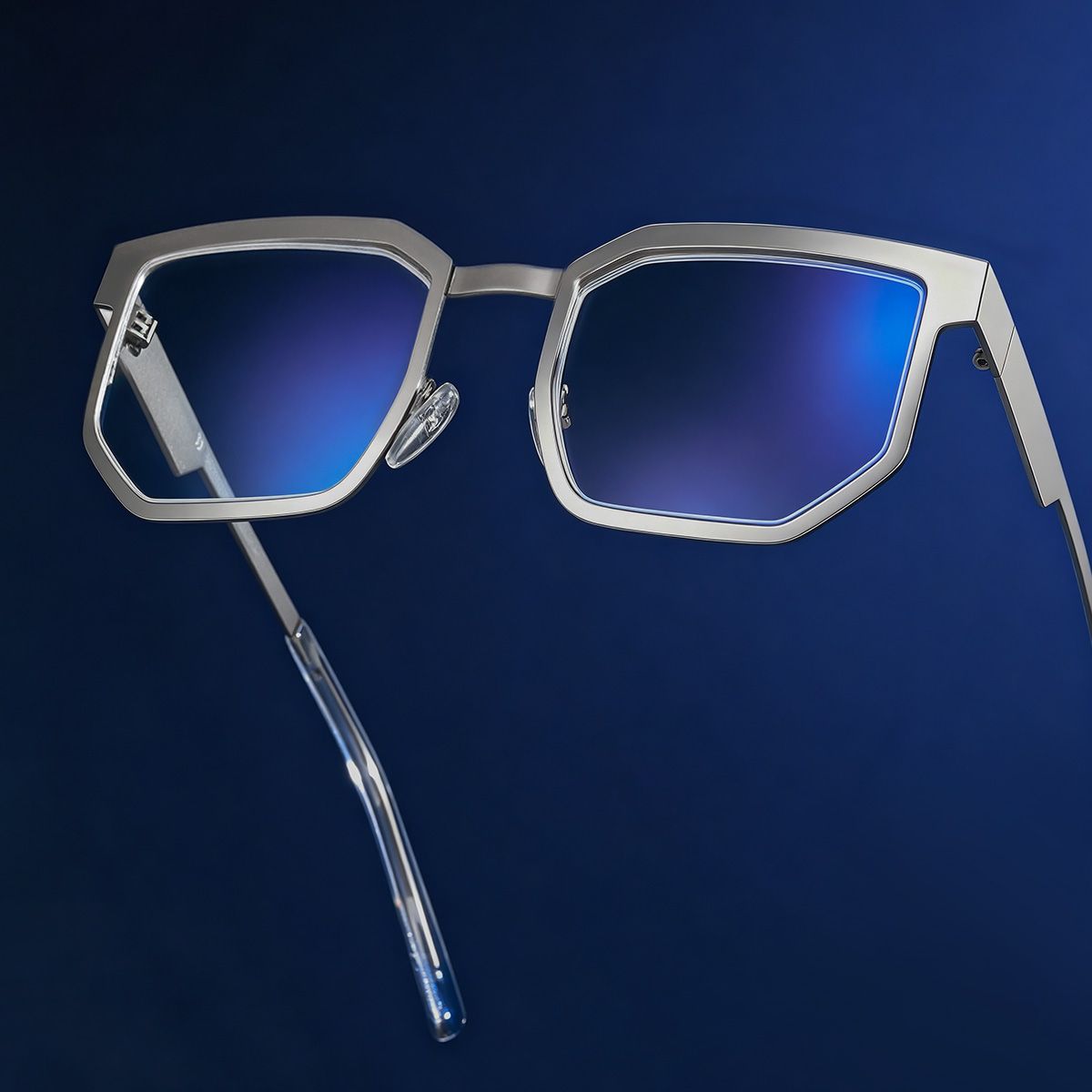
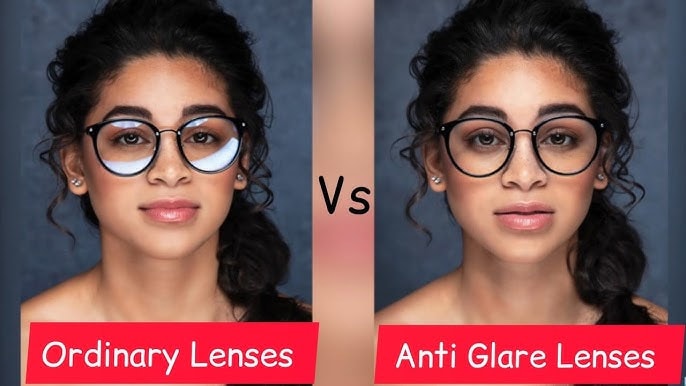
Do you know what anti-reflective coating for glasses is? An anti-reflective (AR) coating is a very thin layer added to glasses and lenses. It helps stop light from bouncing off the lens, which can cause glare and reflections. This makes it easier to see clearly and keeps your eyes from getting tired.
Many high-quality glasses, like sunglasses, blue light-blocking glasses, and prescription glasses, come with AR coating to help you see better and feel more comfortable.
Anti-reflective lenses vs. anti-glare lenses
Though often used interchangeably, these terms have subtle differences:
- Anti-reflective lenses utilize coating technology to minimize reflections from both the front and back surfaces of the lenses.
- Anti-glare lenses typically refer to surface treatments that minimize glare from external light sources, such as screens or headlights.
In everyday use, AR-coated lenses provide improved performance across various lighting conditions. They are often preferred for their clarity and cosmetic benefits, like making your eyes more visible through the lenses.

Core advantages of anti-reflective coating
Here are some key benefits of AR coatings:
Sharper vision:
By reducing lens glare, your eyes can focus more easily. Especially in low-light or high-glare environments.
Better appearance:
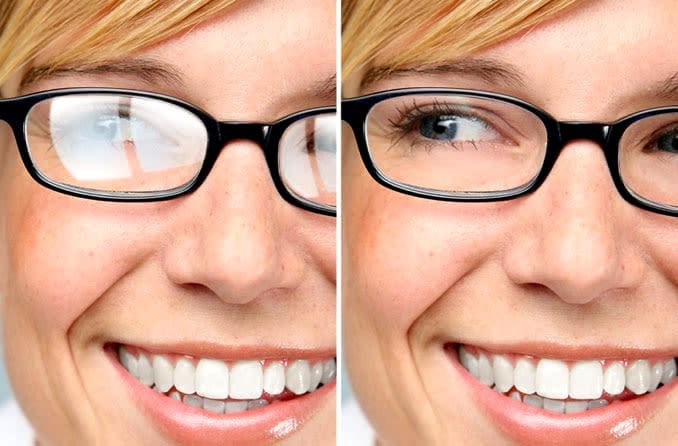
AR-coated lenses eliminate the "white flash" on lenses in photos and video calls. That makes your eyes more visible and expressive.
Less eye strain:
AR-coated lenses can reduce digital fatigue. Especially when combined with blue light-blocking technology.
Smudge and scratch resistance:
Lenses with AR coating repel water, oil, and dust. It enables your lenses to be easier to clean and more durable over time.
To get the benefit from all these facilities, explore ZEELOOL’s lens collection.
Types of anti-reflective coatings and selection guidelines
A 2023 Cochrane Review concluded that blue-light filtering spectacles significantly reduce digital eye strain. Also improves sleep quality or protects retinal health compared to standard lenses.
Basic AR coating (single/multilayer)
AR coatings comprise one or multiple thin layers. These reflect wavelengths from light. These coatings contain basic glare reduction elements. It ensures that they are suitable for common daily activities, including reading and commuting outside.
Waterproof & anti-fouling enhanced
The inclusion of hydrophobic layers, particularly AR lenses, prevents water, oils, and smudges from adhering to the surface. This type of AR coating is ideal for outdoor and high-humidity environments. It's also great for those who clean their glasses often.
The hydrophobic layer repels water and oil. It helps protect both the anti-reflective coating and the lens underneath.
Blue light-blocking composite coating.
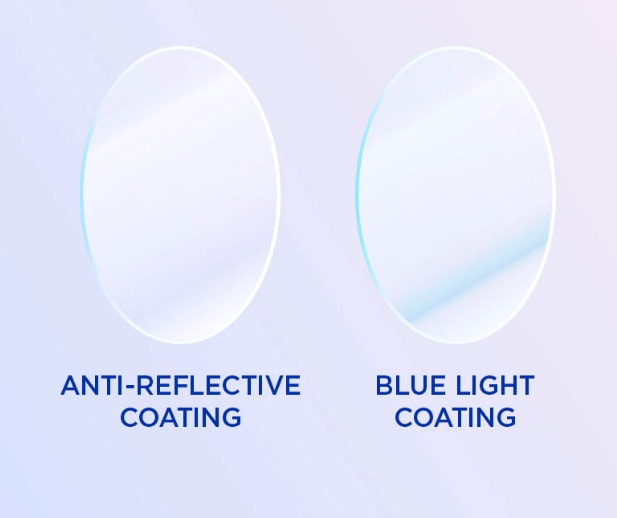
These coatings combine anti-reflective technology with blue light filtration. That makes it compatible with modern digital lifestyles. While these lenses are popular, their actual benefits may vary. This helps reduce visual fatigue and supports sleep patterns.
Also, it protects your eyes from high-energy visible (HEV) light emitted by screens. ZEELOOL’s blue light-blocking glasses offer stylish options with this functionality built in.
AR Coating vs. Blue-Light Filtering vs. Polarized Lenses
| Lens Feature | Main Purpose | Best Use Case | Important Limitation |
|---|---|---|---|
| Anti-reflective coating | Reduces reflections from lens surfaces | Everyday prescription glasses, video calls, and driving | Does not replace prescription correction or block all glare |
| Blue-light-filtering lens | Selectively reduces some short-wavelength visible light | A personal lens preference for screen use | Evidence does not show a consistent benefit for digital eye strain or sleep |
| Polarized lens | Reduces reflected glare from roads, water, snow, and other flat surfaces | Daytime outdoor activities and driving | Not designed to reduce reflections from the eyeglass lens itself |
Who May Benefit From Anti-Reflective Coating?
AR coating may be worth considering if you:
- Wear prescription glasses for most of the day.
- Notice distracting reflections on your lenses in photos or video calls.
- Drive regularly in the evening or at night.
- Use high-index lenses, which can reflect more light than standard-index lenses.
- Prefer lenses with a cleaner appearance and easier day-to-day maintenance.
- Want a lens package that includes additional hydrophobic or oleophobic topcoats for easier cleaning.
How do you choose the right coating?
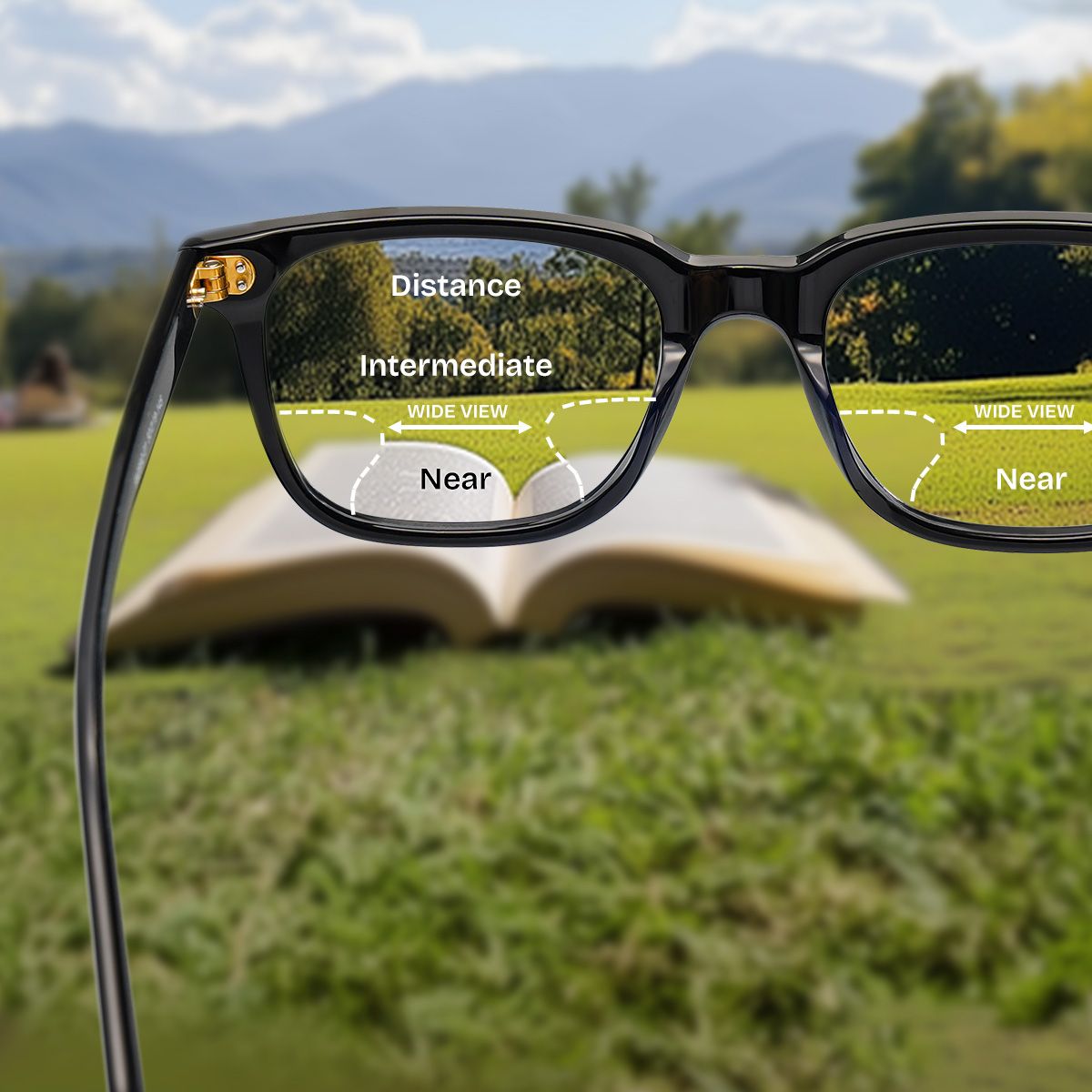
When selecting the appropriate anti-reflective coating, consider your daily activities and vision requirements. The American Academy of Ophthalmology advises that lens choices should align with individual visual needs, whether for distance, reading, or multifocal purposes. For more detailed guidance, refer to their article on choosing glasses for vision correction.
Choosing the right AR coating depends on your daily habits:
- Screen-heavy lifestyle? Look for AR lenses with blue light filtering.
- Outdoor exposure? Opt for water-repellent and scratch-resistant coatings.
- Minimalist care routine? A smudge-resistant lens helps reduce cleaning time.
- All-around use? A multilayer AR coating with standard protection is a solid choice.
If you're shopping online, ZEELOOL makes it easy to filter frames by lens features. Whether you need enhanced durability or screen-time protection, there's a perfect combination waiting to match your needs.
Conclusion
So, what is an anti-reflective coating for glasses? It's a minor feature with a significant impact. From reducing glare to enhancing visual clarity and comfort, AR coatings play a vital role in modern eyewear. By understanding your daily needs, such as screen use, lighting conditions, and care habits, you can select the best lens coating for your lifestyle.
Ready to upgrade your eyewear? Explore ZEELOOL’s collection of lenses and glasses that combine fashion-forward design with functional, vision-enhancing technology.
ZEELOOL Rodz frames
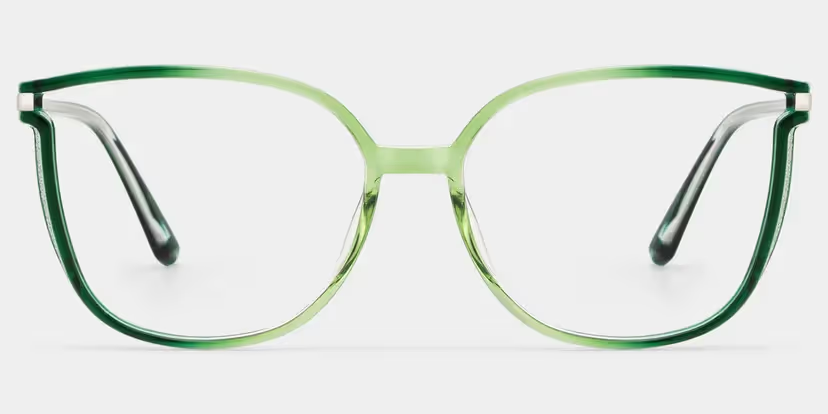
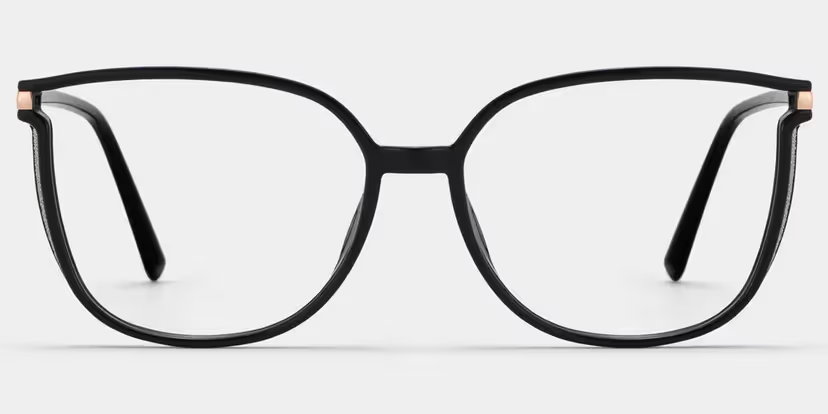
Rodz Square Black Frame Glasses
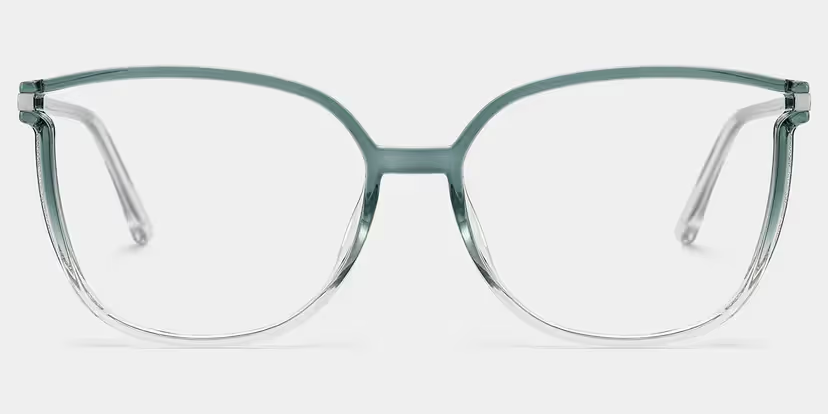
Rodz Sage Green Square Glasses
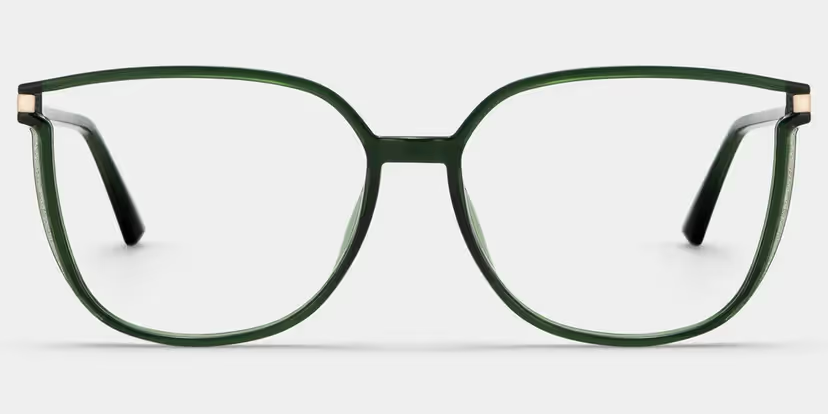
Rodz Square Dark-Green Frame Glasses
FAQ
What is an anti-reflective coating on glasses? Do I need it?
Anti-reflective (AR) coating is a thin coating on the surface of lenses that reduces bouncing light off the lens—the reflections you see in photos, on video calls, or when you’re driving at night. It improves clarity of vision, reduces eye strain when using screens, and makes your eyes more visible through the lenses rather than hidden behind the glare. It’s not strictly necessary for everyone, but most people who wear glasses for screen work, driving, or all-day use consider it a useful addition.
Is anti-reflective coating the same as anti-glare?
They’re closely related and often used interchangeably, but there’s a subtle difference. Anti-reflective coatings help to reduce reflections on the front and back surfaces of the lens so that you can see more clearly from either side. Anti-glare typically refers to treatments that reduce incoming glare from external sources like headlights or screens. In practice, most AR-coated lenses address both issues simultaneously, so the terms are used interchangeably by most retailers and opticians.
Is an anti-reflective coating worth it for glasses?
For most people, yes — especially if you spend several hours daily in front of screens, drive regularly, or find yourself bothered by reflections in photos. The visual difference is noticeable: lenses look cleaner, your eyes appear more expressive to others, and prolonged screen use tends to feel more comfortable. As well as the optical benefit, AR coatings often give smudge and scratch resistance, and this makes the lenses easier to look after over the years.
Do you need an anti-reflective coating on sunglasses?
It depends on the sunglasses. For standard tinted sunglasses used outside, AR coating on the front of the lens is generally not needed; the tint does most of the work in reducing the light. But AR coating on the back surface of sunglass lenses is actually useful, reducing reflections from light bouncing off the back of the lens to your eyes from behind, which causes glare in very bright conditions. For prescription sunglasses used in high-glare environments such as driving or water activities, back surface AR coating is worth considering.
What kind of anti-reflective coating should I pick?
It depends on what you do with your glasses. A blue light blocking AR composite coating is a great choice for heavy screen use, as it will cut down on both glare and digital eye strain in one lens. A hydrophobic AR coating will aid in water and oil repellency, making them easier to clean and more durable, so it is a good choice for outdoor or humid use. A standard multilayer AR coating is a good all-around choice for general daily use, covering most situations without the added expense of specialty coatings. If you are unsure, a basic AR coating is almost always better than no coating at all.
Does anti-reflective coating help with night driving?
AR coating can reduce reflections created by your eyeglass lenses, which may be helpful when you encounter headlights or streetlights. It does not remove all glare or replace a current prescription and proper eye care.
Can anti-reflective coating be added to existing glasses?
In most cases, AR coating is applied when lenses are manufactured and cannot be added later as a simple upgrade. Ask an optician whether replacing your lenses is the best option for your current frame.
Does anti-reflective coating scratch easily?
The durability of an AR coating depends on the lens package and how the glasses are cared for. Many premium AR options include protective topcoats that improve cleanability, but lenses should still be cleaned with appropriate materials and stored in a case.