









Summary
Heterochromia is a condition where a person has two different colored eyes It occurs due to an unequal distribution of melanin the pigment that gives color to your hair skin and eyes Heterochromia affects less than 1% of the population and can be complete where each eye is a different color partial where one eye has patches or segments of two different colors or sectoral where one eye has patches or segments of two different colors Heterochromia can also be acquired later in life due to eye trauma inflammatory conditions certain glaucoma medications or rare genetic disorders Sudden changes in eye color should always be checked by an eye doctor but for most people heterochromia is just a unique and beautiful trait.
Have you ever seen someone with two different eye colors?
It looks magical, like a hidden story in their eyes. This is not a trick. This is a real condition. It has a name: heterochromia.
Heterochromia makes eyes truly unique. Some celebrities, like David Bowie and Mila Kunis, have it. People often find it beautiful. Some call it rare, others call it mysterious.
In this blog, you will learn about heterochromia. You will discover its types, learn what causes it, and uncover some interesting facts. We will also share styling tips for those who wear glasses.
What Is Heterochromia?
Heterochromia is when your eyes are two different colors. Sometimes, each eye has its own color. Sometimes one eye shows more than one shade. This change happens in the iris, the colored part of the eye.
It is rare in people. Heterochromia is present in fewer than 1% of the population. The CMAJ(a) explains that it affects fewer than 200,000 people in the U.S. This single trait is found in animals. You may have seen it in cats, dogs, or even horses. In them, it often happens naturally and does not cause concern.
Types of Heterochromia
There are three different types of heterochromia.
- Complete Heterochromia: This is when each eye is an entirely different color. One may be green. The other may be brown. It is easy to notice. This is the rarest type.
- Partial or Sectoral Heterochromia: In this condition, one eye exhibits two distinct colors. A slice or patch of a different color appears within the iris. It may look like a tiny mark or stripe.
- Central Heterochromia: This one is subtle. The center of the iris, near the pupil, is a different color from the outer part. It creates a ring or halo effect. Some call it “sunburst eyes.”
Each type gives a unique look. It is like art made by nature.

Causes of Heterochromia
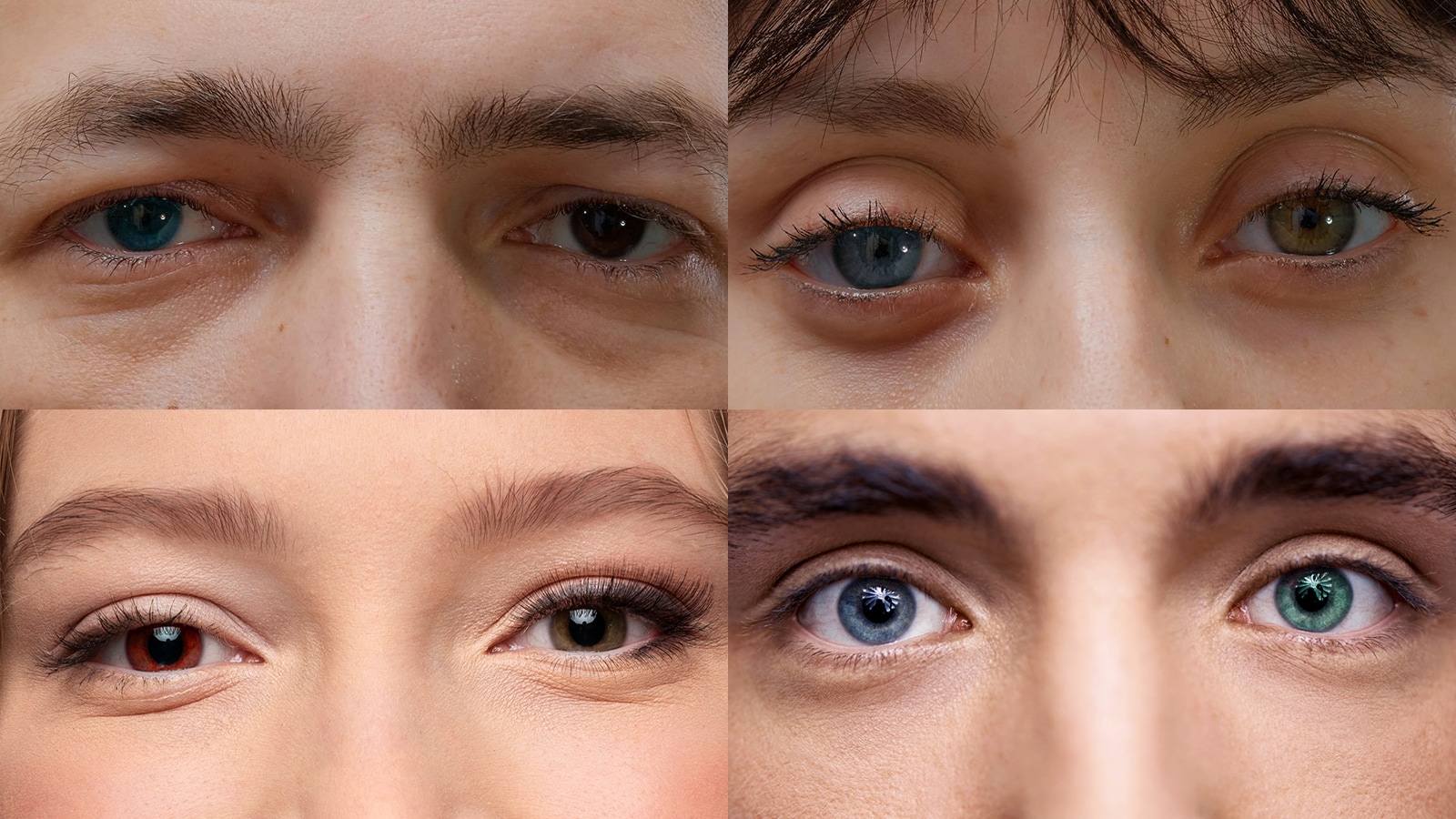
Heterochromia happens mainly due to melanin. Melanin is the pigment that gives color to the eyes, hair, and skin. More of it equals brown eyes; less pigment equals blue eyes. In fact, when that pigment is unevenly spread, you may get different colors in both eyes.
Genetics:
Many people are born with heterochromia. This is called congenital heterochromia. It often runs in families. In most cases, it causes no problems. It just makes the eyes look special.
Acquired Conditions:
Sometimes heterochromia happens later in life. This can happen from an accident, illness, or medicine.
Here are some causes:
- Trauma to an Eye: A blow to the eye can damage the cells that produce color.
- Inflammatory Processes: The iris is altered by diseases such as Uveitis or Fuchs' heterochromic iridocyclitis.
- Medications: Certain glaucoma eye drops might darken the iris, especially prostaglandin analogs.
- Diseases: Diseases like Horner's syndrome, Waardenburg syndrome, and eye tumors such as melanoma will have an influence on the eyes.
- Pigment Dispersion Syndrome: Desquamation of pigment flakes occurs with movement inside the eye, hence affecting the change.
Mosaicism:
Sometimes, in early development, cells form with different genes. This leads to some cells making more melanin than others. The result is different shades in the eyes.
Neurofibromatosis:
This is a rare genetic condition. It can affect the nerves and skin. It sometimes causes changes in eye color, too.
Fun Facts and Cultural Significance About Heterochromia
Let’s talk about some famous individuals with unique eye colors. Kate Bosworth has complete heterochromia, meaning one of her eyes is blue while the other is hazel. She is best known for her role as Lois Lane in "Superman Returns." Speaking of Superman, the last portrayal is by Henry Cavill, who features two blue eyes; however, his left eye contains a patch of brown within the blue iris, which is referred to as partial heterochromia.
In various cultures, people believe that heterochromia signifies special gifts or talents. Some people view it as a sign of good luck, while others think it grants individuals the ability to see beyond the ordinary. Myths often associate heterochromia with mystery and magic. Regardless of the truth behind these beliefs, many agree that heterochromia is a rare and beautiful trait.
When to See a Doctor
If you have different colors in each eye, you oughtn't to panic; that might just be the way your body decided to express itself. Most people with heterochromia go on living their lives without much trouble. However, if you notice any sudden changes in color in your eyes, it's best to consult a doctor. Such sudden changes could indicate other medical problems.
Perhaps it’s an old injury resurfacing. Maybe it’s a reaction to medicine. Or perhaps it’s something that needs a closer look.
If you notice any new color changes, especially if they are accompanied by pain, blurry vision, or discomfort, don’t wait. Book a visit with your eye doctor. It’s always better to be sure than sorry. After all, your eyes tell more stories than you think.
Heterochromia and Eyeglass Frames
Have heterochromia and wear glasses? That’s a style win waiting to happen.
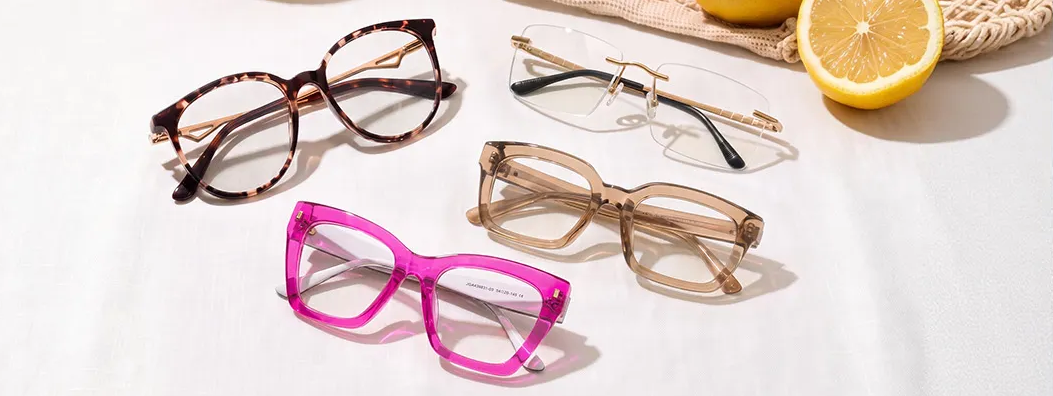
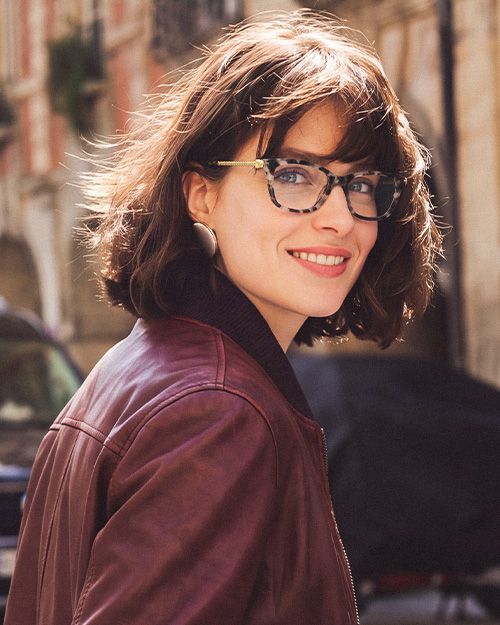
With the right frames, you can make your eyes shine even more. Want something subtle? Try soft tones like clear, brown, or tortoiseshell. These shades let your natural eye colors do the talking. More of a bold soul? Try bright red, deep blue, or emerald green. Match the color of one eye, and boom, instant wow.

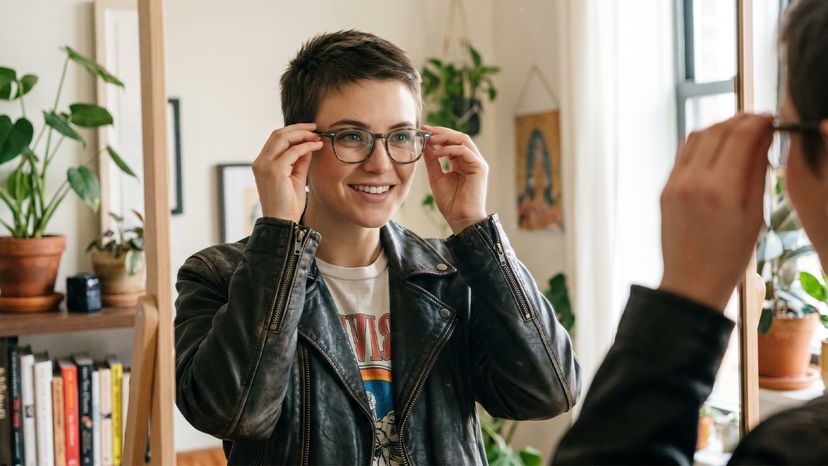
And guess what? You don’t even have to guess what looks good. ZEELOOL has tons of stylish glasses. We also offer a cool AR Try-On feature. You just try on frames virtually with your phone or computer. It’s easy and fun. And it saves you from buying something that doesn’t suit your face.
Glasses aren’t just for vision. They’re also for expression, especially when your eyes are already so one-of-a-kind.
Conclusion
Heterochromia might be rare, but it’s nothing short of amazing. It comes in three primary forms: complete, where both eyes are different; partial, where one eye has a splash of another color; and central, where you get a cool ring around the pupil.
Most of the time, heterochromia is a rare genetic gift. At other times, it may come from injury or illness. Either way, it deserves a little love and a little attention if something seems off.
And if you wear glasses? Use them to show off your eyes, not hide them. Let your frames add a little flair to your already standout look.
To beautiful eyes, beautiful stories, and the perfect pair of glasses! Please leave a comment with any stories about heterochromia you or someone you know might want to share. And if you're up for some frame fun, head over to ZEELOOL glasses online and get busy playing with your match!
Your eyes are already special. Let the world see them.
FAQ
What is heterochromia caused by?
The main cause is uneven distribution of melanin, the pigment that determines eye color. Most people born with heterochromia have it as a genetic trait where melanin simply develops unevenly across one or both irises. It can also develop later in life from eye trauma, inflammatory conditions such as uveitis, certain glaucoma medications (particularly prostaglandin analogs), or rare conditions like Horner's syndrome and Waardenburg syndrome. In most congenital cases, it causes no vision problems and is simply a natural variation.
What are the different types of heterochromia?
There are three main types. The most visually obvious and rare kind of heterochromia is complete heterochromia. This is when each eye is a totally different color. Partial or sectoral heterochromia is when one eye has a patch or section of a different color in the iris. Central heterochromia causes a ring or halo effect around the pupil that is a different color from the outer iris—sometimes called "sunburst eyes." The same underlying cause causes each type: uneven melanin distribution, just expressed in different patterns.
What is the rarest type of heterochromia?
Complete heterochromia — where each eye is an entirely different color — is considered the rarest form. It's the most immediately noticeable type and the one most associated with celebrities like Kate Bosworth, who has one blue eye and one hazel eye. Heterochromia in general affects fewer than 1% of the human population, so any form of it is genuinely uncommon.
Can you get heterochromia later in life?
Yes, though it's less common than being born with it. Acquired heterochromia can develop following an eye injury, as a side effect of certain medications — particularly prostaglandin eye drops used for glaucoma — or as a result of inflammatory eye conditions like Fuchs' heterochromic iridocyclitis or uveitis. If you see a sudden or gradual change in your eye color, particularly if it is accompanied by any discomfort or changes in your vision, it’s worth seeing an eye doctor just to make sure there’s no underlying cause.
Does heterochromia affect vision?
Most of the time, no—congenital heterochromia is purely cosmetic and doesn’t affect your eyesight. The color difference is in the iris, which controls how much light enters the eye, but the functional mechanics of vision are unaffected. However, when heterochromia is acquired as a result of an underlying condition—such as glaucoma, uveitis, or a tumor—the condition causing the color change may affect vision. If heterochromia appears alongside pain, blurriness, or sudden changes, that's when a thorough eye examination becomes important.
The Reference:
(a) CMAJ: https://pmc.ncbi.nlm.nih.gov/articles/PMC2518194/