







Key Facts & Conclusion
What is an eye condition? Eye conditions are problems that affect vision, from blurry sight to more serious diseases.
Refractive errors: Blurry vision from myopia, hyperopia, astigmatism, or presbyopia; easily managed with glasses, contacts, or surgery.
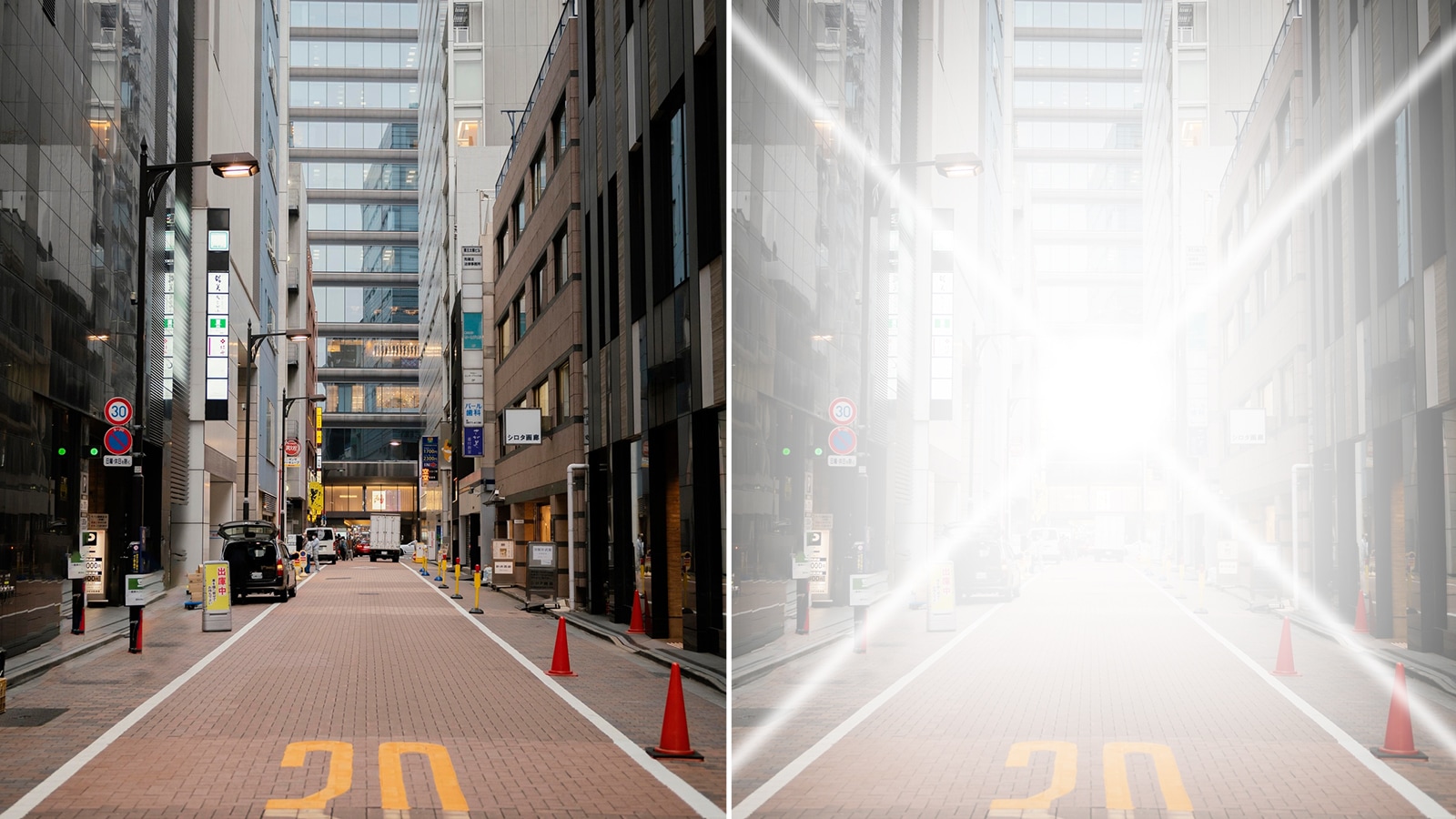
Cataracts: Cloudy lens causes glare, dull colors, and night driving issues; surgery restores clear vision.
Glaucoma: High eye pressure damages the optic nerve, leading to tunnel vision if untreated.
Age-related macular degeneration (AMD): Damages central vision, making reading and detail tasks harder; lifestyle and treatment can slow progression.
Dry eye syndrome: Not enough quality tears cause irritation, burning, and discomfort; artificial tears and lifestyle changes help.
Think about how much you depend on your eyes—reading a message, driving to the store, finding your keys, even making your morning coffee. Vision makes daily life smooth. When it slips, everything feels harder.
Millions of people live with eye problems. Some are minor annoyances. Some change their lives in big ways.
This post walks through the most common eye conditions. What they are. The signs to look out for. What causes them? And what helps? One note before we dive in: only an eye care professional can give a real diagnosis or treatment.
What Are Eye Conditions?
Eye conditions are simply problems that affect your vision. Some blurred vision. Some damage the eye itself.
The most common ones fall into a few groups. Refractive errors cause blurry vision up close or far away. Age-related issues like cataracts or macular degeneration creep in later in life. Others, like glaucoma or dry eye, need closer monitoring.
Glasses or contacts handle a lot of these. But sometimes medicine or surgery is the real answer. Knowing the basics is a good step to protect your sight.
Common Types of Eye Conditions
Refractive Errors
Refractive errors happen when the eye does not bend light properly. The light misses the retina, so the image looks unclear.
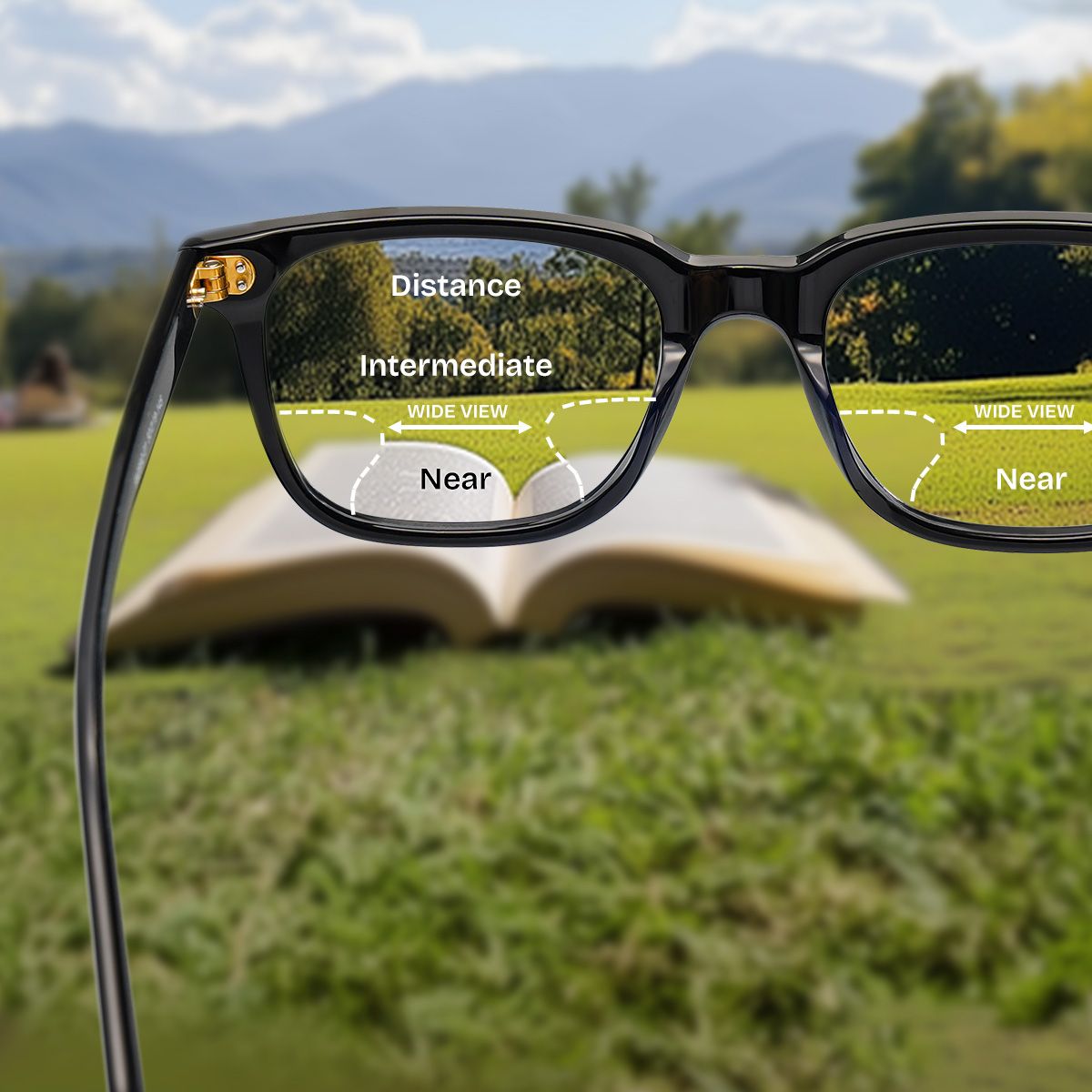
- Definition: This group includes myopia (nearsightedness), hyperopia (farsightedness), astigmatism, and presbyopia (focus problems with age).
- Symptoms: Blurry vision and difficulty reading. Eyes get tired. Headaches pop up. Many people squint or rub their eyes to see better.
- Causes: Often, it runs in families. The cornea or lens has a shape that bends light incorrectly. Presbyopia is different; it shows up as the lens stiffens with age.
- Management: Glasses or contacts fix the focus. Some choose laser surgery like LASIK. Regular eye exams matter too, because prescriptions change over time.
Cataracts
Cataracts often show up as people get older.
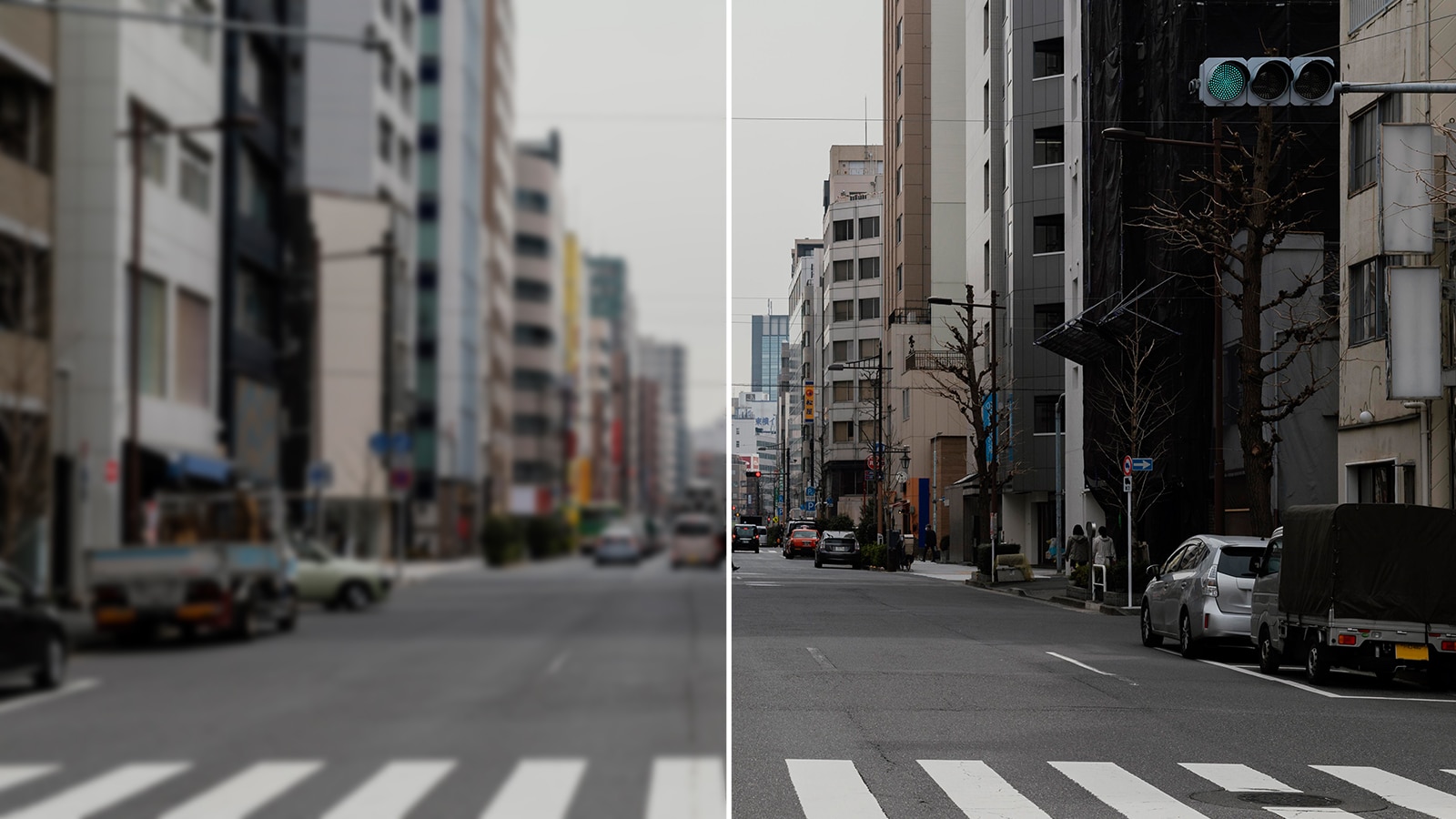
- Definition: A cataract is a cloudy lens. Instead of clear, the lens turns foggy. Vision loses sharpness.
- Symptoms: Blurry sight. Colors look dull. Glare and halos around lights. Trouble driving at night.
- Causes: Age is the big one. Too much sun, diabetes, and smoking raise the risk, too.
- Management: In the early stage, brighter lighting or new glasses may help. Long term, surgery is the real fix. The cloudy lens gets swapped with a clear artificial one. Sunglasses with UV protection slow down damage.
Glaucoma
Glaucoma is a leading cause of blindness worldwide.
- Definition: It damages the optic nerve, usually from high pressure inside the eye.
- Symptoms: Side vision fades first. People call it “tunnel vision.” Some feel pain or headaches or see halos around lights.
- Causes: High eye pressure plays a big role. Age and family history add risk.
- Management: Eye drops help lower pressure. Some people need laser treatment or surgery. Because it creeps up slowly, regular eye exams are key. Most people don’t notice until vision loss has become significant.

Age-Related Macular Degeneration (AMD)
AMD affects the center of your vision.
- Definition: It harms the macula, the part of the retina that controls sharp detail.
- Symptoms: Straight lines look bent. Words blur on a page. A dark or empty spot sits in the middle of vision.
- Causes: Aging tops the list. Genetics, smoking, and too much sun also raise the risk.
- Management: There’s no full cure, but doctors can slow it down. Anti-VEGF injections, special vitamins, and low-vision aids help. Lifestyle choices matter too: no smoking and good UV protection.
Dry Eye Syndrome
Dry eyes may seem minor, but they can be a daily source of discomfort.
- Definition: The eyes don’t make enough tears, or the tears are too weak.
- Symptoms: Itchiness, burning, gritty feeling. Eyes may water too much or feel sore in bright light.
- Causes: Aging, medicines, long hours on screens, or dry air.
- Management: Artificial tears bring relief. Blinking more during screen time or using a humidifier helps. Severe cases may need stronger treatment from a doctor.

When to See an Eye Care Professional
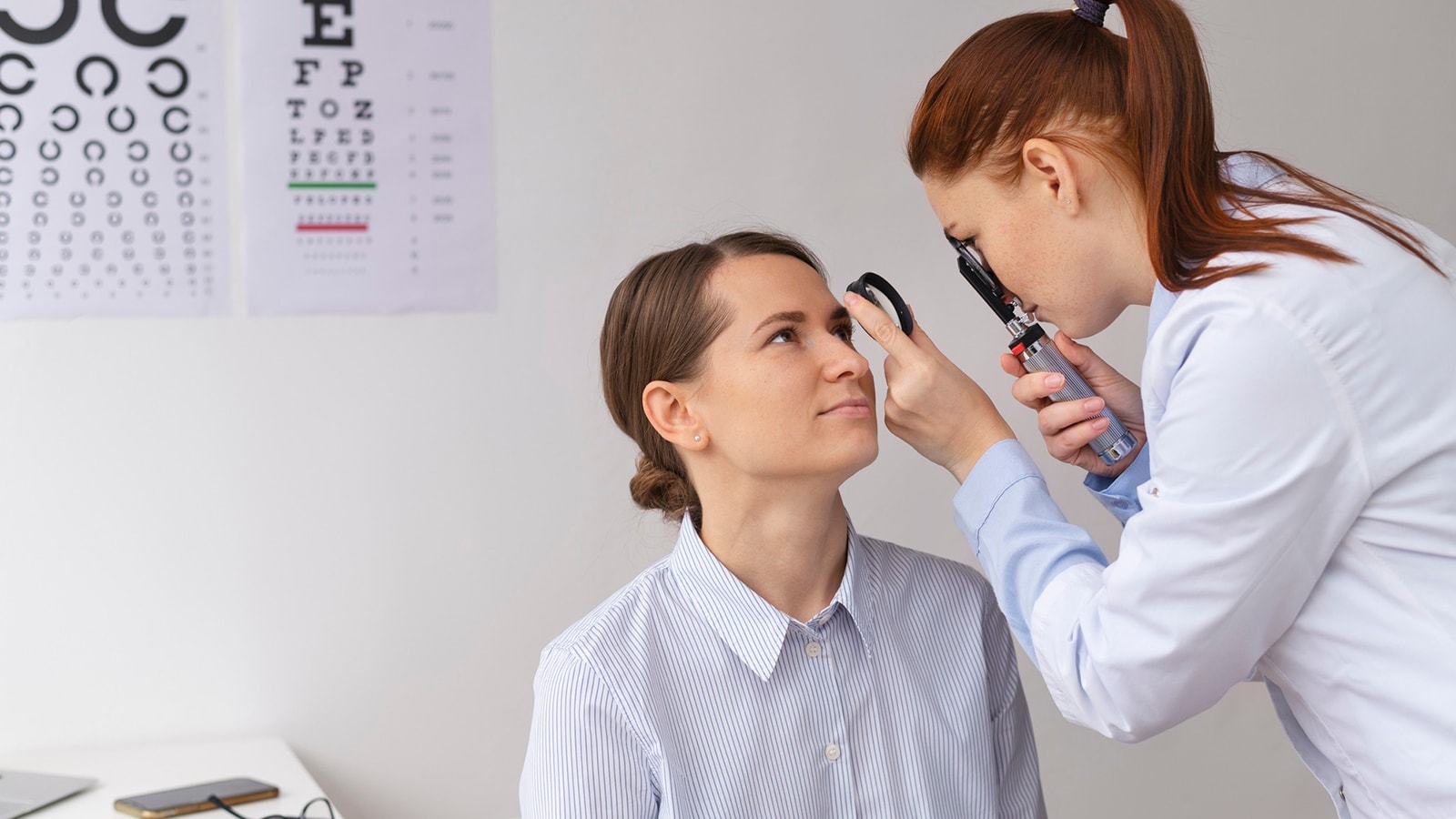
Not every eye issue indicates a serious problem, but some can be a sign of a more significant issue. Sudden vision loss, flashes of light, steady eye pain, or a dark spot in your view—these need fast care.
Regular eye exams matter even when you feel fine. Adults over 40 should not skip them. People with diabetes or a family history of eye disease should be checked more often.
Optometrists and ophthalmologists can spot problems early and guide eye condition treatments before damage grows.
Tips for Maintaining Eye Health
Simple habits protect your eyes.
- Eat foods rich in vitamins A, C, and E. Leafy greens, carrots, citrus fruits, and fish all help.
- Wear sunglasses that block UV rays. Follow the 20-20-20 rule for screens: every 20 minutes, look 20 feet away for 20 seconds.
- Quit smoking. It hurts the blood flow to the eyes. Keep health problems like diabetes and blood pressure under control. Use good light when reading or working.
- Small steps add up. Over time, they keep their vision stronger.
Conclusion
Eye conditions affect millions. From refractive errors to cataracts, glaucoma, AMD, and dry eye, each brings challenges.
The best defense is awareness and regular checkups. Healthy habits and regular care keep vision clearer for longer. Don’t wait for eye health problems to grow worse. See an eye care professional for advice that fits your needs.
Looking for glasses or more tips on eye health? Explore ZEELOOL and take steps to protect your vision every day.