






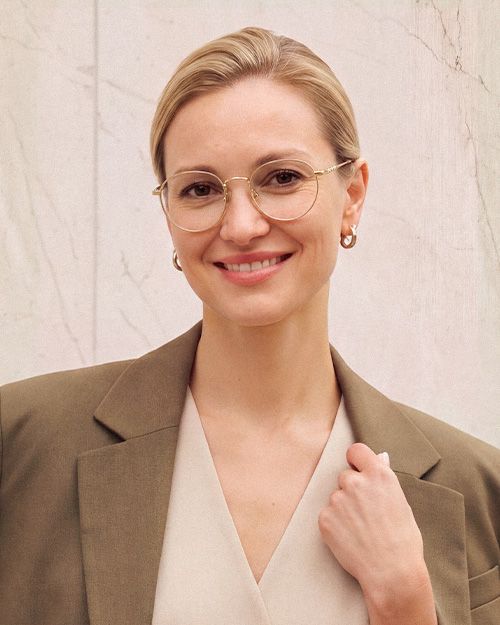



Yes, you can usually order multiple glasses with the same prescription if it is still valid, your vision needs have not changed, and every pair serves the same viewing purpose. However, different frames, lens materials, and lens designs can affect thickness, weight, fit, and comfort. Progressive lenses, prism prescriptions, strong prescriptions, and task-specific glasses may require additional measurements or professional guidance.
Key Takeaways
- Confirm that your eyeglass prescription is complete and still valid before ordering.
- Multiple pairs can share the same prescription while using different frames, coatings, tints, or lens materials.
- Frame size and fit can change lens thickness, optical positioning, weight, and comfort.
- Use an accurate pupillary distance, or PD, and provide any additional measurements requested.
- Ask an eye care professional to review progressive, prism, occupational, or strong prescriptions.
1. Can the Same Prescription Work in Different Frames?
Yes, the same prescription can usually work in different frames when it belongs to the same wearer, remains valid, and is intended for the same visual task. The laboratory uses the prescription to create the required lens power, then shapes and positions each lens for the selected frame.
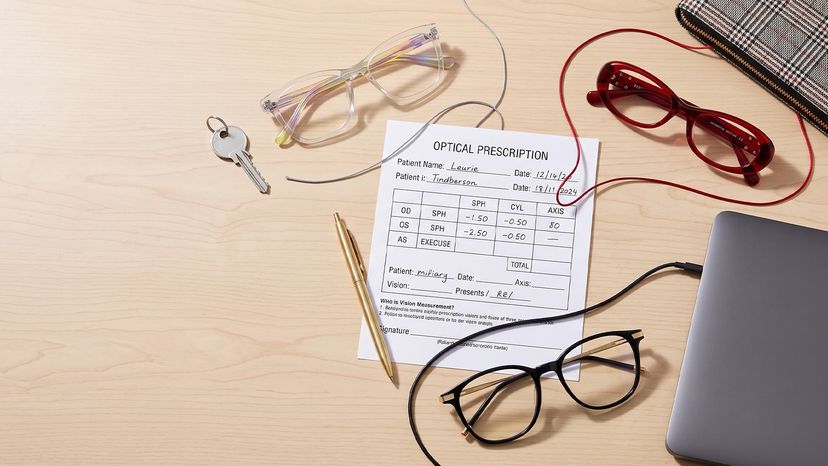
Before ordering, check whether your prescription is still valid. Do not assume that every prescription follows the same expiration period. Validity requirements can vary by jurisdiction, prescriber, and individual eye care needs, so check the date shown on your prescription or contact the issuing office.
Using the same prescription in different frames does not mean the finished glasses will look or feel identical. One frame may produce thinner, lighter lenses, while another may change how the glasses sit in front of your eyes. Correct frame measurements and optical centering still matter for every pair.
2. What Stays the Same—and What Can Change?
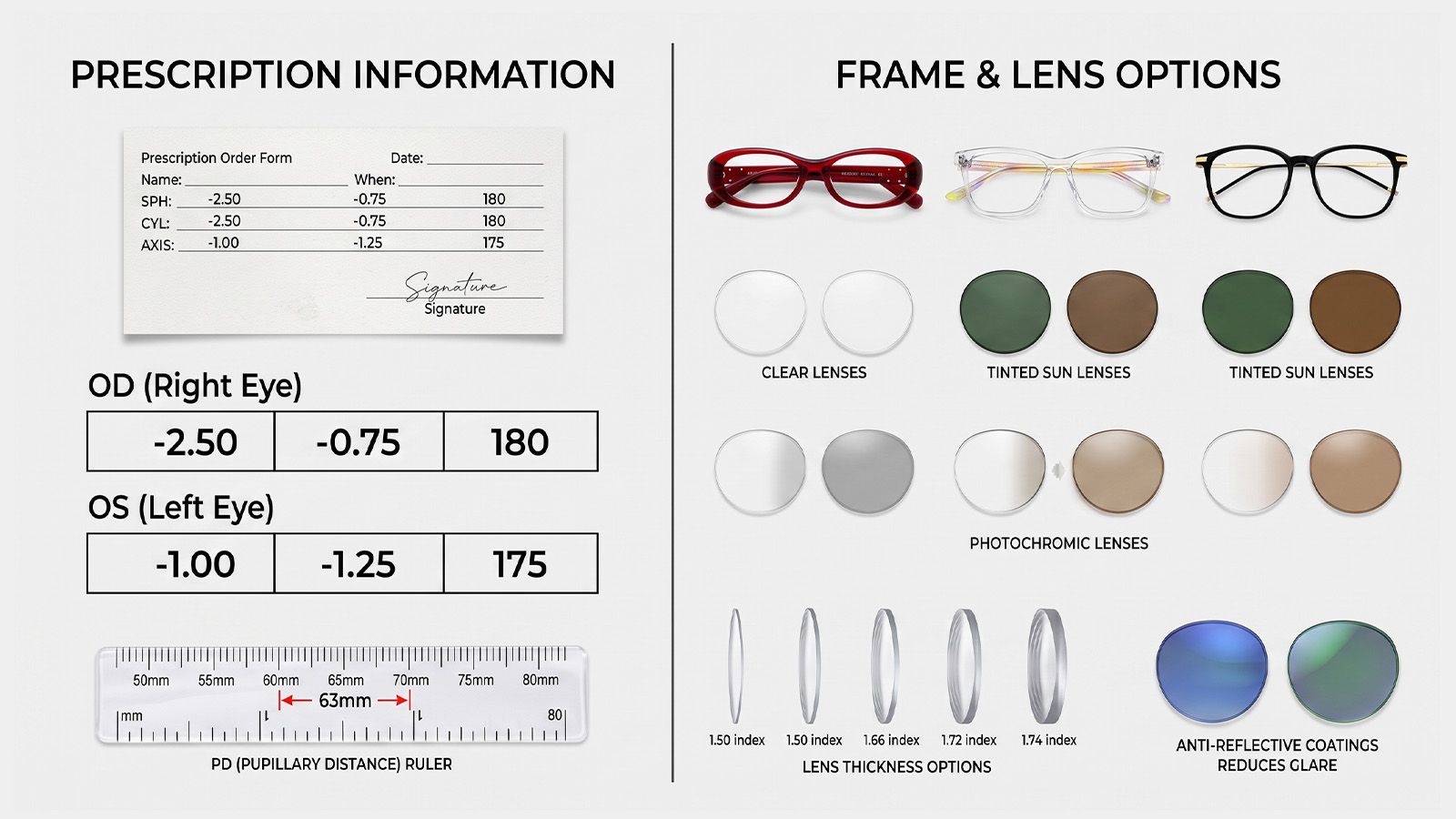
When you buy multiple pairs of glasses, the core prescription commonly stays the same. The frame, lens material, coatings, and other options can often be selected for the role of each pair.
| Category | Examples | What to Know |
|---|---|---|
| Usually stays the same | SPH, CYL, AXIS and prescribed PRISM or BASE values | Copy the values exactly for the correct eye. Do not round, reverse, or omit them. |
| Usually stays consistent | Distance PD for the same wearer | Selecting another frame does not change the physical distance between your pupils, although the order may require monocular PD or other measurements. |
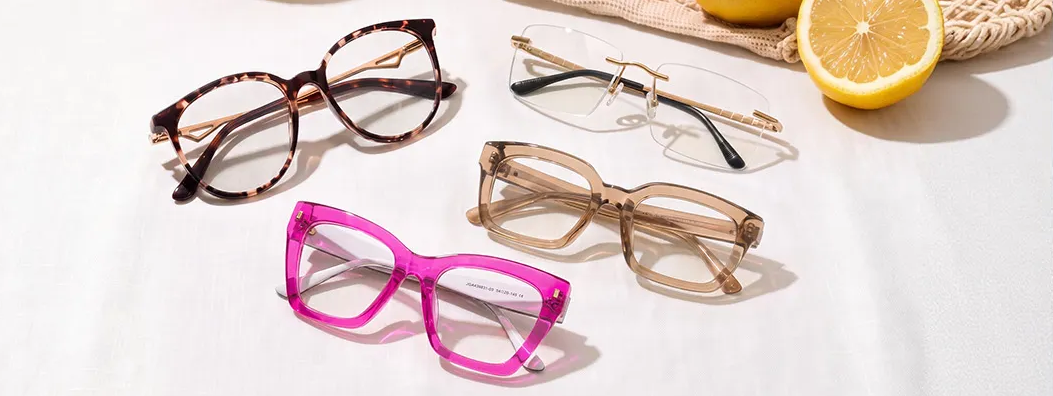
| Can vary by pair | Frame shape, size, color and material | These choices affect fit, weight, lens thickness and appearance. |
| Can vary by purpose | Lens material, index, coatings, tint, polarization and photochromic treatment | Available combinations may depend on the prescription, frame and retailer. |
| Requires closer review | ADD, prism, occupational powers and progressive design | These fields or designs may correspond to a specific viewing distance or fitting requirement. |
| Measured for the selected frame | Progressive fitting height and certain position-of-wear measurements | These measurements should not automatically be copied from one frame to another. |
If you are unsure which configuration fits each purpose, review the main types of prescription lenses before placing the order.
3. Why Different Frames Can Change the Final Result
The same prescription in different frames can produce glasses with different thickness, weight, optical positioning, and comfort. The prescription tells the laboratory what corrective power is needed, while the frame affects how the finished lenses are shaped and positioned.
3.1 Lens Size and Edge Thickness
Frame size determines how much lens material remains after the lens is cut. With many minus prescriptions for nearsightedness, larger lenses can have more noticeable edge thickness. Plus prescriptions for farsightedness are generally thicker toward the center, although the final appearance also depends on lens diameter, shape, index, and positioning.
A smaller, well-centered frame may help reduce the visible thickness and weight of stronger prescriptions. Learn more about choosing frames for high-prescription lenses.
3.2 Eye Position and Optical Centering
Your pupils should align appropriately with the optical areas of the lenses. PD helps position the lenses horizontally, but it is not the only consideration for every lens design.
The same frame can also sit differently on two people. For progressives and other customized lenses, the dispenser or laboratory may need measurements that reflect where your eyes sit within that particular frame.
3.3 Bridge Fit and Vertex Position
The bridge controls where the frame rests on your nose. A frame that slides, tilts, or sits farther from your eyes can change the position through which you view the lenses.
This does not necessarily change the written prescription, but it can change the wearing experience. The effect may be more noticeable with strong prescriptions, prism, progressives, or frames that fit very differently from your current pair.
3.4 Frame Weight, Material, and Comfort
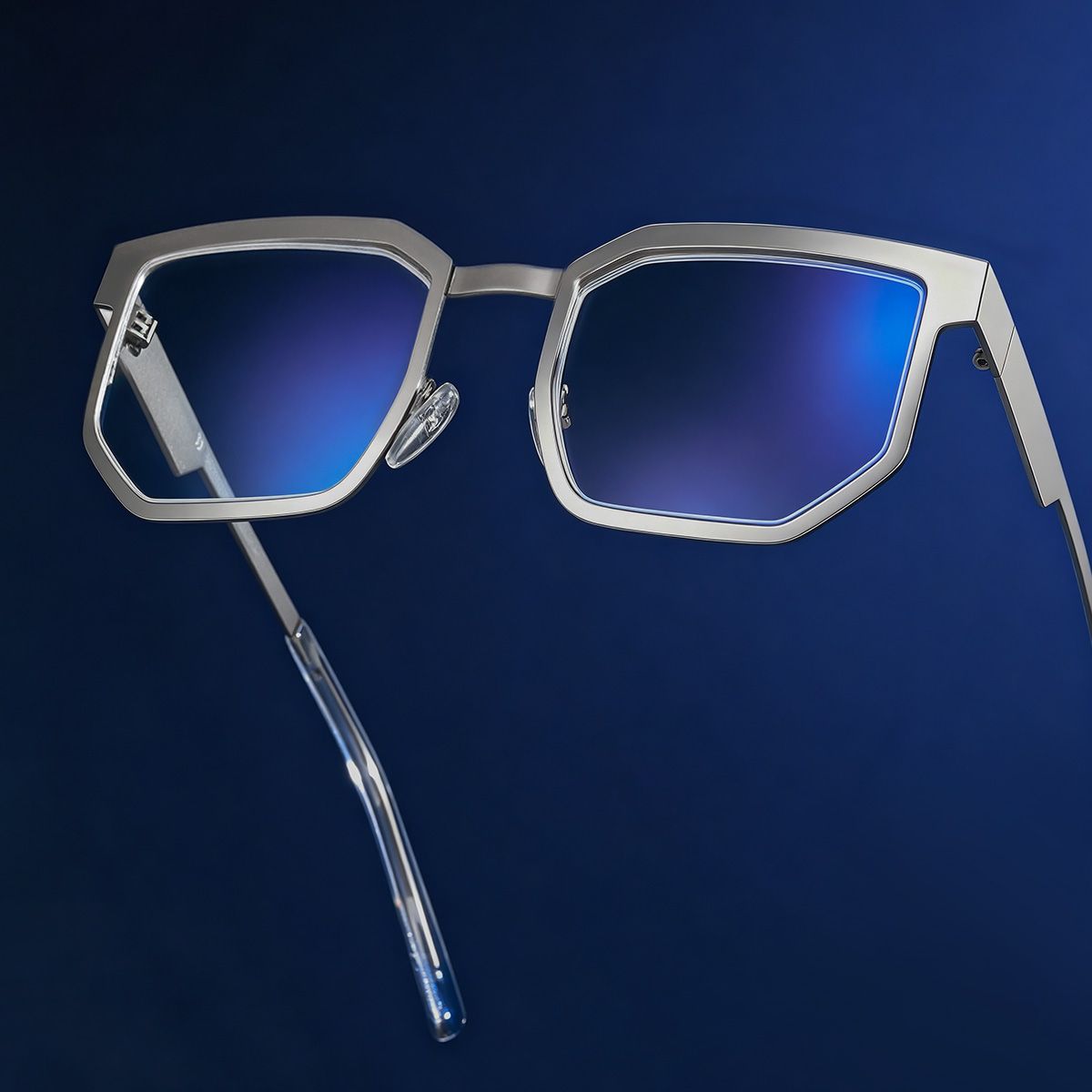
A lightweight metal frame may feel different from a bold acetate frame, even when both contain lenses made from the same prescription. Temple length, bridge width, nose-pad design, total lens weight, and frame flexibility all affect comfort.
Think of the prescription as one part of the finished product. Accurate lenses still need a frame that fits securely and comfortably.
4. Do All Pairs Need the Same Lens Type?
No, all pairs do not necessarily need the same lens type. The best configuration depends on what you need each pair to do, but any change in corrective power or viewing distance should be based on professional advice rather than guesswork.
4.1 Everyday Glasses
An everyday pair should match the distances and activities covered by your prescription. Comfort, durability, frame stability, and coatings such as anti-reflective treatment may be useful considerations for frequent wear.
4.2 Work or Screen Glasses
A work pair can use the same prescription if it is intended for the same viewing distances as your everyday glasses. However, computer or occupational lenses may use a different design or power based on working distance.
Do not convert a distance prescription into computer glasses yourself. If you need task-specific correction, ask your eye care professional what should be entered. Optional blue-light-filtering treatments should not be presented as a substitute for appropriate vision correction, screen breaks, or professional care.
4.3 Prescription Sunglasses
Prescription sunglasses can often use the same distance prescription as an everyday distance pair, with compatible sun-lens options added. Depending on availability, these may include tint, polarization, UV protection, or photochromic treatment.
If your everyday glasses use progressives or another multifocal design, decide whether your sunglasses need the same range of vision. Driving, reading outdoors, and general distance use may call for different configurations.
4.4 Backup Glasses
A backup pair can mirror the configuration of your main pair, but it does not have to match the frame, color, material, or coatings. Make sure it still provides the correction you need for the situations in which you expect to use it.
Do not remove an ADD value, prism, or another prescribed component simply to make a backup pair less expensive without first discussing the change with a qualified professional.
5. Extra Considerations for Progressives and Strong Prescriptions
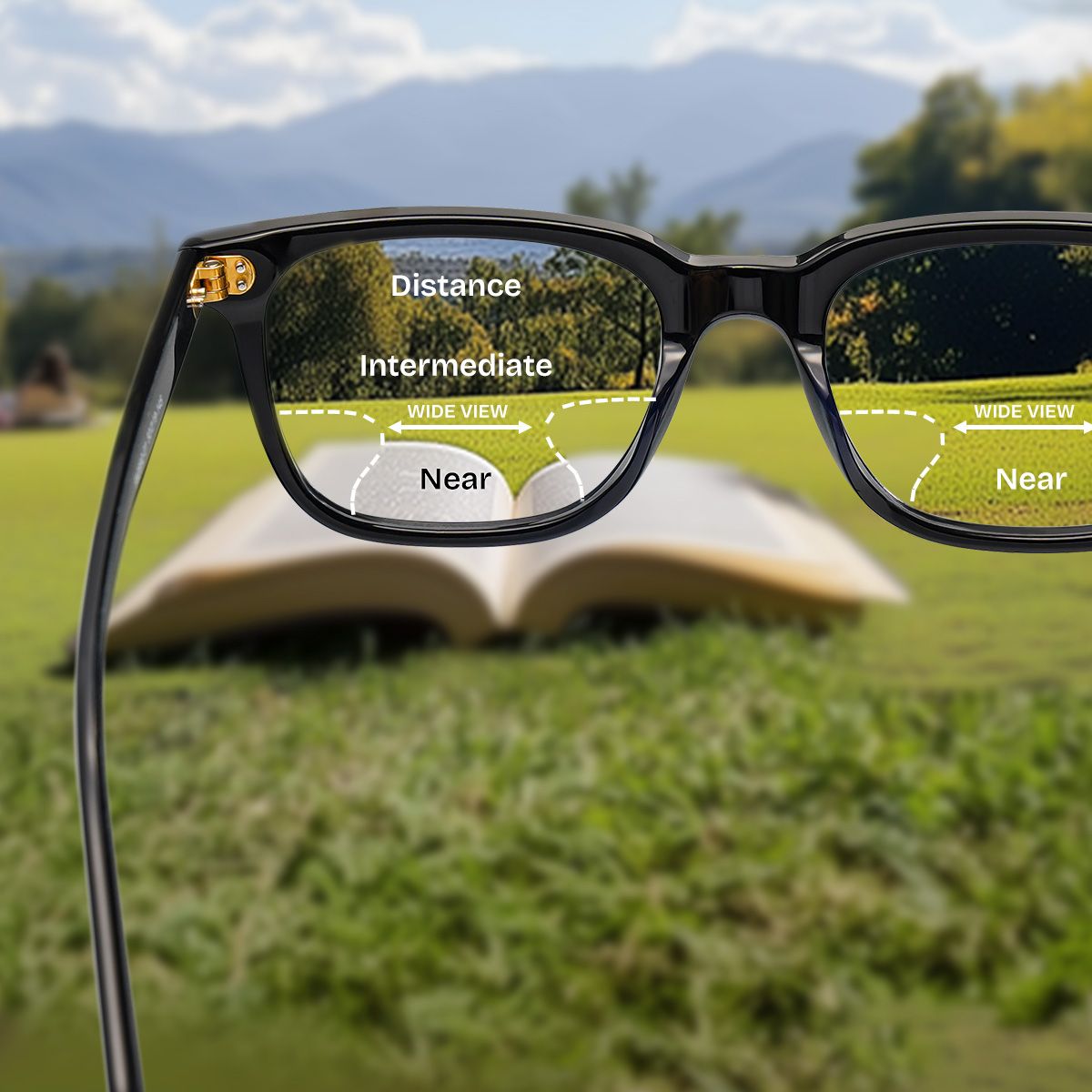
Multiple progressive glasses can use the same valid prescription, but each frame must be suitable for the lens design and measured appropriately. Progressive lenses distribute distance, intermediate, and near powers across different areas of the lens, so frame stability and fitting measurements are especially important.
The American Optometric Association’s 2024 paraoptometric examination outline includes interpupillary distance, optical-center or fitting-cross height, frame fit, pantoscopic tilt, and vertex distance among the measurements relevant to spectacle dispensing. The College of Optometrists similarly describes PD as one of several facial measurements used during dispensing rather than the complete prescription by itself.
Before choosing another frame, review which frames work well with progressive lenses. A very shallow or unstable frame may not suit the selected progressive design, even if it can physically hold prescription lenses.
Strong prescriptions also deserve closer review because frame dimensions and lens index can noticeably affect thickness, weight, magnification, and comfort. A higher-index lens may make one pair thinner, but the most suitable material still depends on the prescription, frame, visual priorities, and available lens options.
Professional review is particularly important when an order includes:
- Progressive or occupational lenses
- Prism correction
- A high plus or minus prescription
- A large difference between the two eyes
- A major change in frame size or position
- Previous difficulty adapting to new glasses
6. Checklist for Ordering Multiple Pairs
Use this checklist separately for every pair rather than assuming that the first order automatically applies to the rest.
- Confirm that the prescription belongs to the intended wearer.
- Check that the prescription is complete and has not expired.
- Match the right-eye and left-eye values exactly.
- Confirm SPH, CYL, AXIS, ADD, PRISM and BASE where applicable.
- Enter an accurate PD in the format requested.
- Define the main purpose of the pair: everyday, work, outdoor, weekend, or backup.
- Check frame width, lens width, lens height, bridge width and temple length.
- Confirm that the frame supports the selected prescription and lens design.
- Select the lens material, index, coatings, tint, or other options intentionally.
- Review each pair in the cart before submitting the order.
- Read the current return, exchange, and remake policies before purchasing.
- Ask an eye care professional about any unclear or task-specific values.
7. How to Give Each Pair a Clear Role
An eyewear rotation works best when each pair has a clear purpose. You might choose one comfortable, versatile pair for everyday wear, a polished pair for work, and a more expressive frame for weekends. A practical backup pair can also be useful when your main glasses are being adjusted, repaired, or temporarily misplaced.

The prescription may stay the same across the rotation, while the frame and compatible lens options support different parts of your routine:
- Everyday: Comfortable fit and easy-to-style frame
- Work: Stable fit and a design appropriate for your regular working environment
- Weekend: A bolder color, shape, or material
- Outdoor: Prescription sun lenses suited to the intended activity
- Backup: Dependable correction in a simple, practical configuration
This approach lets you build variety without treating every pair as interchangeable. Each pair should still provide the correction and fit required for its intended use.
8. Build Glasses Around Your Routine
Explore ZEELOOL’s full eyeglasses collection, browse versatile Daily Essentials glasses, or find frames for a polished Professional Life look. Choose each frame for a clear role, then confirm that its prescription and lens configuration match how you plan to wear it.
FAQ
Does PD Change Between Frames?
Your physical pupillary distance does not change because you choose another frame. However, an order may require distance PD, near PD, or separate monocular values. Progressive and customized lenses may also require frame-specific fitting measurements in addition to PD.
Can Each Pair Use a Different Lens Index?
Yes, different pairs can often use different lens indexes if each option is compatible with the prescription and frame. Index affects factors such as lens thickness, weight, optical properties, and cost. Ask a qualified professional which material is appropriate for a strong or complex prescription.
Can I Reuse an Old Prescription?
Only use an old prescription if it is still valid and continues to meet your current vision needs. In the United States, eyeglass prescription expiration is governed by state requirements and individual circumstances. The Federal Trade Commission advises consumers not to use an expired prescription and to maintain regular comprehensive eye examinations.
What About Progressive Lenses?
You can order multiple progressive glasses from the same valid prescription, but each frame must support the chosen progressive design. Accurate PD, fitting height, frame fit, and lens positioning are particularly important, so professional review is recommended before ordering.
References
- Federal Trade Commission. “Complying with the Eyeglass Rule.” Updated 2024.
- The College of Optometrists. “Prescribing Spectacles.” Clinical guidance accessed 2026.
- American Optometric Association. “Certified Paraoptometric (CPOT) Certification Examination Expanded Outline.” Approved April 2024.
Medical Disclaimer: This article is for general informational purposes only and is not a substitute for professional eye care, diagnosis, or treatment. Consult a qualified eye care professional for advice about your individual vision needs.