







Key Factors & Conclusion
Common and Often Temporary: Astigmatism is a very common vision issue in infants that is often mild. As their eyes develop, many babies will outgrow the condition on their own by age two.
Observation is Key: Parents should watch for signs like frequent eye rubbing, head tilting, or squinting. If you notice these behaviors, it's important to mention them to your pediatrician during checkups.
Early Diagnosis is Crucial: Early detection through regular checkups is vital. If needed, treatment with baby-friendly glasses is safe and effective, preventing long-term issues like lazy eye and ensuring healthy vision development.
You watch your baby closely every day. Maybe you notice their eyes crossing sometimes. Maybe they don’t look at your face for long. It can make you worry. Many parents feel the same. Doctors often find astigmatism in babies during early checkups.
Astigmatism means the clear front part of the eye or the lens inside has a curve that is not even. This makes light bend in the wrong way. The picture on the retina looks blurry. Studies show it is very common in the first two years of life. Most cases are mild. Some clear up on their own.
This guide looks at why astigmatism happens, how to spot it, how doctors test it, and when babies may need glasses. We will also share simple tips to support healthy eyes. Let’s start with what causes it.
What Is Astigmatism and Why Does It Occur in Babies?
Astigmatism is not a disease. It is a type of vision error. Light does not land in one sharp spot. The cornea or the lens is shaped more like an oval than a round ball. This shape bends light in two directions at once. The brain gets a blurry picture.
Two kinds exist. One comes from the cornea. The other comes from the lens. Both cause blur at any distance. Up to 3 in 10 newborns show some level of astigmatism. Many outgrow it by the age of two.
Here are a few key things parents should know:
- Babies are often born with astigmatism since their eyes are still maturing.
- It blurs near and far vision, not just one or the other.
- If untreated, it may lead to lazy eye.
Family history plays a big part. If you wear glasses for astigmatism, your baby may have a 50% higher chance of it. The shape of the eye begins in the womb and changes after birth. That is why some babies improve as they grow.
Babies born prematurely or with a low birth weight may also face a higher risk. Still, this does not always cause problems. It just means parents and doctors should watch closely.
Signs and Symptoms of Astigmatism in Babies
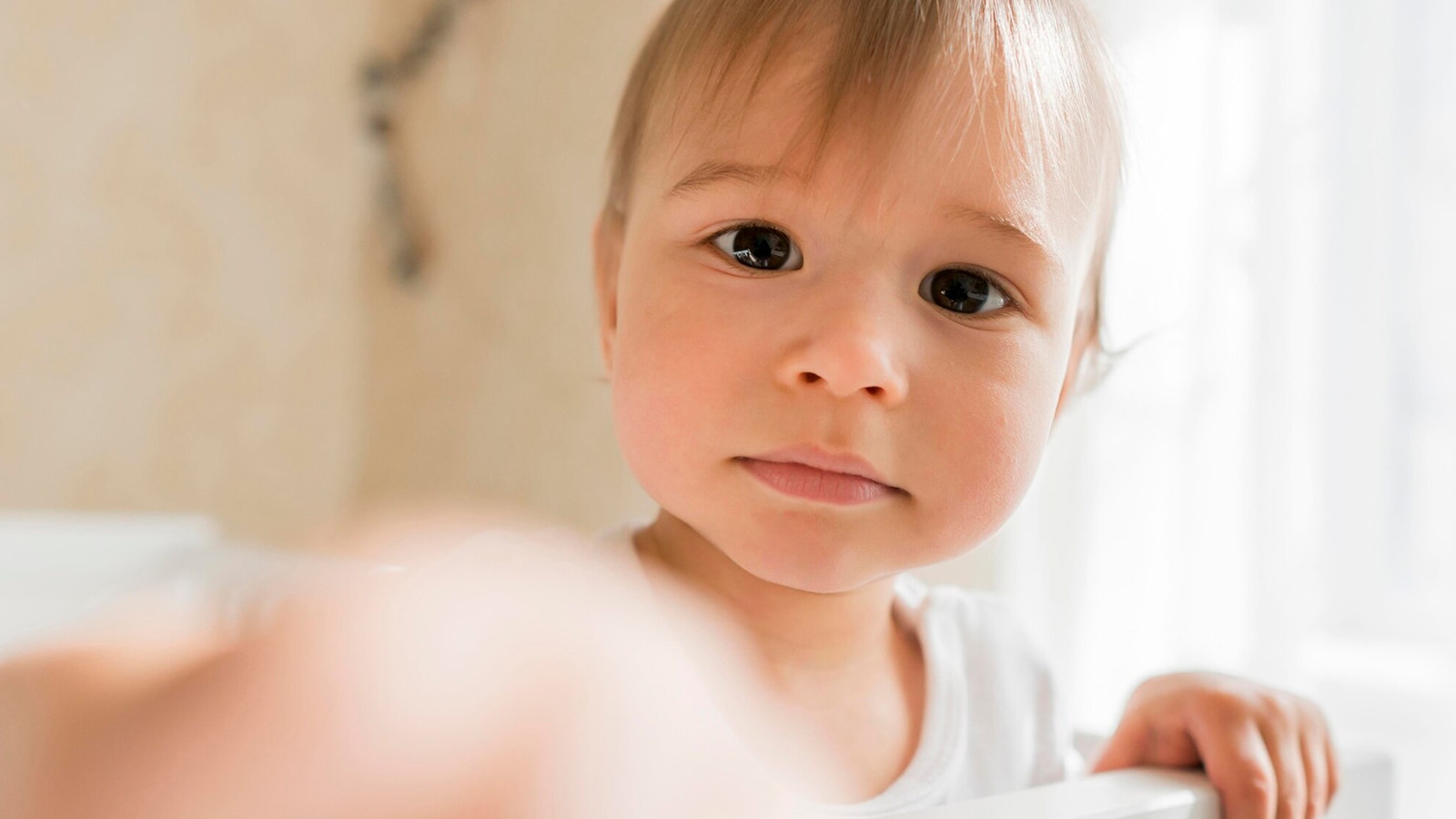
As parents, you play a crucial role in observing signs of astigmatism in your baby. Around two months, babies usually follow a toy with their eyes. By around three months, most babies will start to focus on faces. If this does not happen, vision may be unclear.
Some babies rub their eyes often. Others tilt their heads or squint. They may get fussy during play because their eyes feel tired. Blurry sight can slow learning.
Astigmatism can also look like other eye issues. Some babies have crossed eyes. Some have both at once. Only an eye exam can tell for sure. If not treated, strong astigmatism may affect how the brain and eyes work together.
Common Indicators Parents Might Notice
Parents may see early hints. Look for these signs:
- In newborns, eyes water often, light bothers them, or they don’t fix on light by one month.
- Between 3 and 6 months: head tilts, eye rubbing, or not reaching for toys.
- At any age: covering one eye, uneven pupils, or watery eyes.
Since babies can’t talk, parents must observe. If you notice more than one of these, talk with your pediatrician or an eye doctor. A checkup is simple and can bring peace of mind.
Diagnosing Astigmatism in Infants: When and How
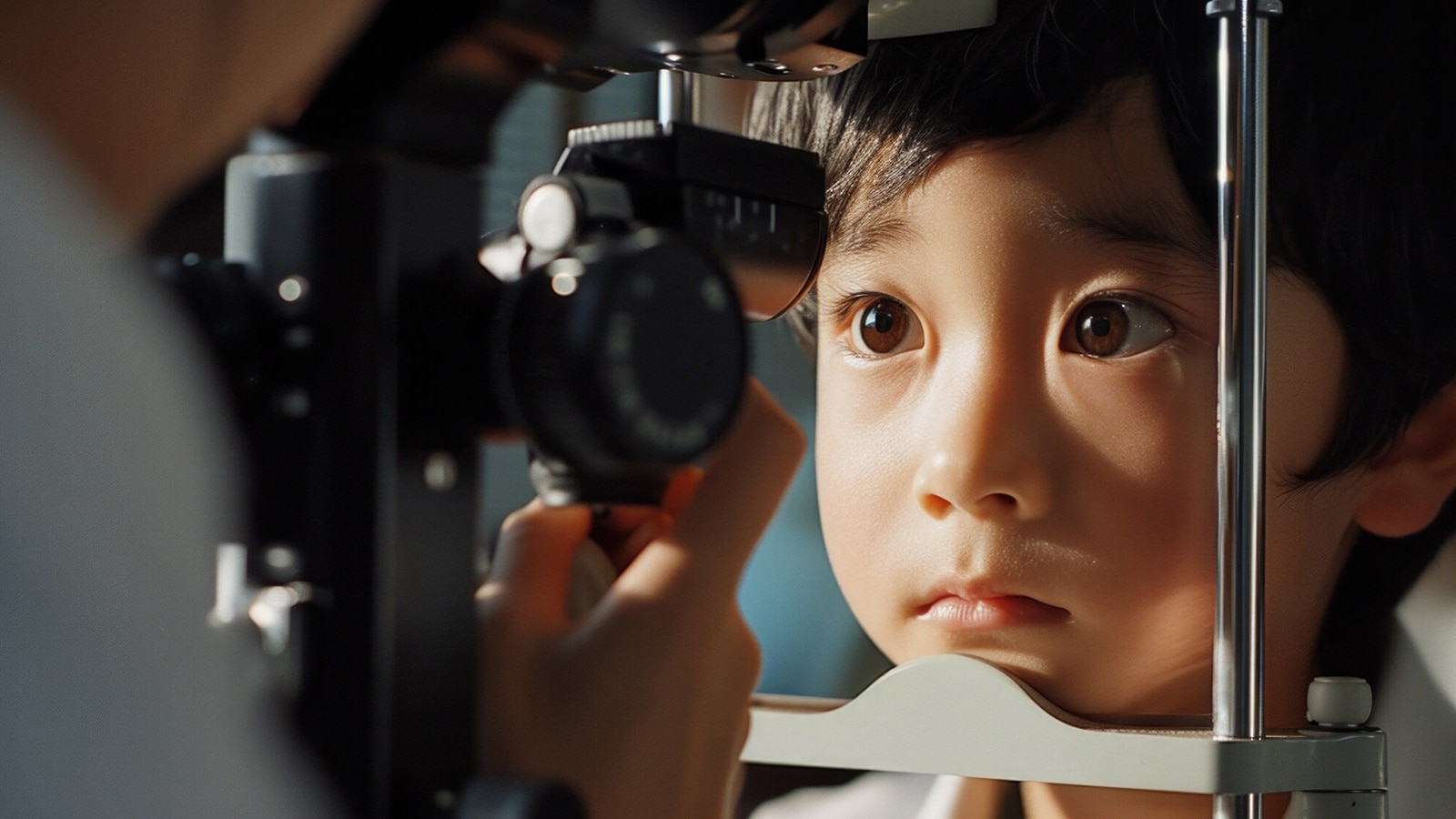
Doctors usually check your baby's eyes during regular well-child visits. Special tests can show how light reflects in the eye, even if a child cannot answer questions. This makes it possible to test infants.
Most eye growth happens before age three. Early checks are key. If astigmatism is found early, treatment works better. If it is missed, the risk of lazy eye rises. Around 2 to 3% of babies may develop this problem if astigmatism is not corrected.
A full eye exam before preschool is also smart. This way, doctors can track changes as your child grows.
Do Babies With Astigmatism Need Glasses?
Not every baby needs glasses. If the astigmatism is very mild, under one diopter, it often fades by itself. By preschool, many children see more clearly.
Glasses are used for stronger cases, especially above two diopters, or when one eye is much blurrier than the other. If only one eye sees well, the other may grow weaker. Glasses keep both eyes active.
Glasses made for infants with astigmatism are soft, flexible, and often come with straps that gently wrap around the head. Many have straps that fit gently around the head. They are safe to wear all day. Parents may worry babies won’t keep them on, but most adjust quickly.
The benefit is clear vision. The brain needs sharp input during the first years of life. With glasses, babies can see toys, faces, and books better. Even if vision improves later, glasses help protect eye growth now. About 80% of kids outgrow strong astigmatism by school age, but follow-up exams matter.
Prevention and Tips for Supporting Baby Eye Health
Astigmatism cannot always be stopped. Still, parents can protect eye health with small steps:
- Keep all baby checkups. Ask the doctor to check the eyes.
- During pregnancy, eat foods with omega-3 and vitamins that help eye growth.
- After birth, give babies tummy time. Show them colorful objects to train their focus.
- Shield eyes from bright sunlight with hats or shade.
- If family history is strong, ask for an early exam.
These habits don’t erase astigmatism. They do support strong, healthy eyes as your baby grows.
Conclusion
Astigmatism in infants is common and often fades as the eyes grow. It happens when the cornea or lens curves unevenly. Parents may see signs like head tilts, rubbing eyes, or slow focus on faces. Doctors can test for it early. If needed, glasses can guide the eyes and brain to work together.
The key is early action. With regular checks, parents can make sure vision develops well. If you have doubts, schedule an eye exam. Simple care today can protect sight tomorrow. Every look your baby makes is precious. For more family-friendly eye care tips, visit glasses online ZEELOOL to get more learning resources.
FAQ
What is astigmatism in a baby?
Astigmatism is a refractive error caused by an uneven curve of the cornea or lens, which can blur or distort vision. It is common in babies and young children. Only a pediatric eye examination can determine its amount and whether it requires monitoring or correction.
Can babies outgrow astigmatism?
Mild astigmatism can change as the eyes grow, but parents should not assume it will disappear. Higher, unequal, or persistent astigmatism can interfere with visual development. Follow the examination schedule recommended by a pediatric ophthalmologist or optometrist.
What are signs of astigmatism in infants?
Possible signs include frequent squinting, eye rubbing, head tilting, difficulty tracking objects, sitting very close to visual targets, or one eye appearing to work differently. Many babies show no obvious symptoms, which is why screening and referral findings matter.
How is astigmatism in babies treated?
Treatment depends on age, severity, whether both eyes are affected equally, and the risk of amblyopia. A clinician may monitor mild cases or prescribe glasses; additional treatment may be needed if lazy eye develops. Early professional follow-up protects visual development and should not be replaced by home testing.