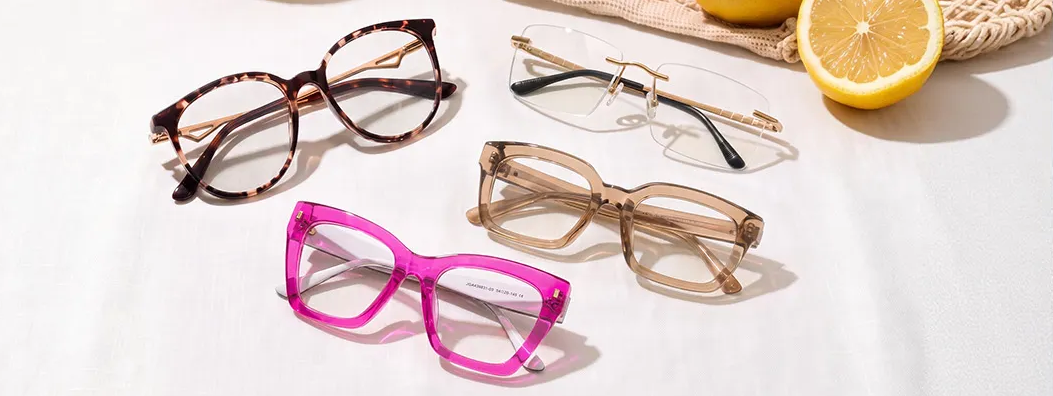


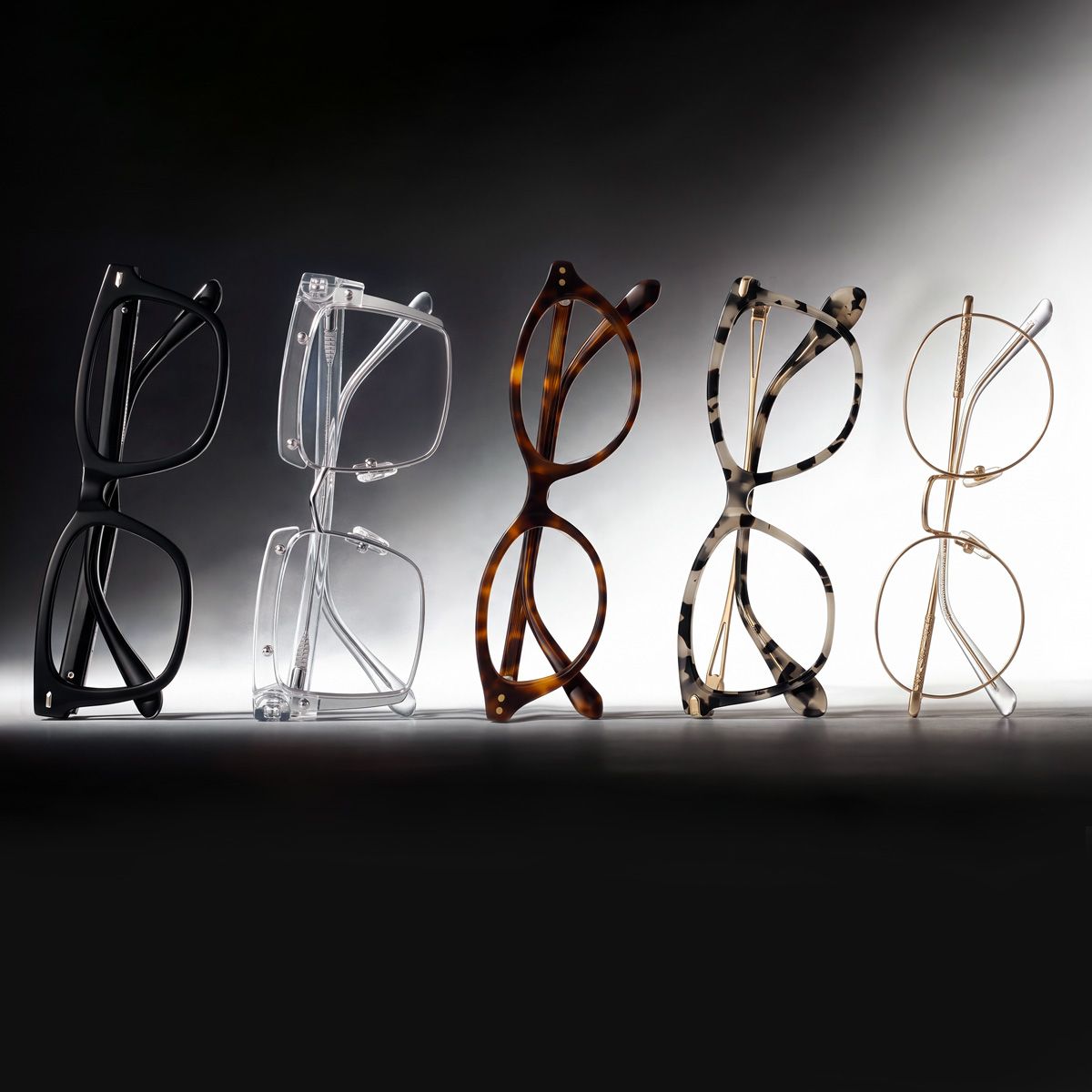








Key Factors & Conclusion
Can Glasses Correct Astigmatism: Yes, specially designed "toric" lenses with cylindrical power and a specific axis can correct the irregular curvature that causes blurry vision.
Lenses Fix Focusing Errors: Astigmatism blurs vision by creating multiple focal points, which glasses fix by redirecting light to a single, sharp point on the retina.
Proper Fit is Essential: The effectiveness of glasses depends on a precise prescription and a well-fitting frame to ensure the lenses are centered and the correction is properly aligned.
Can eyeglasses correct astigmatism? In most cases, yes. Prescription glasses can correct astigmatism by using CYL and axis values to compensate for the uneven curve of the cornea or lens. This helps light focus more clearly on the retina, reducing blur, shadowing, and distortion while you wear the glasses. However, glasses do not permanently fix or cure astigmatism. This guide explains how astigmatism glasses work, what CYL and axis mean, and how to choose lenses and frames for better visual comfort.
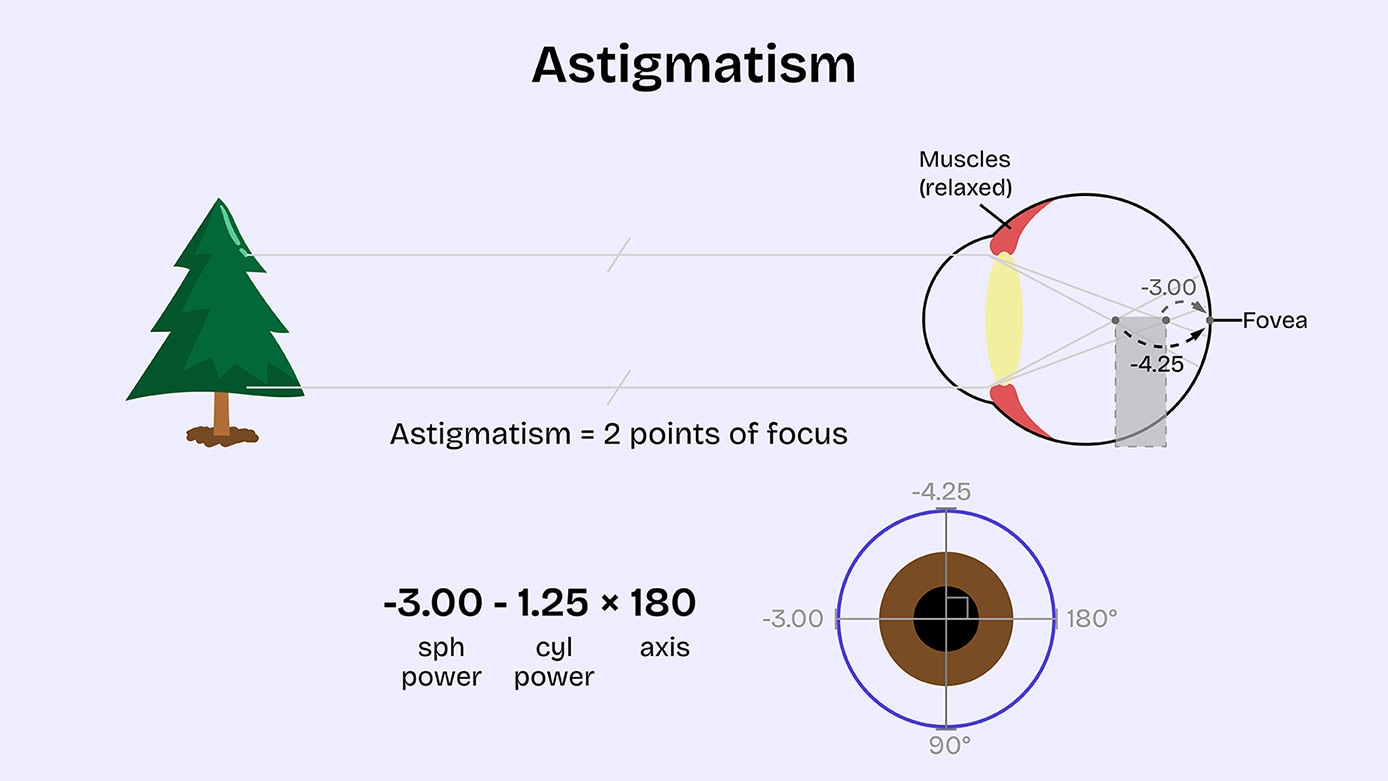
Can Glasses Correct Astigmatism?
Yes—glasses can correct astigmatism. Prescription lenses for astigmatism use cylindrical power to refocus incoming light onto a single, sharp image on the retina. Most people with regular (symmetrical) corneal or lenticular astigmatism benefit, including those who also have nearsightedness or farsightedness.
How Toric Lenses Correct Astigmatism
Toric lenses add cylindrical (CYL) power aligned to a specific axis so that the meridian with the greatest curvature receives precise correction. This alignment collapses the multiple focal lines created by astigmatism into a single focal point on the retina, restoring clarity for text, screens, and road signs.
Limits: Very High or Irregular Astigmatism
Glasses remain effective for a wide range of prescriptions, but extremely high or irregular astigmatism (often from conditions like keratoconus or post-surgical changes) may not achieve fully crisp vision with spectacles alone. In those cases, specialty contacts (e.g., rigid gas permeable) or medical/surgical options may be considered after a professional evaluation.
What Is Astigmatism?
Astigmatism is a focusing error caused by irregular curvature in the cornea or lens, producing two principal meridians with different powers. Instead of one crisp focal point, images smear into lines or multiple foci, which the brain perceives as blur or ghosting.
Corneal vs. Lenticular Astigmatism
Corneal astigmatism arises from uneven corneal curvature. Lenticular astigmatism originates from the lens inside the eye. Both can be measured during a comprehensive eye exam and corrected with glasses, contacts, or other options depending on severity.
Genetic Factors, Trauma, Surgery, Keratoconus
Many people inherit astigmatism. Others develop it after trauma, certain surgeries, or conditions such as keratoconus. Sometimes the exact cause remains unclear, but routine eye exams can detect changes early and guide timely correction.
Symptoms & Diagnosis: When To See an Optometrist
Common symptoms include blurred or shadowed vision at all distances, eye strain, headaches, squinting, and difficulty with night lights (halos, starbursts). If you notice these, schedule a comprehensive exam; only a licensed professional can confirm astigmatism and prescribe the right correction.
Do Glasses Fix or Cure Astigmatism?
Glasses can fix blurry vision caused by astigmatism while you are wearing them, but they do not cure astigmatism or permanently change the shape of your eye. A better way to say it is that glasses correct astigmatism optically. They use prescription lens power to compensate for the uneven focusing pattern, so your vision looks clearer through the lenses. If you take the glasses off, the underlying astigmatism is still there.
How Glasses Correct Astigmatism
To understand how glasses restore clear vision, you need to know the key terms on your prescription.
What CYL Means in Your Prescription
CYL indicates the cylindrical power used to neutralize the extra curvature in one meridian. Higher absolute values typically mean stronger correction.
What Axis Means (1–180°)
Axis specifies the orientation (in degrees) of that cylindrical power. CYL and Axis always appear together because direction matters for aligning the correction with your unique corneal shape.
Combining Astigmatism With Myopia/Hyperopia
Many prescriptions include both SPH (sphere) for near- or farsightedness and CYL/axis for astigmatism. Properly calibrated lenses address all components simultaneously so that near, intermediate, and distance vision are clear.
Best Glasses for Astigmatism
Beyond the prescription itself, the right lens materials and frame choices can make a huge difference in your comfort and clarity.
Lens Types: Single-Vision, Progressive, Anti-Fatigue
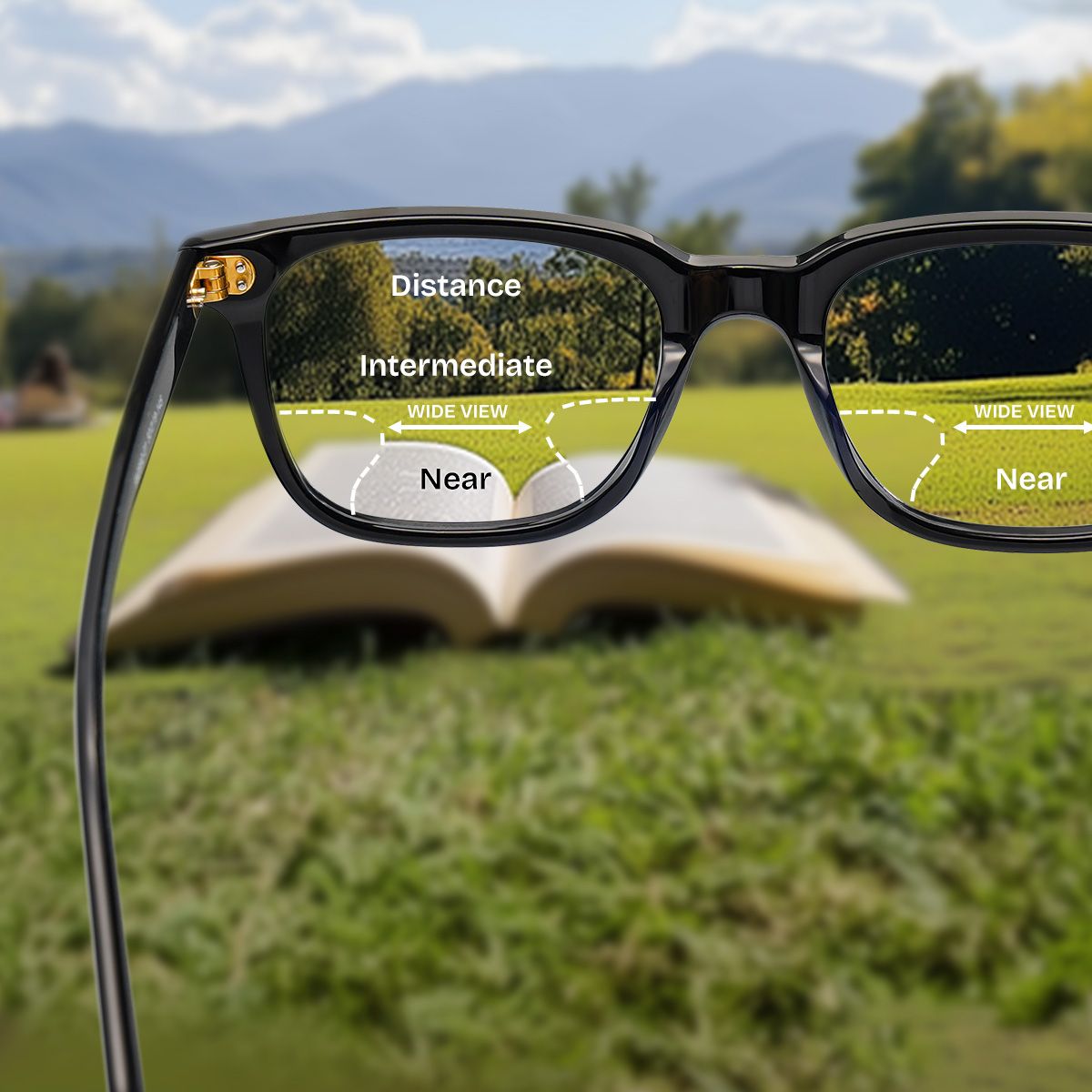
Single-vision lenses suit most people who only need distance or near correction. If you also have presbyopia, progressive lenses provide smooth transitions across distances. Anti-fatigue options add a gentle boost for screen time to ease the strain that often accompanies astigmatism.
Lens Materials: Polycarbonate vs. High-Index
Polycarbonate works well for mild–moderate prescriptions and is impact-resistant. For stronger astigmatism powers, high-index materials help keep lenses thinner and lighter.
Must-Have Coatings: Anti-Reflective for Night Driving
Anti-reflective (AR) coatings cut glare, halos, and distracting reflections—especially helpful at night—improving contrast and comfort. Scratch-resistant and smudge-resistant layers maintain clarity day to day.
Frame Tips: Avoid Wraparound; Fit Matters
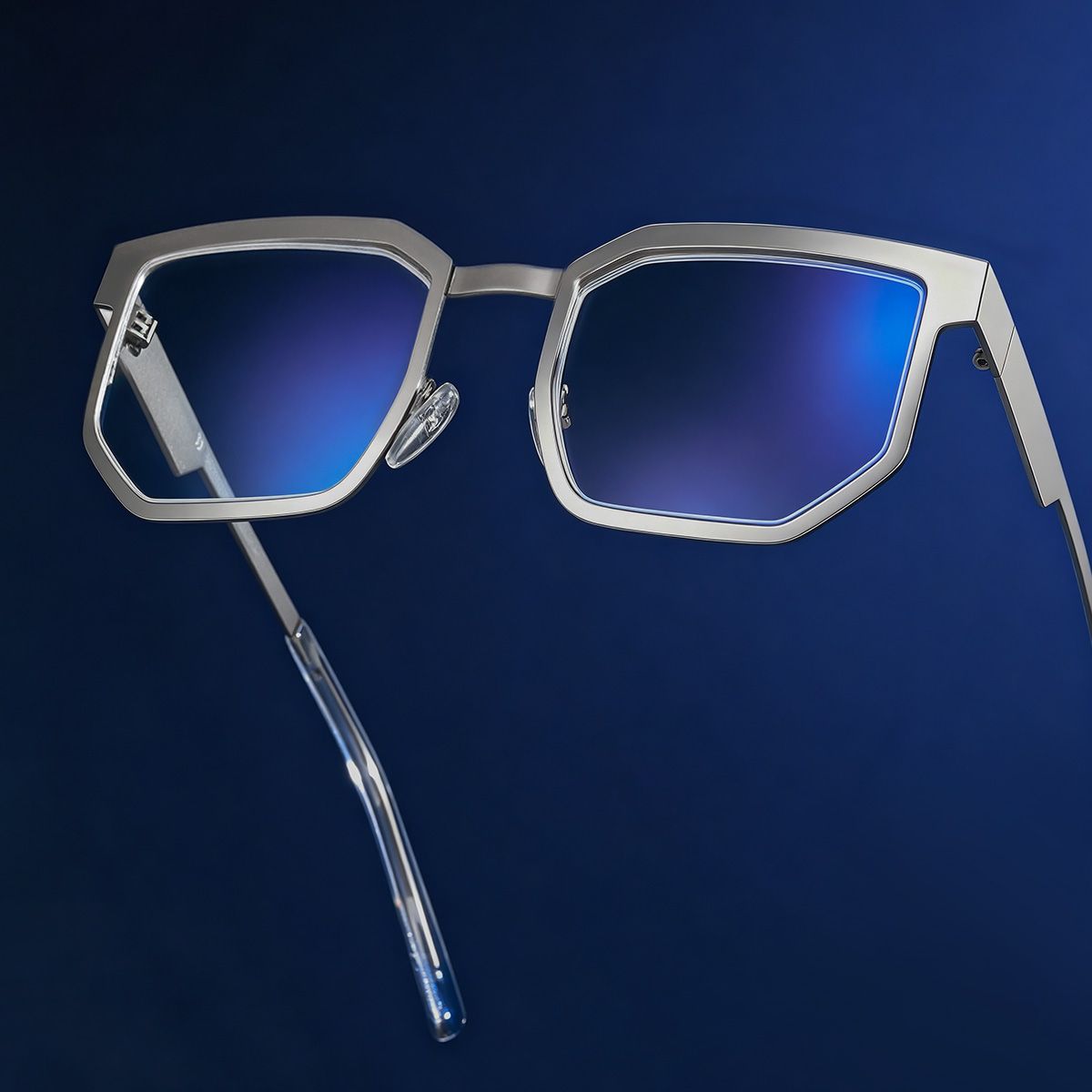
Strongly curved, wraparound frames can introduce peripheral distortions. Choose flatter fronts and ensure proper fit, pupillary distance, and lens centration for stable, comfortable vision.
Other Ways to Correct Astigmatism
Besides glasses, you have several other choices to gain clear vision.
Refractive Surgery (LASIK/PRK)
People who want to get contacts need to have steady prescriptions and healthy eyes. Common things to think about include short-term dry eyes and extra light sensitivity. A thorough check-up and eye mapping help make choices that fit each person.
Orthokeratology (Night Lenses)
Ortho-K can help selected patients—often with mild-to-moderate astigmatism—who want lens-free daytime vision. Regular follow-up ensures safe, stable results.
Astigmatism Correction Options
| Option | Can It Correct Astigmatism? | Best For | Notes |
|---|---|---|---|
| Prescription glasses | Yes, for most regular astigmatism | Everyday vision correction, easy wear, lower maintenance | Uses CYL and Axis values in the prescription |
| Toric contact lenses | Yes | People who prefer no glasses or need wider peripheral vision | Requires proper fitting and regular lens care |
| Specialty contacts | Sometimes | Irregular or higher astigmatism cases | Usually needs professional evaluation |
| Refractive surgery | Sometimes | Eligible adults who want to reduce dependence on glasses or contacts | Requires an eye exam and medical consultation |
Adjusting to New Glasses for Astigmatism
It’s completely normal to need a little time to get used to your new glasses.
Normal Adaptation (Dizziness, Fishbowl) & Timeline
Slight dizziness, a "fishbowl" edge effect, or changes in spatial awareness can happen at first. Most people get used to it within a few days; complex prescriptions might take a little more time.
Troubleshooting Fit & Prescription Issues
Ongoing blurriness or discomfort might mean the frame doesn't fit right, the lens isn't centered, or there's a small mismatch in CYL/axis. Go back to get measured and adjusted; small changes often make a big impact.
Conclusion: Clearer Vision Within Reach
For most people, the answer to can glasses correct astigmatism is a confident yes. Well-fitted toric lenses with the right CYL and axis, suitable materials, and AR coatings restore sharpness and comfort. If glasses alone aren’t enough—or if you struggle with adaptation—your optometrist can guide you to contacts, Ortho-K, or refractive surgery. Check out ZEELOOL for more eyeglasses options and eye health tips.
Have your astigmatism prescription ready? Shop ZEELOOL prescription glasses and enter your SPH, CYL, Axis, and PD values to customize lenses for your vision needs.
FAQ
Can glasses fix astigmatism?
Glasses can correct blurry vision caused by astigmatism while you wear them, but they do not permanently fix or cure the shape of your eye.
Can regular glasses correct astigmatism?
Yes, prescription glasses can correct astigmatism when the lenses include the correct CYL and Axis values from your eye prescription.
What prescription is needed for astigmatism?
An astigmatism prescription usually includes CYL and Axis. CYL shows the amount of astigmatism correction, while Axis shows the direction of that correction.
Do blue light glasses help astigmatism?
Blue light glasses do not correct astigmatism by themselves. If you have astigmatism, you still need the correct prescription lenses with CYL and Axis values.
Where can I buy prescription glasses for astigmatism?
You can shop prescription glasses for astigmatism at ZEELOOL. When ordering, enter your SPH, CYL, Axis, and PD values so the lenses can be customized to your prescription.