





Key Factors & Conclusion
Don't wait for your child to complain: If they squint, tilt their head, or sit close, they probably need glasses before they ever tell you.
Vision affects learning: If you don't fix your eyesight, you could get headaches, get angry, and suddenly get lower marks, which makes studying hard.
Key are comprehensive exams: Annual eye doctor visits go beyond regular school exams to discover problems that aren't obvious and make sure your child gets glasses as soon as possible.
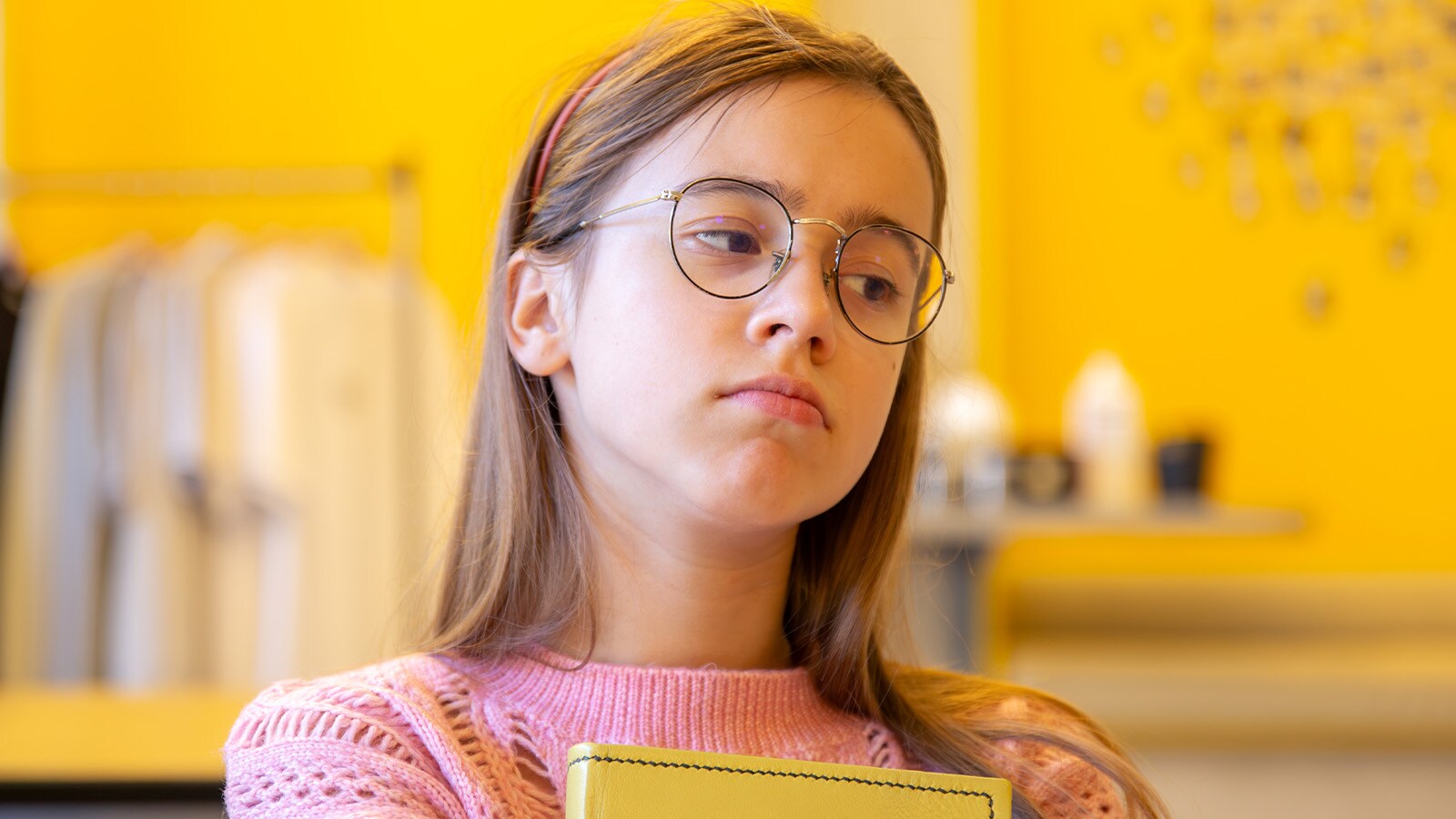
Sometimes it’s hard to tell if kids can see well. Little kids don’t know what “clear” vision means, so they think blurry is normal. That’s why parents can miss it. But bad eyesight can quietly make school, play, and fun harder.
When kids can’t see well, school and games get tricky. They might sit too close to the board. Homework feels tiring. They might not want to play outside. They get frustrated but don’t know it’s because their eyes are blurry.
This guide will show seven signs a child needs glasses, when to check their eyes, and how to keep their eyes healthy.
7 Key Signs a Child Needs Glasses
Parents, pay attention both at home and at school. Most kids won’t say, “I can’t see!” They show it instead.
1. Squint or Head Tilt
If your kid squints a lot or tilts their head to see better, don’t worry, they’re just trying to see better. Squinting helps things look a bit clearer.
This usually means they can’t see far nearsightedness (myopia), or stuff looks all blurry (astigmatism). If you notice this during TV time, reading, or staring at things far away, it's a good idea to get their eyes checked.
2. Sitting Super Close
If your kid sits really close to the TV or holds books close to their face, it’s not silly; they just see better up close
Sitting close doesn’t harm their eyes, but it can show they might already have myopia. The closer distance makes the picture sharper for them, so it feels natural. But if this happens regularly, it’s worth checking.
3. Rubbing Eyes All the Time
When kids are sleepy or sneezy, they rub their eyeballs—no big deal. But if they keep rubbing them like crazy even when wide awake… Hmm… maybe their eyeballs are yelling, “Help us!”
When kids try to see clearly, their eye muscles get tired. They can’t rub forever, so it’s a sign to visit the doctor. It’s like their eyes are quietly asking for help.
4. Headaches After School
If your child often gets headaches after school or while reading, their eyes might be the reason.
Some children are affected by hyperopia, or farsightedness. To see close-up properly, their eyes must put in a great deal of effort. The resulting fatigue of the eye muscles may lead to headaches.
Parents may misinterpret this as stress or too much screen time. But this is sometimes the case that the child just needs their eyes to be relaxed.
5. One Eye Drifting or Wandering
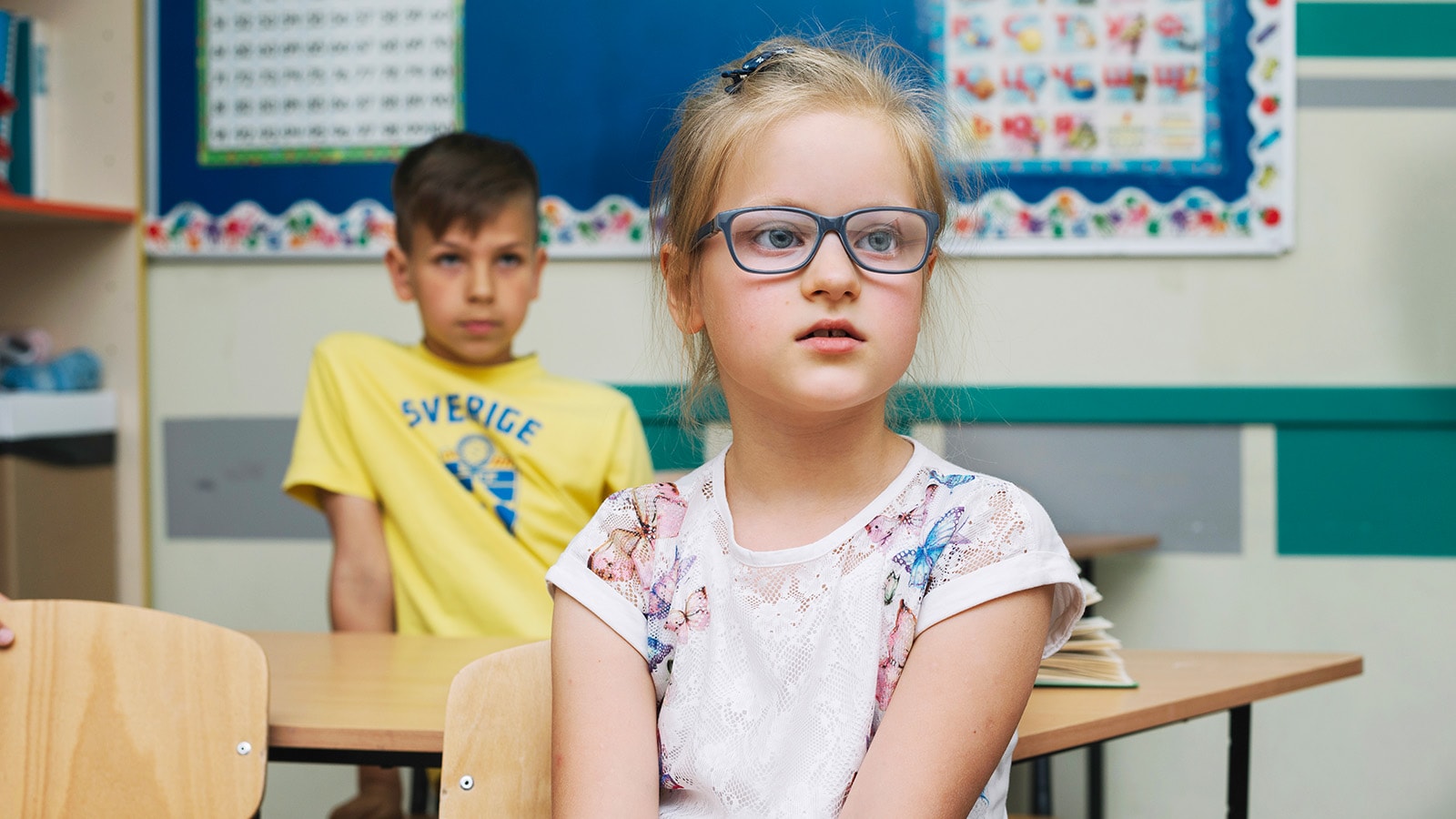
If, to your children's eyes, one of them slightly seems to be drifting either inwards or outwards, don't ignore it. It may be a strabismus (misaligned eye) or amblyopia (lazy eye) issue.
When this happens, the brain starts ignoring the weaker eye. Over time, that eye gets even weaker. Catch it early, and treatment works much better.
If you see one eye “drifting,” especially when your child is tired or daydreaming, see an eye doctor soon.
6. Trouble Reading: Losing Place or Skipping Lines
Some kids get tired of reading, not because they hate it, but because their eyeballs are having a hard time keeping up with the words.
If your kid keeps losing their spot, jumping lines, or dragging their finger along the page, it might mean their eyes aren’t playing nice together. Fancy name alert: convergence insufficiency. Translation: the eyes are not friends.
With glasses or simple exercises, this can improve quickly. But it’s often missed in school vision tests.
7. Drop in Grades or Short Attention in Class
A sudden fall in grades or a short attention span can be linked to eyesight.
A child who cannot see either the blackboard or the book he or she is reading will naturally lose interest. The teacher might consider that the child isn't paying attention, but in fact… it is all very blurry and quite irritating.
When to Schedule Your Child’s First Eye Exam
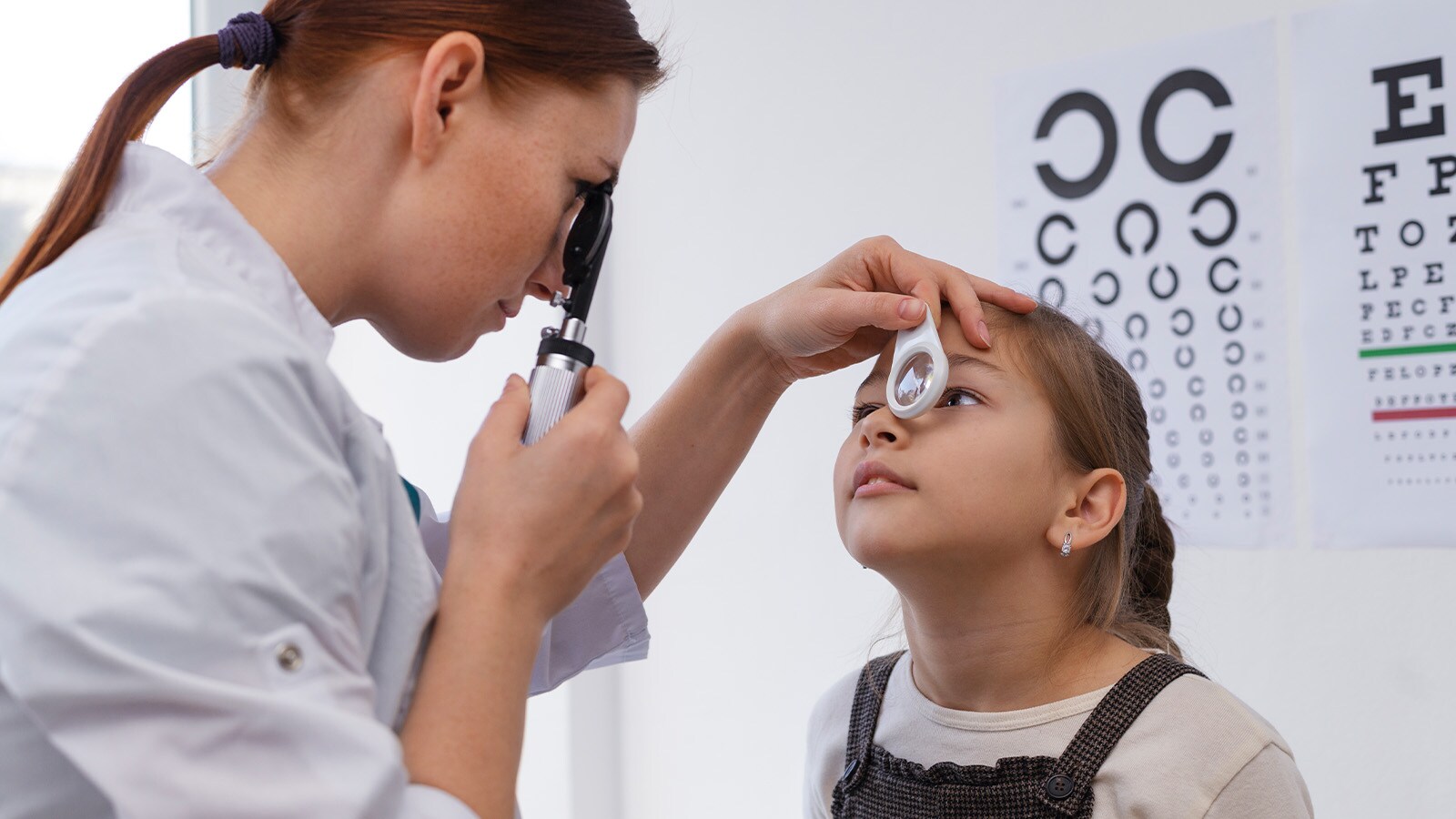
Even if your kid seems fine, eye checks are still smart. Eyes can change as kids grow. Checking early can catch problems before schoolwork gets tricky.
Experts suggest:
- First exam at 6 months old
- Second at 3 years
- Third before starting school
- Then once a year after that
Heads up: School vision screenings aren't full eye exams. They only peek at how far you can see and can totally miss a bunch of real problems, like seeing close stuff blurry or eyes not playing nice together.
A big eye check by an eye doctor looks really close at everything: the lens, the back of the eye, how the eyes move, and how they focus. It’s the best way to make sure your kid’s eyes are healthy.
Red Flags That Require Immediate Attention
If your kid shows any of these child vision problems, go see an eye doctor right away:
- Sudden double vision
- Severe eye pain
- Sudden flashes of light or blind spots
- Thick discharge or pus
- White or gray reflection in the pupil (can mean Leukocoria, a serious sign)
Don’t wait! Early action can save vision.
How Vision Issues Affect Learning and Development
Good eyes aren’t just for seeing. They help kids learn and play.
- Reading: Blurry words make reading slow and tiring.
- Writing: Can’t see close? Letters get messy.
- Sports: It's hard to catch, throw, or hit balls if eyes are bad.
- Emotionally: When kids can’t do stuff, they feel sad or frustrated.
Uncorrected vision drains their energy. What looks like “laziness” is often just visual fatigue.
Tips for Protecting Your Child’s Eye Health
You can do lots at home to keep your kid’s eyes happy.
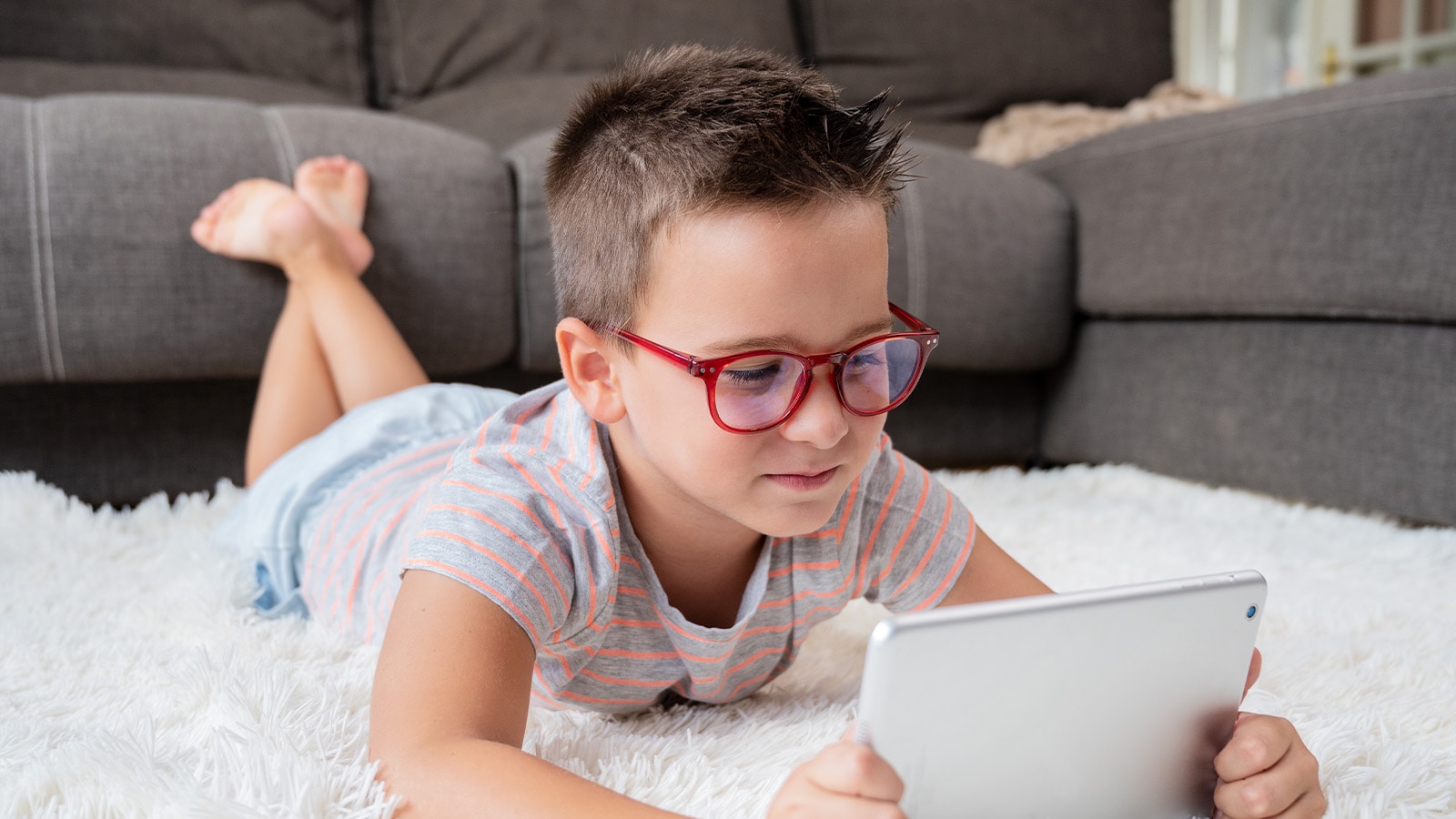
- 20-20-20 rule: After 20 minutes on screens, stare far away for 20 seconds.
- Encourage outdoor play; it helps prevent nearsightedness.
- Bright lights: Make sure reading spots are bright. Dark places make eyes tired.
- Healthy food: Carrots, fish, and green leaves are good for eyes.
Little things now help eyes stay strong later.
Conclusion
From squinting at the TV to frequent headaches, these are all small signs a child needs glasses. Don’t wait for them to complain; most children don’t even realize their sight is blurry.
A simple eye check can help a lot. Once you know the prescription, the next job is finding glasses your kid actually likes to wear.
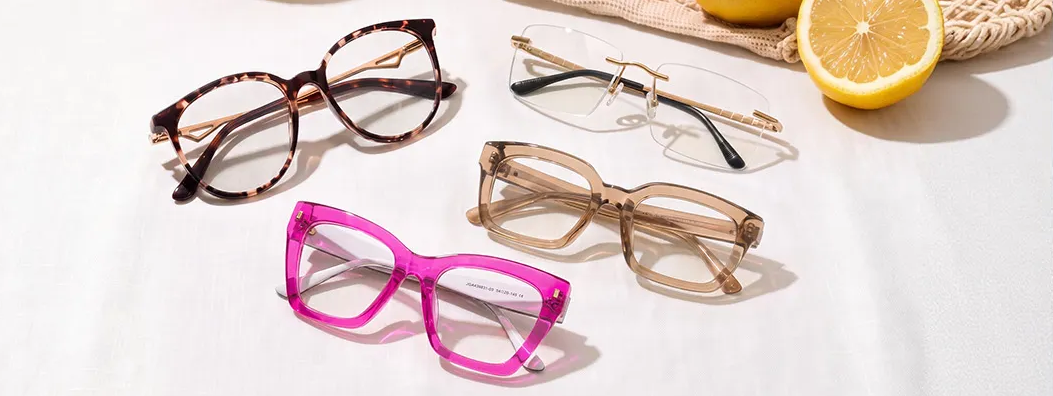
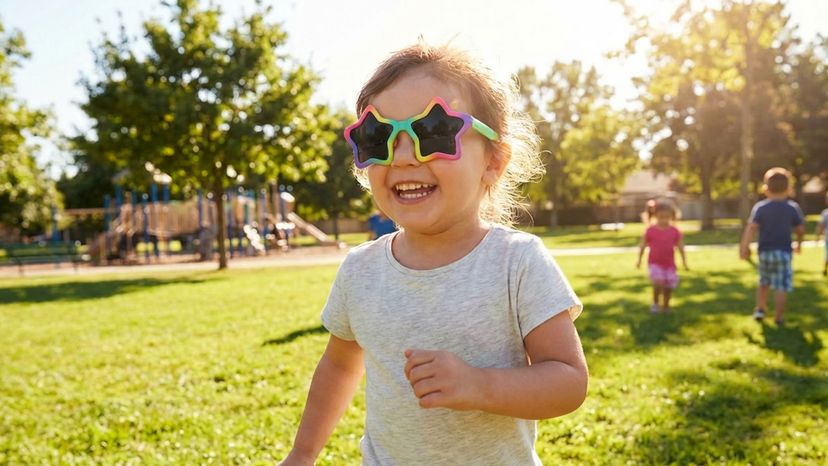
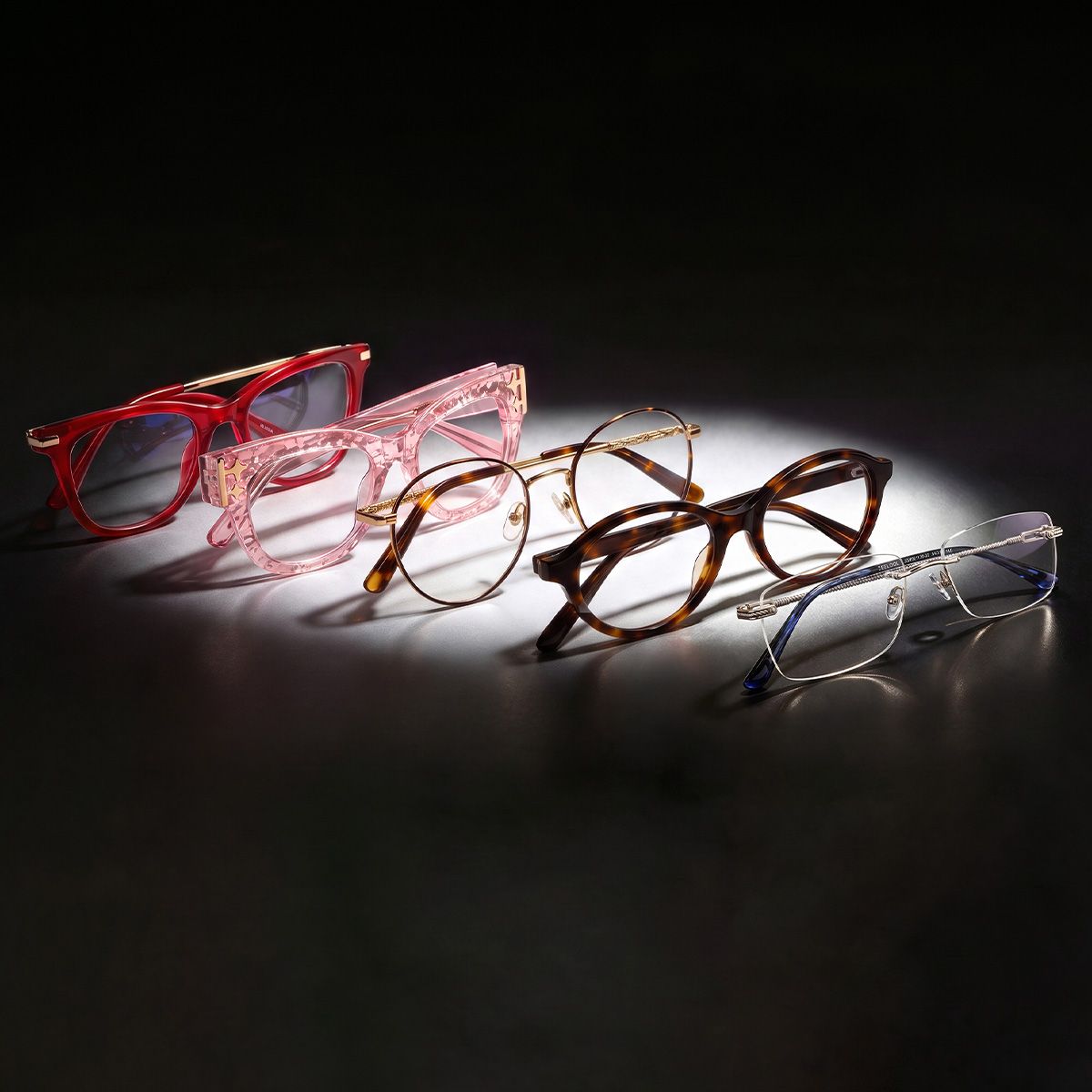
That’s where ZEELOOL comes in. Their Kids Glasses Collection has fun, strong, and colorful frames that fit active little ones perfectly. With lightweight materials and playful designs, they make wearing glasses something your child can feel proud of.
Clear vision builds confidence, and a good pair of glasses is the start. Schedule that eye exam today, and then check out ZEELOOL’s Kids Eyewear to help your child see, learn, and shine bright every day.