










Key Factors & Conclusion
Avoid driving after eye dilation due to glare, blur, and slower reaction times.
Skip bright lights and sun exposure; wear UV-blocking sunglasses to protect sensitive eyes.
Don’t rub eyes or do close-up work to prevent strain and potential corneal scratches.
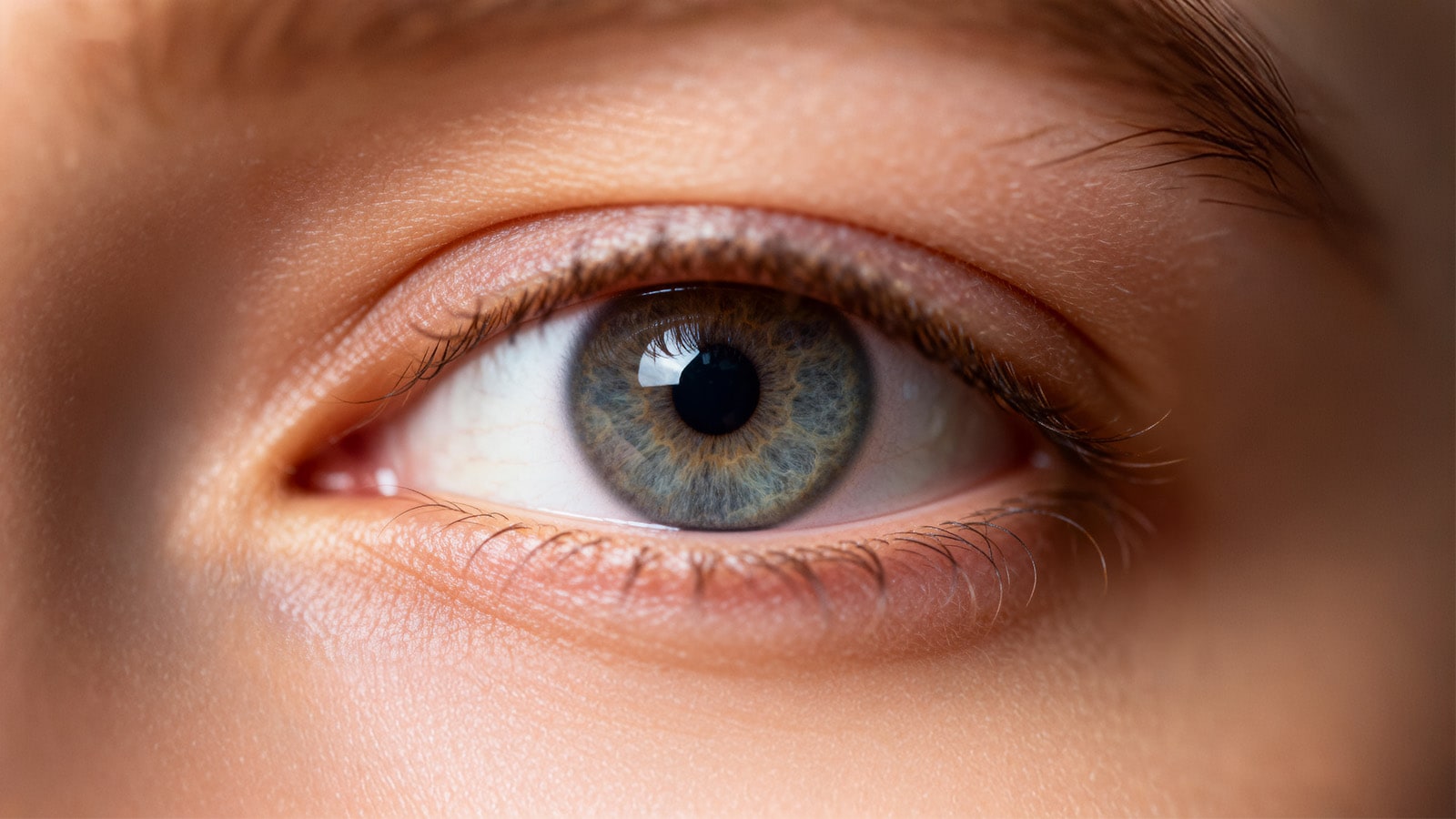
The moment when you leave the clinic, squinting, and suddenly, the intensity of the light is unbearable. The sun is too bright, your phone screen appears as if it has lit up from the inside, and you can't help but laugh because the above-mentioned dilation drops are still at work.
Eye exams are essential for long-term eye care, but what about the first few hours? They can be tough, right? It's as if a harsh light is the effect, your eyes are practically rejecting seeing straight, and the entire world is a bit different. Yet, knowing the ways to avoid all this can be the game-changer that would mean that you will have a much nicer and more peaceful time.
This guide covers the five things to avoid, how long dilation typically lasts, what you can safely do during recovery, and answers to the most common post-dilation questions—including whether you can sleep, work, or watch TV.
Why Do Doctors Dilate Your Eyes?
Dilation drops work by temporarily relaxing the muscles that control pupil size, forcing the pupil to stay open wider than it normally would. This gives your eye doctor a much larger window to examine the structures at the back of your eye.
Without dilation, the pupil is typically 2–4 mm in diameter—too small to see the full retina, optic nerve, and blood vessels clearly. With dilation, the pupil expands to 6–8 mm, giving the doctor an unobstructed view that can reveal:
- Retinal tears or detachment
- Diabetic retinopathy
- Macular degeneration
- Glaucoma damage to the optic nerve
- Signs of high blood pressure or other systemic conditions are visible in the eye's blood vessels.
Why Your Eyes Need Special Treatment Post-Exam
When your doctor puts those drops in, it's so they can get a clear look at your retina and optic nerve, basically, the parts that show how healthy your eyes really are. But for you, it means your pupils stay huge for a few hours, and they stop reacting to light like normal.
So yeah, everything looks way too bright. Even indoor lights can sting. Reading or looking at your phone feels like staring through fog. It's weird, but totally normal.
Most people feel back to normal in about four to six hours. Some recover faster, others slower, especially with light eyes. Stay in soft light, wear sunglasses, and rest your eyes.
Dilation Recovery Timeline: What to Expect
| Time Post-Exam | Vision Status | Recommended Action |
| 0 - 2 Hours | Extreme light sensitivity & blur. | Rest in a dark room; wear chic shades. |
| 2 - 4 Hours | Gradual focus improvement. | Avoid detailed work or scrolling. |
| 4 - 6 Hours | Most people return to normal. | Check pupils before driving and use artificial tears. |
| 6 - 24 Hours | Residual sensitivity for some. | Wear sophisticated UV protection outdoors. |
How Long Does Eye Dilation Last?
Most people experience dilation effects for 4–6 hours after the drops are applied. However, several factors affect how long your pupils stay enlarged:
| Factor | Effect on Duration |
| Light eye color (blue, gray, green) | Longer duration—up to 8 hours or more |
| Dark eye color (brown, dark brown) | Shorter duration—often 4–5 hours |
| Age (children and young adults) | May last longer than in older adults |
| Type of drops used | Stronger drops (atropine) can last 24–48 hours |
| Individual sensitivity | Varies significantly between patients |
What "wearing off" actually means:
Dilation does not end all at once. Your pupils gradually shrink back to their normal size as the drops break down. You may notice near vision clearing before distance vision does, or vice versa. Full clarity typically returns within 6–8 hours for most adults with standard dilation drops.
The "Do Not" List: 5 Things to Avoid at All Costs
Your eyes are extra sensitive at the moment, so they need to be treated carefully. You might feel okay, but do not be tricked, as just a few small mistakes can get you feeling ten times worse. Here's what to skip while your vision's still in recovery mode.
Before diving into the details, here's a quick overview of what's safe and what to skip during your recovery window.
| Activity | Safe After Dilation? | Notes |
| Driving | No | Wait until pupils return to normal size |
| Watching TV | Limited | Short periods okay; stop if eyes strain |
| Using phone / screens | Limited | Minimum brightness; take frequent breaks |
| Sleeping | Yes | Rest is beneficial for recovery |
| Working at a computer | No | Avoid for at least 4–6 hours |
| Wearing contact lenses | No | Wait until dilation fully wears off |
| Going outside without sunglasses | No | UV-blocking sunglasses required |
| Rubbing eyes | Never | Risk of corneal scratch |
| Strenuous exercise | No | Wait until vision fully clears |
| Reading fine print | No | Causes eye fatigue during dilation |
1. Don't drive yourself home
We get it; you think, “I can handle it.” But trust me, you can't. The glare, the blur, the slower reaction time, it's not worth it. Just grab a ride, call a friend, or wait it out. No one's impressed by someone trying to drive with half-working eyes.

2. Avoid Bright Lights and Direct Sun Exposure
The sun becomes so intense after dilation that it feels as though it's doing a good job of cooking your eyes. Your pupils are unable to contract to shield you; hence, each particle of light has its impact magnified. If possible, do not go out. Sunshades should be your go-to if you have to go outside.
And not just any shades; go for UV-blocking ones. ZEELOOL USA's UV400 lenses are perfect for this. They block the glare and still make you look like you've got your life together.
3. Postpone Close-Up, Detailed Work
Avoid making things worse by putting yourself in a stressful situation, such as trying to read small print or scrolling on your phone, which can tire your eyes. In fact, just shut them, put on some tunes, or simply be quiet and rest. This will help prevent eye fatigue and enhance focus.
4. Don't Rub Your Eyes
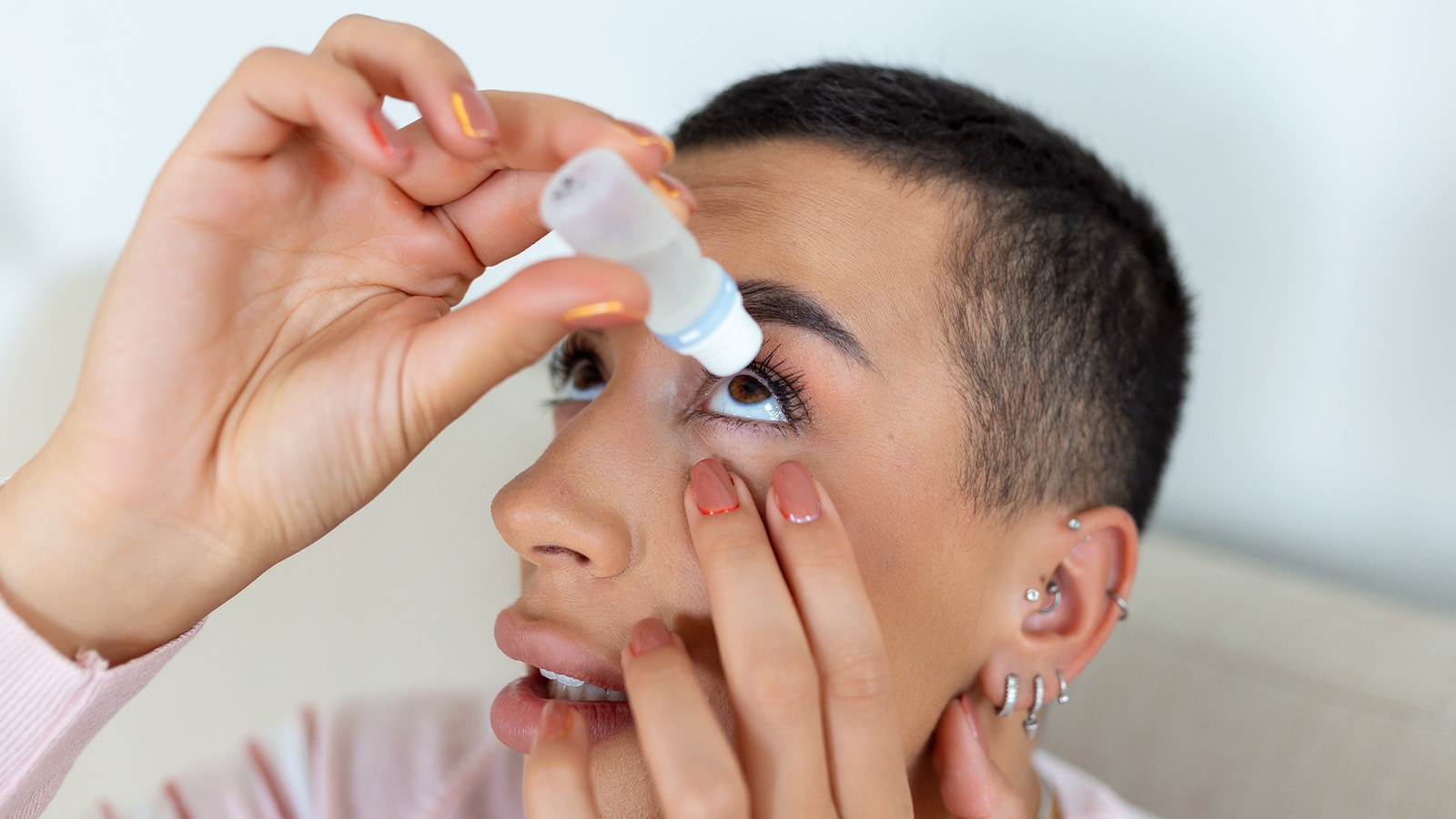
We know they feel dry and sandy, and all you want to do is rub. But don't do it. You can actually scratch your cornea or spread germs. Instead, let some seconds pass and blink your eyes a couple of times, close them for a little while, or apply some artificial tears, which your optometrist gave the green light to.
5. Avoid Strenuous Activities
Your eyes are still feeling a bit strange, so this is not the day for the gym, cycling, or even walking around the house. You might feel off-balance or even dizzy. Just relax. Have a sandwich, do 100 steps, or simply stay for 5 minutes in a warm room.

Frame these tips as a chic, curated collection of essentials.
What You Can Safely Do During Eye Dilation Recovery
1. Sleep
Yes, and it's actually one of the best things you can do. Closing your eyes removes all light stimulation and gives your pupils a chance to gradually return to normal. A nap of 1–2 hours after your exam can significantly reduce discomfort.
2. Listen to audio
Podcasts, audiobooks, and music are perfect post-dilation activities. No screen, no light strain, no effort from your visual system.
3. Watch TV at a distance
Sitting further from the screen than usual (at least 8–10 feet) and reducing brightness to minimum tolerable levels makes television manageable for most people. Stop if you notice squinting or a headache developing.
4. Go outside with sunglasses
UV-blocking sunglasses (UV400 rated) allow you to move around outdoors comfortably. Wraparound styles or large frames provide better coverage than standard frames during dilation.
5. Have someone drive you
Plan ahead and arrange a ride before your appointment. This removes the biggest logistical challenge of post-dilation recovery.
FAQs
Is eye dilation safe?
Yes, for the vast majority of people. Temporary stinging from the drops is common. A rare risk exists for people with a specific eye anatomy prone to acute angle-closure glaucoma—your doctor screens for this before dilating. Tell your doctor if you have a history of glaucoma or eye pressure problems before your exam.
How long does eye dilation last?
For most adults, dilation effects last 4–6 hours with standard drops. People with lighter eye colors (blue, gray, and green) often experience longer duration—up to 8 hours. Children and people receiving stronger atropine drops may remain dilated for 24–48 hours. Your pupils gradually return to normal rather than clearing all at once.
Can I drive after eye dilation?
No, not immediately. Dilated pupils cannot adjust to changing light conditions, glare is significantly amplified, and near-distance focus (dashboard and mirrors) is impaired. Wait until your pupils have fully returned to normal size before driving. Arrange a ride home before your appointment rather than waiting at the clinic.
Can you watch TV after your eyes have been dilated?
Yes, but you'll need to make some adjustments. Position yourself farther away from the screen than you typically would. Dim the brightness to the lowest setting that feels okay. If you find yourself squinting or developing a headache, take a break. During the initial 1–2 hours, when the dilation is most pronounced, it's best to steer clear of screens altogether. Audio-only content (podcasts, audiobooks) is a better alternative during peak dilation.
Can I sleep after eye dilation?
Yes, and sleeping is one of the most beneficial things you can do post-dilation. Closed eyes remove light stimulation entirely, reduce discomfort, and allow your body to naturally process the drops. A 1–2 hour nap after your exam is a practical and comfortable recovery strategy.
Can I wear contact lenses after eye dilation?
Wait until dilation has fully worn off before reinserting contact lenses. Dilated eyes are drier than normal, making contacts uncomfortable. More importantly, your vision is not stable during dilation, making it difficult to confirm the lenses are centered correctly. Resume contact lens wear once your pupils are back to normal size and your vision has returned to its usual clarity.
Can I work after eye dilation?
Computer work is difficult and inadvisable for the first 4–6 hours. If you must work, increase text size to maximum, reduce screen brightness fully, and take a 5-minute break every 15 minutes of screen time. Working with dilated eyes causes rapid fatigue but does not cause permanent damage.
Do I need to wear sunglasses indoors after dilation?
Only if indoor lighting is genuinely uncomfortable. Standard indoor lighting is tolerable for most people with dilation, though it may be brighter than usual. Direct sunlight, bright overhead fluorescents, and LED task lighting at close range are more likely to require sunglasses indoors.
Can you make eye dilation wear off faster?
The honest answer: not significantly. The dilation drops break down at a rate determined by your body chemistry, and there is no proven method to meaningfully accelerate this process.
How to tell if your eyes are back to normal?
Compare your pupils in a mirror—they should be the same size and should contract (get smaller) when you shine a light on them. If one pupil remains significantly larger than the other hours after the exam, contact your eye doctor.
Conclusion
Eye dilation isn't a big deal, but it definitely teaches you to take it easy. For a few hours, just let your eyes rest and take it easy.
When you do head back out, UV-blocking sunglasses are non-negotiable for post-dilation comfort. ZEELOOL's UV400 sunglasses block all UVA and UVB rays while keeping you looking put-together—because recovering from an eye exam doesn't have to look like recovering from an eye exam.
Browse ZEELOOL's sunglasses collection and use AR try-on to find a pair before your next appointment.