









Summary
Most people have some degree of visual discomfort with new glasses that usually goes away within a few days to two weeks, depending on the prescription. Common symptoms include mild blurriness, eye strain, headaches, and slight distortion at the edges of the lens. Progressive lenses and big changes in prescription require a longer adjustment period. But if you have symptoms that last longer than two to three weeks, or sudden vision loss or eye pain, then there is a problem and you need to see your eye doctor. Understanding the difference between normal adjustment and a genuine problem saves time, discomfort, and unnecessary worry.
Introduction
You pick up your new glasses, put them on, and something feels off. The world looks slightly curved. You have a dull headache by mid-afternoon. Things at the edges of your vision seem distorted in a way your old pair never caused. Your first instinct might be that something went wrong with the prescription, but in most cases, what you are experiencing is a normal part of adjustment. New glasses, especially with a changed prescription or a new lens type, require your visual system to recalibrate. This guide explains what normal adjustment looks like, how long it takes, what to watch for, and when it is time to go back to your optician.
Why New Glasses Can Feel Wrong at First
When you get new glasses, your brain and visual system need time to adjust to a new focal point, a different lens shape, or a change in the prescription strength, so they can feel wrong at first.
If you wear the same pair of glasses for a long time, your visual system gets used to those lenses—your brain learns to interpret the slightly imperfect input as normal. If you switch to a new pair, even with a more accurate prescription, your brain has to recalibrate. During that process, the new lenses can feel strange even when they are technically correct.
Several factors influence how noticeable the adjustment period is:
● How much your prescription changed—a small update causes minimal disruption; a large change takes longer to settle
● Whether you switched lens types—moving from single-vision to progressive lenses is a significant adjustment
● Frame shape and size changes—a very different frame geometry changes your visual field and takes getting used to
● Lens material changes—high-index lenses have different optical properties than standard plastic lenses

Common Vision Adjustment Symptoms
The following symptoms are common and generally normal during the first few days of wearing new glasses:
| Symptom | Why It Happens | Usually Resolves In |
| Mild blurry or soft vision | Brain adjusting to new focal point | 1–3 days |
| Eye strain or fatigue | Visual system working harder than usual | 2–5 days |
| Headaches, especially in the afternoon | Eye muscle fatigue from adjustment effort | 3–7 days |
| Slight distortion at lens edges | Normal in curved or high-index lenses | 3–7 days |
| Fishbowl or barrel distortion | Common with strong prescriptions or new progressives | Up to 2 weeks |
| Dizziness or mild nausea | Mismatch between visual and vestibular input | Up to 2 weeks |
These symptoms are most pronounced on the first day and typically diminish steadily over the adjustment period. Wearing your new glasses consistently — rather than switching back and forth with your old pair — speeds up the process.
How Long Does Adjustment Take?
Adjustment time varies significantly by lens type and prescription change.
● Single-vision lenses with a minor prescription update: Most people adjust within 1–3 days
● Single-vision lenses with a significant prescription change: Up to 1 week
● Progressive lenses for first-time wearers: 1–2 weeks, sometimes longer
● Progressive lenses with a new prescription: Up to 2 weeks
● High-index lenses replacing standard lenses: A few days for the optical differences to feel normal
● Strong prescription changes (above ±2.00 diopter change): Up to 3 weeks in some cases
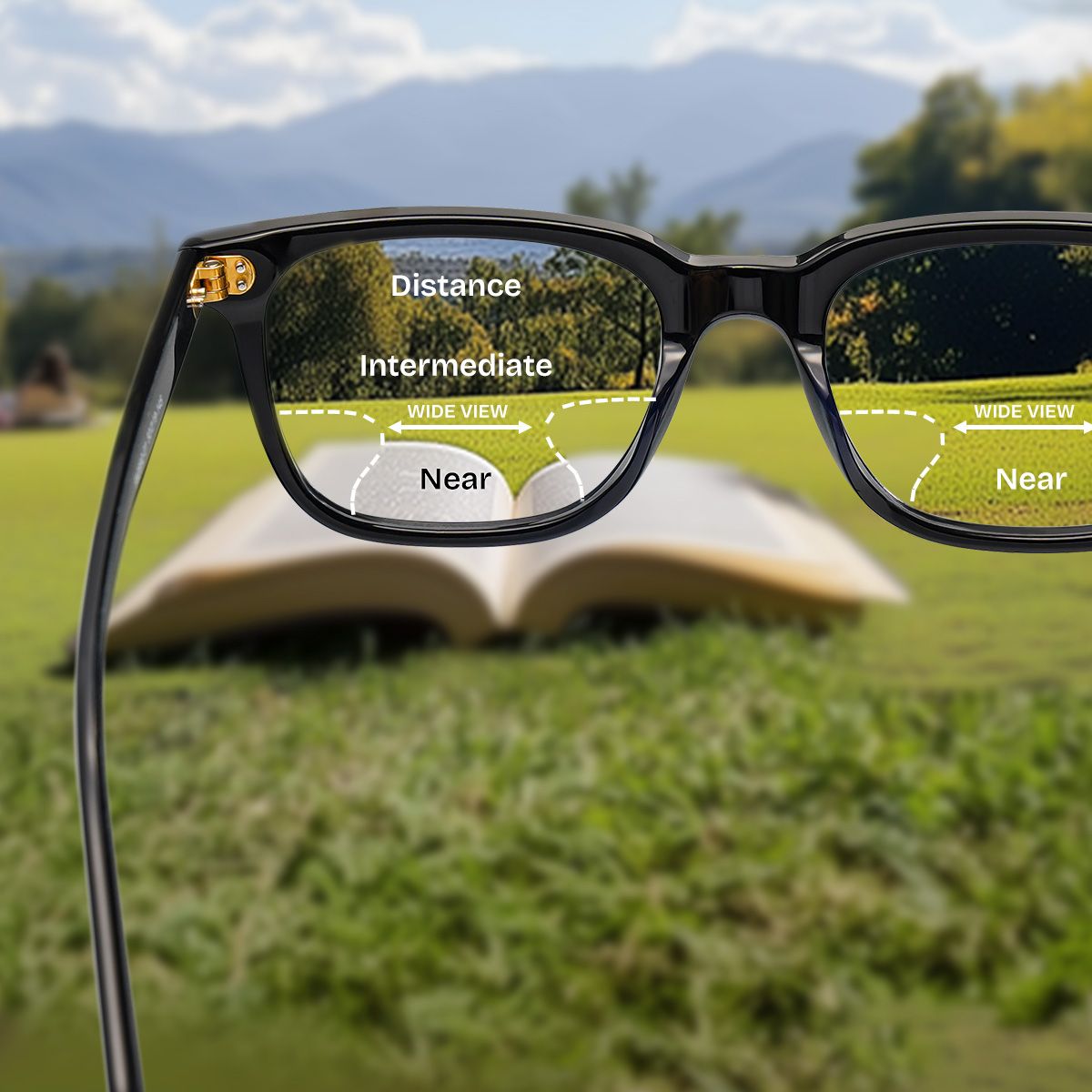
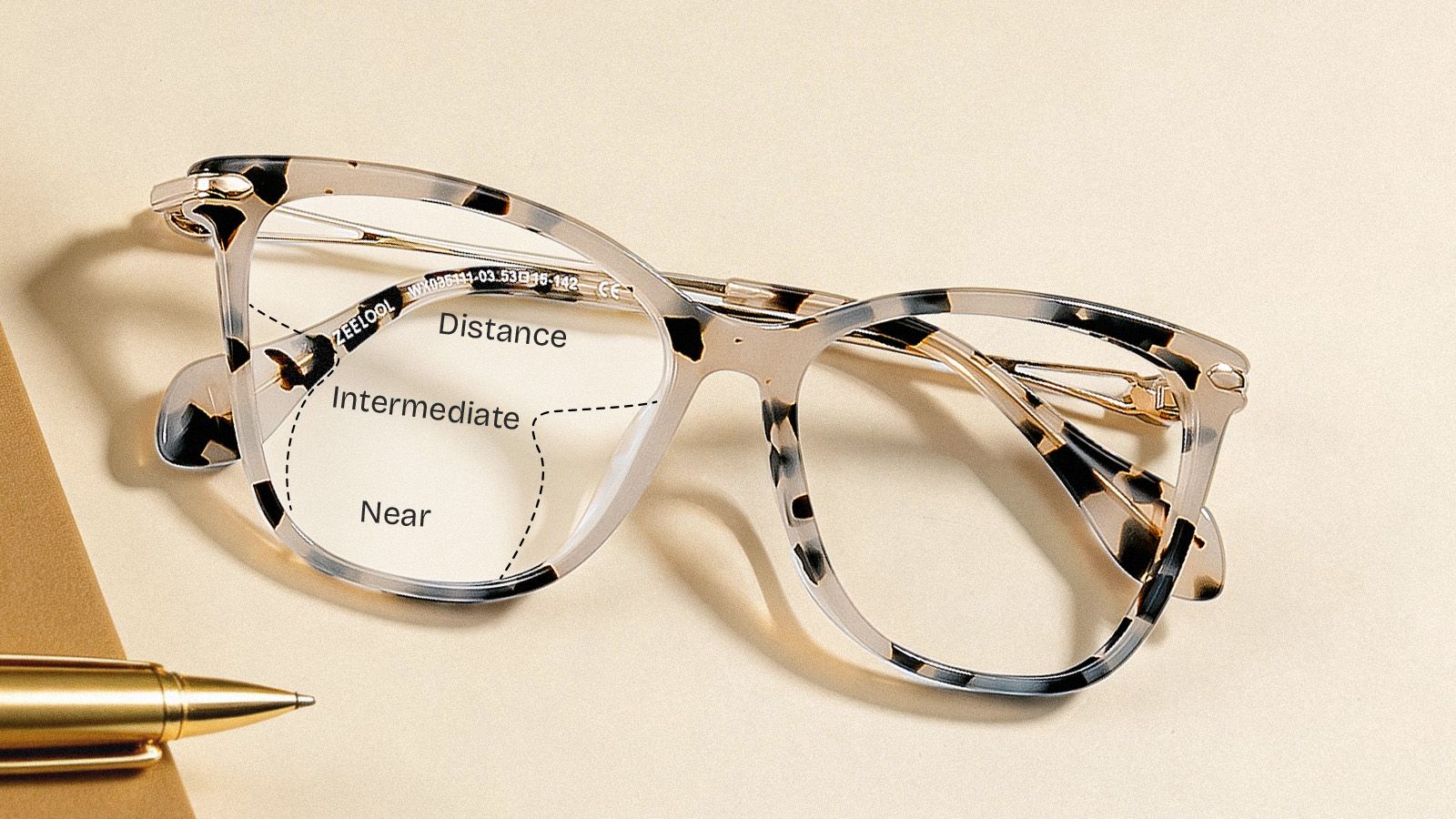
The key variable with progressive lenses is learning to use different zones of the lens deliberately—looking through the upper portion for distance, the middle for intermediate (screens), and the lower portion for reading. This is a learned behavior that takes consistent daily practice to become automatic.
When Adjustment Is Normal vs. When Something Is Wrong
Normal adjustment involves gradually diminishing discomfort over days to weeks. Something is wrong when symptoms persist, worsen, or involve pain.
Likely normal:
● Mild headaches in the first week that decrease day by day
● Slight edge distortion that fades over the first few days
● Eye strain that improves after a full day's consistent wear
● Initial dizziness with progressive lenses that reduces over two weeks
Requires attention:
● Headaches that persist or worsen beyond two weeks of consistent wear
● Vision that remains blurry or distorted after two weeks
● Double vision at any point
● Eye pain or significant discomfort rather than mild strain
● Nausea that does not resolve after the first few days with progressives
Requires immediate attention:
● Sudden vision loss in one or both eyes
● Flashes of light or new floaters
● Severe eye pain
● Significant vision distortion that appeared suddenly rather than gradually
These last symptoms are unrelated to glasses adjustment and require urgent clinical evaluation regardless of when you got your new glasses.
Common Fit Problems and How to Fix Them
Many adjustment problems are actually fit problems rather than prescription problems. Before you assume the prescription is wrong, check for these common fit problems: Slipping glasses: The nose pads are probably too wide, or the temples are probably too loose. Most metal frames have adjustable nose pads—gently squeeze them inward for a snugger fit. For plastic frames, an optician can adjust the temples with heat.
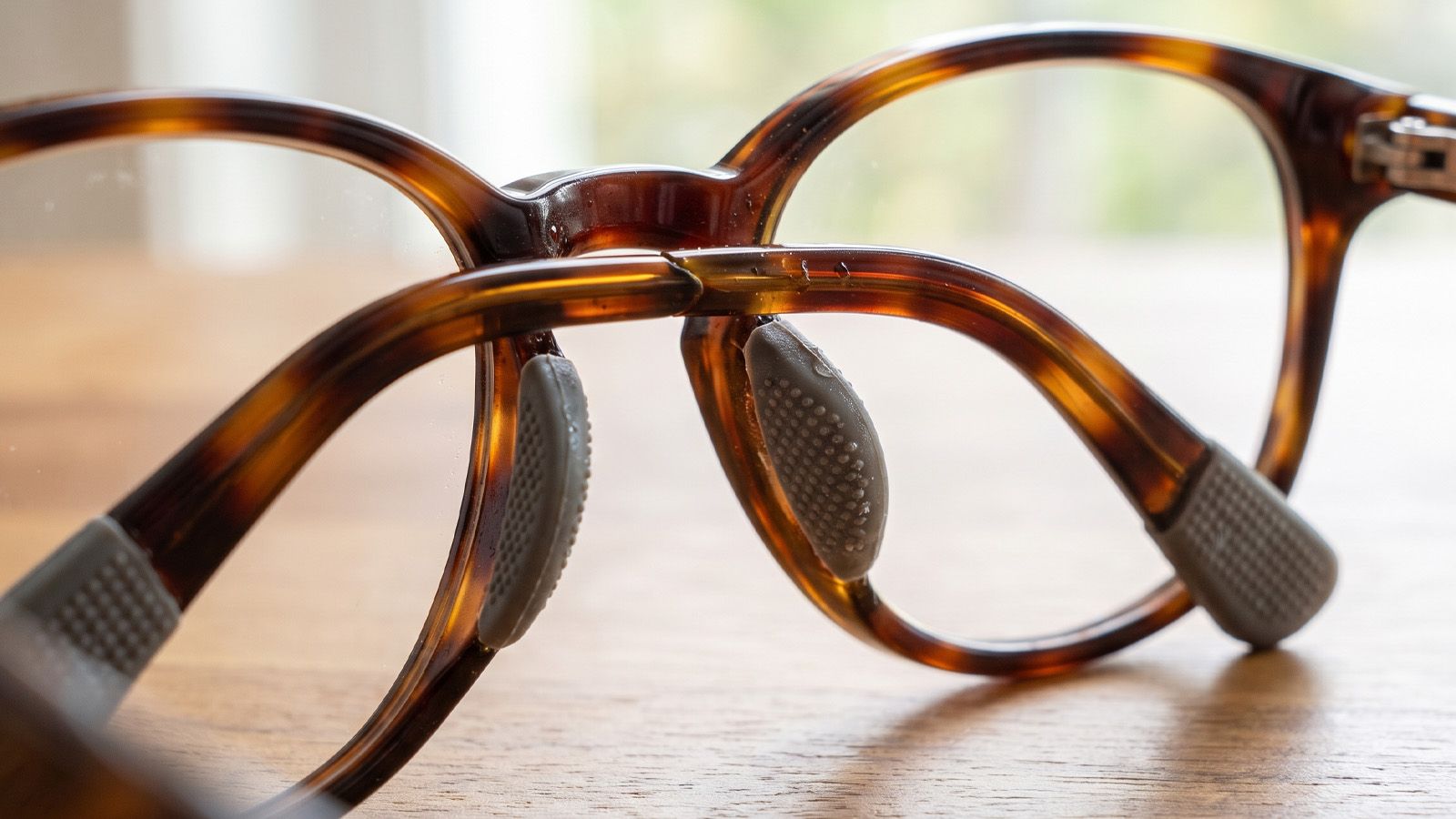
Temples pinching behind ears The temples may be too short or at an incorrect angle. An optician can adjust the length and curve of temples. Rubberized temple tips add more comfort.
Unequal vision: If you have better vision in one eye than the other, be sure your frame is level. An uneven frame will cause your lenses to not be centered over your pupils, which can affect optical clarity.
Nose Pad Marks Or Pressure Points Silicone nose pieces distribute pressure better than hard plastic nose pieces. Adhesive stick-on silicone pads are inexpensive and easy to add to most frames.
Prescription Accuracy Issues: What to Check
If adjustment symptoms persist beyond the normal timeframe, the prescription itself may be the issue. Prescription accuracy problems common to all include the following:
PD measurement errors: The distance of your pupils from each other, or pupillary distance, determines where each lens’ optical center will be located.
An incorrect PD causes the optical centers to misalign with your eyes, which creates persistent strain and distortion. This is one of the most common sources of online glasses ordering problems.
Incorrect prescription values: Transposition errors — where plus and minus values are swapped, or CYL and AXIS values are entered incorrectly — produce glasses that actively worsen rather than improve vision.
Wrong lens type: A prescription written for progressive lenses used in single-vision frames, or vice versa, will not function correctly.
If you ordered glasses online and suspect a prescription entry error, review the values on your prescription card against what you entered at checkout. ZEELOOL’s prescription entry guide walks you through each field—SPH, CYL, AXIS, ADD, and PD—with clear explanations so you can spot any mistakes before you call customer service.
How to Speed Up Adjustment
There are a few simple steps you can take to help the adjustment period pass more quickly:
● Wear your new glasses consistently—switching back to your old pair significantly slows recalibration
● If symptoms are severe, start with shorter sessions—a few hours per day at first, gradually building to full-day wear
● Move your head rather than your eyes when looking around, especially with progressive lenses
● Take breaks for eye strain – the 20-20-20 rule (look at something 20 feet away for 20 seconds every 20 minutes) reduces cumulative fatigue
● Ensure adequate lighting—poor lighting makes visual adjustment harder
ZEELOOL’s Return and Exchange Policy
If symptoms persist after three weeks of consistent daily wear, the glasses may need professional review. ZEELOOL offers a 30-day return and exchange policy—if your prescription glasses are not performing correctly after a genuine adjustment period, contact customer service with your order number and prescription details. The team can help determine if the issue is a prescription entry error, a lens compatibility problem, or a fit adjustment that can be resolved.
Conclusion
For most people, feeling weird with new glasses is just part of the normal visual adjustment process—the trick is knowing when it’s temporary recalibration and when it’s a real problem. Wear your new glasses consistently, give single-vision lenses a week and progressives up to two weeks, and address fit issues before concluding the prescription is wrong. If symptoms persist, check your prescription entry values, review the frame fit, and reach out to your eyewear provider. Most adjustment concerns resolve on their own, but when they don't, they are almost always fixable.
FAQ
How long does it take to adjust to new glasses?
Single-vision lenses with a minor prescription change typically take 1–3 days. Significant prescription changes take up to a week. Progressive lenses for first-time wearers take 1–2 weeks. Symptoms should diminish steadily throughout the adjustment period—if they worsen or persist beyond three weeks, consult your optician.
Why do my new glasses cause headaches?
It’s common to get headaches the first week you’re wearing a new pair of glasses. This is usually caused by eye muscle fatigue as your vision system adjusts to the new prescription. With regular wear the headaches should lessen each day. If headaches continue after two weeks, or if they are not getting better but worse, this could indicate a problem with the prescription or the fit of the glasses.
My new glasses are supposed to be blurry?
It’s normal to have some blurriness or soft focus for the first few days, especially if you’ve had a change in prescription or a new type of lens. With regular wear it should steadily improve. If vision remains significantly blurry after two weeks, check your prescription entry values and PD measurement, or consult your optician.
Why do progressive lenses feel so disorienting at first?
Progressive lenses have three distinct vision zones—distance at the top, intermediate in the middle, and reading at the bottom—and using them correctly requires deliberately moving your head rather than just your eyes. First-time progressive wearers typically take 1–2 weeks to develop this habit naturally. The fishbowl effect and peripheral distortion common in the first days reduce as your brain learns to use each zone appropriately.
When should I go back to my optician about new glasses?
Return to your optician if symptoms persist or worsen after three weeks of consistent daily wear, if you experience double vision at any point, if eye pain develops, or if you suspect a prescription entry error. Sudden vision changes unrelated to the new glasses — flashes, floaters, severe pain — require immediate clinical attention regardless of your glasses situation.