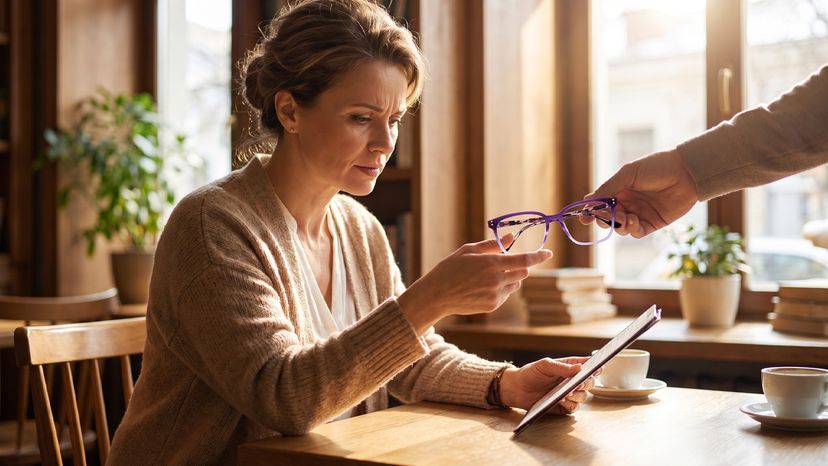










You’re curled up in bed. The room is quiet. You hold a book in one hand or scroll your phone in the other. The lights are off or dim. Then you remember what someone once said, “Don’t read in the dark! You’ll ruin your eyes!”
Sound familiar? Many of us grow up hearing this warning. Parents, teachers, or even friends often say it. But is it really true? Can reading in low light hurt your eyes forever?
In this blog, we’ll clear up the confusion, bust some myths, and share simple tips to protect your eyes. Let’s start by answering the big question.
Does Reading in the Dark Damage Your Eyes?
No, reading in the dark won’t damage your eyes permanently.
A study in the British Medical Journal(a) confirms this. It says that reading in dim lighting might strain your eyes. But it will not damage them for life.
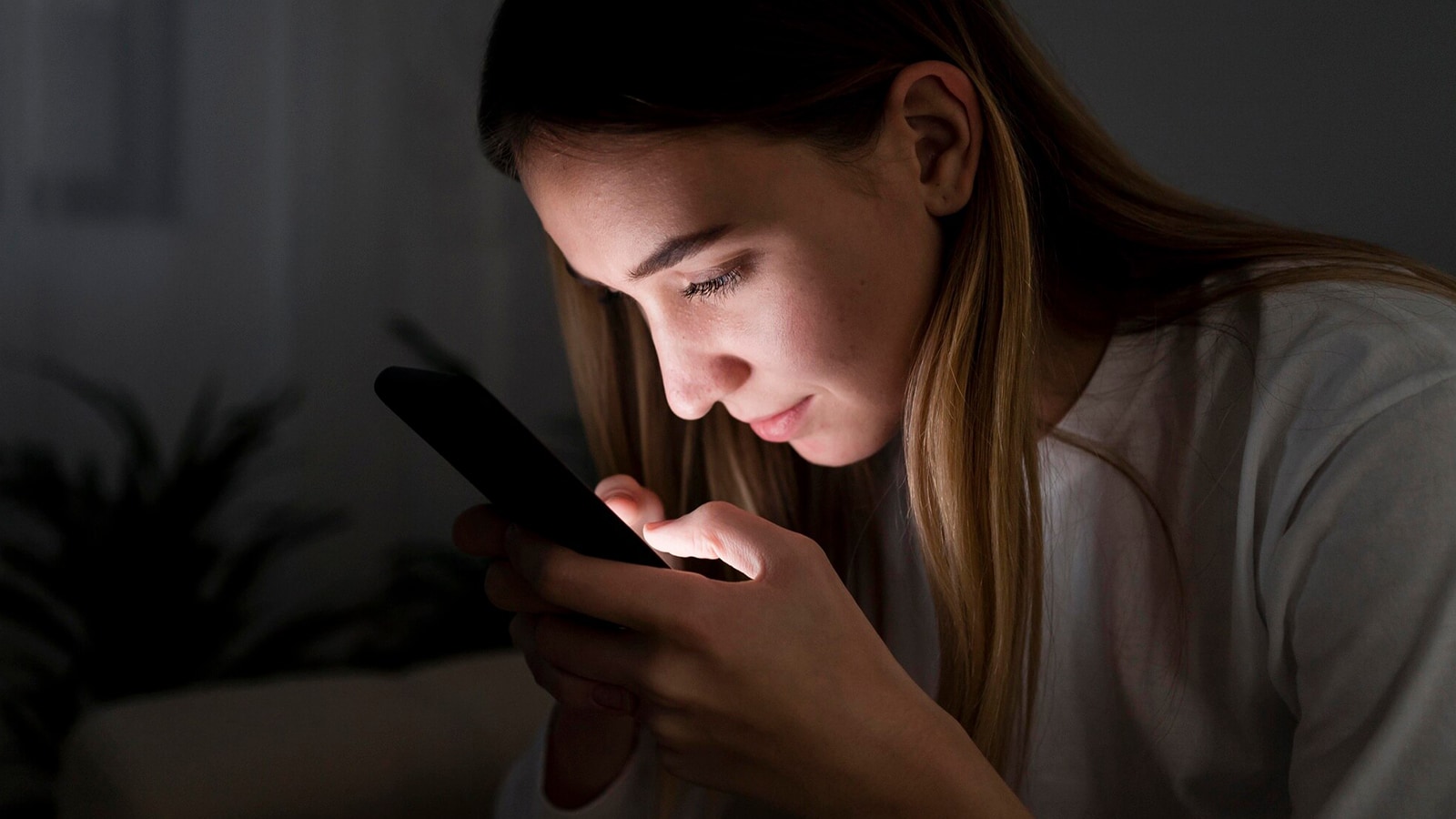
So why do so many people believe this myth? Probably because of how the eyes feel after reading in low light. You may feel a dull headache. Your eyes might burn. You may blink more or squint.
These are signs of eye strain, not long-term harm. Your eye muscles just work harder in dim settings. When you rest them, they feel fine again.
Does reading in the dark cause blindness?
No, it doesn’t. There is no science behind this claim. It’s just an old myth. Your eyes may get tired in low light, but they’re not being harmed.
Why Reading in Low Light Causes Discomfort
Let’s look at what’s really going on.
When light is low, your eyes lose contrast. It becomes harder to see the lines of the text. To help you focus, your pupils open wider. Your eye muscles start working harder to keep things clear. The Journal of Vision(b) explains this clearly in a study. After a while, you may feel tired. Your vision might blur. Your eyes may feel dry. Sometimes, an onset of drowsiness or dizziness can occur, which are typical symptoms of eye strain.
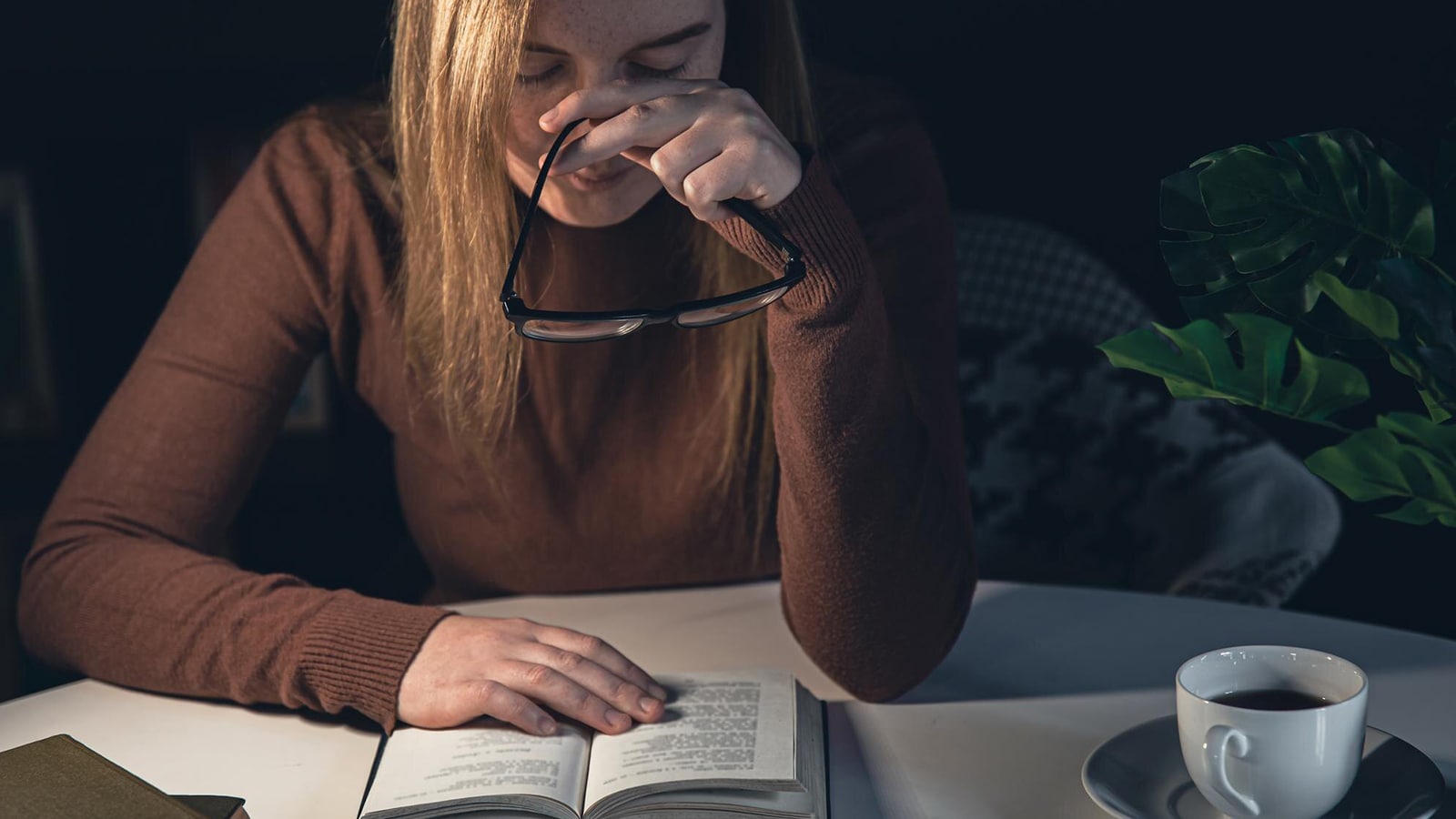
Using digital screens makes it worse. According to a published study(c) in the National Library of Medicine, the blue light from screens appears harsher in the dark and can suppress melatonin.
That’s the hormone that helps you sleep. So, reading on screens in the dark can make it harder to fall asleep. It may mess up your sleep cycle. This is not about damage; it’s about comfort and sleep health.
Tips to Protect Your Eyes While Reading
Here are some easy tips to protect your eyes that work:
- Use gentle lighting. Try a warm bedside lamp or a soft reading light. Avoid bright overhead lights.
- Try the 20-20-20 rule. Every 20 minutes, look at something 20 feet away for 20 seconds. This helps relax your eye muscles.
- Adjust your screen. Lower brightness in dark rooms. Use night mode or blue light filters.
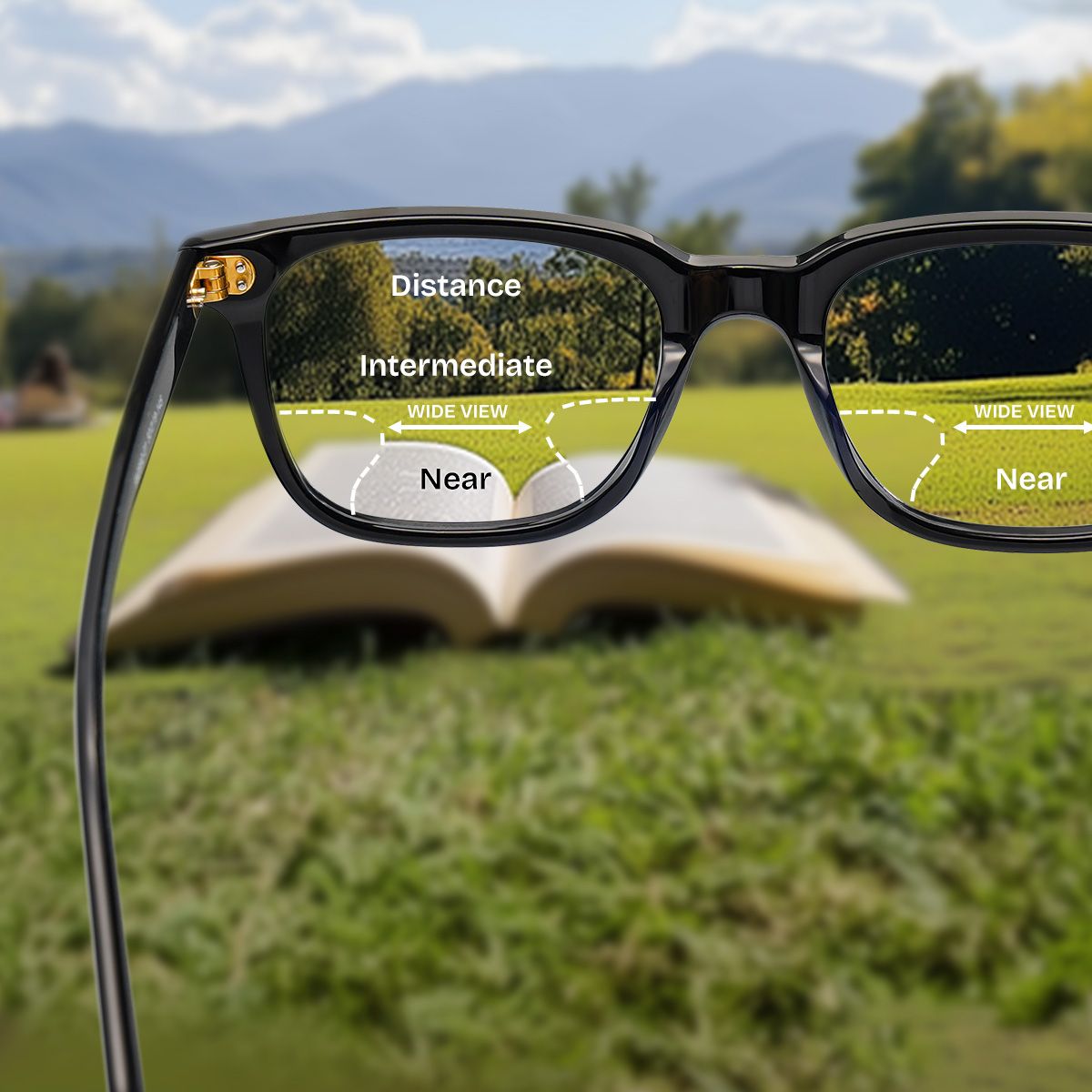
- Wear the right glasses. If you need reading glasses, use them. Blue-light blocking glasses can help with screen time, too.
- Blink often. It keeps your eyes moist. Also, take a short break every 30 minutes. Close your eyes for a moment or look away.

Common Myths About Reading in Low Light
Let’s take a closer look at the most common myths. You’ve probably heard at least one of these.
- Myth 1 - Reading in the dark causes blindness: No, it doesn’t. There’s zero scientific proof.
- Myth 2 - Dim light makes your eyesight weak forever: False. Your eyes might feel tired, but the effects don’t last.
- Myth 3 - Only kids should avoid reading in the dark: Not true. Adults also experience eye strain. Everyone needs good lighting.
These myths sound scary. But they’re just that—myths. Don’t let them stop you from enjoying your book.
When to See an Eye Care Professional
Sometimes, discomfort may not go away on its own. That’s when you should visit an eye doctor.
See a professional if:
- You keep getting blurry vision.
- Your eyes often hurt or feel dry all the time.
- Headaches keep coming back while reading or using screens.
You may have uncorrected vision problems. Or something like dry eye syndrome. Only an eye care professional can give you the right answers.
Regular eye check-ups are vital, as they provide an early detection mechanism for any changes. Your vision may seem okay, but little things can add up over time.
Conclusion: Read Comfortably and Safely
So, is reading in the dark harmful to your eyes?
Not really. It can cause some strain or mild discomfort, nothing serious that would impair vision or lead to blindness.
Keep your eyes in check when the lights are low. Go for soft light. Position your screen well. Get the right pair of lenses. Give those eyes a break.
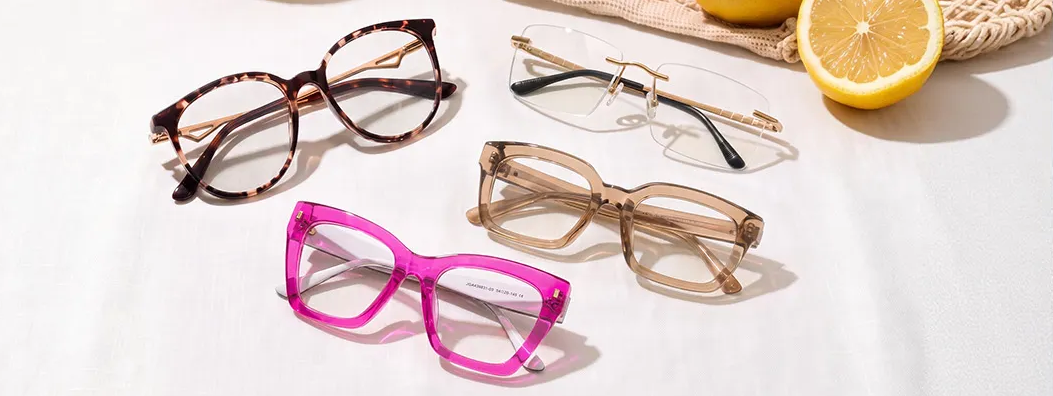
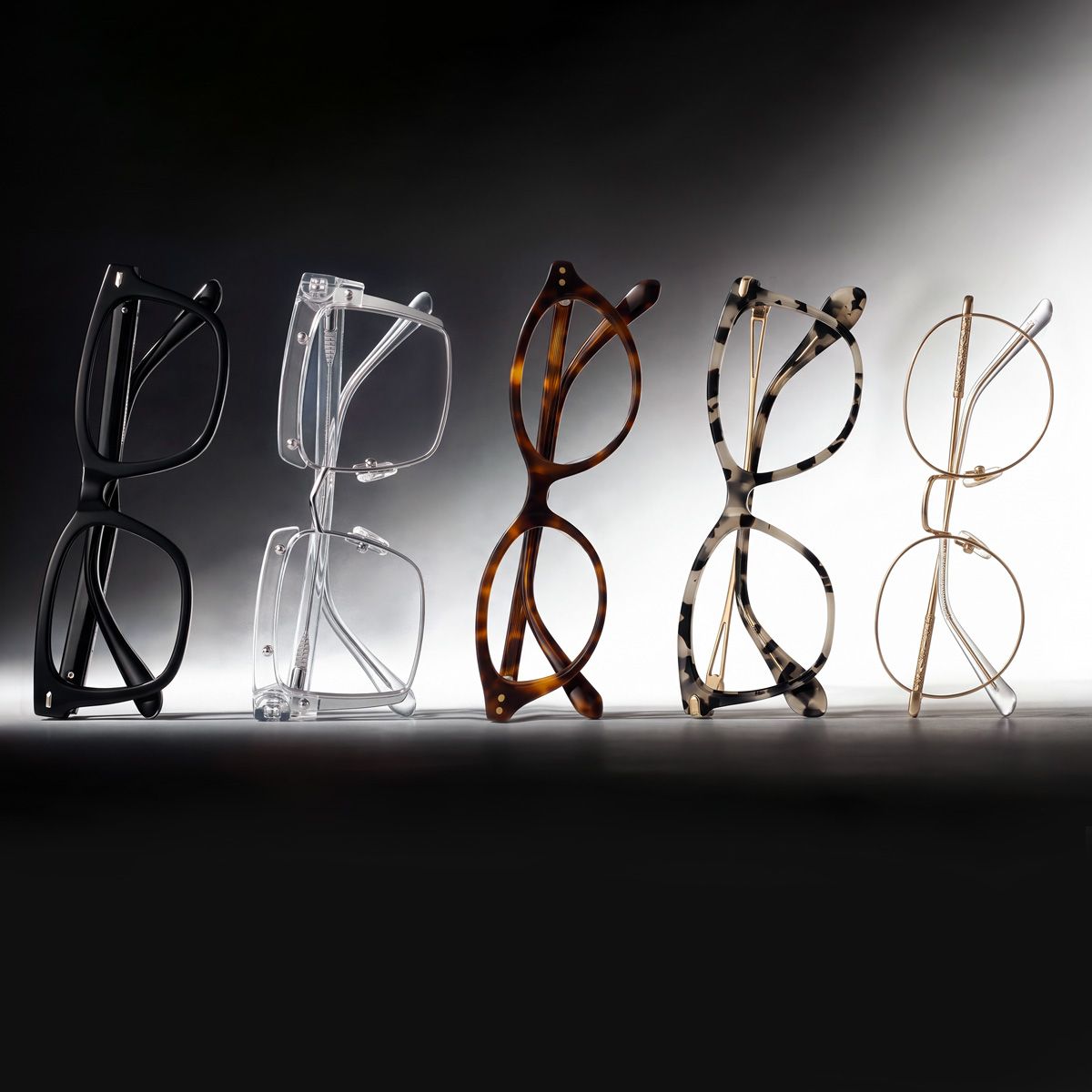
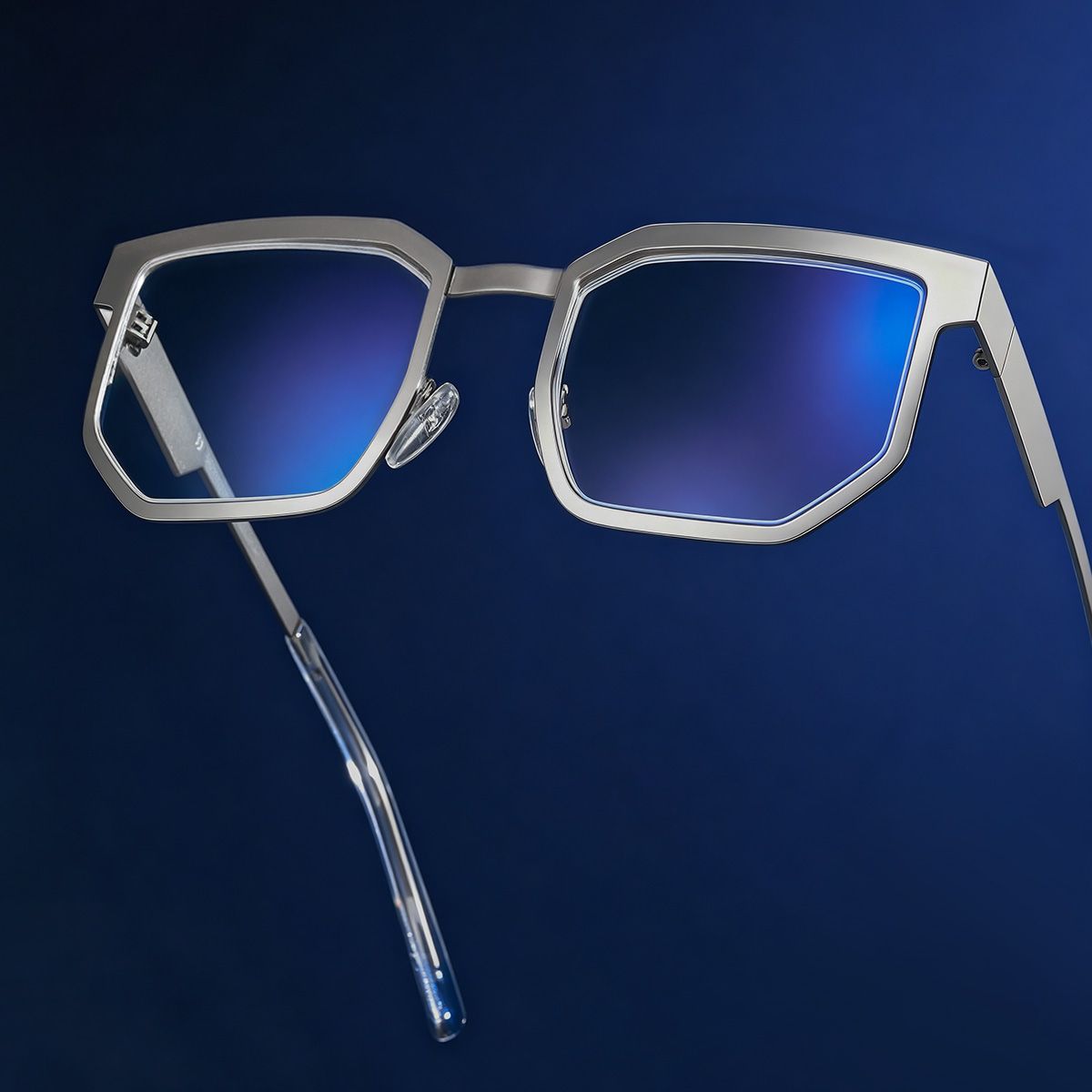
Want to protect your eyes while looking chic? ZEELOOL has protective eyewear that stands out from the usual companies. Consider it a small step toward a significant change in keeping you comfortable while reading.
References:
(a) British Medical Journal: https://www.bmj.com/content/335/7633/1288.full
(b) The Journal of Vision: https://www.ncbi.nlm.nih.gov/books/NBK603732/
(c) National Library of Medicine: https://pmc.ncbi.nlm.nih.gov/articles/PMC9424753/