










Key Factors and Conclusion
Got spray paint on your glasses? Learn how to remove spray paint from glasses lenses and frames safely without scratching or damaging coatings.
Never use acetone, paper towels, or harsh cleaners—they destroy lenses and coatings instantly.
Soak in warm soapy water and gently scrape with a fingernail for the safest removal.
For stubborn oil-based paint, use a little olive oil; avoid alcohol except as a last-resort dab.
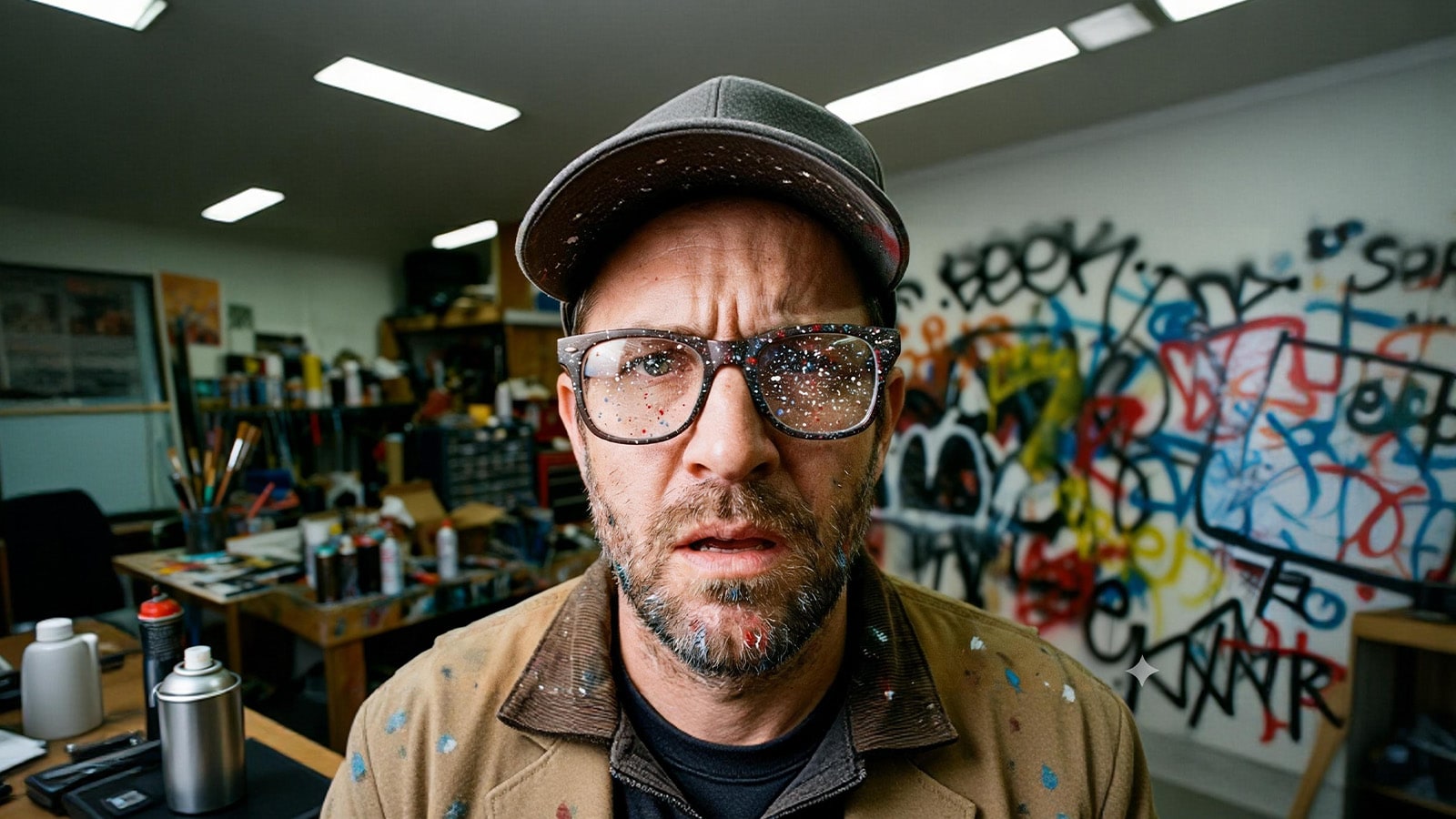
Imagine this. You’re gearing up for a DIY project, feeling confident, and shaking up a spray can. You aim carefully and then, suddenly, a fine mist lands on your face. A few minutes later, you notice tiny specks on your glasses. Your vision looks like it’s covered in polka dots.
Before you panic, take a breath. Your glasses are probably fine. Seriously. This happens all the time, and it’s easier to fix than you think. The trick is patience and knowing what not to touch your glasses with. Spoiler: most household cleaners are way too harsh for modern lenses.
Modern lenses are delicate. Anti-reflective coatings, blue light filters, and polycarbonate lenses all need careful handling.
Spray paint is one of the trickiest substances to remove from eyewear—though if you've ever dealt with super glue on your glasses lenses, you'll recognize the same principle: act carefully and never scrape dry.
In this guide, you’ll learn exactly how to get spray paint off eyeglasses safely, including lenses, frames, and delicate coatings.
The "Danger Zone": What NOT to Use
Before you do anything, let’s talk about the stuff that will definitely ruin your glasses.
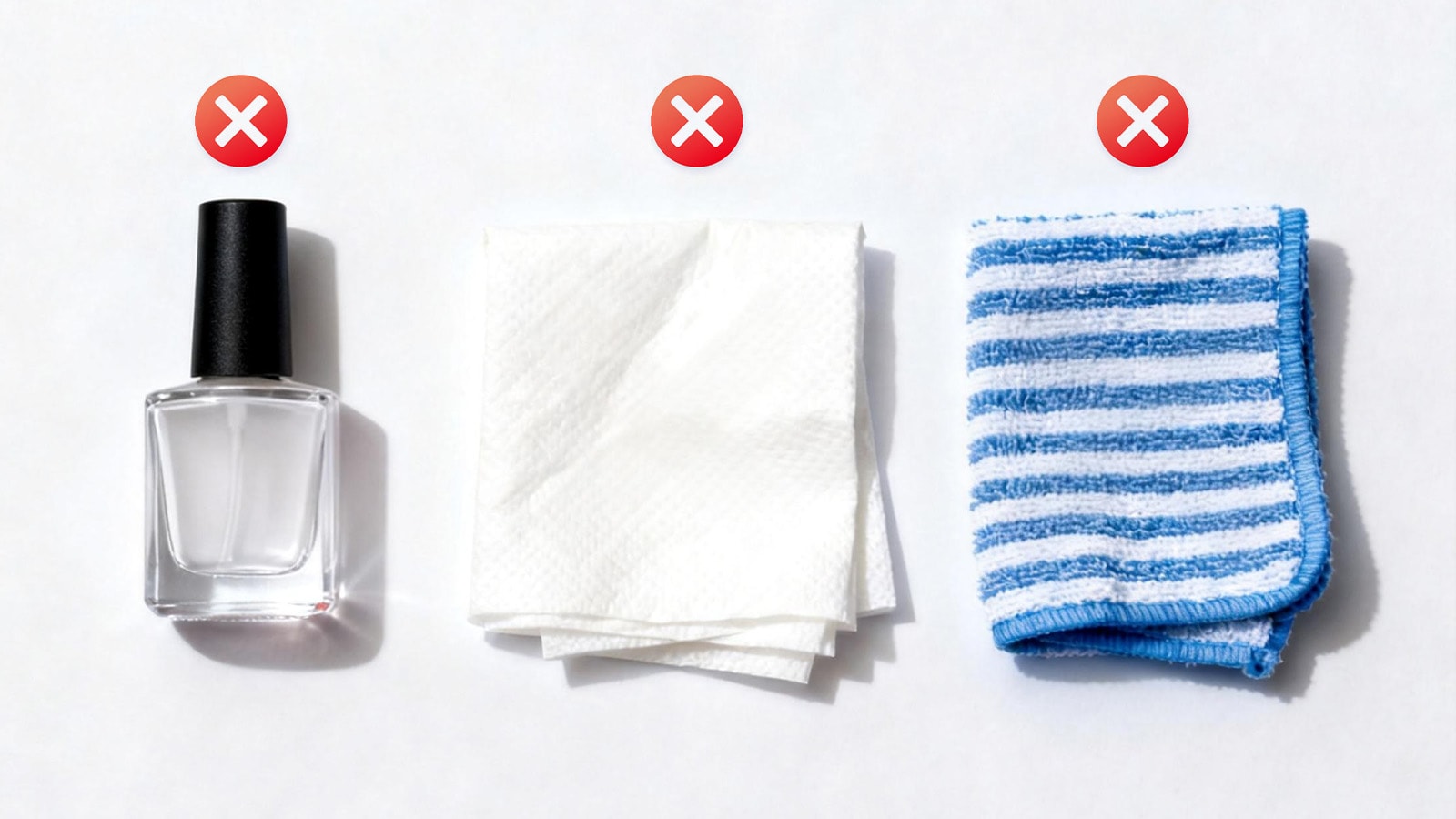
Avoid acetone or nail polish remover. Most modern lenses are polycarbonate, and acetone melts it instantly.
Clear lenses? Cloudy white in seconds.
Frames too? Yup. Totally destroyed.
- Paper towels contain tiny fibers that can leave micro-scratches on lenses.
- Magic erasers and scrub pads? They act like sandpaper. Premium coatings, including AR layers from ZEELOOL, can disappear in minutes.
- Even glass cleaners, like Windex, are risky. The ammonia slowly wears down coatings, leaving your lenses dull.
If you avoid all this, congratulations, you’ve already saved your glasses from disaster.
Cleaners That Can Ruin Your Glasses
| Do not use on lenses | What can happen |
| Acetone or nail polish remover | Can melt polycarbonate lenses and strip coatings. |
| Paint stripper / strong solvents | May damage plastic lenses and tint layers. |
| Magic erasers, scrub pads, steel wool | Act like sandpaper and leave permanent scratches. |
| Paper towels, tissues, T‑shirts | Cause micro-scratches over time. |
| Ammonia-based glass cleaners | Slowly wear down anti‑reflective coatings. |
3 Safe Methods to Remove Spray Paint from Eyeglasses
| Method | Best For | Safety Level | Key Tool |
| Soak & Slide | Fresh or Water-based paint | ⭐⭐⭐⭐⭐ (Safest) | Dish Soap & Warm Water |
| Oil Treatment | Dried or Oil-based paint | ⭐⭐⭐⭐⭐ | Olive/Baby Oil |
| Alcohol Dab | Tiny, stubborn specks | ⭐⭐⭐ | 70% Isopropyl Alcohol |
| Professional | Deeply embedded paint | ⭐⭐⭐⭐⭐ | Ultrasonic Cleaner |
Method 1: The "Soak & Slide" (The Gold Standard)
This is the gentlest method to remove paint from frames, perfect for fresh or water-based paint. It takes a little time, but it's the safest and most effective method for modern lenses.
Step 1: The Bath
Warm water. Not hot. Add dish soap. Dawn is great. Soap loosens the paint without scrubbing.
Step 2: The Soak
Submerge the glasses for 15–20 minutes. Yes, it’s boring. But it softens the paint. That’s important.
Step 3: The Scrape
Keep the lenses wet. Use your fingernail to gently push off paint specks. Nails are harder than paint but softer than your lens. Light pressure, slow and steady. Stubborn spot? Dunk the glasses back in water for a few minutes and try again.
Step 4: Rinse & Dry
Rinse with cool water. Dry with a microfiber cloth. No tissues, no shirts—trust me, those scratches will show up later.
This method is a little slow, but it keeps your lenses and coatings safe.
Method 2: The Oil Miracle (For Stubborn/Oil-Based Paint)
Oil-based paint can be tricky. But here’s a trick: “like dissolves like.” Oil softens oil-based paint. Here’s how to clean spray paint off glasses.
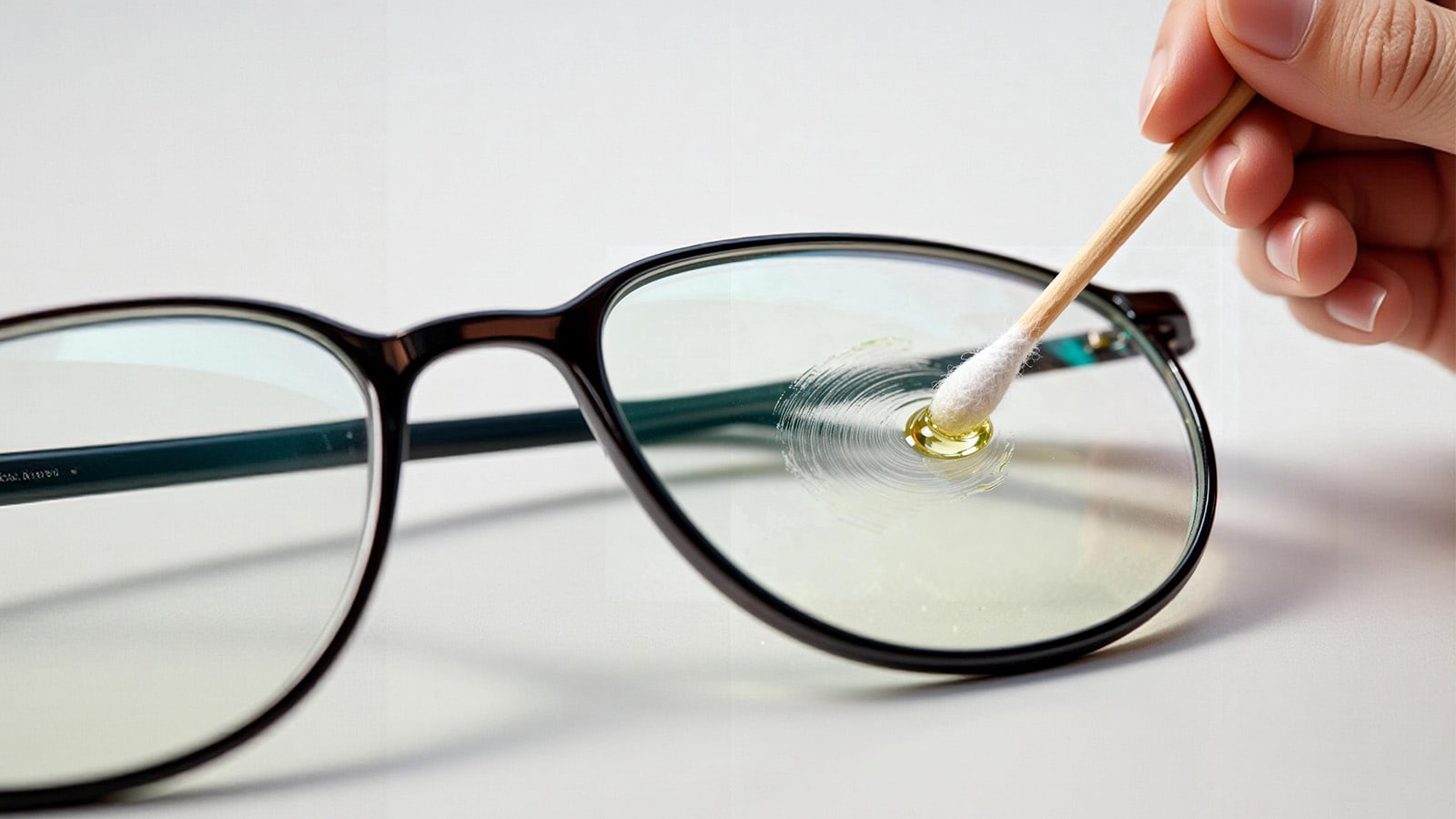
- Use a tiny bit of olive oil, baby oil, or vegetable oil. Rub lightly onto the paint spots. Let it sit for 10 minutes. The paint softens without damaging your lenses.
- Wipe off with a microfiber cloth. Fingernails can help with stubborn bits. Then wash with warm, soapy water to remove any leftover oil. Skip this, and your lenses could look greasy.
This method is great for old or dried paint. Messy? Maybe. But effective and safe.
Sometimes, a thin paint mist dries invisibly into the coating and creates a greasy haze rather than visible flakes. In such cases, the fix you need is actually for a film layer on the lens, not paint removal.
Method 3: The Alcohol Spot-Treat (The Last Resort)
Isopropyl alcohol works in small amounts but must be used carefully. Polycarbonate lenses tolerate a dab, but too much can damage coatings or frames. Here’s how to remove paint from polycarbonate lenses
- Do not soak your glasses.
- Dip a Q-tip in 70% rubbing alcohol. Dab only the paint spot. Keep the rest dry. The paint should soften, and you can wipe it off.
- Rinse immediately to stop any chemical reaction and protect coatings.
This method is for tiny, stubborn spots when everything else fails.
Material Matters: Protecting Your Frames
Frames are tricky, too.
Acetate (Plastic) Frames:
Acetate frames can dry out or lose their finish when exposed to alcohol. Stick to soak & slide or oil methods.
Metal Frames:
Metal frames are more durable, but paint can settle into small hinges and corners. Use a soft toothbrush gently. Dry thoroughly afterward to prevent rust.
Knowing your frame material helps prevent accidental damage while removing paint.
Best Way to Remove Paint by Lens or Frame Type
| Lens / frame type | Safe approach |
| Polycarbonate or plastic prescription lenses | Use Soak & Slide first, then the oil method; avoid acetone and paint stripper. |
| Sunglasses with tint or mirror coating | Use warm soapy water and oil only; avoid alcohol on large areas. |
| Metal eyeglass frames | Soak, then use a fingernail or soft toothbrush in the hinges; dry well to prevent rust. |
| Plain window or mirror glass | Stronger cleaners and scrapers can work if you’re removing spray paint from glass, not from lenses you wear. |
Don't forget to inspect the rim channel—paint mist settles into the gap between the lens and frame and hardens over time, so give it the full treatment using the methods in our guide on how to clean the gap between the lens and frame.
FAQ
Can I use paint thinner or remover on my glasses?
No way. Paint thinners and chemical removers are loaded with aggressive solvents. They'll ruin polycarbonate lenses, leaving them permanently cloudy, or even melt them. They'll also wreck the finish on your frames.
How can I get dried spray paint off my glasses lenses without scratching them?
The best approach is to use a lubricant or give them a long soak in soapy water. This softens the paint, allowing it to be gently removed with a microfiber cloth or your fingernail.
Does hairspray damage glasses?
Hairspray can create a sticky film or "specks" similar to paint. It is usually water-soluble and can be removed easily with standard lens cleaner or mild dish soap.
Can you remove paint from sunglasses?
Yes, the same methods apply. However, be extra careful with mirrored or polarized coatings, as they are thinner than standard clear lenses.
Conclusion
Removing spray paint from glasses takes patience. Slow soaking, gentle scraping, and careful oil or alcohol treatments work far better than scrubbing. If a stubborn spot remains, an optical shop can use ultrasonic cleaning to restore your lenses.
If you want a backup pair or something you don't mind wearing during messy projects, ZEELOOL offers project-ready frames at affordable, stylish prices. Protect your main glasses and tackle DIY projects confidently.
ZEELOOL Rodz frames
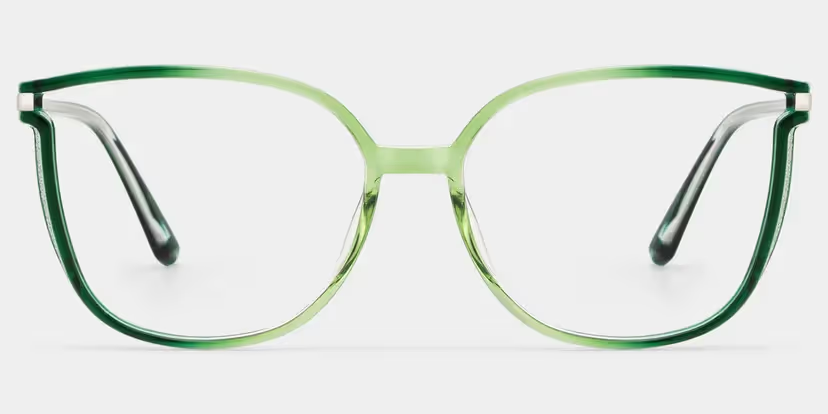
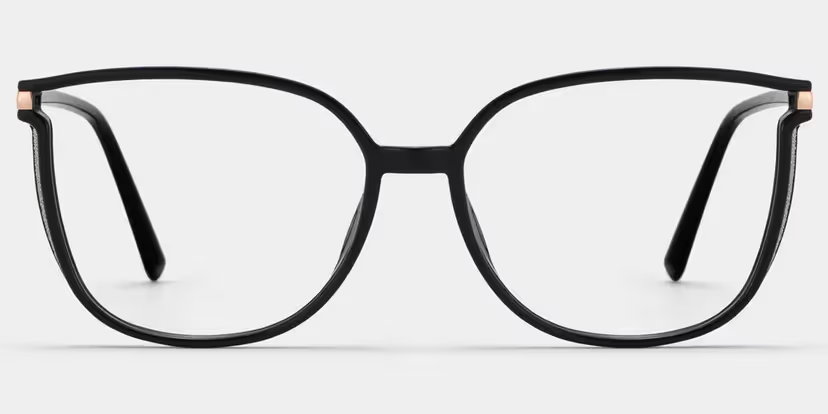
Rodz Square Black Frame Glasses
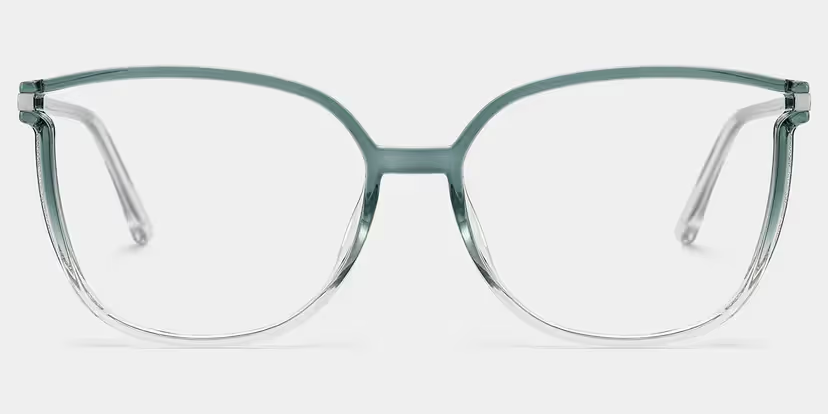
Rodz Sage Green Square Glasses
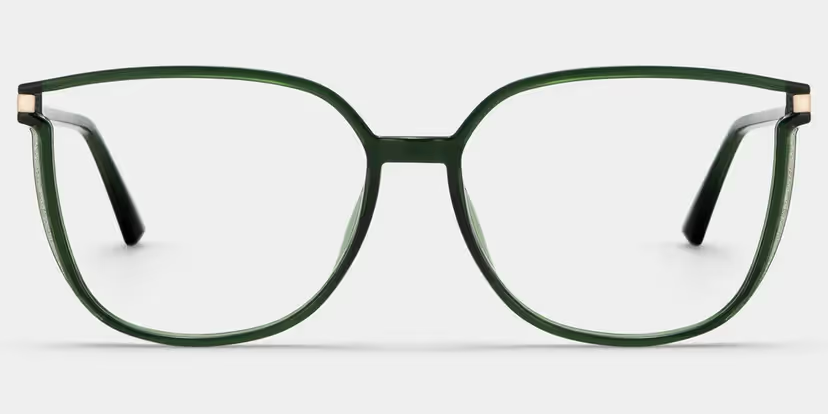
Rodz Square Dark-Green Frame Glasses
About ZEELOOL
At ZEELOOL, we believe eyewear is the finishing touch that completes your look and expresses who you are. By delivering premium glasses from ZEELOOL creates high-quality, stylish eyewear that is accessible to everyone, empowering you to frame your vibe with confidence and ease.
We aim to become the essential accessory in every wardrobe, offering eyewear that fits every moment of your life.