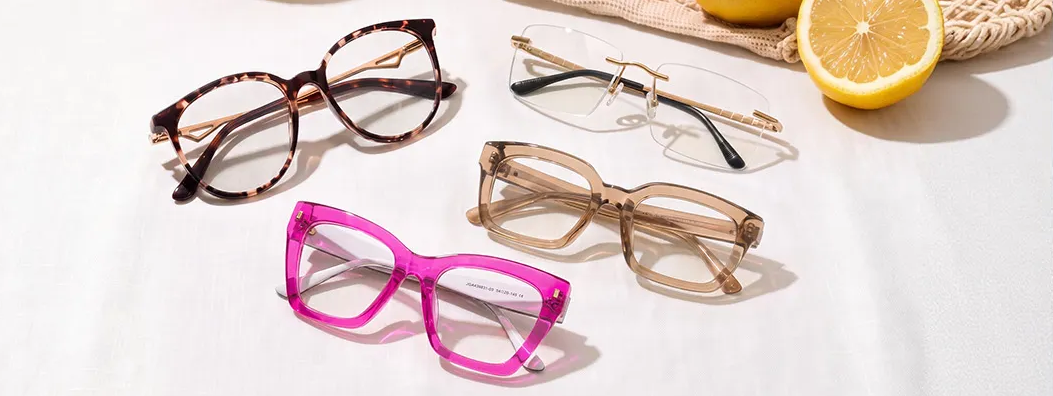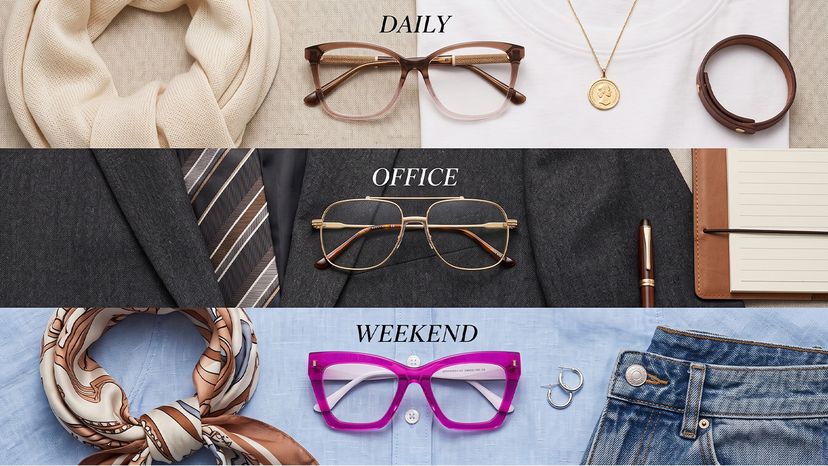



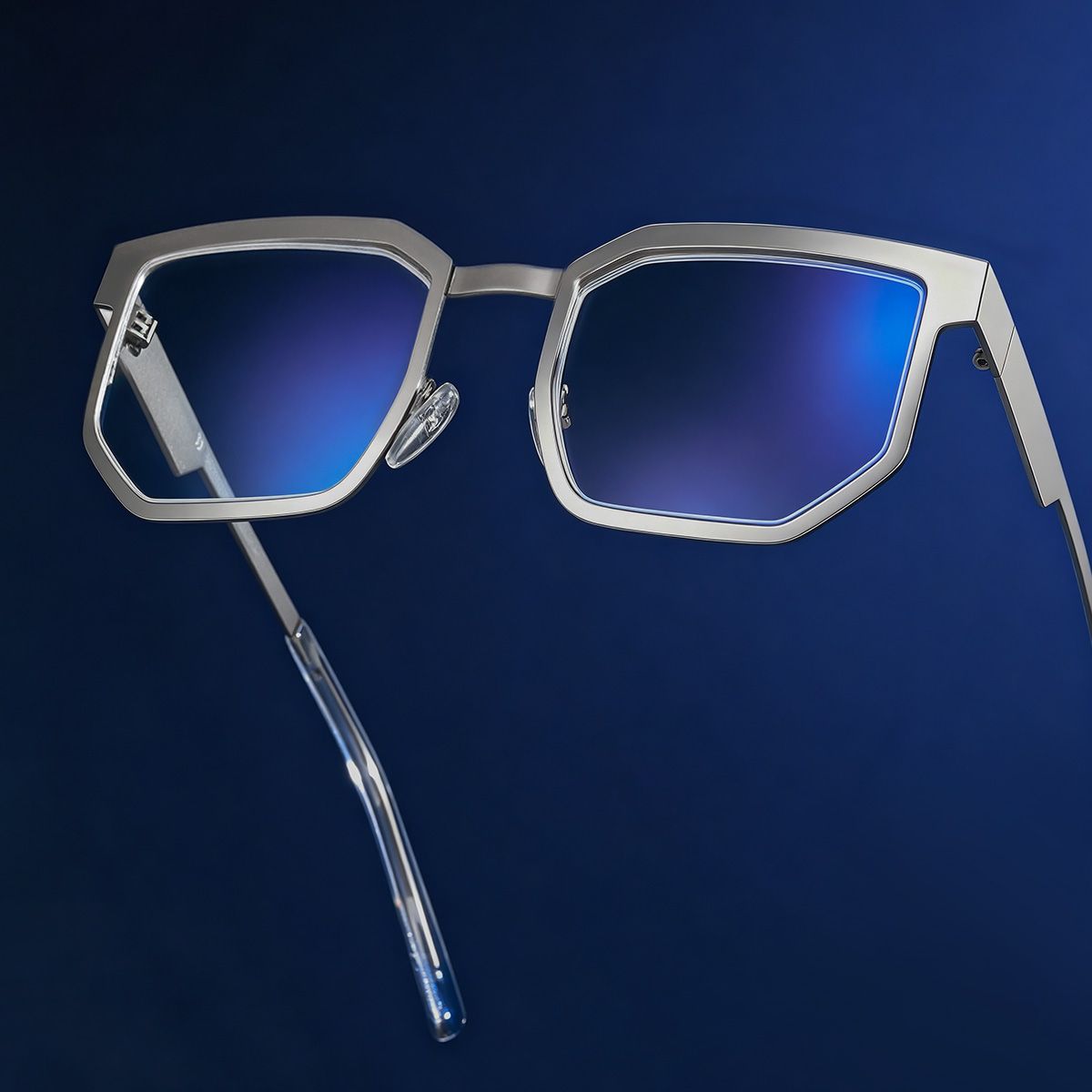

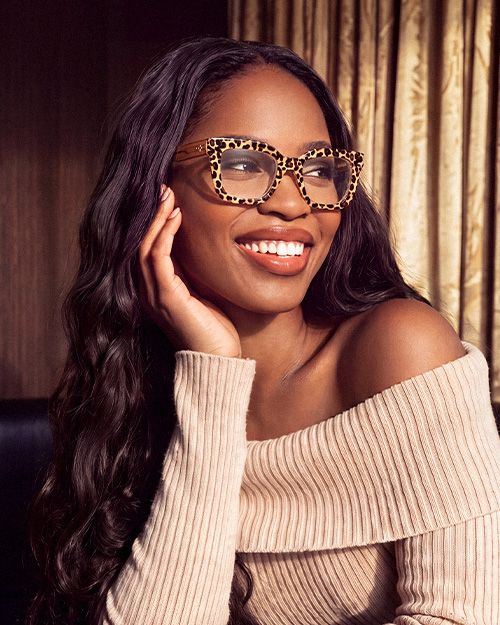
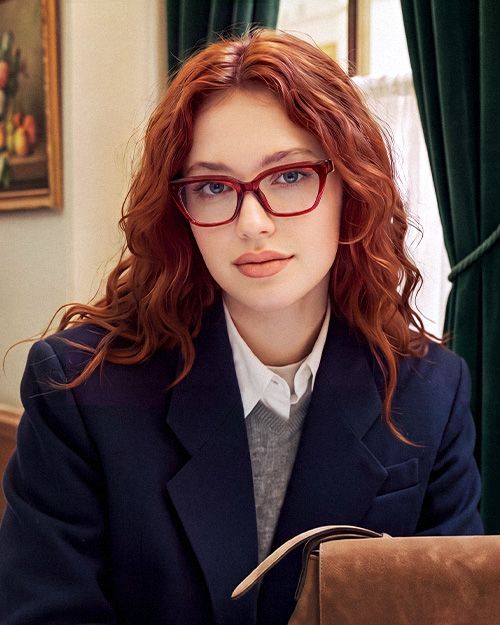
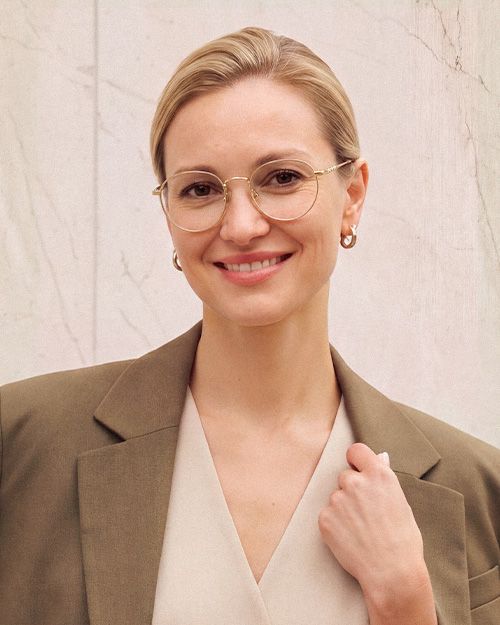



Everyday glasses usually prioritize comfort, versatility, and an easy fit with your routine, while statement glasses use color, pattern, scale, or shape to express more personality. Neither category has to follow a fixed look. The best two-pair combination is not simply one quiet frame and one dramatic frame—it is two pairs with complementary roles that you will genuinely wear.
Key Takeaways
- Choose each pair by its purpose rather than by a trend-driven label.
- Prioritize comfort, fit, and lens compatibility in the pair you wear most often.
- Statement glasses can still be versatile when one design feature leads the look.
- Make the two pairs meaningfully different through color, shape, scale, or pattern.
- Put your lens budget toward your actual vision needs before optional styling details.
Everyday vs. Statement Glasses at a Glance
The difference between everyday glasses and statement glasses is mainly their role in your wardrobe. An everyday pair is designed to work across many situations, while a statement pair creates a more intentional visual focus.
| Feature | Everyday Glasses | Statement Glasses |
|---|---|---|
| Main role | Reliable, frequent-wear eyewear | Personal expression or a visual focal point |
| Typical colors | Neutrals, clear tones, tortoise, soft colors, or familiar favorites | Saturated colors, high-contrast combinations, prints, metallics, or unexpected tones |
| Typical shapes | Comfortable shapes that suit your routine | Oversized, geometric, sculptural, upswept, or otherwise distinctive shapes |
| Comfort priority | Very high because of frequent or all-day wear | Still essential, even if the pair is worn less often |
| Office use | Usually easy to integrate | Depends on the frame, outfit, workplace, and desired level of contrast |
| Styling effort | Generally low | Can be low or high depending on the rest of the outfit |
| Frequency | Daily or several times a week | Daily, occasional, or event-based—it depends on the wearer |
| Best test | “Can I comfortably wear these through most of my routine?” | “Do these express something I want people to notice?” |
These are useful distinctions, not strict rules. Clear oversized frames can be an everyday signature, while a slim red frame can make a statement without looking dramatic.
Should My Everyday Glasses Be Neutral?
No, your everyday glasses do not have to be neutral. A neutral frame can be convenient, but the better choice is a comfortable, well-fitting pair that works with your routine and enough of your wardrobe to earn frequent wear.
For one person, that may be black, brown, clear, or tortoise. For another, teal, burgundy, lavender, or red may function like a personal neutral because those colors already appear throughout their closet.
What Makes a Good Everyday Pair
A good everyday pair should feel dependable. It should support the lenses you need, stay comfortable through your normal schedule, and work with the settings in which you spend the most time.
Ask practical questions before focusing on color:
- How many hours will I wear this pair?
- Does it stay in place when I walk, look down, or move my head?
- Does the frame work with my prescription and preferred lens options?
- Will it fit my workplace, social life, and most common outfits?
- Am I likely to enjoy this color after the initial excitement wears off?
Comfort for Long Wear
Comfort comes before the “everyday” label. A frame can look simple and versatile but still be a poor daily choice if it pinches at the temples, slides down the nose, touches the cheeks, or feels heavy after several hours.
Check the frame width, bridge design, temple length, and overall weight. If you already own a comfortable pair, compare its measurements with the new frame rather than relying only on labels such as narrow, medium, or wide.
Comfort does not mean the frame has to disappear. A bold frame that fits securely may be a better everyday choice than a minimal frame that constantly needs adjustment.
Colors That Work With Most of Your Wardrobe
Neutral eyeglasses are useful because they repeat colors already found in many wardrobes. Black can connect with dark shoes and accessories, tortoise can work with warm and cool neutrals, and clear frames can adapt to many color combinations.
But “versatile” is personal. Look at the clothing you actually wear:
- If your closet is mostly black, gray, navy, and white, almost any accent color can work.
- If you often wear warm earth tones, consider amber, olive, warm tortoise, or muted red.
- If your wardrobe contains cool colors, try blue, silver, purple, cool gray, or translucent tones.
- If one bright color appears repeatedly in your clothes or accessories, it may already be one of your neutrals.
The goal is not to make the glasses match every outfit perfectly. They only need to feel connected to your overall style.
A Shape That Suits Your Routine and Face—Not a Rigid Face-Shape Rule
Face-shape advice can provide ideas, but it should not become a restriction. Angular frames can create contrast with softer facial lines, while rounder frames can soften angular features, but fit, scale, personal taste, and the effect you want matter just as much.
Your routine also influences shape. A secure, moderate-size frame may be convenient for an active day, while a larger frame can offer more visual presence. If your prescription requires a particular lens depth or frame construction, that practical requirement should guide the decision before a face-shape formula does.
Lens Options Matched to Daily Use
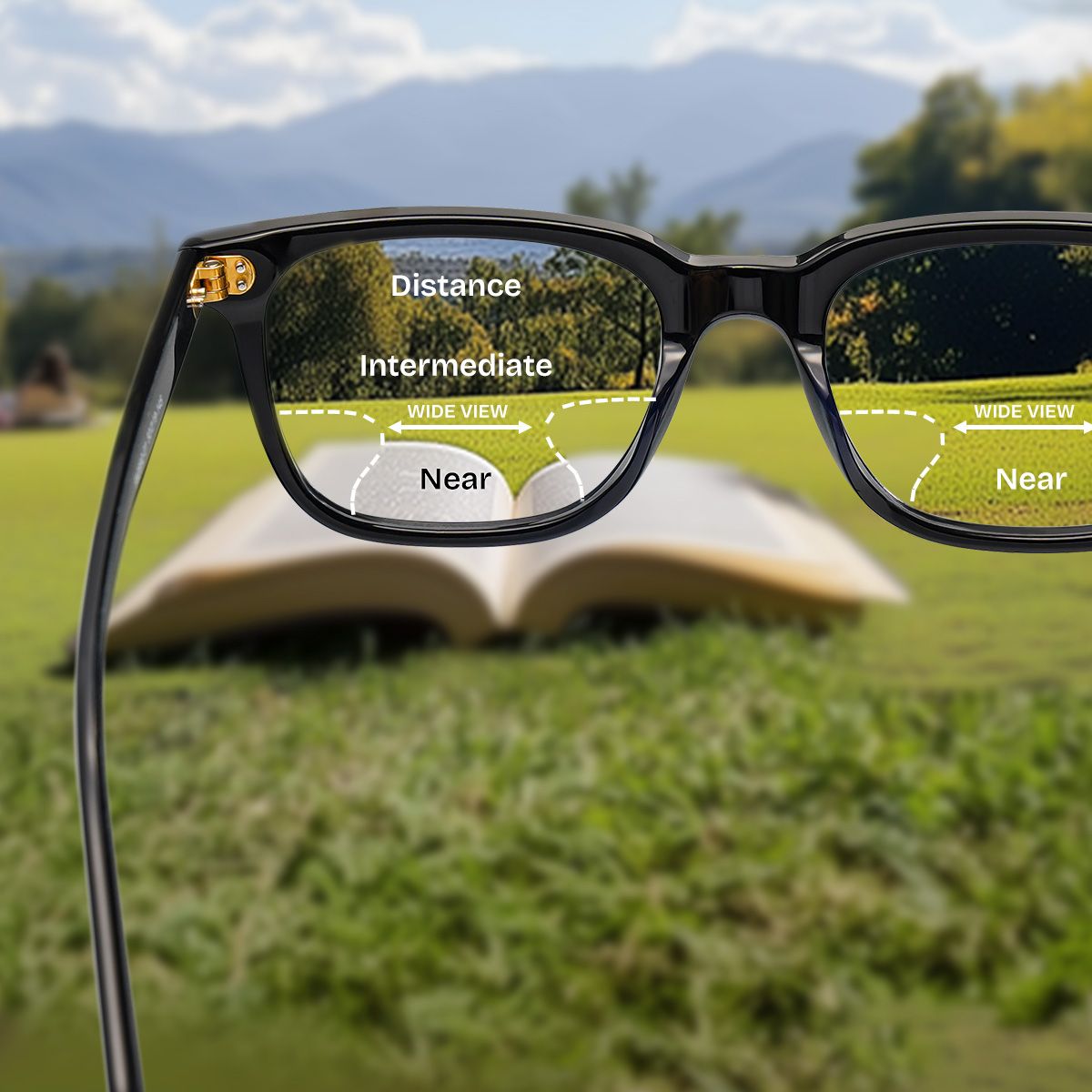
The pair you wear most often should receive the lens configuration required for your daily vision needs. Depending on your prescription and routine, that may mean single-vision, progressive, reading, occupational, photochromic, or prescription sun lenses.
Treat optional coatings and lens upgrades as functional choices rather than decorations. If the everyday pair carries most of your vision correction, prioritize accurate prescription entry, appropriate lens material, comfortable weight, and compatibility with the selected frame.
How Do I Choose Statement Glasses?
Choose statement glasses by deciding what you want the frame to express, then selecting one dominant design feature that creates that effect without compromising fit or lens compatibility. The frame can be colorful, oversized, patterned, geometric, or sculptural, but it should still feel intentional rather than overloaded.
If you need inspiration, explore how quirky and distinctive glasses use shape, color, and detail to create personality.
What Makes Glasses a Statement Pair
Statement glasses attract attention or communicate a clear point of view. They might feel artistic, playful, polished, futuristic, retro, glamorous, or confidently minimal.
A statement does not always require a large frame or a bright color. A sharp black geometric frame can be more noticeable than an oversized transparent one. A slim metallic cat-eye can create a strong impression through shape alone.
Bold Color, Pattern, Scale, or Geometry
Most statement frames lead with one or more of these elements:
- Color: Red, cobalt, emerald, yellow, pink, or another noticeable tone
- Pattern: Tortoise, floral, marbled, animal-inspired, or multicolor finishes
- Scale: Oversized lenses, thick rims, broad temples, or a dramatic browline
- Geometry: Hexagonal, asymmetrical, exaggerated cat-eye, butterfly, or angular shapes
- Finish: Gloss, translucency, metallic accents, glitter, or contrasting layers
Start with the feature that feels most natural to you. If you love color but prefer classic shapes, choose a familiar silhouette in an expressive tone. If your wardrobe is colorful already, a sculptural frame in black or clear may provide a stronger, cleaner contrast.
One Dominant Design Feature Rather Than Several Competing Details
A useful way to make bold glasses easier to style is to let one feature lead. A vivid color in a simple shape is often easier to combine with clothing than a vivid color, oversized silhouette, heavy pattern, and decorative temples all in one frame.
This is not a ban on highly decorative eyewear. It is simply a way to control the visual intensity. If you want several bold features, keep the rest of the outfit simpler or repeat one of the frame colors elsewhere.
A Frame That Still Fits Correctly and Supports the Required Lenses
Statement glasses still need to fit. Do not accept slipping, pinching, excessive weight, or poor lens compatibility just because the design looks exciting.
Check that your eyes sit appropriately within the frame, the bridge rests securely, and the frame dimensions suit your prescription. Very large or unusually shaped frames may affect finished lens thickness, weight, or compatibility with certain lens designs. Style has more impact when the glasses are comfortable enough to wear confidently.
How to Make the Two Pairs Feel Different
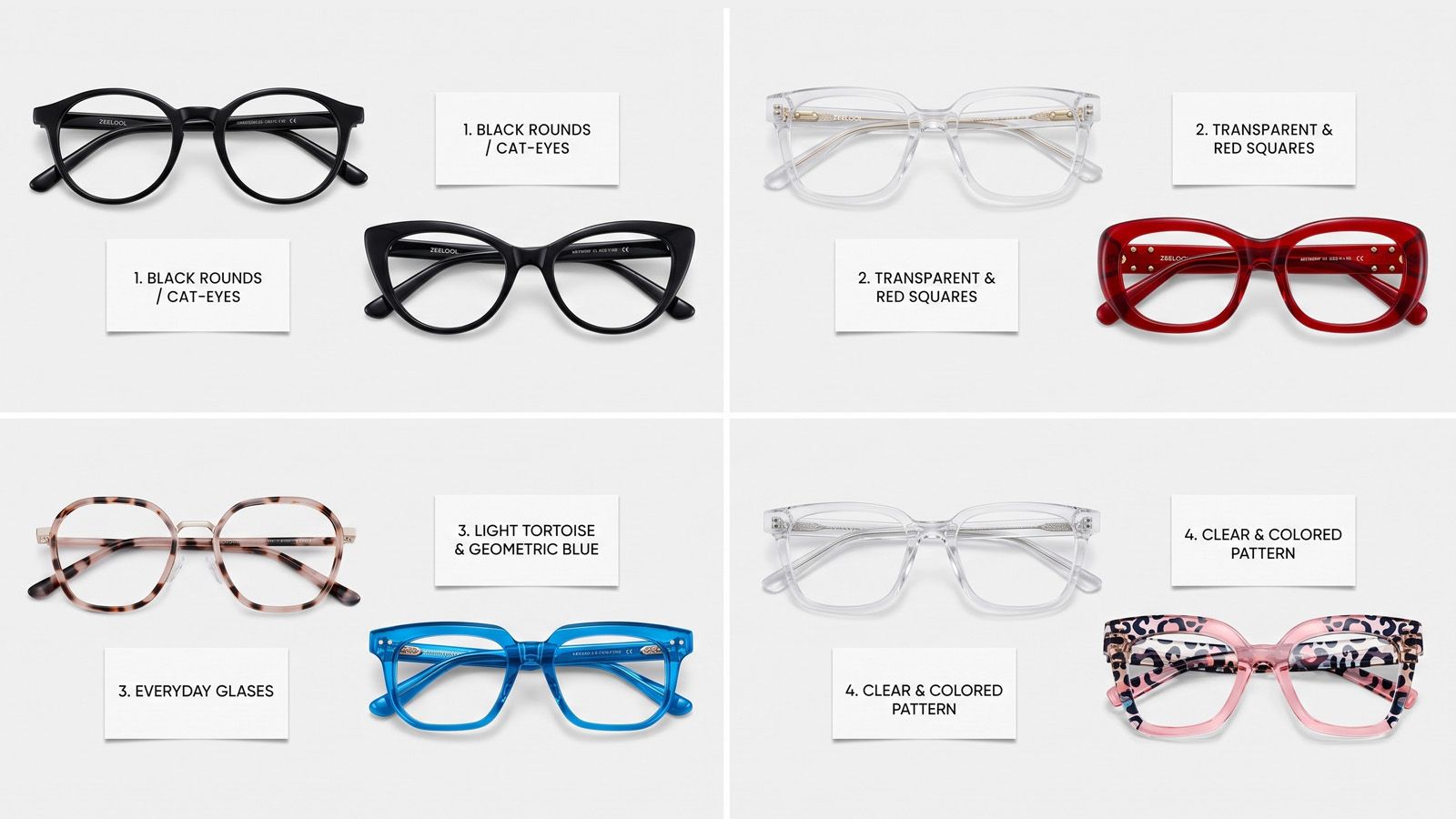
Two pairs do not need to represent opposite personalities. They only need enough distinction that each one has a reason to exist in your eyewear wardrobe.
Try one of these pairing methods:
| Pairing Method | Everyday Pair | Statement Pair | Why It Works |
|---|---|---|---|
| Keep the color, change the shape | Soft black rectangle | Oversized black cat-eye | Maintains color consistency while changing the silhouette |
| Keep the shape, change the color | Clear square frame | Bright red square frame | Makes styling easy while creating two levels of visual intensity |
| Neutral plus bright | Tortoise or gray frame | Cobalt, green, pink, or yellow frame | Creates a clear practical-versus-expressive division |
| Transparent plus patterned | Clear or translucent frame | Floral, marbled, or multicolor frame | Moves from subtle texture to visible detail |
| Thin plus chunky | Slim metal frame | Thick acetate frame | Changes visual weight without requiring a new color palette |
| Classic plus geometric | Familiar rectangle or round frame | Hexagonal or sculptural frame | Preserves one reliable option and one more directional option |
If both pairs look almost identical, ask whether they truly serve different roles. A small but visible change—such as a warmer color, thicker rim, or more angular corner—may be enough.
Can Bold Glasses Still Work for the Office?
Yes, bold glasses can work for the office when their visual intensity suits your workplace, role, outfit, and comfort level. There is no universal rule that professional eyewear must be neutral, but different environments may call for different styling choices.
Conservative Workplaces
In a more traditional setting, try controlled contrast rather than removing personality altogether. Options include:
- Deep burgundy instead of bright red
- Forest green instead of neon green
- A slim geometric frame instead of an oversized one
- A patterned inner layer with a darker outer rim
- A classic shape in an unexpected but muted color
These frames can feel distinctive at conversational distance without dominating the entire outfit.
Creative Workplaces
Creative environments often allow more freedom in color, scale, and shape. A thick translucent frame, oversized cat-eye, multicolor acetate, or unusual geometric design can become part of a recognizable personal style.
Even in a creative setting, fit and proportion still matter. One strong frame feature usually looks more intentional than several unrelated details competing for attention.
Casual or Flexible Offices
A casual workplace can support a wider range of office statement frames. Adjust the intensity according to the day: a high-contrast pair may suit presentations, events, or social days, while a softer pair may feel better for routine meetings.
You can also manage the effect through clothing. Pair bold glasses with a simple top and limited accessories when you want the frames to lead. Repeat one frame color in a shirt, shoe, or small accessory when you want the outfit to feel more connected.
For more ideas, see these professional eyeglass frame styles.

Choose by Wardrobe, Lifestyle, and Contrast Preference
The most useful styling advice begins with your actual wardrobe and schedule. Skin tone and face shape can offer a starting point, but they should not decide what you are allowed to wear.
Mostly Neutral Wardrobe
A mostly neutral wardrobe gives you flexibility. Your everyday pair can continue the palette with black, brown, clear, gray, or tortoise, while the statement pair adds a deliberate accent.
If you want low contrast, choose a muted or translucent color. For greater contrast, use a saturated color, thick rim, or geometric shape against simple clothing.
Colorful or Patterned Wardrobe
If your clothing already contains many colors or prints, your everyday glasses can repeat one common color or provide a visual pause through clear, metallic, or single-color frames.
Statement glasses can still work with patterned clothing. Look for a shared color between the frame and outfit, or choose a strong monochrome frame that holds its own without introducing another pattern.
The guide to styling statement pieces in a daily wardrobe offers additional ways to balance distinctive accessories with regular outfits.
Low-, Medium-, and High-Contrast Preferences
Your preferred contrast level may be more useful than a fixed rule based on complexion or face shape.
- Low contrast: Similar depth and softness between your features, clothing, and frames
- Medium contrast: A visible frame that supports the outfit without becoming its only focal point
- High contrast: Strong differences in color, thickness, scale, or geometry
Try looking at the entire outfit rather than evaluating the glasses in isolation. The same red frame may feel dramatic with a beige outfit and integrated with a colorful print.
Four Two-Pair Capsule Examples
These examples show how two pairs can create a small, practical eyewear capsule without requiring one pair to be “plain.”
| Capsule | Everyday Pair | Statement Pair | Best For |
|---|---|---|---|
| Minimal | Thin black, gray, silver, or clear rectangle | Chunky black or sharp geometric frame | A monochrome wardrobe, streamlined outfits, and controlled contrast |
| Creative Office | Tortoise, deep green, or translucent square | Sculptural cat-eye, bold browline, or layered acetate | Workdays that move between meetings, creative tasks, and social events |
| Color Lover | A familiar shape in a frequently worn color | A contrasting bright, patterned, or multicolor frame | Wardrobes built around color coordination and expressive accessories |
| Weekend Focus | Comfortable neutral frame for work and errands | Oversized, playful, retro, or quirky frame | People who prefer practical weekday glasses and stronger weekend styling |
Use these as frameworks rather than formulas. For example, a creative-office capsule could use the bold pair every day, while the quieter pair becomes the option for formal meetings.
How to Split Your Budget Between Two Pairs
Start by funding the prescription, lens design, fit, and comfort required for the pair you will wear most often. If your everyday glasses need progressives, a particular lens material, or other essential options, account for those needs before dividing the remaining budget by appearance.
For the second pair, consider how often and where you will wear it. A frequently worn statement pair may deserve the same lens configuration and durability priorities as the everyday pair. An occasional frame may use a different compatible configuration, but it should still provide the vision correction and comfort required for its purpose.
A practical order of priorities is:
- Accurate prescription and required lens design
- Frame fit and prescription compatibility
- Comfort for the expected wearing time
- Durability and lens options relevant to the pair’s role
- Color, pattern, shape, and optional styling details
You do not need to purchase two pairs simply to follow a wardrobe formula. The goal is to make each pair useful enough to justify its place in your routine.
Build an Eyewear Wardrobe That Feels Like You
Start with versatile Daily Essentials glasses, explore bold eyeglasses, choose classic eyeglasses frames, or find polished options in the Professional Life collection. Choose by fit, purpose, and personal style so that each pair adds a genuinely different option to your wardrobe.
FAQ
Can Statement Glasses Be Worn Every Day?
Yes. A statement frame can become your everyday signature if it fits comfortably, supports the lenses you need, and works with your routine. “Statement” describes its visual impact, not how often you are allowed to wear it.
How Different Should Two Pairs Be?
The pairs should have at least one meaningful difference in color, shape, scale, material, or purpose. They do not need to be opposites, but the distinction should be noticeable enough that you can easily decide when to wear each one.
Should Both Pairs Use the Same Lenses?
Not necessarily. Both pairs should use the prescription and lens design required for their intended purpose, but compatible materials, indexes, coatings, tints, or treatments may differ. Do not change prescribed powers or omit required values solely for styling or budget reasons.
Which Pair Should Get More of My Budget?
Generally, prioritize the pair that carries the greatest vision demands or receives the most wear. However, if both pairs are worn frequently and serve equally important roles, divide the budget according to the lens and comfort requirements of each rather than labeling one as secondary.