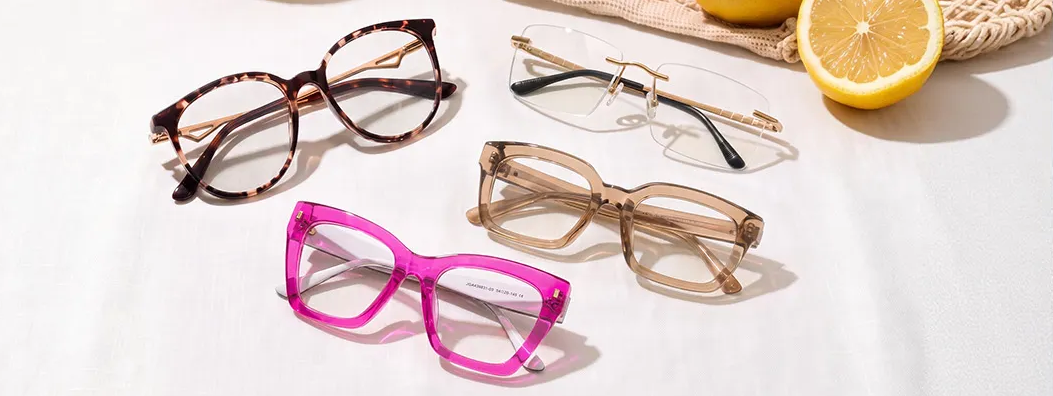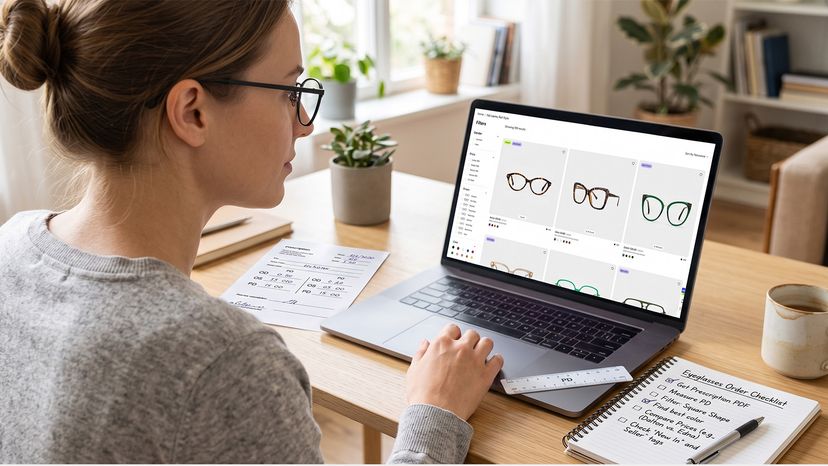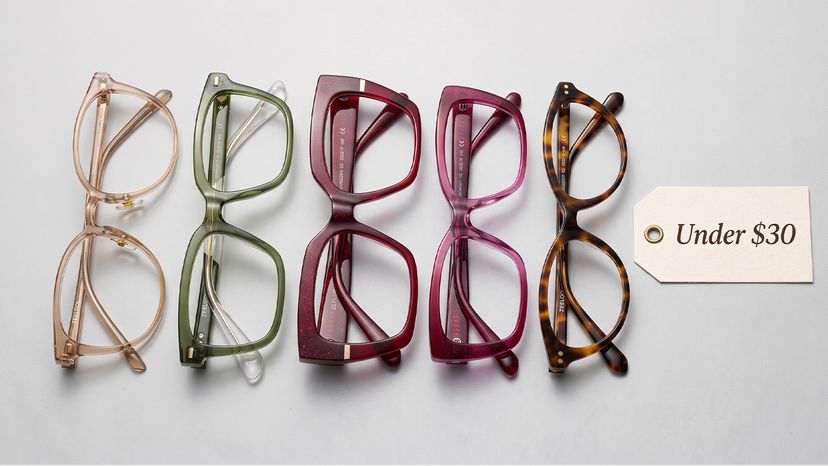


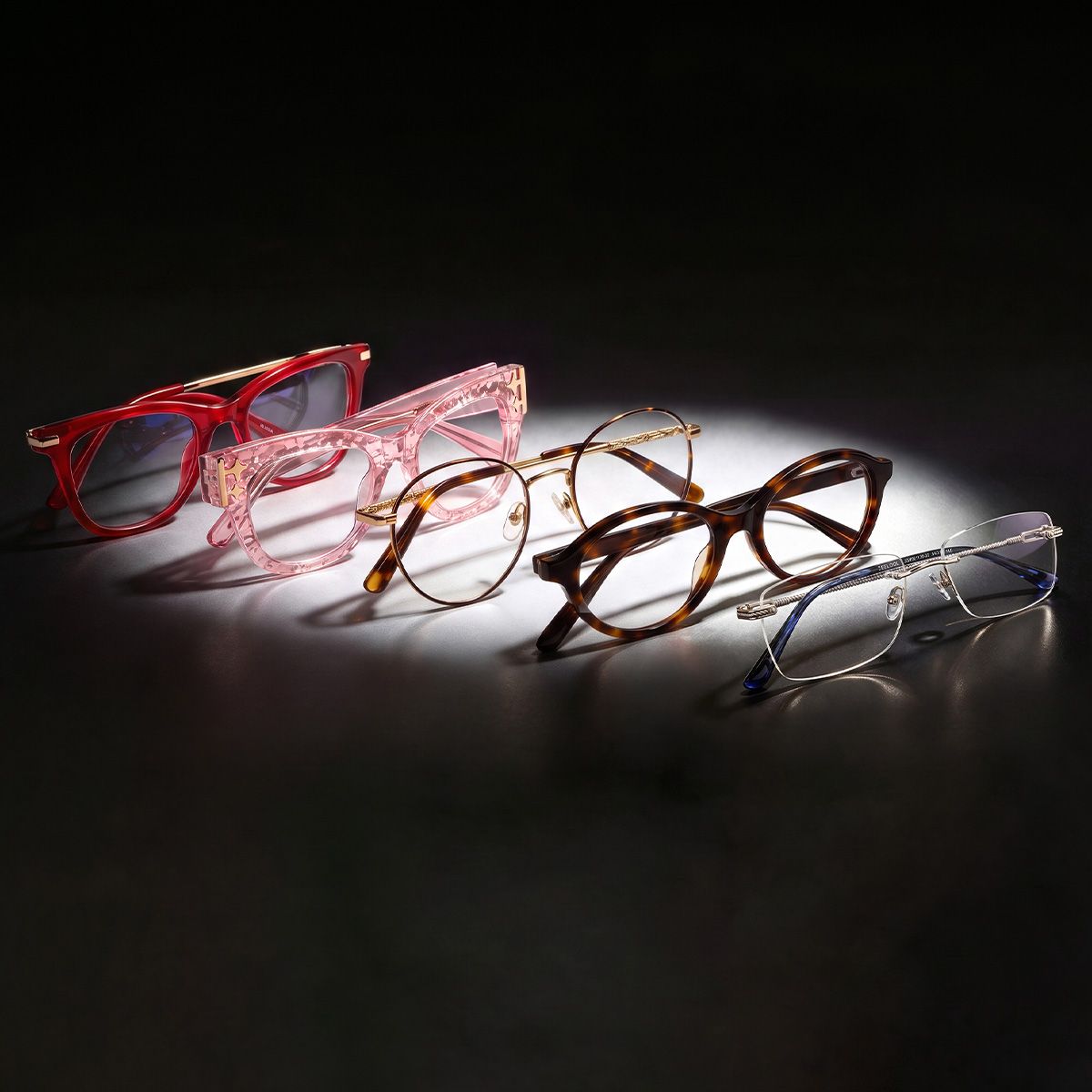






First, decide what you need most often and give a job to each pair of glasses to create your eyewear wardrobe on a budget. Invest in a decent pair of everyday glasses first, then add one for work or tasks and a statement or weekend option only when those roles match your real life. Before you go out and buy the same frames in new colors, make sure you get the right prescription, fit and comfort first.
Key Takeaways
- Plan by weekly activities, not a target number of glasses.
- Give the largest share of the budget to the pair with the greatest vision demands and wear time.
- Make pairs different by altering one or two elements e.g. color, shape, material or scale.
- One prescription can be used for several pairs, but the lens configurations could be different for the purposes.
- Add in stages to fill a real wardrobe or task gap with each new pair.
Start With Your Real Weekly Routine
Before browsing frames, review a normal week. Note how many hours you wear glasses, the distances you use for work, time spent outdoors, social settings and whether you need a backup. Divide the result into Need Now and Nice Later. This keeps a temporary trend from taking budget away from the pair you rely on most.
- Everyday: commuting, errands, home and general wear.
- Work or task-specific: sustained computer work, reading or another prescribed distance.
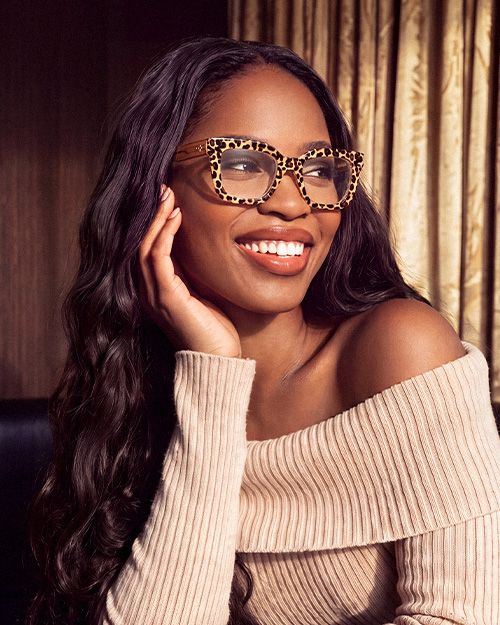
- Statement or weekend: social events, creative settings and outfit-led styling.
- Backup: a practical spare for situations in which the main pair is unavailable.
A Practical Three Role Eyewear Wardrobe
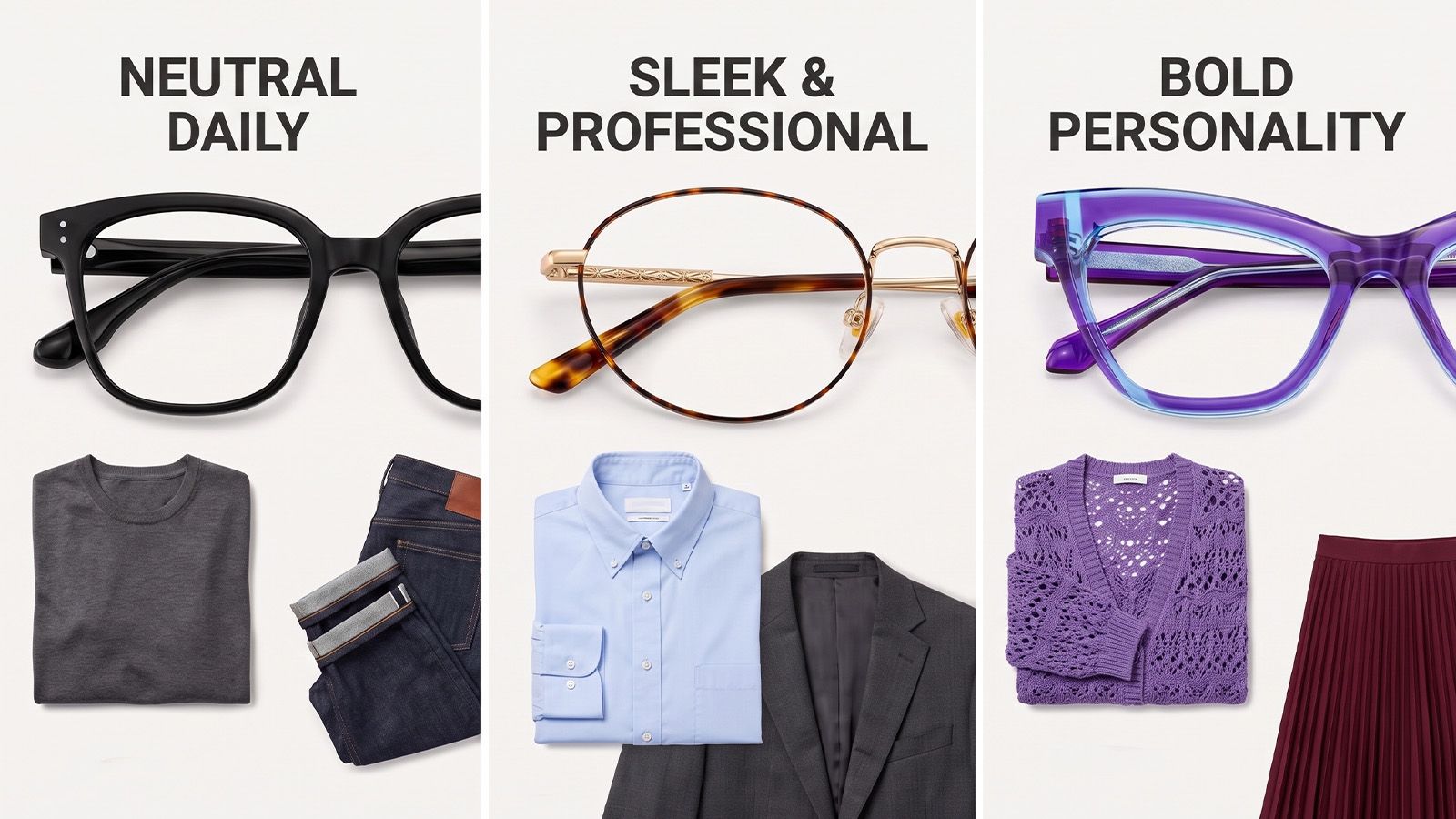
Three roles are enough to organize choices, but they are not a shopping requirement. One pair can cover more than one role, and a two-pair wardrobe can be complete if it fits your routine.
| Role | Primary job | Frame direction | Budget priority |
|---|---|---|---|
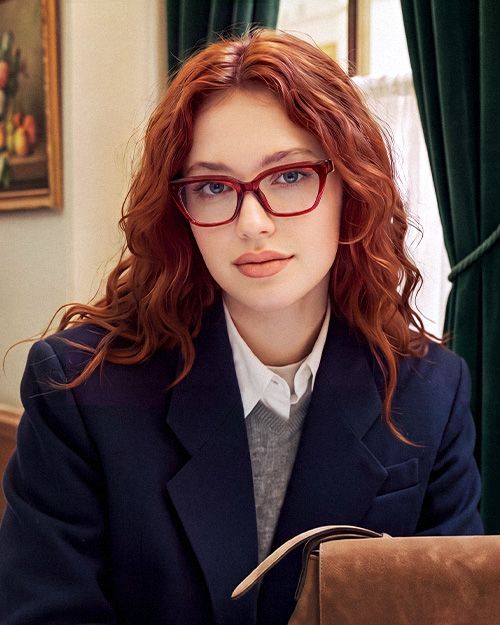
| Everyday | Reliable frequent wear | Comfortable fit and versatile color | Highest when worn most often |
| Work or task-specific | Support a defined visual task | Stable frame compatible with the prescribed lens | Based on task and lens requirements |
| Statement or weekend | Create a distinct style option | Bold color, pattern, scale or geometry | Based on realistic wearing frequency |
How to Keep Your Pairs From Looking Too Similar
Keep the Color and Change the Shape
If black or tortoise works throughout your wardrobe, keep that familiar color and move from a rectangle to a cat-eye, round or geometric silhouette.
Keep the Shape and Change the Color
A shape you already trust can feel new in clear acetate, green, blue, pink or a pattern. This is a lower-risk way to add variety when fit matters more than experimentation.
Change Material or Visual Weight
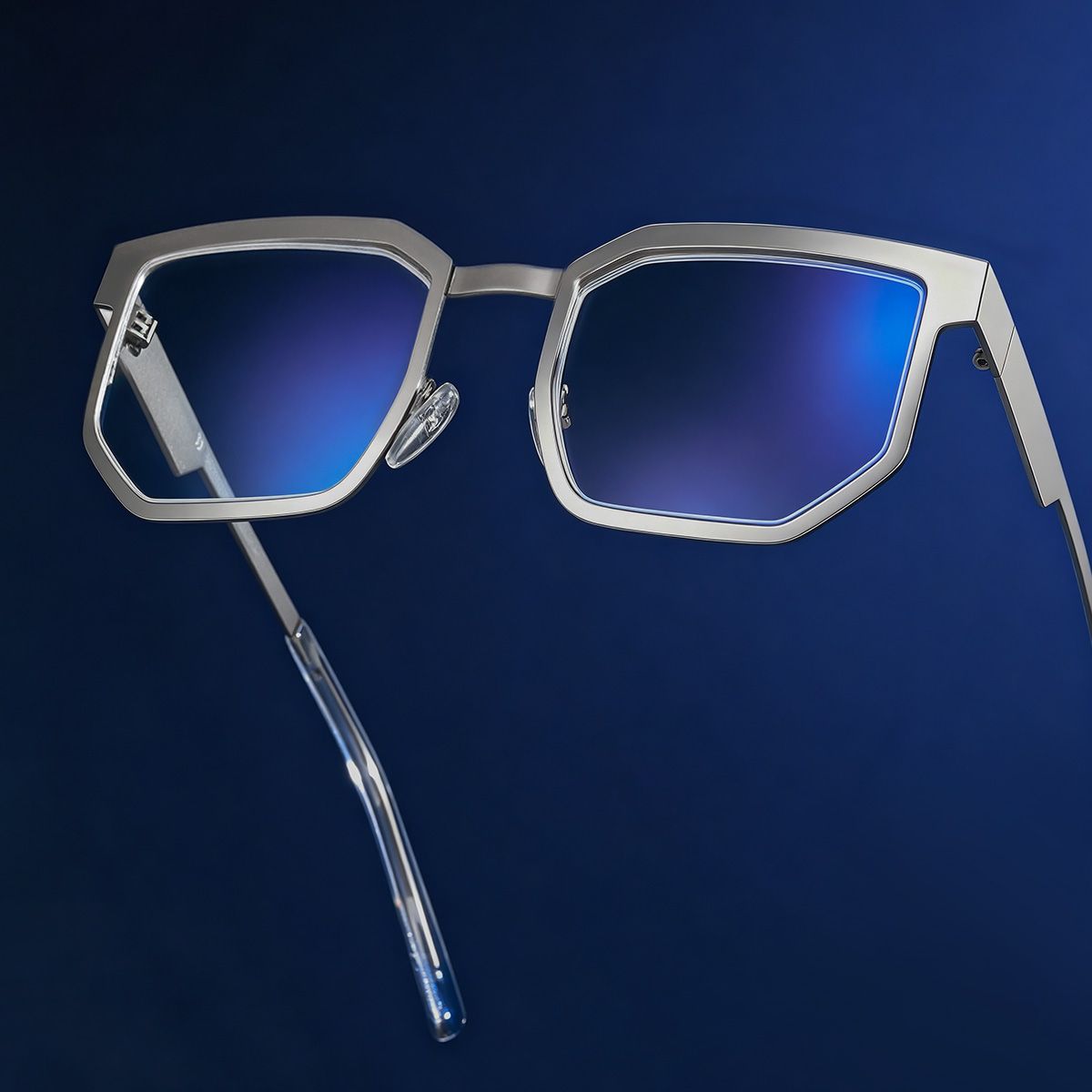
Pair a slim metal everyday frame with a thicker acetate option, or reverse the combination. The contrast reads clearly even when both pairs use neutral colors.
Change Scale for the Occasion
A moderate frame may serve daily wear while a larger or more sculptural frame becomes the expressive option. Keep physical fit and lens compatibility ahead of visual scale.
For more pairing ideas, see Everyday vs Statement Glasses.
Put the Lens Budget Where It Has the Most Impact
Fund the required prescription and lens design first. The pair worn for the longest hours or most demanding tasks may deserve a larger share of the budget. A second pair can use a different compatible material, coating or tint when its role differs, but prescribed powers should not be changed for styling or price.
The same valid prescription can often be used in multiple frames when the viewing purpose remains the same. Read Can You Use the Same Prescription for Multiple Glasses before deciding which details can vary.
A Budget Sequence You Can Adapt
- Start with the everyday or task-specific pair that closes the largest functional gap.
- Add a second pair only when it creates a useful difference in purpose, fit or appearance.
- Use the third role for style expression, outdoor use or backup according to your actual routine.
- Review the wardrobe after several weeks before adding another similar frame.
Build the Wardrobe With ZEELOOL
Use ZEELOOL bestsellers to find a familiar baseline, Daily Essentials for frequent-wear options, Professional Life for work-oriented styling, and multicolor glasses when color is the planned difference. Check fit and lens choices for each pair rather than treating the collection name as a guarantee.
Add Roles Not Clutter
A useful eyewear wardrobe can contain two pairs or several. Its quality comes from clear roles. If you cannot name when and why you would wear a candidate, keep it on the wish list and direct the budget toward a pair that solves a real need.
FAQs
How many pairs make an eyewear wardrobe?
There is no fixed number. Two well-chosen pairs can cover everyday and expressive needs, while another person may need separate work, sun or backup glasses. Add a pair only when it has a clear role.
Can all pairs use the same prescription?
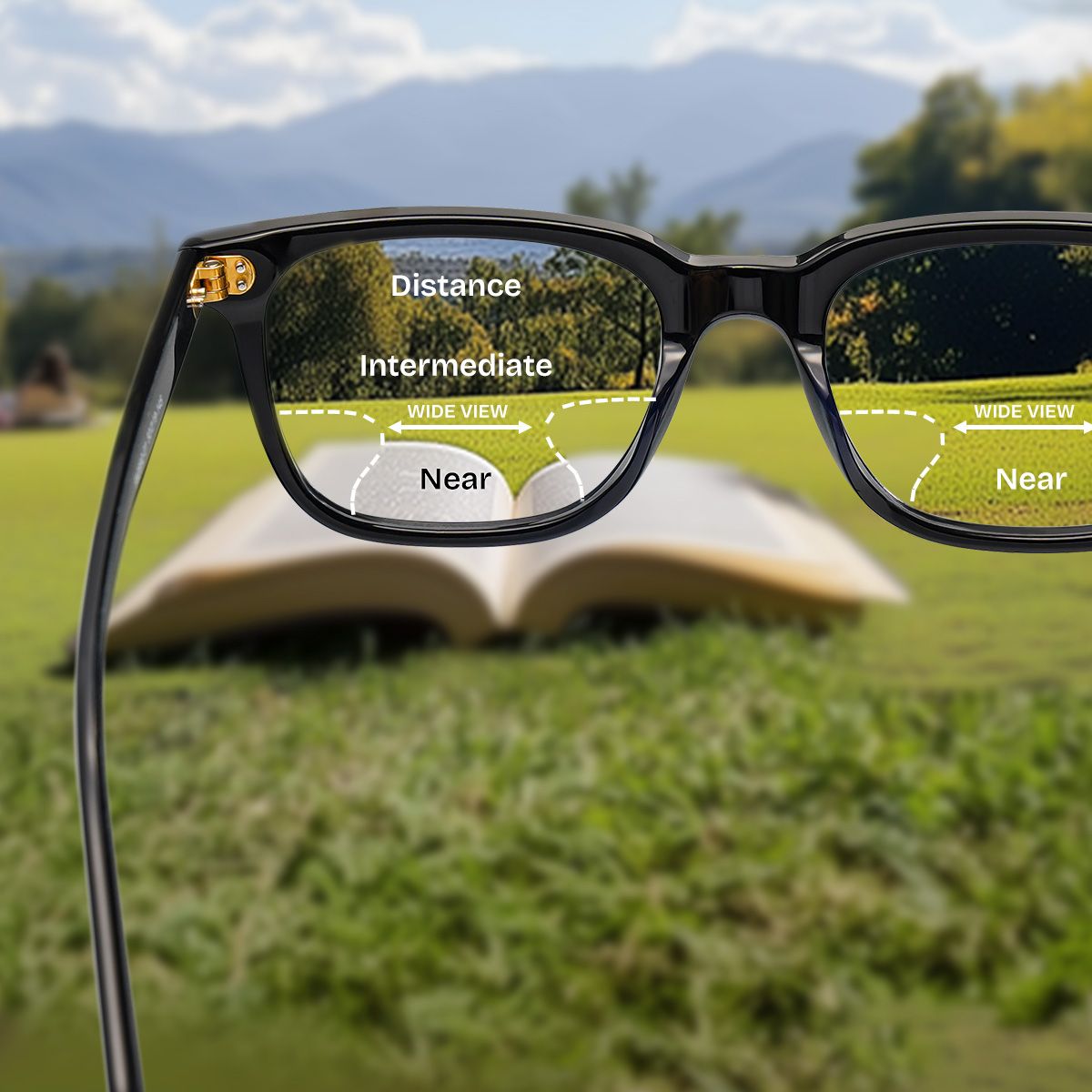
Often, if the prescription is current and the pairs serve the same visual purpose. Task-specific, reading, progressive or prescription-sun glasses may require different lens configurations or additional fitting information.
Which pair should get most of my budget?
Usually the pair with the highest wear time or most demanding lens requirements. If two pairs are equally important, divide the budget according to prescription, fit and comfort rather than labeling one as secondary.