








Key Factors & Conclusion
Myth Debunked: Wearing glasses does not make your eyesight worse; they simply correct how your eyes bend light to improve vision.
Perception vs. Reality: The feeling that your vision worsens without glasses is because your brain has adjusted to the clarity of the lenses.
Actual Causes of Change: Vision changes naturally due to age, genetics, and lifestyle factors, not because of wearing the correct prescription glasses.
Have you ever wondered, "Are my glasses making my eyes worse?" Don't worry, you're not alone; many people share the same concern. The reason is simple: once you start wearing glasses, your vision seems to worsen when you take them off. This can lead you to think that the culprit for your poor eyesight is your glasses.
But hold on. That's not how eyes work. Glasses can't harm them. They don't affect your eye muscles or change the shape of your eyeball. They help you see things again. In this article, we'll debunk the myth, look at what science tells us, and give you tips to keep your vision healthy.
Why Do People Think Glasses Harm Eyesight?
It's a common myth. It usually starts in a similar vein: you receive glasses, you wear them, and someday you take them off. Everything looks a bit more blurry than you remember. It feels like proof.
In reality, your brain just adjusts to the clearer view. Once you've seen the world in focus, going back to blur is more obvious.

Then there's natural vision change. Children and teenagers often experience changes in their eyesight as they grow. Most adults start to notice presbyopia around age 40, when close-up work becomes more challenging. If you are wearing glasses during these years, it's easy to point a finger at them instead of the actual cause.
And yes, incorrect prescriptions or poor frame fits can cause your eyes to feel tired. Headaches, dizziness, and sore spots on the nose can happen. However, that's a flawed argument, not proof that glasses harm your eyes.
The Science Behind Glasses and Vision
Your eyes need to focus light precisely on the retina to get a clear image. When light lands in front of it, you get myopia (distant things are blurry). When it lands behind, that's hyperopia (near things are blurry). Astigmatism? That's when the cornea bends light unevenly.
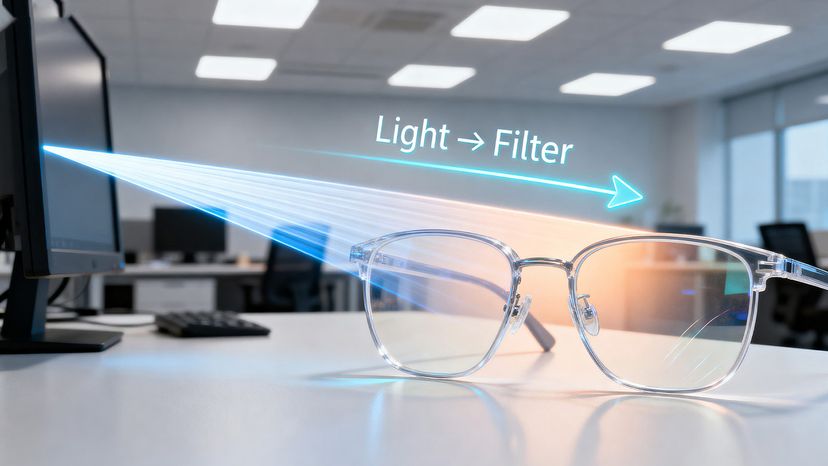
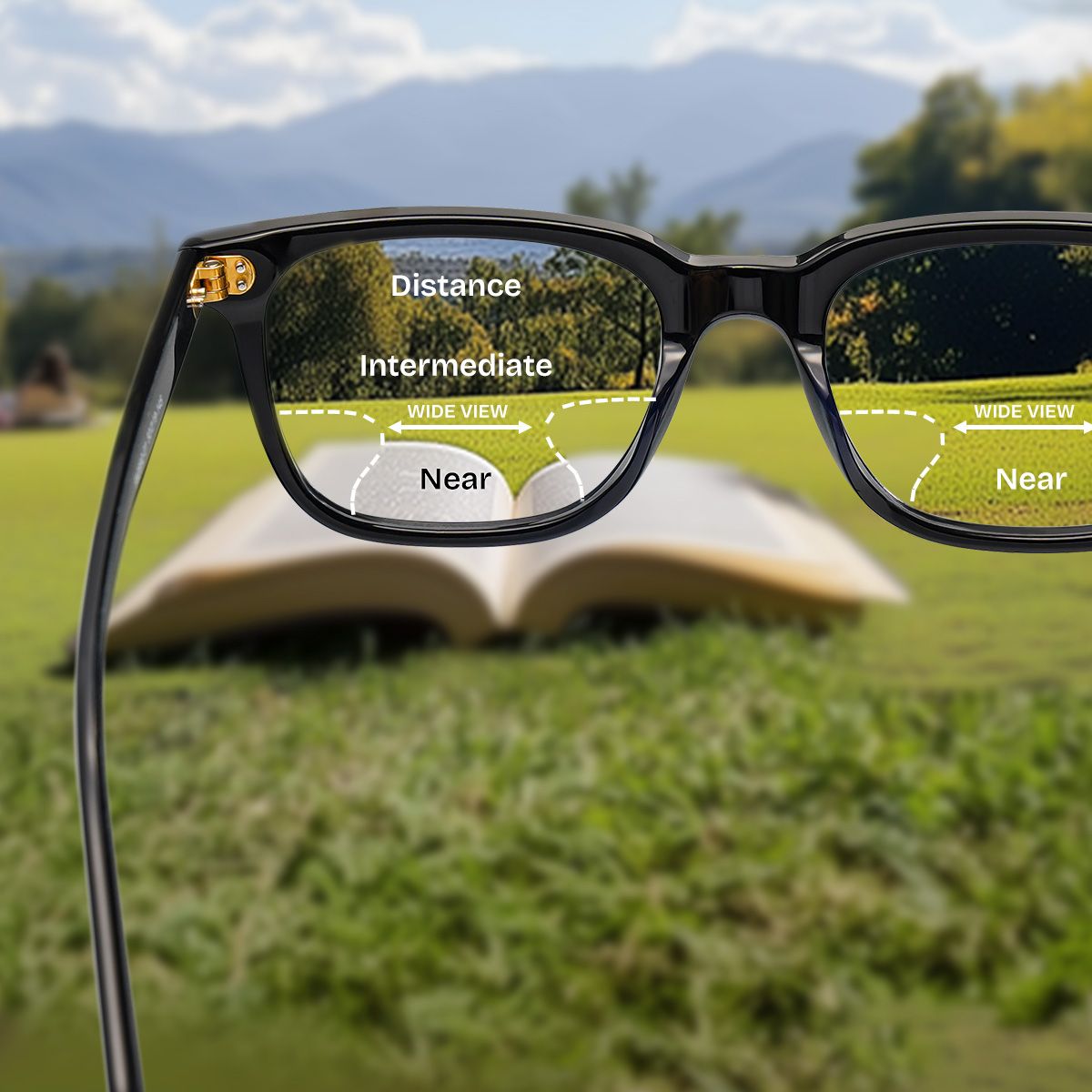
Glasses fix this by bending light just enough so it lands where it should. That's all. Glasses don't weaken your eyes or train them to be "lazy."
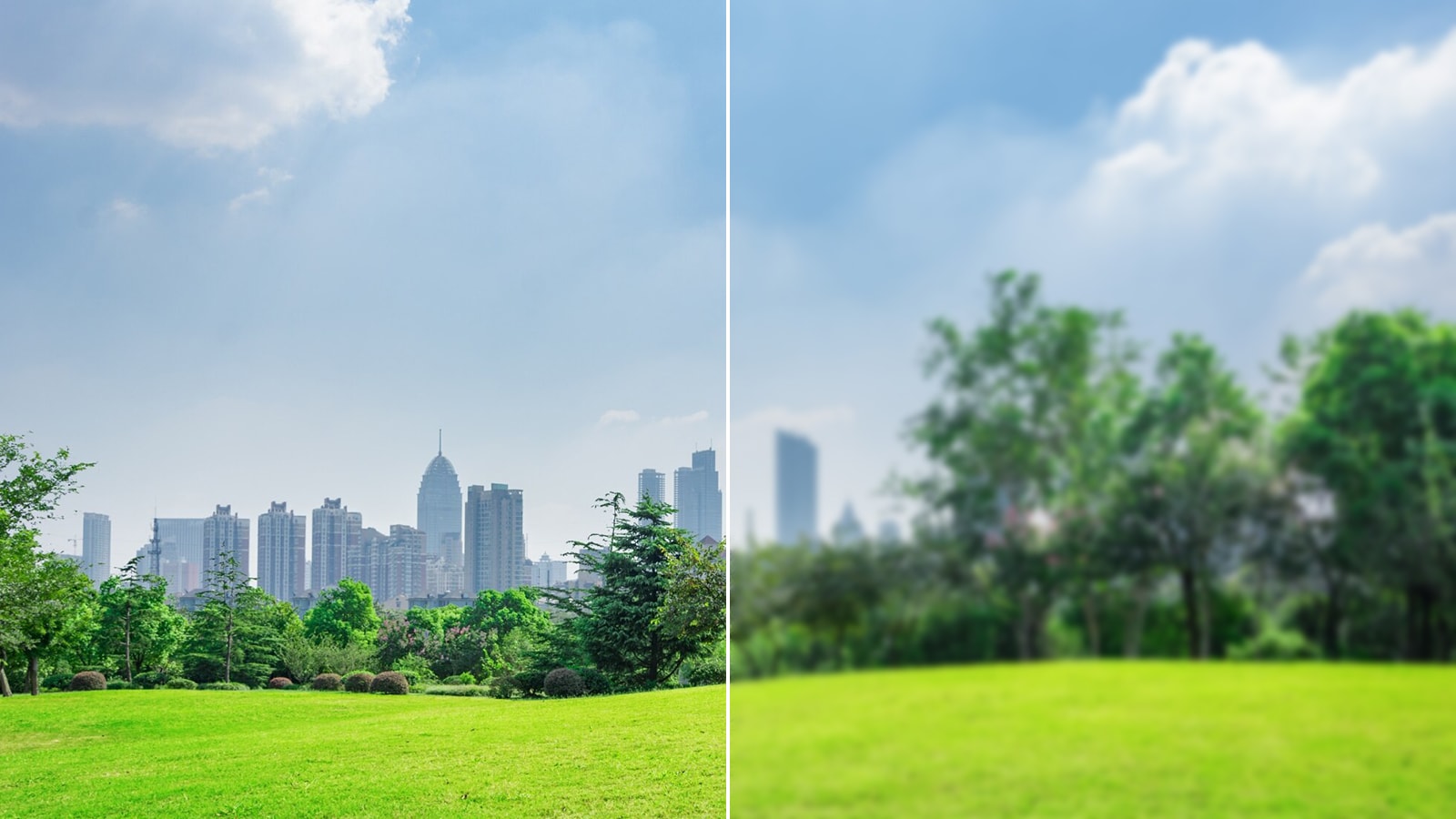
Some people refer to it as "dependency," but that term is not entirely accurate. The eyes aren't getting worse; your brain is just used to the upgraded view. Remove the upgrade, and the original feels much worse.
Studies back this up. Research in the American Journal of Ophthalmology(a) found no proof that glasses harm vision. The only trouble comes from wearing the wrong prescription, which can give you headaches or strain. That's temporary and goes away with the right lenses.
What Causes Vision Changes?
If glasses aren't the culprit, what is? A mix of age, genes, lifestyle, and health.
- Age- Around 40, the eye's lens loses flexibility. Reading up close becomes harder.
- Family history—If you are myopic, it is likely that your parents will also be seen wearing spectacles.
- Daily behaviors, such as excessive screen time, inability to go outdoors, and unhealthy junk food habits, can cause your eyes to droop.
- Chronic illnesses such as diabetes or high blood pressure are another set of things that can damage your eyes in the long run.
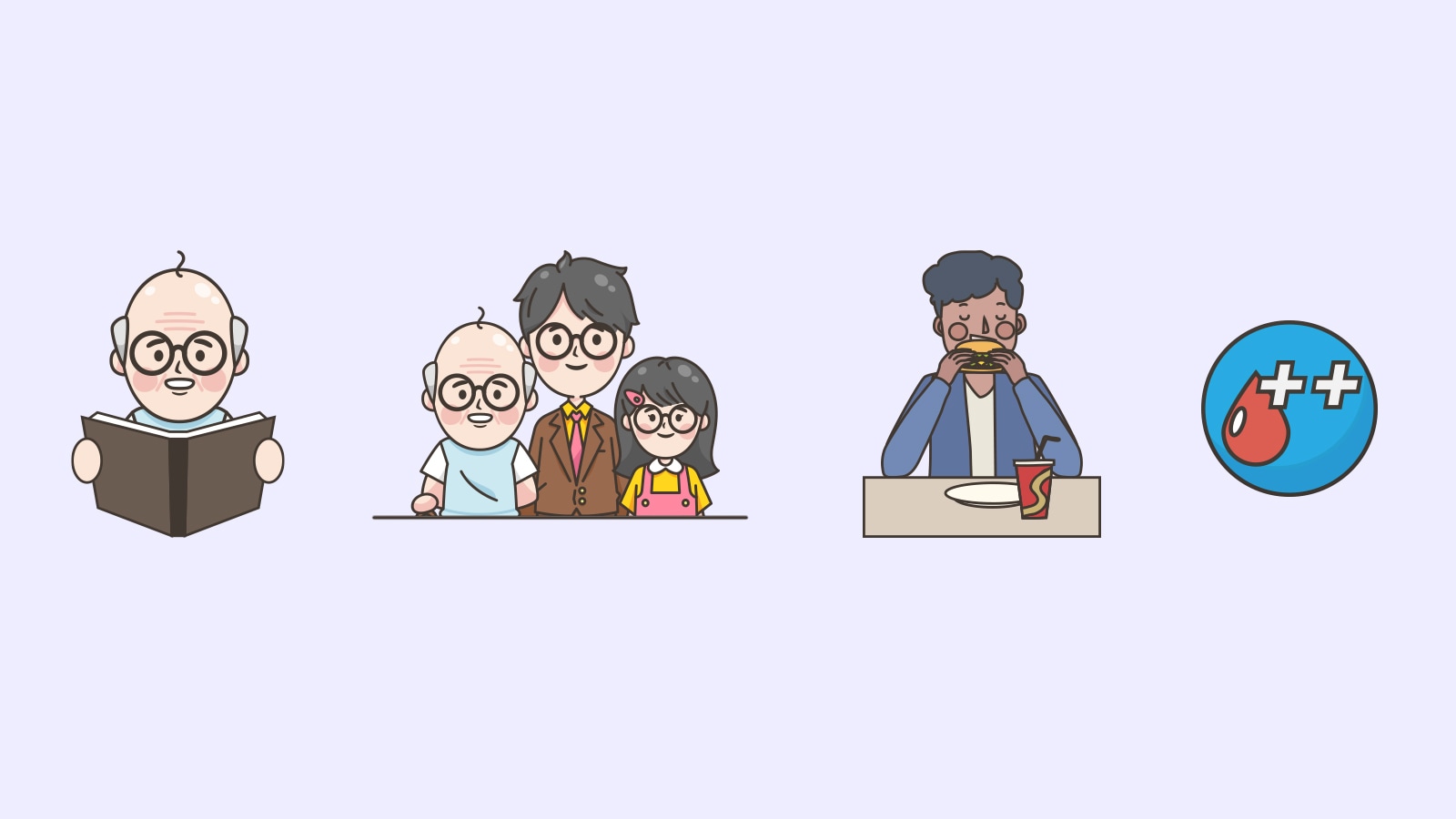
These issues happen with or without glasses.
Why Wearing the Wrong Glasses Causes Problems
It doesn't mean a bad prescription would permanently damage your eyes; however, it can be a nuisance in everyday life. The eyes and brain must exert effort to adjust, which can result in headaches or blurry vision.
Do glasses make eyesight worse over time? Poorly fitted frames would press on your skin, slide down your nose, or feel uneven. That's annoying and distracting and avoidable with a good fit.
Regular eye checks can detect both early. You go home with the lenses and frame that fit, along with the much-needed features.
Tips for Maintaining Healthy Vision While Wearing Glasses
- Get your eyes checked—drop by the eye doctor at least once a year. Every two years, if your vision doesn't change much. It's the only way to ensure your prescription remains up to date.
- Give your eyes a break – they work hard when you’re glued to screens all day. Follow the 20-20-20 rule: every 20 minutes, locate an object 20 feet away and focus on it for 20 seconds. Feels pretty silly, but it works!
- Feed your eyes well—carrots, spinach, salmon… your eyes love them. They're rich in vitamins that help keep your eyesight sharp.
- Protect them from the sun – UV rays sneak up on you. Over time, they can give rise to cataracts and other nasty problems. Sunglasses are not for style; they serve to protect your eyes.
- The frames should fit well, be well-lit, and be durable enough to withstand adjustments. If they pinch or slide, you won't want to wear them.
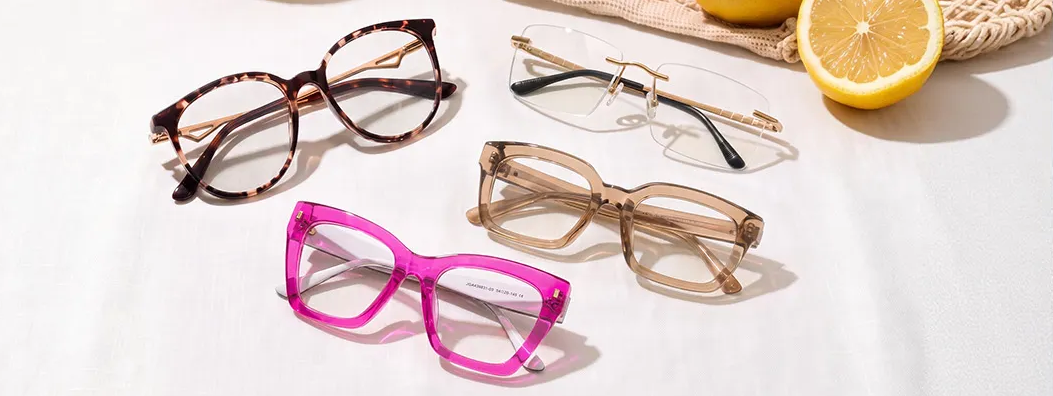
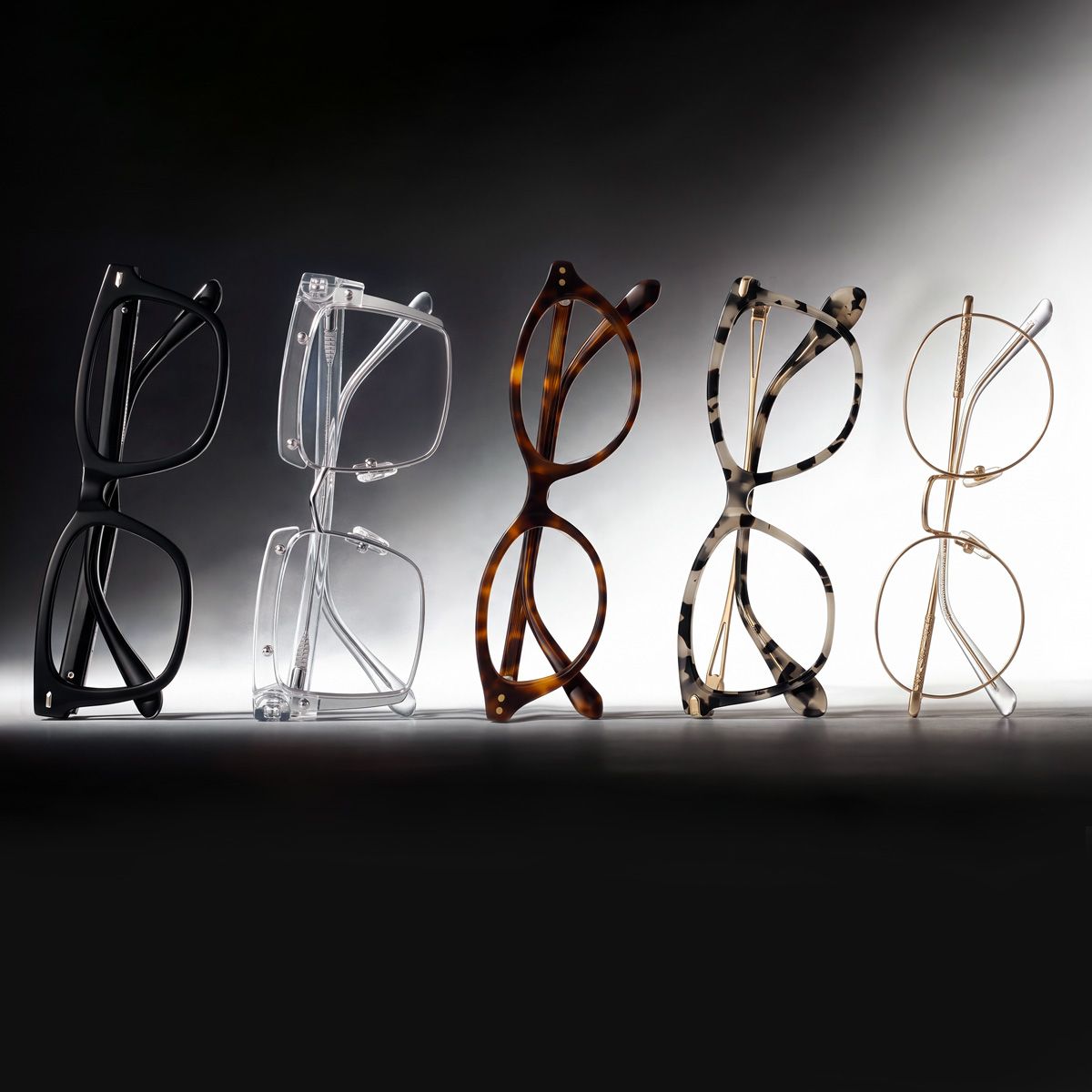
Good eyewear supports good vision. Brands like ZEELOOL offer a wide range of styles that strike a balance between comfort and accuracy.
Conclusion
Good shoes should be viewed in this light: they don’t weaken your feet; they just make walking easier.
The same goes for glasses; they don't make your eyes worse. They make life clearer. Changes of vision are caused by time, visual health, or habits, not lenses.
Wear the glasses with confidence, get your check-ups, and eat well. Reduce sun exposure and choose frames that feel right for you.
Want a pair that suits your style, comfort, and taste? Take a look at high-quality glasses from ZEELOOL and enjoy a world that's sharp again.
Reference:
(a) the American Journal of Ophthalmology: https://pmc.ncbi.nlm.nih.gov/articles/PMC3003763/