









You spend your entire day staring at a screen. You might be on Zoom. Perhaps you're engrossed in a game. Perhaps both. Then you find yourself getting dry eyes, headaches, or even blurry vision. "Is it my eyes?" you ask.
You're not alone. More people than ever are glued to screens. Work from home. Gaming late at night. Online education. Your eyes' fatigue is not surprising. We refer to this as digital eye strain. It's also true.
"Blue light blocking glasses" and "computer glasses" are the two terms you have now heard about. But hold on, aren't they identical? Not at all. They might have similar appearances. They might have similar sounds. However, they fulfill distinct purposes.
This blog clears the air. We'll explain the difference between these two types of glasses and help you choose the right one. Your eyes deserve it. Let's keep it simple and valuable.
What Are Computer Glasses?
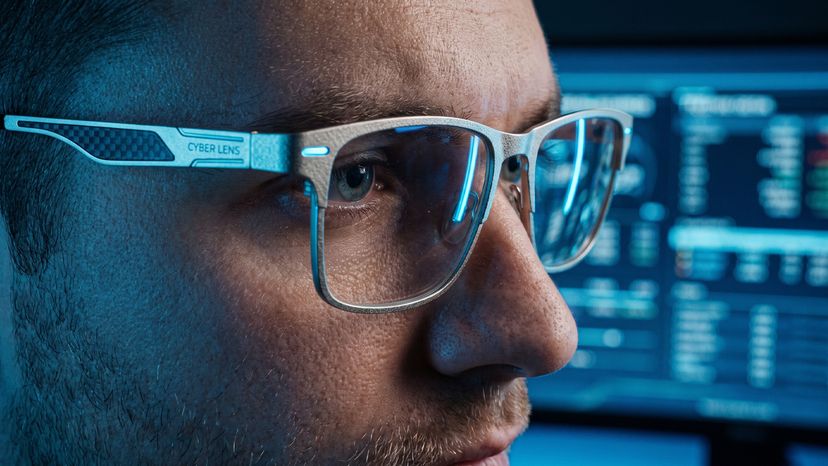
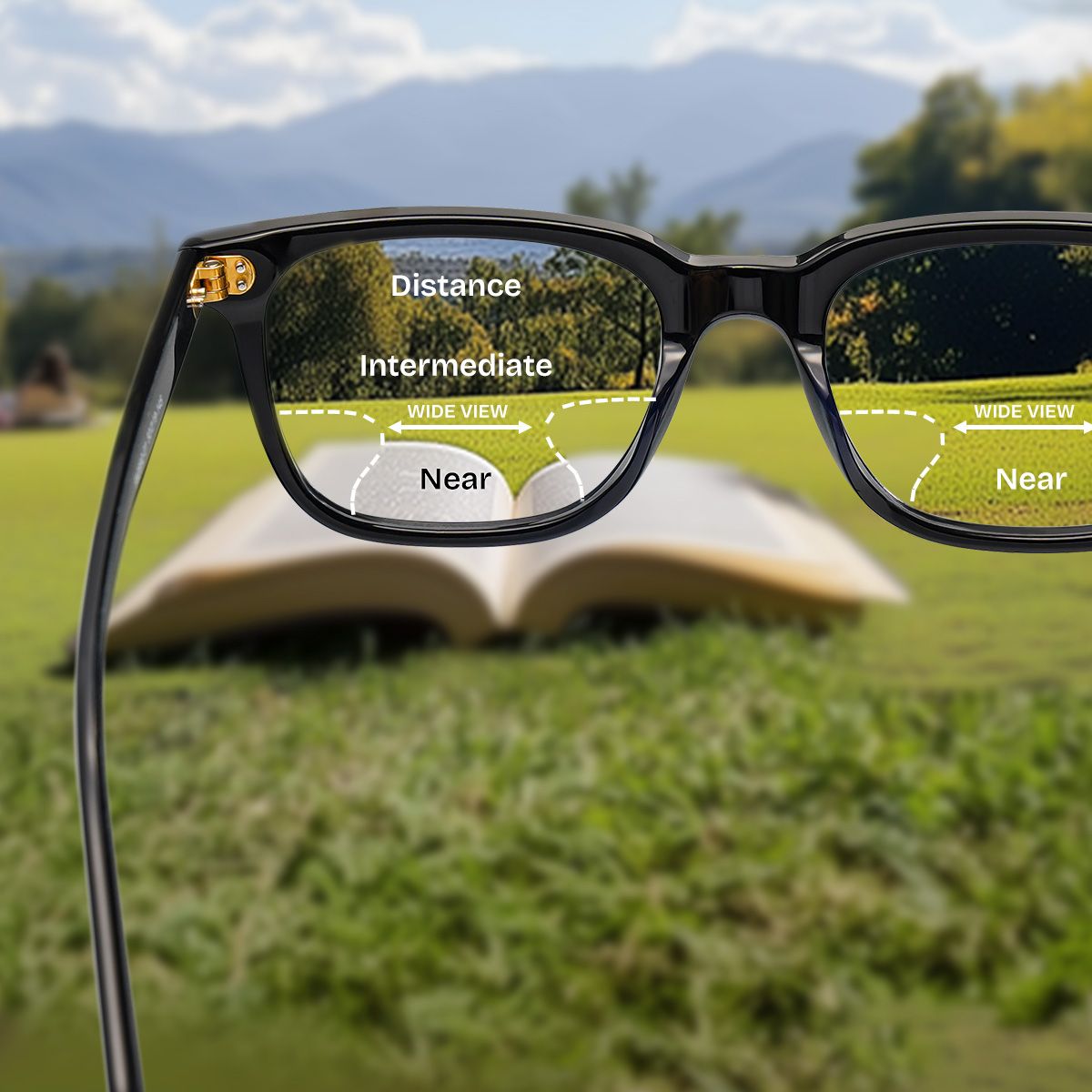
Computer glasses are made for screen time. Not your phone. Not your TV. Your computer. The kind of screen you sit 20 to 30 inches away from. These glasses are made for that distance.
They do a few key things. First, they block out some blue light. Usually 20 to 40 percent. Just enough to reduce strain without messing up colors.
They also have an anti-glare coating. That means less shine and reflection from your screen. Your eyes don't have to fight as hard to focus.

Some computer glasses come with a bit of magnification. This helps you see small text better. You don't squint. You don't lean in.
If you wear glasses, don't worry. Computer glasses can include your prescription. You get the benefits without giving up a clear vision.
These glasses are perfect if you sit at a desk all day. Think writers. Programmers. Office workers. Students. They help keep your eyes relaxed and focused.
What Are Blue Light-Blocking Glasses?
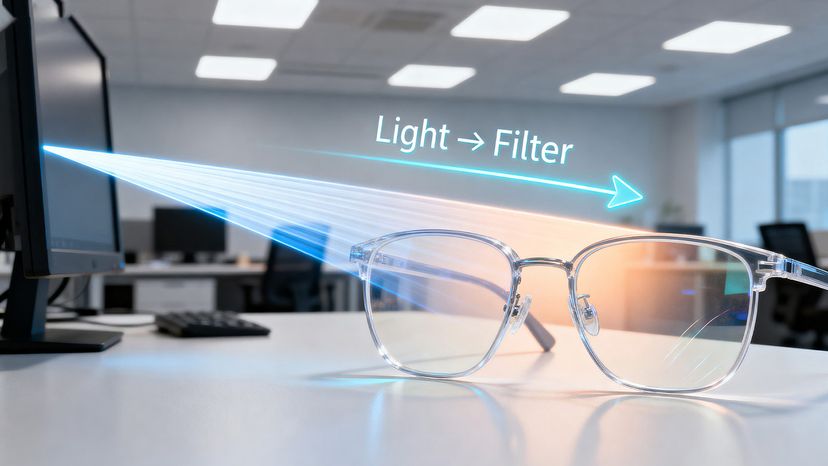
Blue light-blocking glasses do one main thing. They block blue light. Simple. Blue light comes from screens. But also from LED bulbs. Even the sun gives off blue light.
These glasses filter the blue light wavelengths, usually between 400 and 455 nm. That's the part that messes with your sleep and may strain your eyes.
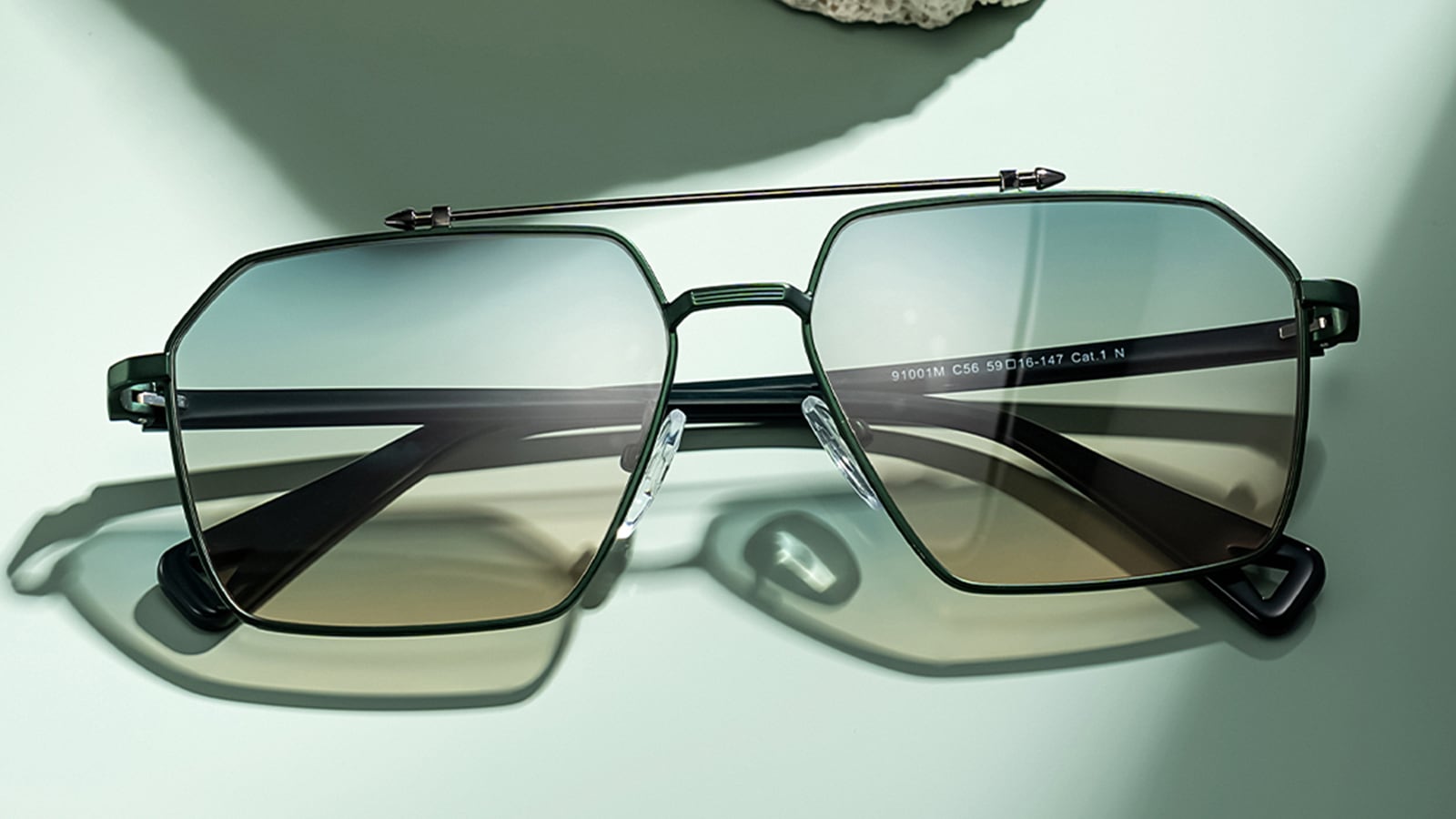
There are different types of blue light lenses.
Some are clear. These blocks about 20 to 40 percent of blue light. Good for daytime.
Others are yellow or amber. These block more blue light. Up to 100 percent in some cases. They're great for nighttime.
Some lenses are orange or red. These block almost all blue light. They're strong but not for everyone.
What do they do? They may help you sleep better. Your brain keeps more melatonin. That's your sleep hormone. They may also help with eye strain, especially in the evening.
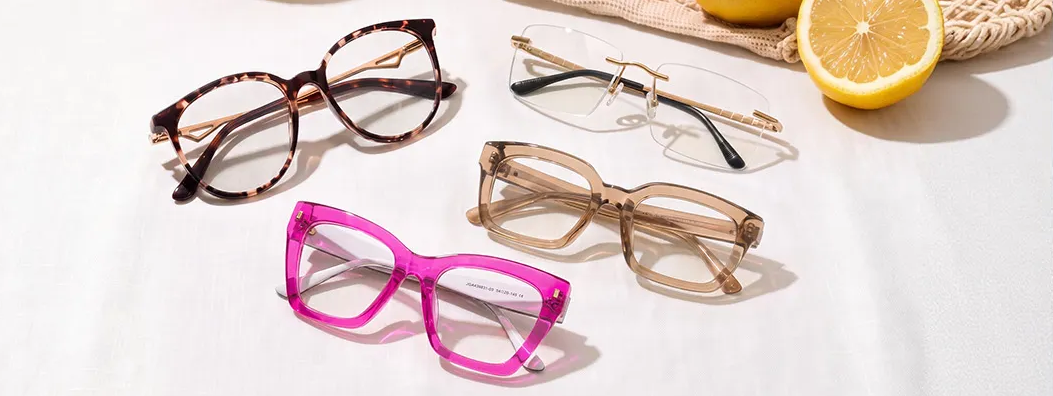
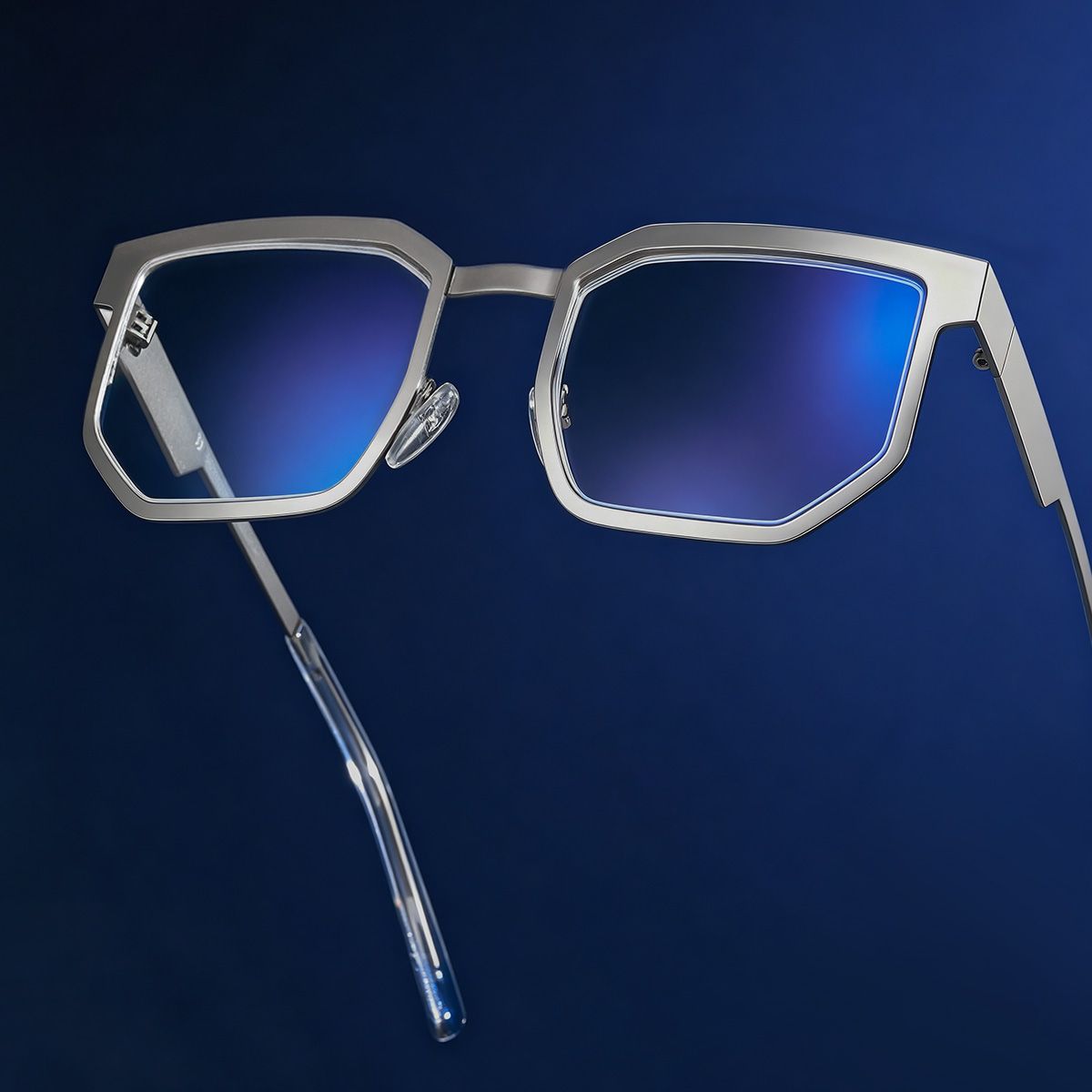
And guess what? Blue-light glasses can look cool. Brands like ZEELOOL offer styles that look like regular glasses. You get fashion and function in one.
Computer Glasses vs. Blue Light Blocking Glasses: Key Differences
Some people mix computer glasses with blue light glasses. But they are not the same.
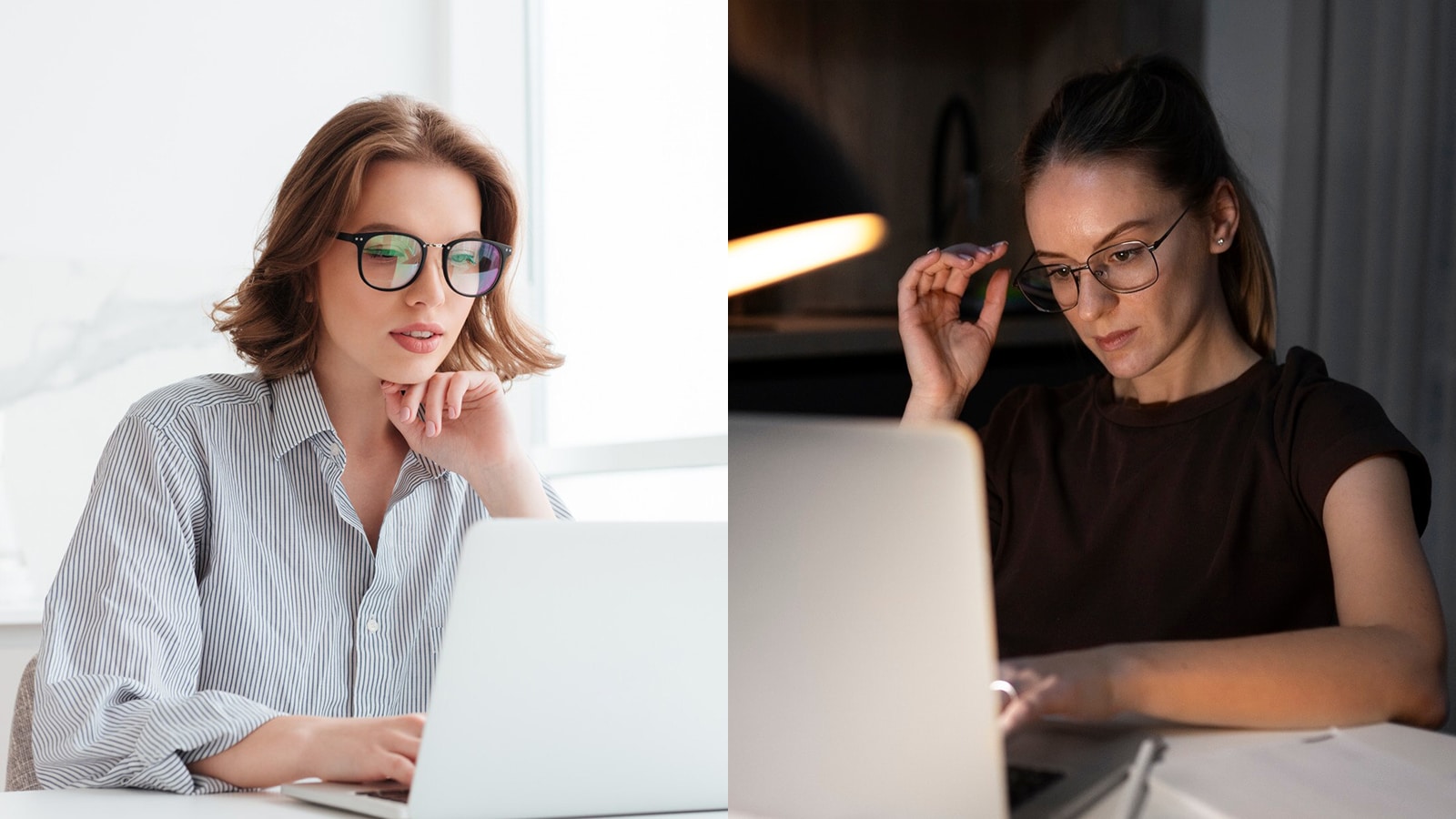
Here‘s what each one does.
Purpose:
Computer glasses are made for work. They help your eyes focus at computer distance. They block some blue light. They also cut glare. Some even zoom in a little. These are full-on tools for screen work.
Blue light glasses only block blue light. They do that well, but that's all they do. No anti-glare. No magnification. They are simpler.
Lens Technology:
Now let's talk lenses.
Computer glasses usually come with clear lenses. They have special coatings. They may even have a small power to make reading easier.
Blue-light glasses are available in various colors. Some are clear. Some are amber. Some are deep orange or red. The tint depends on how much light they block.
Use Cases:
When should you wear each?
Wear computer glasses during the day, especially if you spend hours on your computer. They reduce fatigue for the eyes.
At night, use blue light gaming glasses. They are great for those who use their screens till midnight, for binge-watchers, and for night owls. If you have to spend time looking at a screen before your bedtime hours, then these glasses will help to improve the quality of your sleep.
| ZEELOOL | Computer Glasses vs. Blue Light Glasses | |
| Computer Glasses | Blue Light Glasses | |
| Blue Light Filtering | 20–40% (daytime) | 20–100% (varies by tint) |
| Anti-Glare Coating | Common | Less common |
| Magnification | Optional | Rare |
| Best For | Office, studying | Gaming, evening use |
Do These Glasses Really Work?
Some people swear by them, while others are still skeptical. Science is still looking into it.
But many users say their eyes feel better. Some report less strain. Fewer headaches. Better sleep.
Studies show blue-light glasses may help with sleep and eye comfort. But don't expect miracles.
Want to try something extra? Try the 20-20-20 rule. Every 20 minutes, look at something 20 feet away for 20 seconds. It gives your eyes a break.
Also, adjust your lighting. Sit in a good chair. Keep your screen at eye level. These small changes help a lot.
How to Choose the Right Glasses for You
How much screen time are you getting? If it's more than 4 hours a day, you might need computer glasses. They come with extra support like glare filters.
Do you game or scroll through your phone in bed? Blue-light glasses are great for that, especially at night. Pick amber or orange lenses to block more blue light.
Need a prescription? Make sure the glasses support it.
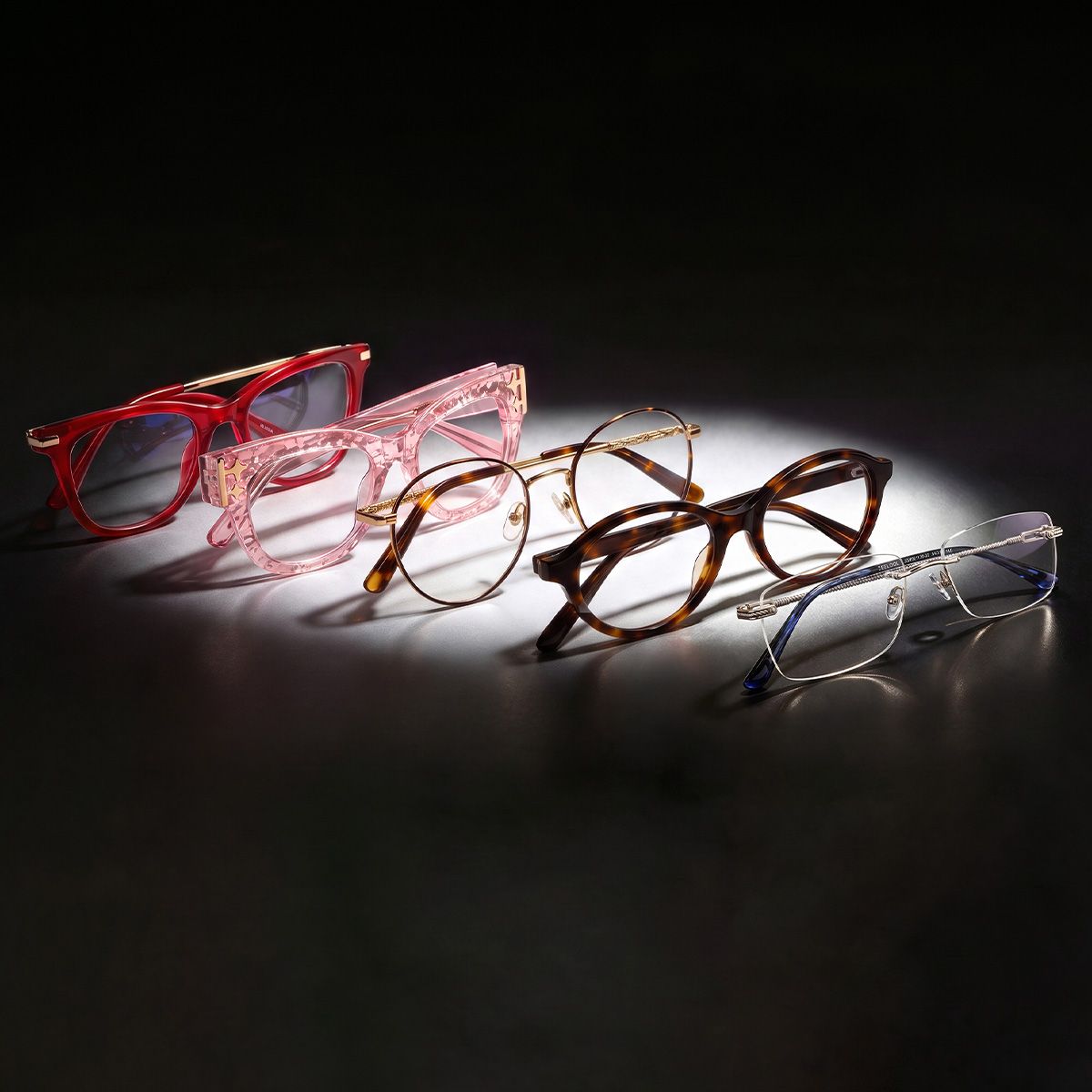
Want to look good? You can still get stylish frames. ZEELOOL offers a variety of fun, modern blue light glasses styles. And they won't break the bank. Some start at $25.

Tips to Reduce Digital Eye Strain Beyond Glasses
Glasses help, but they aren't magic. Try these tips:
- Use the 20-20-20 rule. It's free and easy.
- Lower your screen brightness. Increase contrast. Your eyes will thank you.
- Use eye drops if your eyes feel dry.
- Adjust your lighting. Don't sit in the dark. Keep a lamp nearby.
- Place your screen about 25 inches away. Slightly below eye level is best.
- Good habits and good glasses make a great combo.
Conclusion
So here's the short version. Computer glasses help you work. They block some blue light. They reduce glare. They may magnify.
Blue-light blocking glasses block more blue light. They come in fun colors. They are great for night use. Choose what works best for your lifestyle.
- Long workdays? Computer glasses.
- Late-night gaming? Blue light-blocking glasses.
One last tip: glasses help, but habits matter too. Take breaks. Blink more. Keep screens at the proper distance. Do this, and your eyes will feel much better.