









Introduction
Eyeglasses are vital tools for many people. It serves as both a vision aid and a fashion accessory, but it requires proper care and maintenance for its longevity and effectiveness. Whether you wear them daily or occasionally, knowing how to clean, store, and adjust your glasses keeps them in great condition. In this comprehensive guide, let's explore some tips and techniques for cleaning eyeglasses, adjusting eyeglass frames, and overall maintenance in order to ensure your eyewear lasts longer and performs at its best.

Daily Cleaning and Maintenance
Daily cleaning helps remove dirt, oil, and smudges, keeping your eyeglasses in good shape. The below guide is for daily cleaning and maintenance:
• Rinse your glasses with lulukewarmater to remove any dust or debris.
• Apply a small amount of mild dish soap to the lenses and gently rub with your fingers.
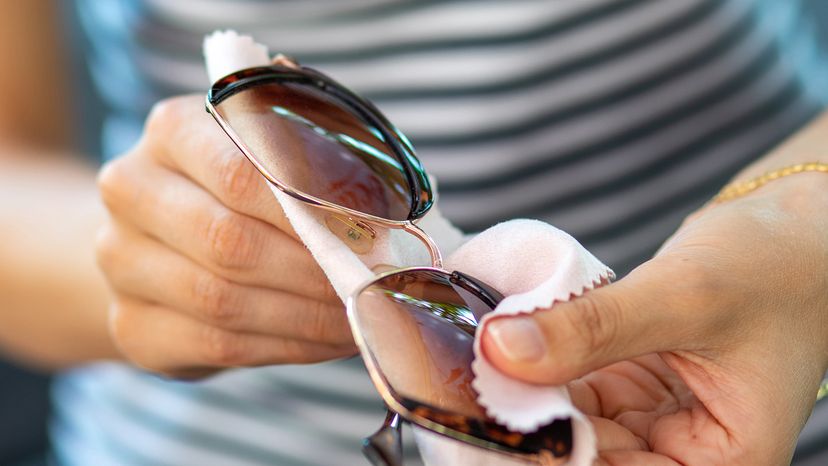
• Rinse thoroughly and dry with a microfiber cloth to avoid residue.
• Avoid using tissues or paper towels or clothing, as they can scratch the lenses.
• Check for any remaining smudges and use a lens cleaner spray and microfiber cloth for quick touch-ups.
Storage Tips to Protect Your Eyeglasses
Correct storage is the key to protect your eyeglasses from scratches and frame damage. Check out the below tips:
• Store your glasses in a hard case when not in use to prevent scratches and damage.
• Avoid keeping your glasses in hot places like the dashboard of a car, as heat can warp the frames.
• Keep glasses away from direct sunlight, heat, and moisture.
• Don't place your glasses lens down on surfaces. Always put them with the lenses facing upward to avoid scratches.
• Use a microfiber pouch if carrying them in a bag to prevent dust.

How to Handle Eyeglasses Safely?
Handling your eyeglasses with care reduces the risk of accidental damage.
• Always use both hands to wear and remove your glasses to maintain balance of frame and prevent bending the frames.
• Avoid placing them on your head because it can stretch and misalign the frames.
• Regularly check the screws on your frames and tighten if needed.

Maintaining the Frame and Nose Pads
The frame and nose pads collect dirt and sweat, which require regular maintenance to ensure a comfortable fit:
• If your frames feel loose or bent, adjust them gently. Bend metal frames carefully and warm plastic ones slightly before reshaping.
• Wipe frames with a damp cloth and mild soap to remove grime.
• Check for loose screws and tighten with a small eyeglass screwdriver.
• Use a soft brush to gently clean the nose pads. Replace them if they become worn out.
Dealing with Smudges and Streaks
Smudges are annoying and can blur your vision. Check below for tips to deal with them:
• Invest in a good lens cleaner for eyeglasses. Spray it on and wipe with a microfiber cloth.
• Use an alcohol-free lens cleaner to remove grease and fingerprints.
• Never use any random clothing for cleaning your lenses, as it can scratch them.
• Gently wipe in a circular motion with a microfiber cloth for the best results.
• Clean your lenses regularly to avoid the buildup of smudges and streaks.

Lens Coatings and Their Care
Many eyeglasses come with coatings like anti-reflective or scratch-resistant coatings, etc. Lens coatings enhance durability and reduce glare, but they require special care.
• Use cleaners that are safe for coated lenses.
• Anti-reflective and blue-light coatings should be cleaned with proper cleaning solutions.
• Use ammonia-free products.
• Don't use paper towels, tissues, or other abrasive materials on coated lenses.
• If you notice damage to the coatings, consult your optician or replace the lenses.

Regular Check-ups and Adjustments
Checkups with your optician are essential to maintain your eyeglasses. This ensures optimal fit and comfort. Consider the following tips:
• Visit your optician annually for a comprehensive eye exam to ensure your prescription is up to date.
• Have your frames professionally adjusted to ensure a perfect fit and to address any issues with the frame or lenses.
• If your glasses slip down frequently, have the nose pads adjusted.
• Ensure temples and hinges remain secure in order to prevent misalignment.

What to Do if Your Eyeglasses Are Damaged?
Accidents happen, but knowing how to handle them can save your eyeglasses.
• For minor issues like loose screws, you can perform basic repairs at home using an eyeglass repair kit.
• If a screw falls out, use an eyeglass repair kit and fix it.
• Bent frames can be realigned at an optical store.
• Scratched lenses may require professional polishing or replacement.
• If major damage occurs, such as broken frames or cracked lenses, then consult your optician for professional repair or replacement.
Conclusion
Timely care for glasses is vital so they remain functional and last longer. By following the above tips, you can extend the lifespan of your eyeglasses and keep them in excellent condition. By cleaning eyeglasses regularly, storing them correctly, handling them with care, and adjusting frames when necessary, you can maintain their quality and comfort. Regular maintenance of the frame and nose pads and professional checkups keep your eyeglasses in good condition for years to come. Taking good care of your glasses protects your vision and adds a touch of elegance to your look.
FAQ
What is the best way to clean eyeglasses at home?
Rinse your glasses under lukewarm water first to loosen any dust or debris—skipping this step and going straight to wiping is one of the most common ways scratches happen. Then apply a small drop of mild dish soap to the lenses, rub gently with your fingertips, rinse thoroughly, and dry with a clean microfiber cloth. Avoid paper towels, tissues, or clothing, as all of these are coarse enough to leave fine scratches over time, especially on coated lenses.
How to get scratches out of glasses?
For minor surface scratches, a baking soda/water paste or non-gel toothpaste can sometimes be used, applied with a soft cloth in small circular motions. The results will depend on the depth of the scratch and the coating of the lens. Commercial scratch removal kits can be used for light scratches as well. Deeper scratches or damage to anti-reflective or other specialty coatings typically cannot be fully repaired at home, and lens replacement is often the more practical choice in those situations.
How should you store glasses to prevent damage?
A hard-shell case is the most reliable protection when your glasses aren't on your face—soft pouches won't protect against pressure from other items in a bag. Always place glasses with the lenses facing upward rather than face-down on surfaces, and keep them away from heat sources like car dashboards and direct sunlight, which can warp frames and degrade lens coatings over time. At home, a dedicated glasses stand keeps them accessible without the risk of them getting knocked off a surface.
How do you care for coated lenses, such as anti-reflective?
Coated lenses require a little more care than regular lenses because harsh chemicals or abrasive materials can damage the coating. Always use ammonia-free cleaning solutions that are specially made for coated lenses and wipe only with microfiber cloths.Paper towels and tissues feel soft but are actually abrasive enough to gradually break down coating surfaces. If you notice the coating starting to peel or develop a haze that won't clean off, it's worth consulting your optician about replacement.
How do you fix glasses that keep slipping down your nose?
The most common cause is nose pads that have become too wide or frame arms that have gradually bent outward. Nose pad adjustment is something most opticians will do for free in a few minutes, and it makes a significant difference in fit.At home, you can try gently pressing metal nose pads closer together with your fingers, but if the frame arms are the issue, having an optician warm and reshape the plastic or bend the metal is safer than forcing it yourself.
How often should glasses be professionally checked and adjusted?
Visiting your optician once a year for an eye exam is the standard recommendation, and it's a good time to have the fit assessed at the same time. In between, it's worth having the frames checked if they start to feel loose, if they're sitting unevenly on your face, or if one side feels different from the other. Screws loosen gradually with daily use, and catching that early prevents bigger alignment issues down the line. Most optical stores will do basic adjustments and tighten screws at no charge.