










Key Factors & Conclusion
Avoid leaving polarized sunglasses in hot cars to prevent delamination.
Never clean lenses with shirts; use water, soap, and a microfiber cloth.
Store in a hard case away from heat and sharp objects.
Summer is rough on sunglasses. They get worn more, carried around more, and forgotten more. Left in places they probably should not be.
This is also when polarized sunglasses became popular. Driving feels easier. Water glare fades. Bright afternoons feel less harsh. Many people switch to polarized lenses once and do not look back.
What most people don't realize is how polarized lenses are made. From the outside, they look like regular sunglasses. Inside, they are not simple at all. That difference matters. Especially in the heat. Especially during cleaning.
ZEELOOL offers many polarized styles meant for everyday use. Keeping them in good shape is mostly about avoiding a few habits that cause damage over time. The kind of damage that cannot be fixed once it starts.
Many people assume damage only comes from drops or cracks. That is rarely true. Most problems happen quietly, through heat, pressure, or rushed cleaning. By learning what hurts polarized lenses and why, it becomes easier to avoid mistakes. Small changes in daily habits often make the biggest difference over time.
How Polarized Lenses Work: the "Sandwich" Structure
A polarized lens is made in layers. Not one solid piece. There is a thin polarizing film inside the lens. That film sits between two outer layers, usually TAC or polycarbonate. Everything is pressed together.
The film is protected this way. It does not rub off. Normal cleaning does not remove it. That part is solid.
The issue is how layered materials behave. Heat affects each layer differently. Pressure does too. Over time, those small differences add up.
This sandwich structure explains why polarized lenses react badly to stress. The damage often starts inside. Long before anything looks wrong on the surface.

Why High Temperatures Cause Delamination
Delamination happens when the layers of your lenses start to separate. Heat is the usual trigger. When polarized sunglasses get hot, the materials inside expand at different speeds. The stress builds slowly at first.
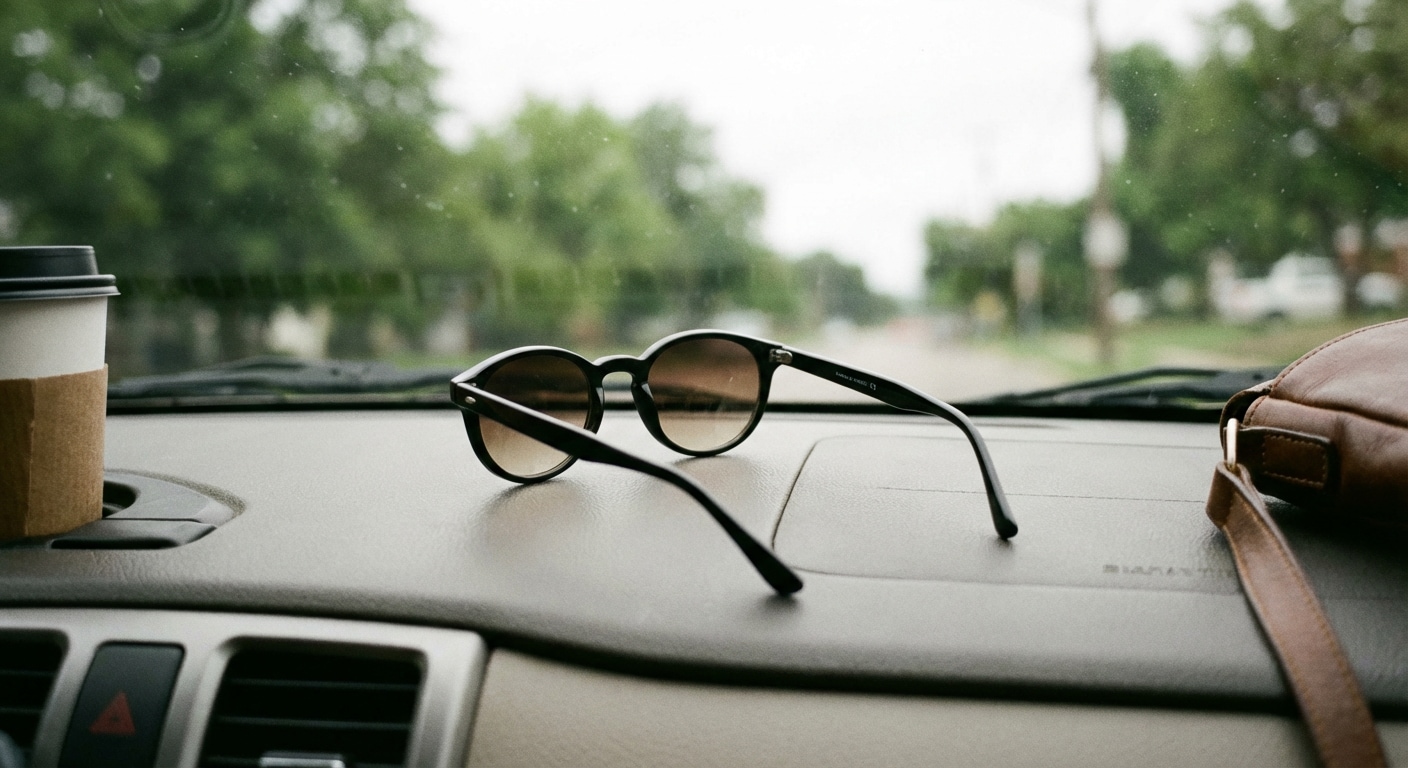
Caution: Leaving your sunglasses on the dashboard is a major cause of heat damage. Windshields trap sunlight. Heat rises fast in that space. Much faster than most people expect.
Once polarized sunglasses are damaged by heat, they cannot be restored. The polarizing film is affected. The glare protection is reduced or lost completely. This shows up every summer in optical shops.
A simple check helps. If the space feels unsafe for a child or a pet, it is also unsafe for sunglasses. When not in use, they belong in a hard case. Out of direct heat.
Why T-Shirts Ruin Polarized Coatings
The polarizing film sits inside the lens. The outer surface still takes wear. That surface matters more than people think.
Scratches do not just look bad. They scatter light. Glare becomes harder to control. Vision feels less comfortable.
Wiping your lenses with a shirt or sleeve might seem harmless, but it's not. Fabric fibers often hold dust or grit that cannot be seen. When a dry lens is wiped, those particles drag across the surface.
The damage builds slowly. A little at a time. Later, the lens looks dull. The glare comes back. If the goal is to clean polarized lenses without scratching, clothing should not touch the lenses.

How to Clean Polarized Sunglasses Properly
Cleaning does not need tools or sprays. Order matters more.
- Rinse the lenses first with lukewarm water. This step removes grit. Skipping it causes problems later. Rinsing first is important. Even tiny dust particles can scratch the lens if wiped dry. Taking a few extra seconds here prevents small problems later on.
- Use a small drop of mild dish soap. No lotion. Clean gently with fingers. Avoid window cleaners, alcohol, and acetone. These weaken coatings.
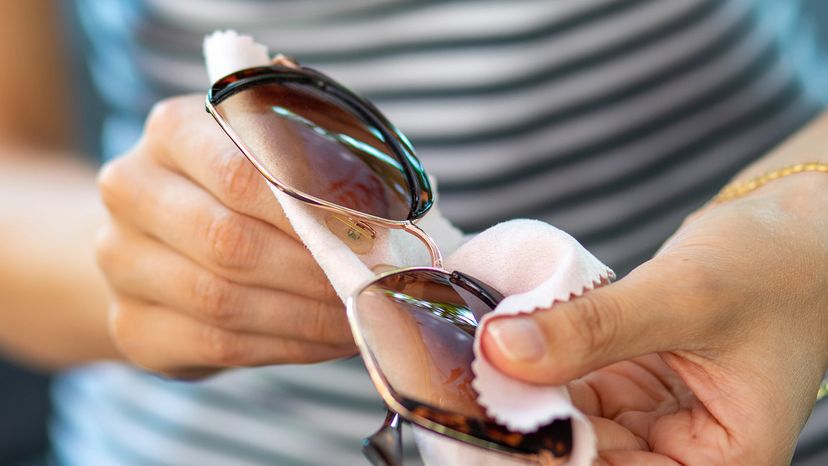
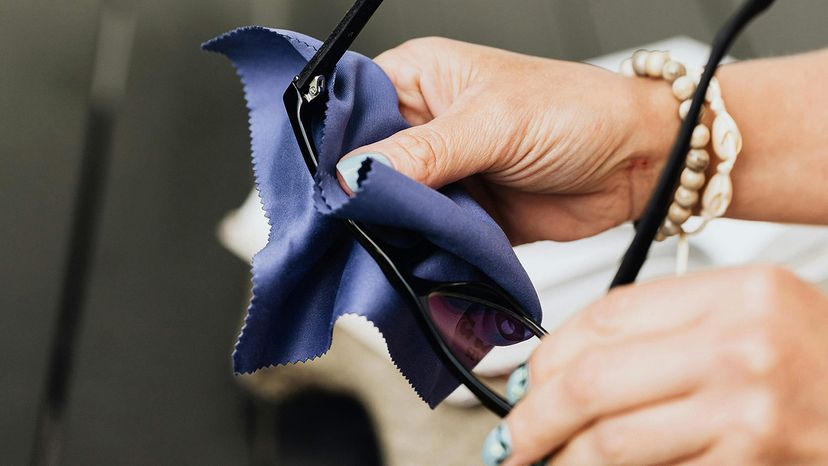
- Rinse again. Dry with a clean microfiber cloth. Not a dirty one. A dirty cloth spreads oil instead of removing it.
- When the glasses are not being worn, store them in a hard case. Bags and pockets hide sharp objects. Damage happens there, too.
Troubleshooting: Polarized Lenses, LCD Screens, and Driving
Polarized lenses can darken phone screens or distort dashboard displays. Don't worry, it's normal.
It should not.
LCD screens emit polarized light. When the angle lines up a certain way, the light is blocked. This is cross-polarization. It shows the lenses are working.
Before driving, it helps to check digital displays. A slight head tilt often fixes visibility. For pilots or heavy machinery operators, non-polarized lenses may be safer depending on the equipment used.
Conclusion
Most damage to polarized lenses comes from habits. Heat from dashboards. Cleaning with shirts is Loose storage.
None of it feels serious at the moment. The damage shows later.
With proper care, ZEELOOL polarized glasses can last for years, providing lasting comfort and protection. Keeping them cool, cleaning them carefully, and storing them properly makes a clear difference over time.
FAQ
How do you clean polarized sunglasses properly?
The key is rinsing before wiping—run the lenses under lukewarm water first to flush off any dust or grit, because wiping a dry lens traps those particles and drags them across the surface. Add a small drop of mild dish soap, clean gently with your fingertips, then rinse again and dry with a clean microfiber cloth. Avoid window cleaners, alcohol and acetone as these can weaken lens coatings over time. A dirty microfiber cloth is also worth replacing regularly—it spreads oil instead of removing it.
Can polarization wear off or lose effectiveness over time?
The polarizing film itself is sandwiched inside the lens between protective layers so normal use doesn’t just rub it off. What degrades polarized lenses over time is usually heat damage, surface scratching, or chemical exposure from improper cleaning products. If your polarized lenses seem less effective than they used to be, the culprit is more likely surface scratches scattering light than the polarizing film itself wearing out. Proper care greatly increases how long the lenses remain effective.
Why do polarized sunglasses cause delamination, and how do you prevent it?
Delamination occurs when the layers of a polarized lens begin to separate from one another . This is usually caused by one layer expanding faster than the other layer due to heat . The most common cause of delamination is leaving your sunglasses on the dashboard of your car . The trapped sunlight will heat the lenses to a temperature high enough to put stress on the layered construction. Delamination is irreversible . The polarizing film is compromised and glare protection is diminished. Storing your sunglasses in a hard case away from direct heat is the most reliable way to prevent it
Do polarized lenses scratch more easily than regular lenses?
Polarized lenses aren't inherently more scratch-prone, but the outer surface still takes wear from everyday handling. The problem is that people often wipe their lenses with shirt fabric or other dry materials without realizing that invisible dust particles on the cloth act like fine sandpaper on the lens surface. That damage is cumulative—each wipe adds tiny scratches that eventually make the lens look dull and reduce the quality of glare reduction. Using a clean microfiber cloth and rinsing before wiping prevents most of this.
Why do polarized lenses make phone screens look dark or distorted?
This is a normal optical effect called cross-polarization. LCD screens emit polarized light, and when the angle of that polarized light lines up directly against the polarizing filter in your lenses, the screen goes dark or appears distorted. It's not a defect—it's actually proof the lenses are working. A slight tilt of your head usually resolves it by changing the angle. For most everyday use it's a minor inconvenience, though it's worth being aware of if you rely heavily on digital dashboard displays while driving.
How long do polarized sunglasses last?
A good pair of polarized sunglasses can last several years with proper care, without a significant loss of performance. The biggest causes of early deterioration are heat damage from leaving sunglasses in hot cars, surface scratches from improper cleaning and chemical damage from household cleaners. The three habits that have the biggest effect on longevity are storing them in a hard case, cleaning with water and a microfiber cloth and keeping them away from extreme heat. Budget pairs with thinner coatings tend to degrade faster than well-made lenses, no matter how well you treat them.