





Intro
The glasses worn in the 1910s became the turning point in the history of eyewear, combining the skills of the 19th century with the emerging modern design. The glasses of the era were, in effect, high-end yet modest, simplicity itself, and yet had nothing to do with fashion. Through such delicate wire frames as the famous pince-nez, 1910s eyeglasses established the foundations of a number of classic styles to this day. The study of glasses in the 1910s provides a great idea of how old-time aesthetics are still applied in the modern eyewear trends.
This article is part of our series: Through the Lens of Time: A Complete History of Eyeglasses

Iconic 1910s Frame Types
Several distinctive styles defined 1910 eyeglasses, each serving specific functional and aesthetic needs:
1910 wire-frame glasses: Ultra-thin metal frames, lightweight and discreet.
1910 pince-nez glasses: Rimmed lenses that clipped directly onto the nose.
-k0n9.jpg)
Round frame glasses: Balanced proportions that suited formal and academic settings.
The Signature Look: Materials, Proportions, and Details
The 1910s glasses were characterized by restraint. Frames were made of gold-filled metal, steel, and nickel alloys mostly. Some of the important design features were:
Rims made of thin wire in the shape of circles or slightly oval lenses.
Narrow bridges and removable nose pads.
Temple arms, which wound round the ears.
In contrast to subsequent decades, there were no bright colors and heavy frames. This elegant simplicity is what makes vintage-inspired 1910s eyeglasses so timeless and elegant even nowadays.
1910s Glasses for Men vs Women
Men and women had minor differences in eyewear in the 1910s, as opposed to being dramatic.
Men's styles were more of round wire frames and pince-nez, which were seen on scholars and professionals.
-4q5y.jpg)
Women's fashion styles also had smaller lenses with light frames with intricate detailing at times.
-99tb.jpg)
In general, 1910 glasses were meant to be inconspicuous and those that could be used by everyone.
How to Get the 1910s Look Today
New eyewear companies have returned to the aesthetics of the early 20th century, thus helping to achieve the classic look more easily. To recreate the style:
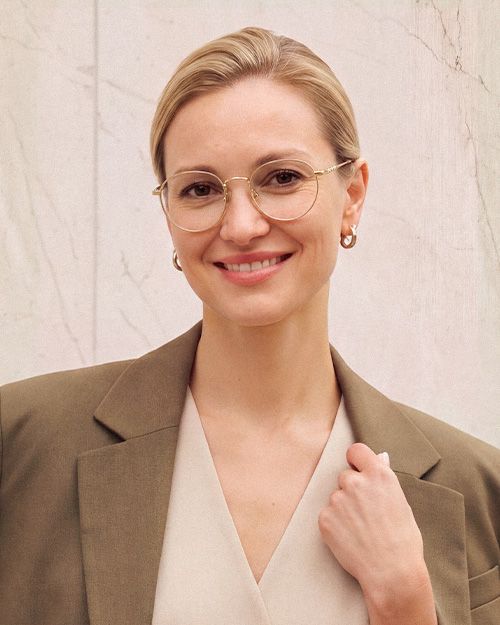
Purchase a pair of wire-frame glasses, which have narrow metal rims.
Use round or oval shapes in the lenses.
Meanwhile, only gold, silver, or antique bronze finishes.
Most of the modern eyeglass collections currently have their own versions of styles that have been historically inspired and are comfortable at the same time.
-0ka6.jpg)
-kmin.jpg)
Buying Guide: Vintage-Inspired vs True Antique
When buying vintage glasses, it is possible to pay attention to the following options:
True antique frames: Real but weak and not always suitable for everyday use.
Vintage one: Contemporary fabrics with 1910s decorations.
As an everyday accessory, the 1910 vintage eyeglasses are durable, compatible with prescriptions, and have a classic style.
Conclusion
Sustainability and simplicity, artisanship, and history make 1910s glasses worth owning. Even though you decide to keep authentic antiques or the vintage-inspired 1910s eyeglasses, such early designs still serve as a demonstration of practical beauty. With a vision of wire frames, classical proportions, and modest materials, eyewear lovers of the present can easily tap into the high culture chic of the twenties.
Continue Exploring the History of Eyeglasses:
→ 1920s Eyeglasses: Round Frames & Art Deco Details
FAQ
What did eyeglasses typically look like in the 1910s?
Eyeglasses from the 1910s typically had thin, wire frames in round or oval shapes, with a design that emphasized understated elegance rather than fashion.
Were pince-nez (clip-on) eyeglasses common in the 1910s?
Yes, pince-nez eyeglasses were quite common at the time, especially among professionals and intellectuals.
What were the differences between eyeglasses from the 1910s and the 1920s?
The styles of the 1910s were simpler, while the 1920s introduced bolder shapes and thicker frames.
About ZEELOOL
At ZEELOOL, we believe eyewear is the finishing touch that completes your look and expresses who you are. By offering an affordable ZEELOOL glasses frames price, we create high-quality, stylish frames that are accessible to everyone, empowering you to frame your vibe with confidence and ease.
We aim to become the essential accessory in every wardrobe, offering eyewear that fits every moment of your life.