









You wake up with a sore, red eye. It feels itchy and raw. You wore your contacts yesterday, and now your eye looks and feel off. It happens more often than you might think.
Contact lenses can be beneficial, but they can also be hazardous because an infection may lead to loss of vision or damage to the eye's front if left untreated.
This guide gives quick, easy steps to help learn how to treat eye infections from contacts early. You’ll also learn how to avoid them in the future. And in case you are considering switching over to eyeglasses, we have a great reason to make that kind of switch.
Why Do Contact Lenses Cause Eye Infections?
Your eyes need air and care. Lenses can trap germs and bacteria. Dirty hands, poor storage, or wearing them too long can lead to infection.
Common Infections from Contact Lenses:
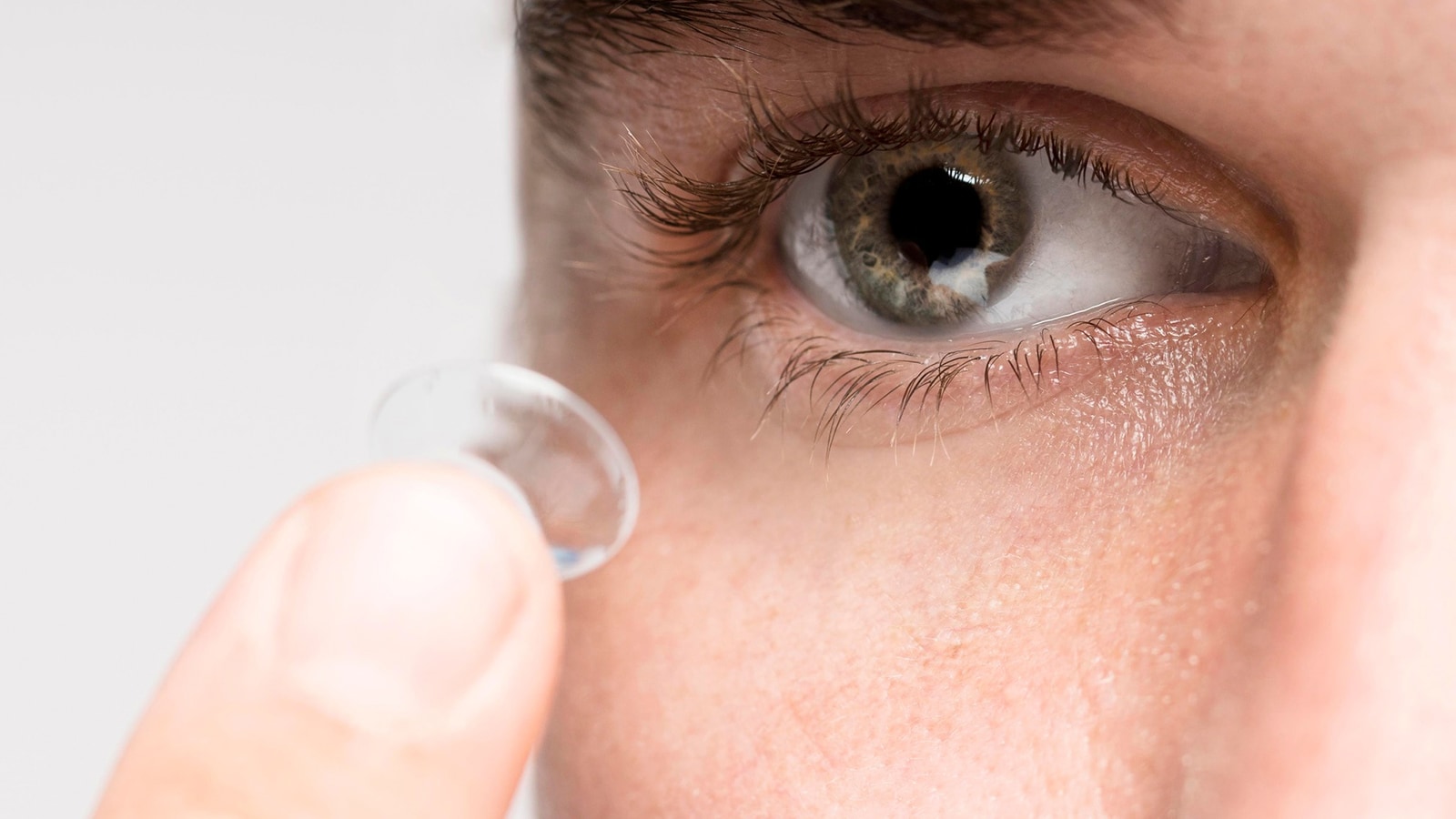
Here are some eye problems people can get from contact lenses:
- Bacterial infections: Caused by germs that stick to dirty lenses.
- Acanthamoeba infections: Can happen if lenses touch water. These hurt a lot.
- Fungal infections: Usually show up when lenses or solutions aren't clean.
- Conjunctivitis, or pink eye: Easy to catch and spread, whether it's from a virus or bacteria.
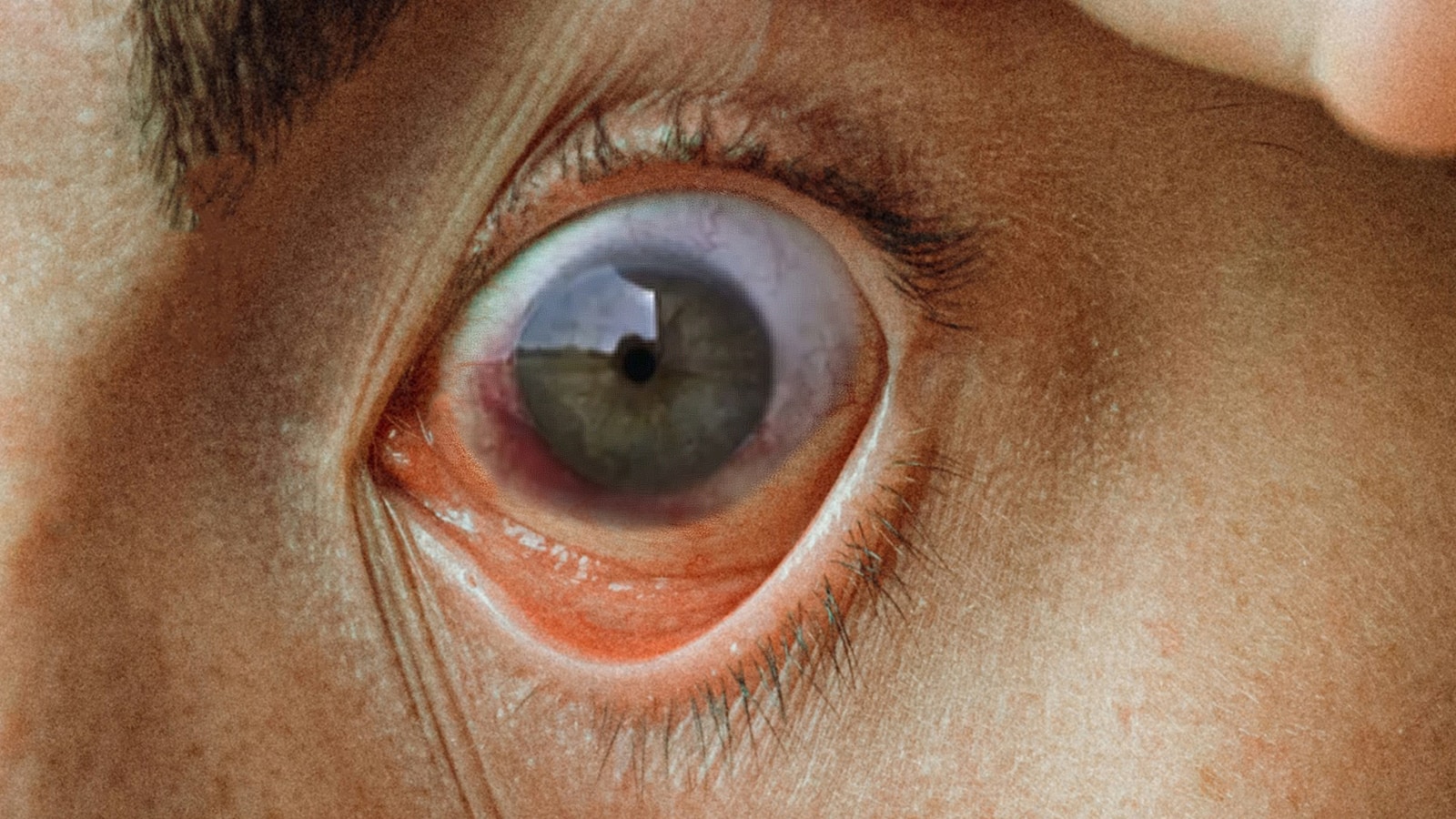
Look out for signs like redness, pain, blurred vision, excessive tearing, or a gritty feeling. It can lead to lasting eye damage.
Immediate Steps to Treat a Contact Lens-Related Eye Infection
Infections from contact lenses can worsen in hours, not days. So don’t wait. Take action fast.
Step 1: Take Out Your Contacts Right Away
If your eye feels off, take your contact lens out immediately. Don’t wait and see. If you wear dailies, throw them away. If they’re reusable, set them aside in a clean case (dry, not in solution). Your eye needs a break.
Step 2: Don’t Try to Fix It Yourself
Don't use over-the-counter drops unless your doctor gives the green light. Some drops can hide the infection or make it worse. And please don’t try home tricks like tea bags or rose water.
Step 3: Call Your Eye Doctor
Don’t guess. Eye infections look similar on the outside but need very different treatments. Acanthamoeba infections, for example, need months of special care. Your eye doctor will examine your eye and figure out what's going on.
Step 4: Bring Your Stuff
The doctor might want to check your lenses, case, or solution. Pack them in a small zip bag and take them with you. It could help figure out what’s causing the infection.
Step 5: Follow What the Doctor Says
Follow the directions for eye drops—whether for bacteria, fungi, or viruses—very carefully. Never skip a dosage. You may need to go back for a checkup.
Quick Tips to Manage Symptoms While Awaiting
Can’t get in to see the doctor right away? Try these simple steps. They won't cure the infection, but they will definitely help a little and make things worse:
- No makeup: Avoid eye makeup usage until your eyes heal entirely.
- Cold Compress: A cool, clean washcloth on your eye can help with the soreness.
- Let screens rest: Room sense light is irritating; dim it or close your eyes for some time.
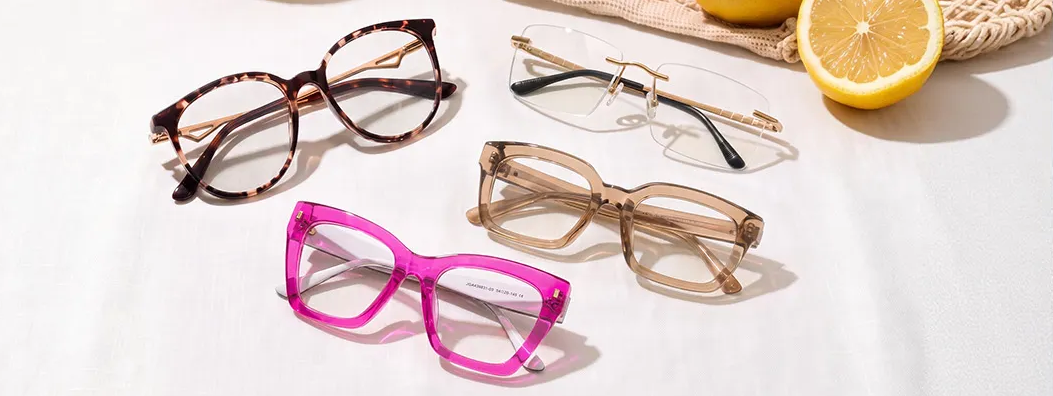
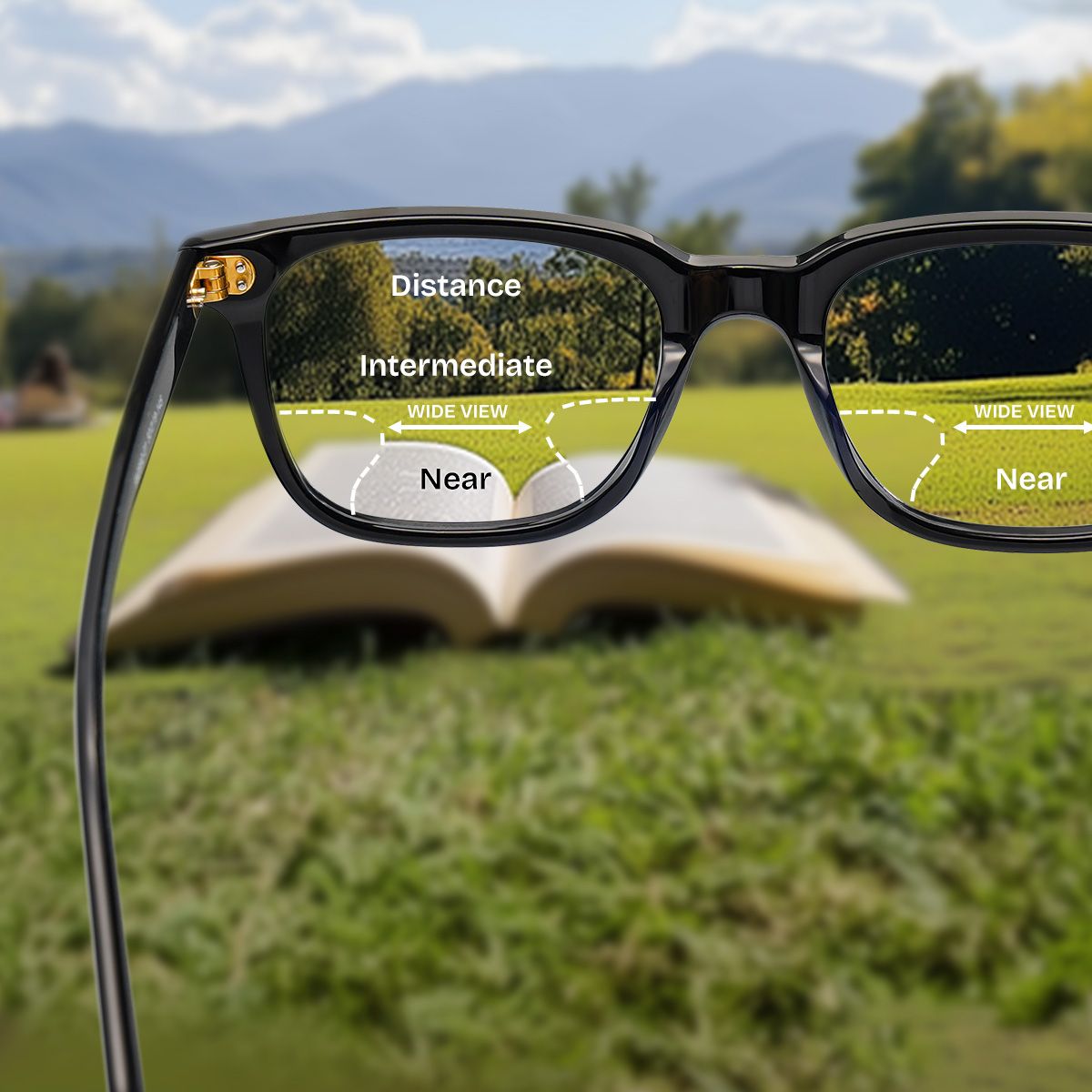
- Wear glasses instead: Until your eyesight improves, stick to glasses. ZEELOOL has frames that feel good and look even better.
How to Prevent Eye Infections from Contact Lenses
Good habits make a big difference. Most infections come from skipping simple steps.
Always wash your hands before putting in or taking out lenses. Never reuse old solutions. Pour fresh solution into your case each time. Replace the case every month, even if it looks clean.
Also:
- Don’t wear contact lenses for too long.
- Never sleep in them unless your doctor says it’s okay.
- Keep contacts out of water; avoid swimming or showering with lenses in place.
- Follow the schedule. Don’t stretch lens life past the limit.
- Go for eye exams often. Your lens fit might need updates.
- Or… switch to glasses. They don’t come with these risks. For many people, glasses are easier, safer, and still stylish.

When to See a Doctor and What to Expect
If your eye still hurts after 24 hours, or your vision gets worse, don’t wait. Redness, swelling, pain, and discharge are signs that need attention.
Your doctor will do an exam. They might use a light to examine your eye or conduct a quick test to identify the cause. You may receive drops or even pills, depending on the situation.
Mild infections typically clear up within a few days, while others may take several weeks to heal. Until your eye has fully healed, avoid wearing contacts. Glasses are the safer choice during recovery.
Conclusion
Eye infections from contact lenses can feel scary, but most get better with fast care. The key is to act early. Remove the lens, skip home fixes, and see a doctor.
Clean hands, fresh solution, and proper wear time all help you avoid future trouble. And if contacts feel like too much work, glasses might be the better option.
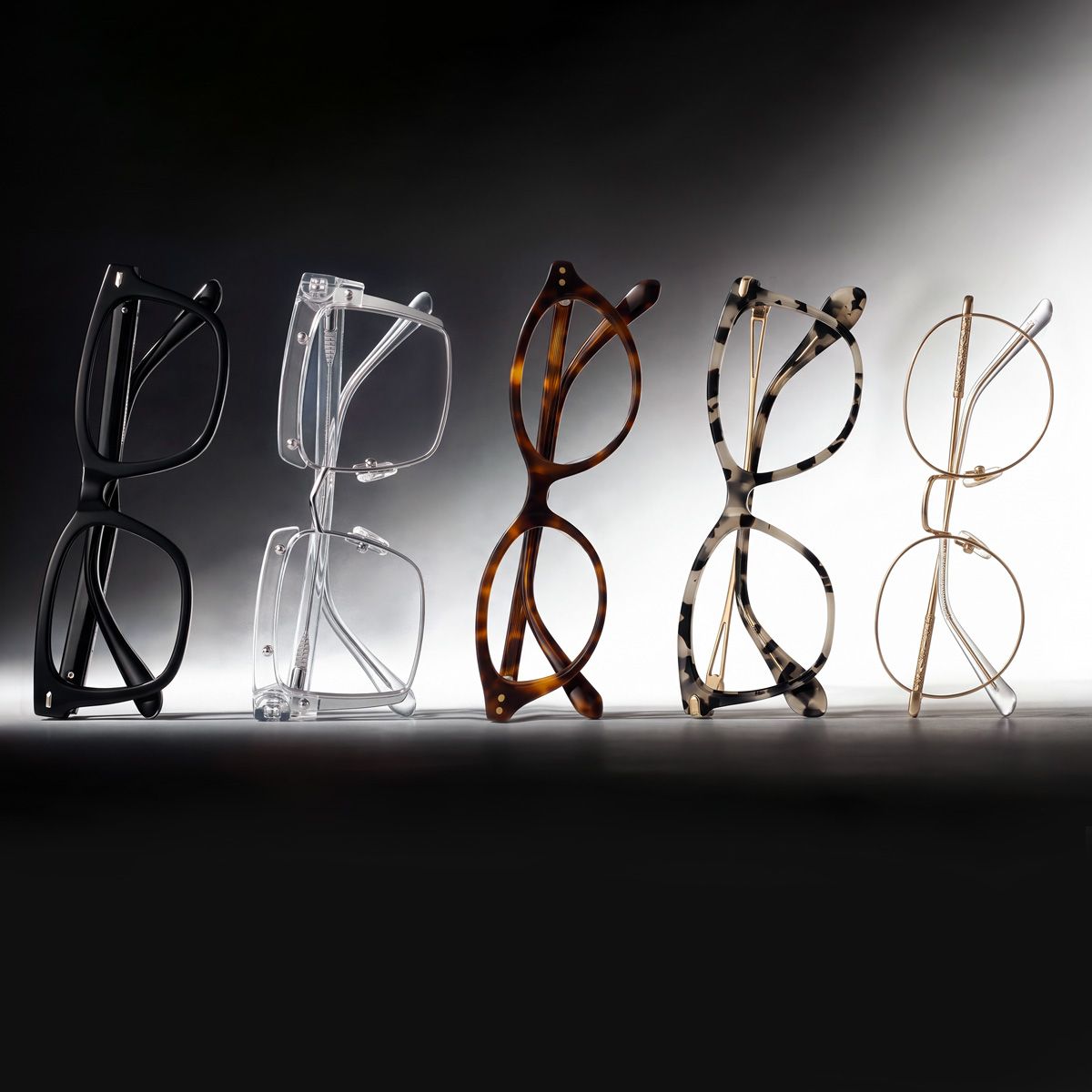
Need a break from lenses? Discover ZEELOOL’s glasses for an effortless, low-maintenance way to keep your vision sharp and your eyes healthy.