









Introduction
The right pair of glasses significantly improves comfort and life quality. With increasing age, vision deteriorates, and it becomes difficult to see objects that are both far and too close. That condition, called presbyopia, typically kicks in around age 40, and it involves not being able to see up close, as a result of which reading or computer work may be more challenging.
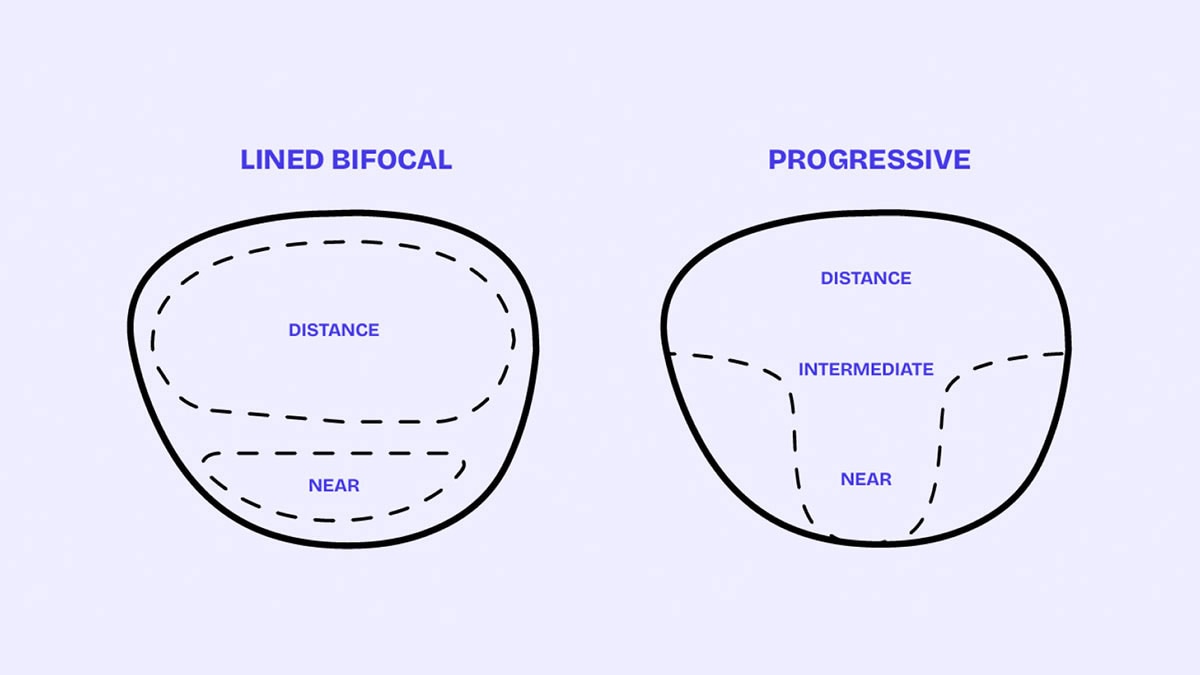
Bifocals and progressives are two popular options to address that, but it can be confusing to know when to use one versus the other.
Both options help with presbyopia, but in different ways. Knowing the differences between each type can help make a wise decision that best fits your lifestyle, vision requirements, and pocket book. In this article, we’ll cover the difference between bifocals and progressive glasses, along with its pros and cons, along with how to choose the best one for you.
What are Bifocals Glasses?
Bifocal glasses have been around for centuries and are a well-known type of lens used to correct presbyopia. They incorporate two different optical areas, with the upper portion being used for distance vision and the lower portion used for near vision. The key feature of bifocals is the visible line that separates the two zones, which falls towards the center of the lens. This boundary is the demarcation between the two optical systems; it separates the area of visioning far away versus closer-up tasks.
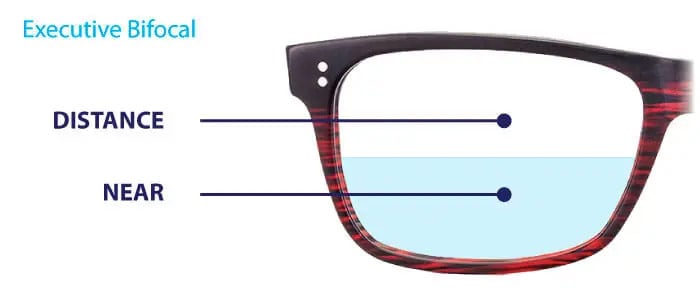
Bifocals are an easy fix for people with presbyopia because the bottom (reading section) and top (far or intermediate distance) of the lenses are clearly divided, allowing the wearer to know exactly where to look depending on what they are doing. The upper part of the lens: for driving, watching TV and looking at things in the distance. The bottom is for tasks like reading or knitting or other things you need to have a close focus on. One of the primary benefits of bifocals is their straightforwardness; they are convenient and allow you to quickly access the right prescription for a specific task.
Bifocals, however, are not without their drawbacks. The visible line where the two sections of the lens meet can be off-putting for some people. Furthermore, the sudden switch from near to far zones can be hard to tolerate, especially for newcomers to bifocal wearers. For some individuals, going back and forth between the two eye focal points causes discomfort or a sensation of imbalance due to the hard cut-off by the lens, not a smooth transition.
What are Progressive Glasses?
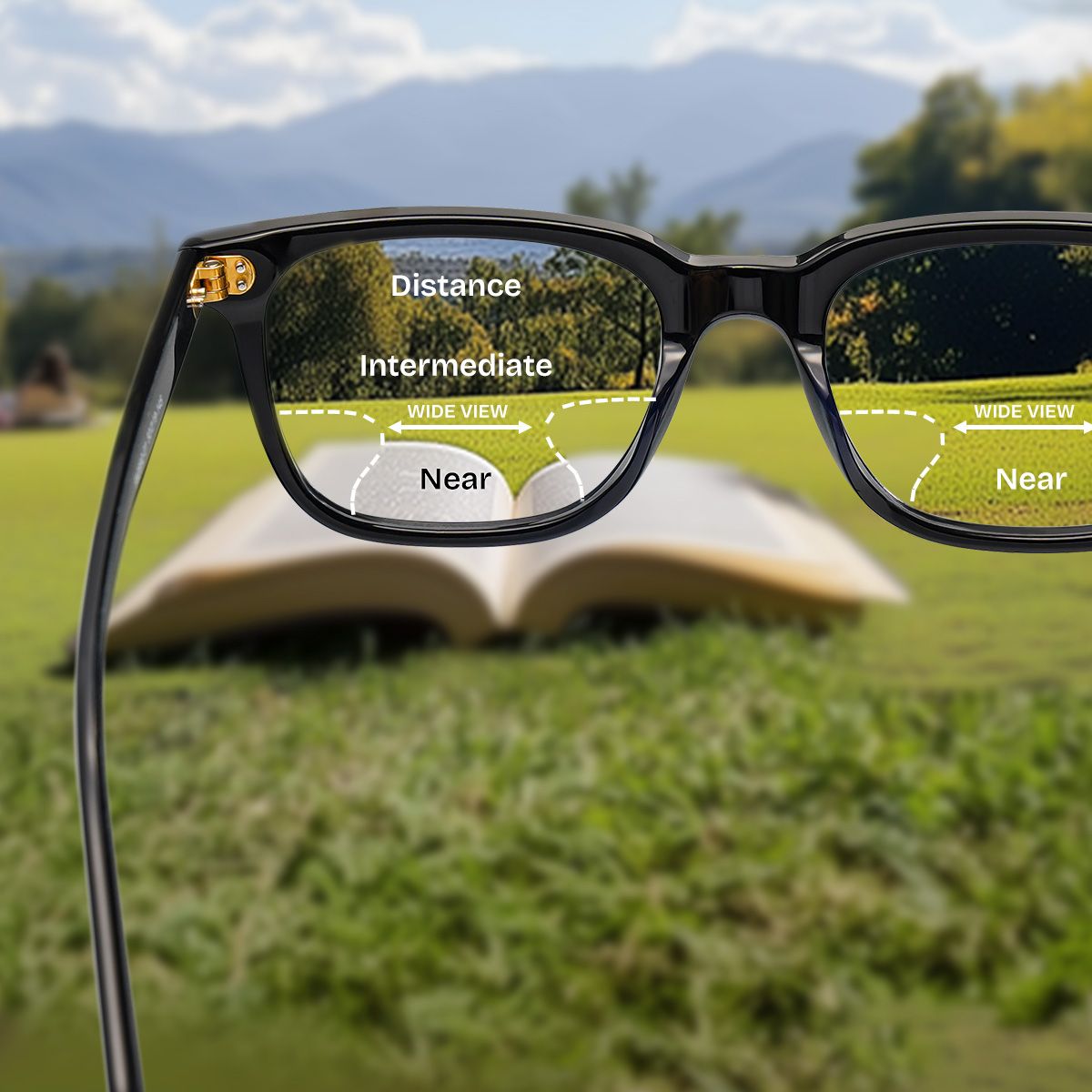
Progressive glasses are a more modern way of fixing vision. Unsimilar to bifocals, progressives have no distinct transition between the different focal areas. Unlike traditional lenses containing two sections, one for close and one for far vision, progressive lenses have a smooth change in power from the top to the bottom of the lens. The top portion is for distance vision, the middle portion for midrange or computer work, and the bottom portion for near tasks like reading.
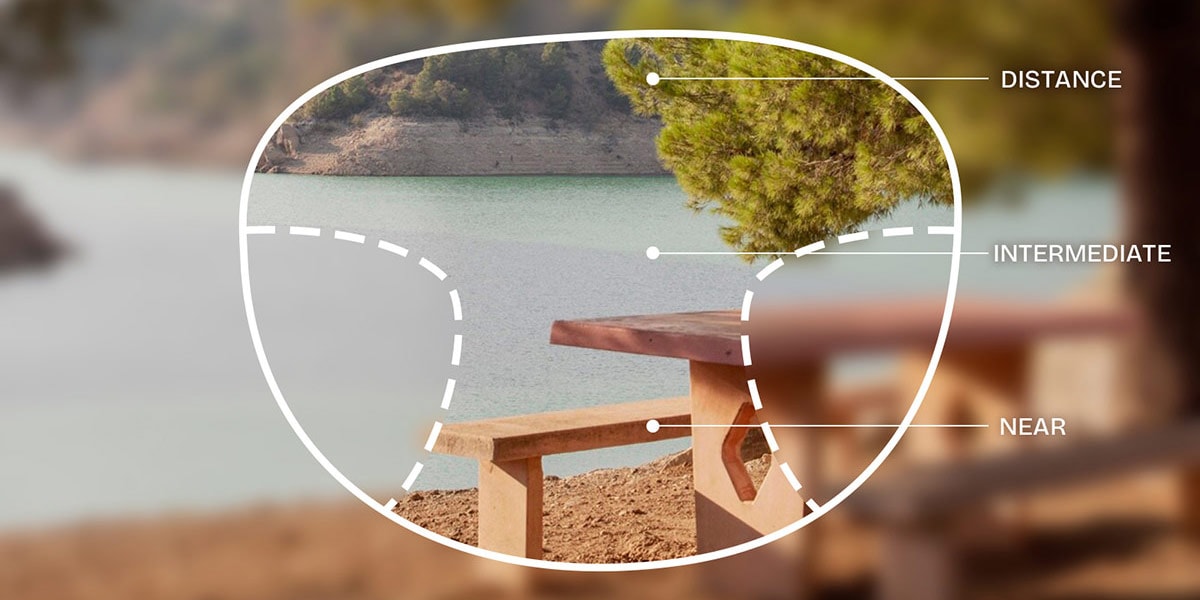
The most important benefit of progressive lenses is the seamless transition between focal points. This style removes the horizontal line in bifocal glasses, which makes people look so old-fashioned. Progressive lens glasses are particularly convenient for people who need to see at different distances throughout the course of a day and who don't want to switch their glasses every time they change a view. For instance, progressive lenses enable wearers to gaze at something in the distance and then gaze downward to read a book or look at a phone without angling or removing their glasses.
As many benefits as progressive lenses provide, they also present a number of challenges. The major downside is the adjustment period. Progressives do take some getting used to because of the smooth transition of power in the lens. The new wearer may have dizziness, a headache, or blurred vision until they get used to the lenses. Also, many folks do not get along with the limited region of clear vision associated with progressive lenses, especially when it comes to off-axis vision.
The Key Differences Between Bifocals, Progressives, and Glasses
Both bifocals and progressives are meant to treat presbyopia and assist in better vision when viewing and trying to distinguish objects up close and at a distance, but there are some significant differences between the two types of lenses. Here’s a look at the most significant differences.
Lens Design and Appearance:
Bifocal Glasses: These have a line that separates the two zones of the lenses. The top part of the lens is for distance vision, and the bottom part is for near vision. This line is a visible one, and it can affect the fashion appearance of those needing reading glasses and also make you look a bit older and boring.
Progressive Glasses: There’s a nice flowing progression of prescription powers, known as the corridor, and you can’t even see the line. This gives it a cleaner look and a look that is more contemporary.
Field of Vision:
Bifocal Glasses – with bifocals, you either see clearly in the distance or up close, as the top and bottom of the lenses will be sharp, but the middle section will not. In order to focus clearly at other distances, wearers must move their head or peer through specific parts of the lens.
Reading/Progressive Glasses: If you need glasses for both reading and distance, progressives may cover more territory, since the shift from long distance to short and in between is subtle and you won't have to move your head as much.
Adaptability:
Bifocal Glasses: Bifocals are generally easier to adapt to, particularly if you are already accustomed to wearing reading glasses or another type of vision correction. But the visible line can be jarring to look at and even though it is not paid attention to, some people find it uncomfortable.
Progressive Glasses: Glasses with progressives are harder to adjust to because the change in focus is gradual. New wearers may feel lightheaded or have blurry vision at first, but most adjust after a couple of weeks.
Cost:
Bifocal Glasses: Bifocals are usually more affordable than progressives since they are easier to design and manufacture.
Progressive Glasses: Progressives are generally more expensive because of how they’re created and the personalization involved. The price of progressive glasses also can differ depending on the material used, including high-definition and anti-glare coatings.
Comfort:
Bifocal Glasses: They can be uncomfortable for some users as the visible line forms a hard line of delineation between the near and far viewing segments. This can make for a disjoint visual experience when transitioning between the two spaces.
Progressive Glasses: Progressive lenses, too, offer a more comfortable visual experience after a period of adaptation, as your eyes have come to get used to the seamless flow from close to intermediate to distance vision.
How to Select Based on Personal Needs?
The decision between bifocal and progressive lenses is largely a matter of lifestyle, visual needs, and your personal preferences. Below are a few highlights to contemplate when choosing between lens types:
Lifestyle:
If you spend most of the day doing things that make you look from near to far away and back (like working on a computer but also driving), progressive glasses might be a better option. They provide a convenient way to do so for those who'd rather not move their head or adjust their glasses every time the focal point changes.
If you just need help with near vision (reading, knitting, sewing, or the like), you might want to consider less expensive and less complicated bifocals.
Adaptability:
If you’re not averse to an adjustment period and like the look of something a little sleeker and more modern, try progressive glasses on for size. But if you’re looking for something that’s easy to become accustomed to and aren’t too worried about the visual process of change, then bifocals are okay.
Budget:
Bifocals are usually less expensive, which makes them the right choice if you can't afford the price of these types of glasses. Progressive glasses offer greater versatility and comfort, though they typically cost more. If you’re willing to pay a bit extra for better convenience and looks, progressive lenses may be the way to go.
Aesthetic Preferences:
If you care at all about what you look like, progressive lenses are better because they don’t have the visible line that resembles bifocals. If you aren’t as worried about the appearance of your glasses and are primarily interested in function, bifocals may be a more budget-friendly option.
Conclusion
There are good elements and bad elements to both bifocals and progressive glasses for presbyopia sufferers. Bifocals are an easy-to-apply, lower-cost alternative, though they may not be as convenient or as good-looking as progressive specs. Progressive lenses, on the other hand, offer a more gradual and natural visual experience but tend to have a longer adjustment time and are more expensive.
Bifocals versus progressives for parents: the optician will ask, "Do you want your teen to have bifocals or progressives?" Ultimately, it depends on your child's comfort, habits, and budget. If you read about the comparison on fashion traditionally, you will need to make a choice on one that suits the vision, purpose, and what can positively affect your standard of living. While you can buy bifocal glasses or order progressive lenses online or at a store, you may still want to see an eye care professional who can prescribe the appropriate prescription and help ensure a perfect fit for your eyes.
About ZEELOOL
At ZEELOOL, we believe eyewear is the finishing touch that completes your look and expresses who you are. For anyone looking to purchase glasses online ZEELOOL provides high-quality, stylish frames that are accessible to everyone, empowering you to frame your vibe with confidence and ease.
We aim to become the essential accessory in every wardrobe, offering eyewear that fits every moment of your life.
FAQ
What is the main difference between bifocal and progressive lenses?
Bifocals have separate distance and near zones divided by a visible line. Progressives blend distance, intermediate, and near powers without a line. Progressives provide more viewing ranges, while bifocals offer clearly defined zones that some wearers find easier to locate.
Which is easier to get used to, bifocals or progressives?
Many people adapt quickly to bifocals because the zones are distinct, although the image can jump at the line. Progressives require learning where to point the eyes and head through a narrower corridor. Accurate measurements and frame fit strongly affect adaptation to either design.
Are bifocals or progressives better for computer work?
Progressives include an intermediate zone, but its width may be limited for prolonged desktop use. Standard bifocals may not place the near segment at the correct monitor distance. Occupational or computer-specific lenses can provide a wider intermediate area for desk tasks.
How should I choose between bifocals and progressives?
Choose according to your daily viewing distances, need for intermediate vision, tolerance for adaptation, frame size, appearance preferences, and budget. Discuss specific activities—driving, reading, desktop monitors, crafts, or stairs—with your optician before measurements are taken.