










At a Glance: Is the Switch Worth It?
Cost Efficiency: One pair of adaptive lenses replaces separate glasses and sunglasses, offering high value for those on a budget.
Performance: Lenses darken in 30–60 seconds. Newer tech like Transitions® Signature® GEN 8™ clears faster than ever indoors.
Protection: Provides 100% UVA/UVB blockage and filters harmful blue light.
Verdict: Are transition lenses worth it? Yes, if you value convenience and a seamless indoor-outdoor transition.
You go outside, and the sun is bright. You look in your bag for your sunglasses. Sometimes you forget them or left your regular glasses at home. Switching back and forth every time you go out can get annoying.
But actually, you have a smarter option. Photochromic lenses, also called transition lenses, change automatically. They darken in sunlight and turn clear indoors. No more juggling two pairs.
This guide will give you the full picture. We will show what transition lenses do, explain their main benefits, and point out some practical limits. By the end, you’ll know whether transition lenses are worth it.

What Are Transition Lenses?
The term "transition lenses" is widely used as a generic name for any photochromic lens—lenses that darken in sunlight and return to clear indoors. Technically, "photochromic" is the correct umbrella term for this technology, while "Transitions®" refers specifically to a brand made by Essilor Luxottica. Because Transitions® has dominated the market since the 1990s, its name has become shorthand for the entire category—similar to how "Kleenex" refers to facial tissues generally. This guide uses both terms interchangeably to reflect common usage, but the technology itself is available from multiple manufacturers at various price points.
Transition lenses have tiny molecules inside. They darken when sunlight hits them. Step indoors, and they turn clear again.
They still work on cloudy days since UV rays can penetrate through the clouds. But inside a car, they may stay lighter. Most windshields block UV rays, so the trigger isn’t there.
This is why they adapt to your environment. They give the convenience of sunglasses outdoors and clear vision indoors. It’s a clever mix of tech and practicality.
You can go outside for coffee or wait for the bus. Your glasses change by themselves and keep your eyes comfortable.
The next section discusses the transition lenses' pros and cons in detail.
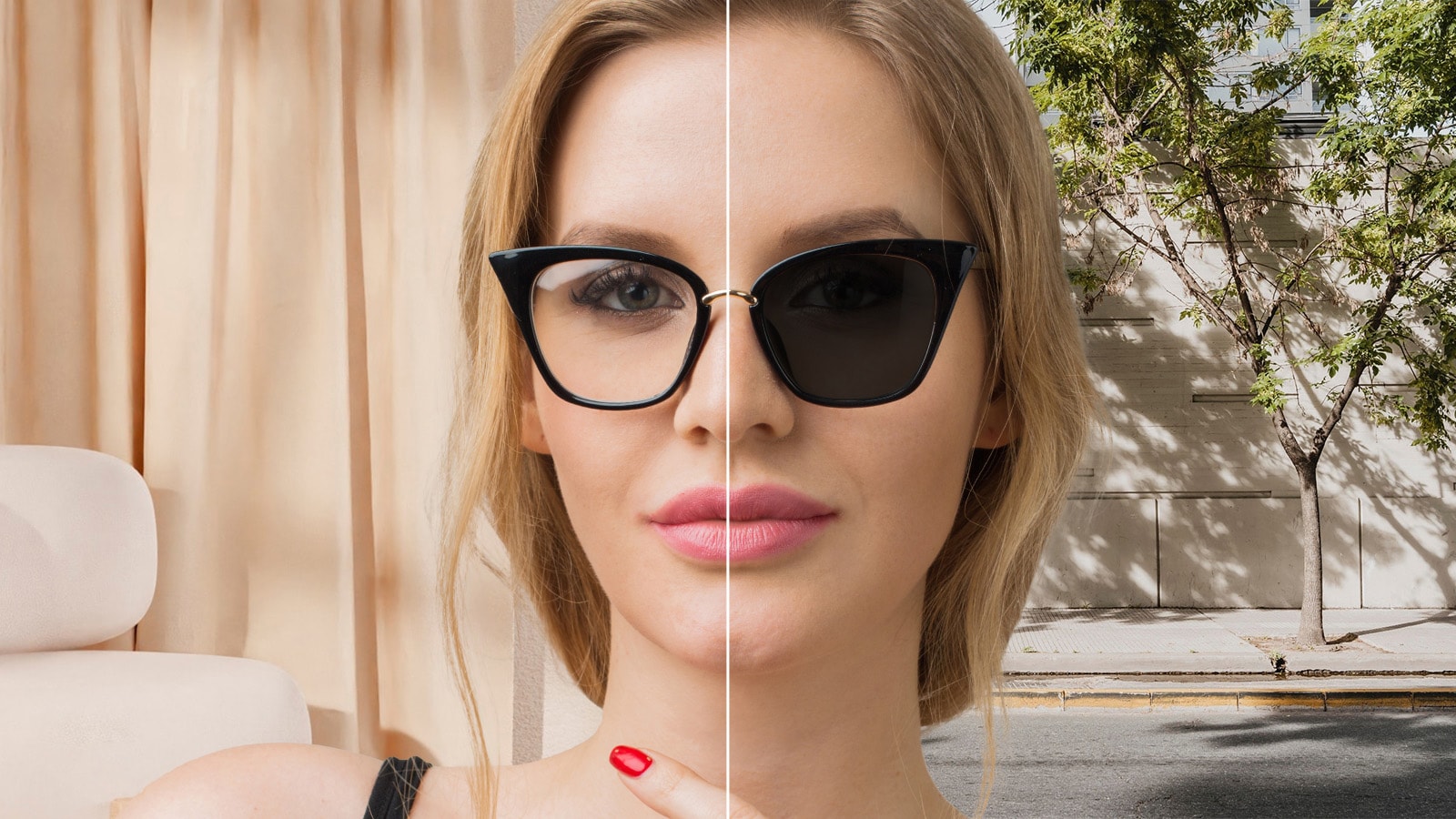
How Fast Do Transition Lenses Change?
A common concern for US shoppers is the wait time. How fast are transition lenses today?
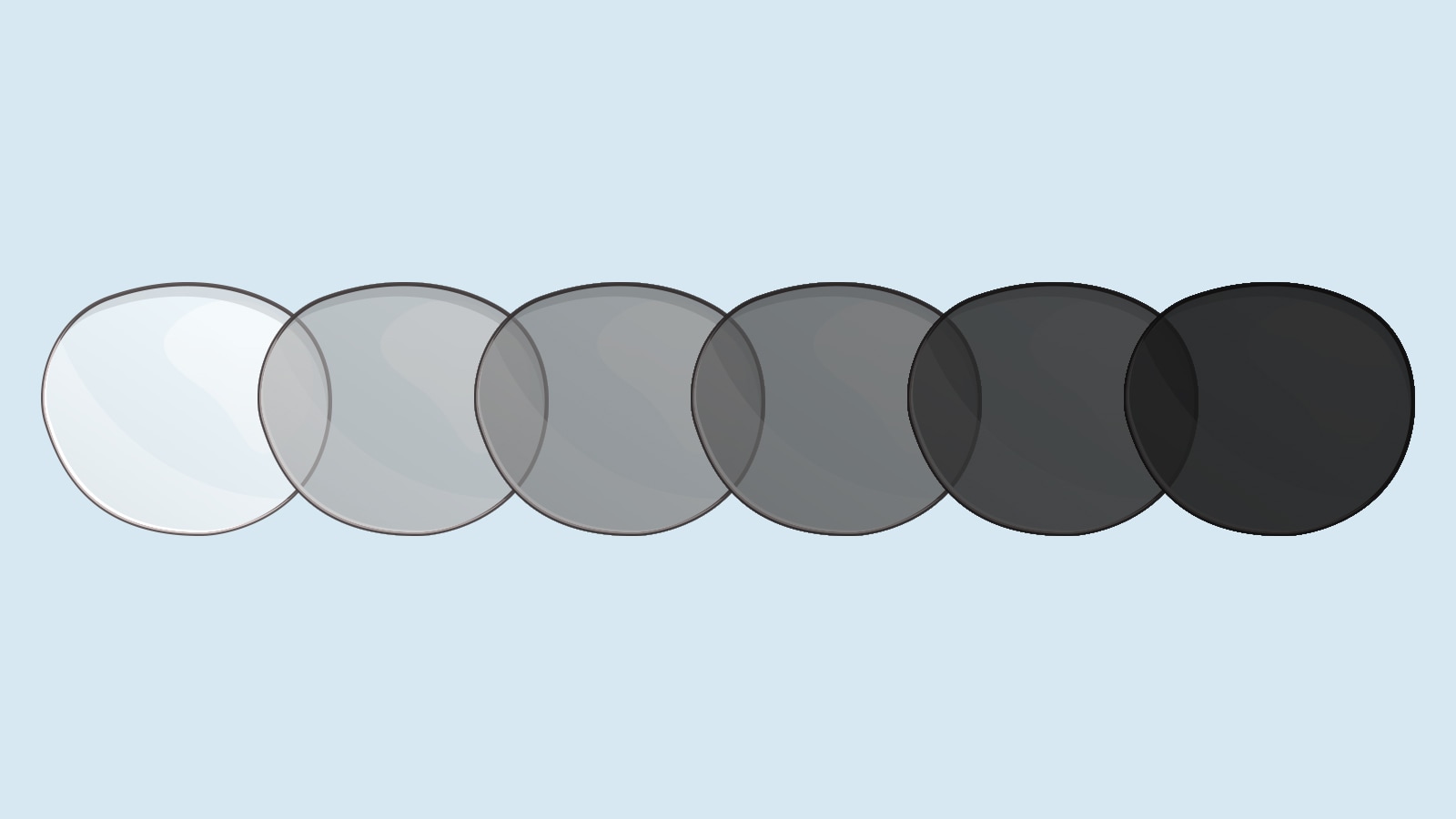
- Darkening Speed: Most modern photochromic lenses react to UV light within 30 to 60 seconds.
- Fade-Back Time: Returning to clear indoors takes a few minutes.
- Do transition lenses work on cloudy days? Yes! UV rays penetrate clouds, triggering the molecules to adapt your vision seamlessly.
- Temperature Sensitivity: Keep in mind that these lenses are must-have accessories that perform best in cool weather; they may not reach full darkness in extreme heat.
- Next-Gen Tech: Advanced options like Transitions® Signature® GEN 8™ clear faster than older versions, offering a more seamless and polished experience.
An illustration showing a series of lenses gradually darkening
Ready to see them in action? Use our AR try-on to visualize how these sophisticated lenses look on you from the comfort of your home.
The Pros: Key Benefits of Transition Lenses
Transition lenses are popular for four main reasons. They make life easier, protect your eyes, look good, and can save money.
Convenience: One Pair Replaces Two
You only need one pair. Walk from your office to lunch outside, or move between classrooms without switching glasses. Everything changes on its own. Even quick trips outside, like taking your kids to school or running to the store, feel easy.
UV and Blue Light Protection: What Transition Lenses Actually Block
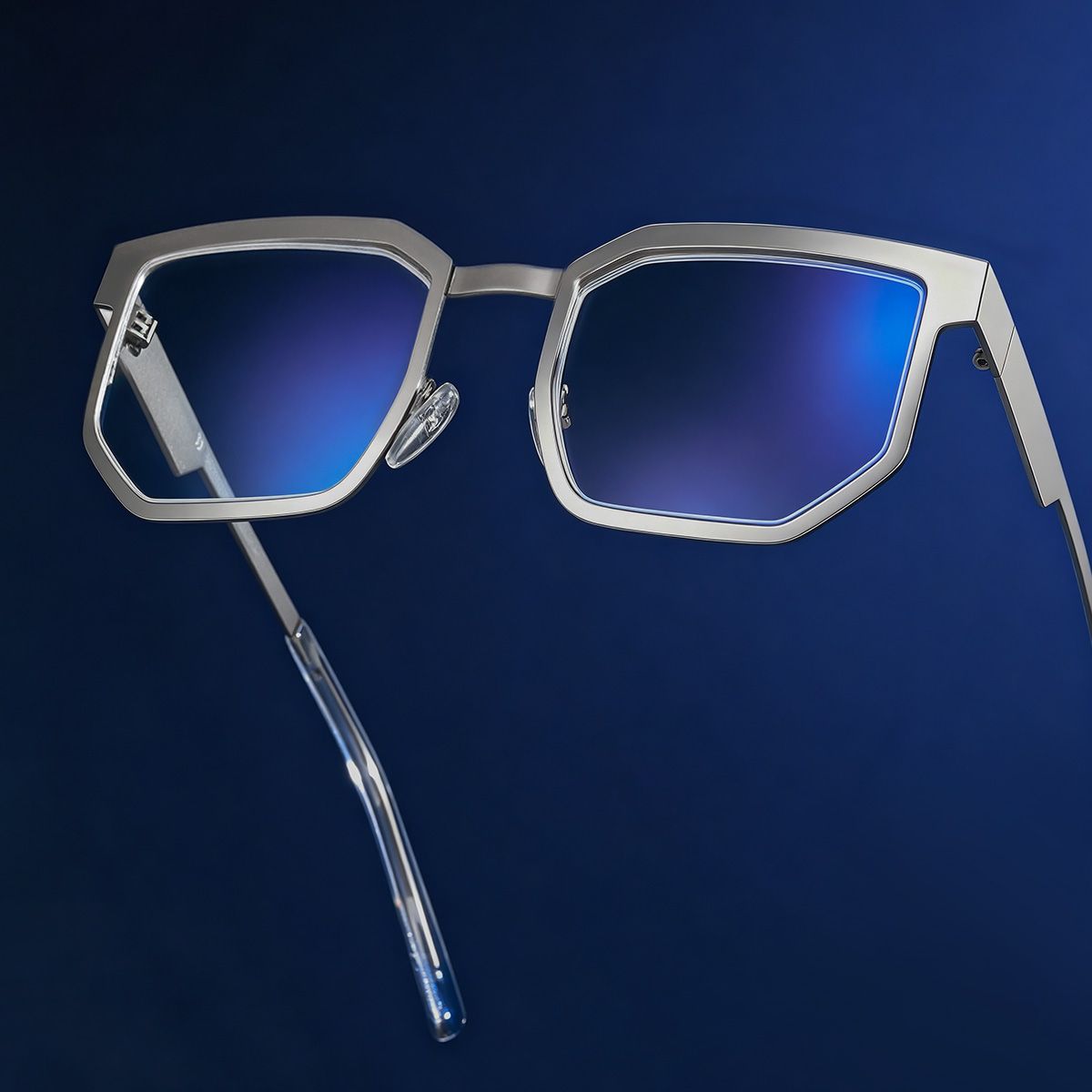
These lenses block 100% of UVA and UVB rays outdoors—a consistent feature across all photochromic lenses. Note that transition lenses darken in response to UV light, which means they remain largely clear indoors where UV exposure is minimal. If blue light filtering for screen use is a priority, look for lenses that combine photochromic technology with a dedicated blue light coating—the two are separate features that can be added together.
Frame Compatibility and Style Options
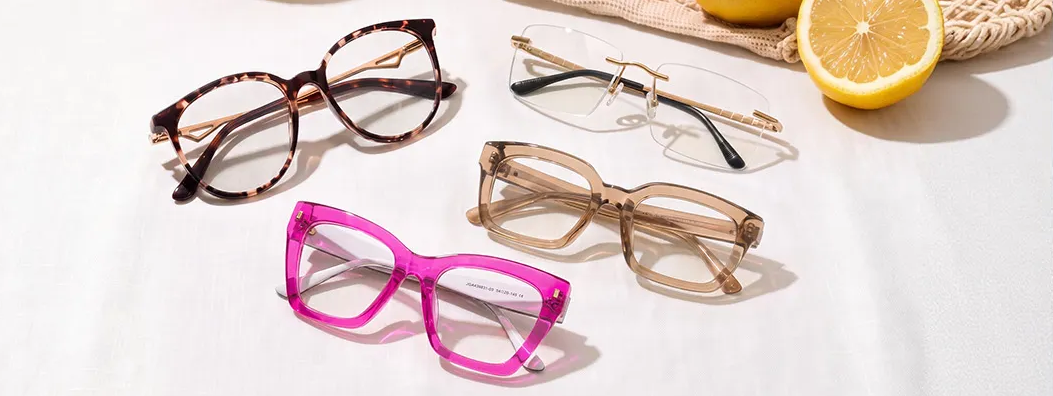
Transition lenses work with many frames. Gray or brown tints look natural. You can find minimalist designs or bold acetate frames. They offer a modern, polished look while staying practical.
Cost Comparison: Transition Lenses vs. Two Separate Pairs
One pair with transition lenses can replace two separate pairs: your regular prescription glasses and your prescription sunglasses. For example, a single pair of ZEELOOL transition lenses runs around $150. Regular prescription glasses cost around $50, and prescription sunglasses cost $130. You save money and carry less.
How Much Are Transition Lenses in the United States? (2026 Price Guide)
For shoppers in the USA, cost is a major factor when deciding if transition glasses are worth it. While traditional retailers might charge a premium, choosing an affordable online source like ZEELOOL can help you stay under budget.
| Eyewear Type | Traditional US Retailer | ZEELOOL Price |
| Standard Prescription Glasses | $150+ | From $50 |
| Prescription Sunglasses | $200+ | From $130 |
| Transition (Photochromic) Lenses | $300 - $400+ | Approx. $150 |
Traditional retailer prices reflect national averages from VSP network providers and LensCrafters standard retail pricing (2026). ZEELOOL prices reflect current base pricing before lens upgrades.
The Cons: Practical Considerations Before You Buy
Transition lenses are not perfect. Knowing their limits helps you make the right choice.
Darkening and Clearing Speed: What to Realistically Expect
Lenses typically darken in about 30~60 seconds. But turning clear takes longer, a few minutes. Technology like Transitions® Signature® GEN 8™ lenses clears faster indoors than older versions.
In-Car Performance: Why Transition Lenses Stay Light When Driving
Most transition lenses do not get dark inside a car. Windshields block the UV light that triggers the darkening. If you drive a lot, your lenses may stay light. For long drives in bright sun, having a regular pair of sunglasses is a good idea. This keeps your eyes safe and comfortable on the road.
Temperature Sensitivity: How Heat Affects Darkening Performance
Temperature affects how dark lenses get. They darken most in cool weather. In hot weather, they may not reach full darkness. This is normal for all photochromic lenses.
Are Transitions Lenses Worth It for You?
Here’s a quick guide to help you decide.
Transition Lenses Are Your Perfect Match If…
Transition lenses deliver their best value for people whose daily routine involves frequent indoor-outdoor movement—commuters, teachers, parents doing school runs, or anyone who works near windows. The core question is not whether the technology works, but whether your specific lifestyle creates enough UV exposure to justify the premium over standard lenses.
- You move between indoors and outdoors often.
- You want one pair of glasses for everything.
- You want constant UV and blue light protection.
- You like smart, modern features in your frames.
- You prefer a low-maintenance solution and dislike carrying multiple pairs.
- You enjoy spending time outside in the sun and want your eyes protected without thinking about it.
- You like eyewear that adjusts to your daily lifestyle seamlessly.
You Might Prefer Two Separate Pairs If…
Two separate pairs remain the better choice in specific scenarios where transition lenses have documented performance limitations. The most common is driving: since most car windshields block the UV wavelengths that trigger darkening, your lenses will stay largely clear during daytime drives regardless of how bright it is outside.
- You drive a lot or spend most of your day in a car.
- You need full darkness instantly.
- Waiting a few minutes for lenses to clear is a problem.
- You spend long hours in very bright outdoor conditions and need maximum tint at all times.
- You want highly specialized sunglasses for sports or extreme light sensitivity.
Transition Lenses: FAQ
Q: Do transition lenses work in a car?
A: Most standard photochromic lenses stay light inside a car because windshields block the UV rays needed to trigger them. If you are driving, consider Transitions XTRActive for enhanced in-car performance.
Q: Do transition lenses come in different tints, and does tint color affect performance?
A: Yes. The two most common tints are gray and brown. Gray tints provide the most neutral color perception outdoors—colors appear as they would through clear lenses, just darker—making them the preferred choice for driving and general use. Brown tints enhance contrast, which some wearers prefer for outdoor activities like golf or hiking. Both provide equivalent UV protection; the choice is primarily one of personal preference and how you perceive color in bright conditions. Some manufacturers also offer green tints, which fall between gray and brown in contrast enhancement.
Q: Do transition lenses expire or lose effectiveness over time?
A: Yes. The photochromic molecules in transition lenses gradually lose their reactivity with UV exposure over time. Most manufacturers rate their lenses for peak performance over approximately 2–3 years of regular outdoor use, after which the lenses may not darken as fully or clear as quickly as when new. This lifecycle generally aligns with typical prescription update intervals, so most wearers find their lenses are ready for replacement around the same time their prescription changes.
Q: How long do photochromic lenses last?
A: Typically, they maintain their peak performance for 2 to 3 years, aligning perfectly with your regular prescription update cycle.
Conclusion
Transition lenses offer convenience, protection, and style. They save you from carrying multiple glasses and protect your eyes from UV and blue light. They're a great fit for most people, though in-car performance and slow fadeback may matter to some.
For anyone who spends time both inside and out, they are a smart investment. Ready to upgrade your eyewear? Explore ZEELOOLeyeglass frames’s collection of stylish frames with advanced photochromic light-adaptive lenses. See clearly, protect your eyes, and keep your style sharp.
Ready to visualize your new look? Use our AR try-on with real-time rendering and face mapping to find the most chic frames from your webcam. Shop ZEELOOL's sophisticated collection today and get free shipping & returns on your must-have smart eyewear!