









Key Factors & Conlusion
High bridge noses slope above pupil level; need narrower bridges and keyhole styles for a secure fit.
Low bridge noses slope at or below pupils; require adjustable S-pads or silicone for stability.
Proper bridge fit prevents sliding, pinching, and red marks—choose frames designed for your nose type.
Glasses can be annoying in a particular way. You place them where they should sit, start your day, and before long, they creep downward like they have a mind of their own. You end up pushing them back up multiple times an hour. Or you take them off at the end of the day and notice those red marks from glasses right on the sides of your nose.
Most people assume the problem is the frame shape or their face shape. But the real culprit often sits higher up, right at the nose bridge. The difference between a high and a low bridge changes how glasses fit. If the bridge sits too high or too low relative to the frame you selected, nothing fits quite right. You tighten one part, loosen another, and the fit still feels off. The glasses keep returning to the same spot, and usually not the one you want them to.

In this guide, we walk you through how to identify your bridge type and which frame details actually matter in practice. Once you know that, the usual slipping and pinching becomes much easier to avoid.
How to Identify Your Nose Bridge
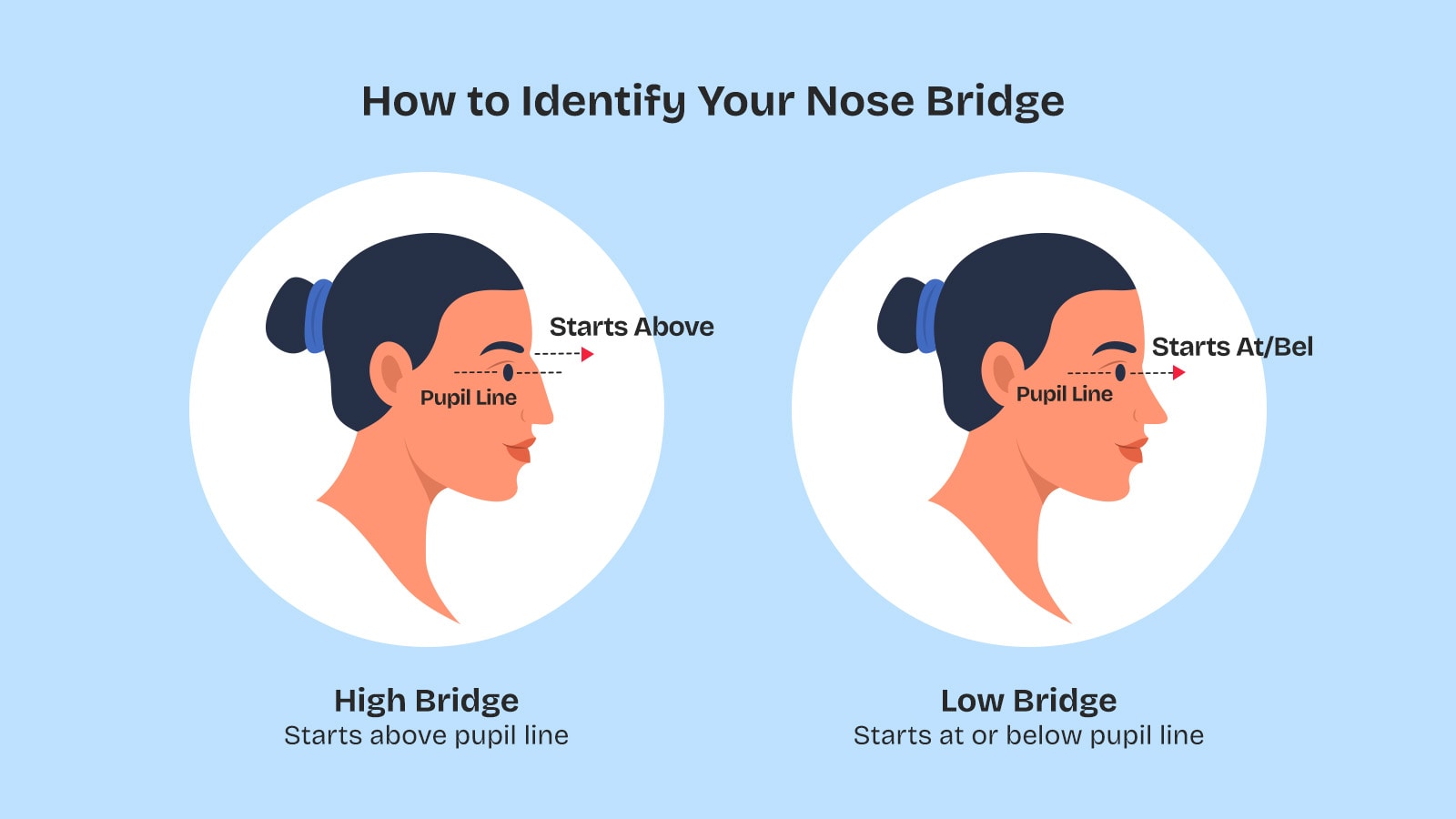
Stand in front of a mirror and relax your face. Don’t tilt your head. Look at where your nose begins to slope downward.
- High Bridge: If that point starts above your pupil line, that is a high bridge. The nose is taller and usually has a more defined angle.
- Low Bridge: If the slope begins in line with your pupils or below them, that is a low bridge. This often results in a flatter upper nose or a softer transition to the cheeks.
Once you recognize it, it becomes much easier to choose the right frames. Knowing this saves you from choosing frames that fight your facial structure instead of working with it.
High Bridge vs. Low Bridge: Comparison Table
| Feature | High Nose Bridge | Low Nose Bridge |
| Bridge Start Point | Above the pupil line | At or below the pupil line |
| Common Issue | Red marks, frame sitting too high | Sliding down, fogging, cheek touching |
| Best Bridge Style | Keyhole Bridge or narrow fixed bridge | Adjustable S-pads or built-in high pads |
| Recommended Width | 15mm – 18mm | 18mm – 22mm (with adjustable pads) |
High Bridge Nose: Challenges & Solutions
High bridges can look elegant and strong, but they are not immune to fit problems. Many people assume a high bridge automatically prevents slipping, but that isn't always the case. If the bridge width on the frame is too wide, the frame never gets a proper grip, so gravity eventually pulls the frame downward.
There is also the brow issue. A high bridge sometimes lifts the frame so much that the top touches the eyebrows, or the lenses sit close enough for eyelashes to brush the glass. It looks fine in the mirror, but it feels irritating after a few minutes.
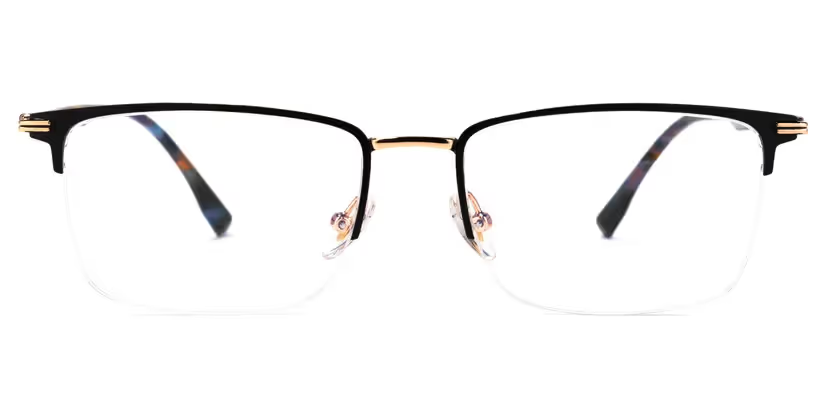
For glasses with high nose bridges, the key is a precise fit. Narrower bridge measurements, typically 15-18 mm, provide better control. Keyhole bridges are a favorite because they sit along the sides of the nose instead of pressing straight down. They feel lighter and stay in place.
A flatter front can also help. Frames with too much curve tend to dig into the cheeks or tilt upward. Acetate frames with built-in pads can work well, too, if the bridge measurement is right. If you want more detail, our guide to choosing eyeglass frames for high-bridge noses breaks it down step by step.
What Does "High Bridge Fit" Mean in Glasses?
In the eyewear industry, a high bridge fit refers to frames designed for people whose nose bridge is above the level of their pupils. These glasses typically have a lower bridge position on the frame itself or a narrower gap to prevent the glasses from sitting too high on the face. If you have a prominent nasal bone, a "High Bridge Fit" ensures the top of the frame doesn't block your eyebrows.

Low Bridge Nose: Challenges & Solutions
Low bridges bring a whole different set of problems. If your nose bridge sits lower or feels flat, glasses often drift forward until the bottom of the frame lands on your cheeks. When that happens, smiling can cause the frame to shift or lift. Cold weather causes instant fog. And if the glasses keep sliding, many people tighten the temples far too much, which leaves marks and sore skin.
Low bridge glasses fit best when the bridge shape can be adjusted. Metal pad arms that curve like an S or a little gooseneck let you change the angle and distance so the pads create a stable ledge where your nose may not have one naturally.
Silicone pads are especially useful because they give grip without needing pressure. Hard plastic pads tend to slide—and when they don’t, they create pressure points. Silicone distributes weight across a softer surface, so you do not end the day with sharp indentations.
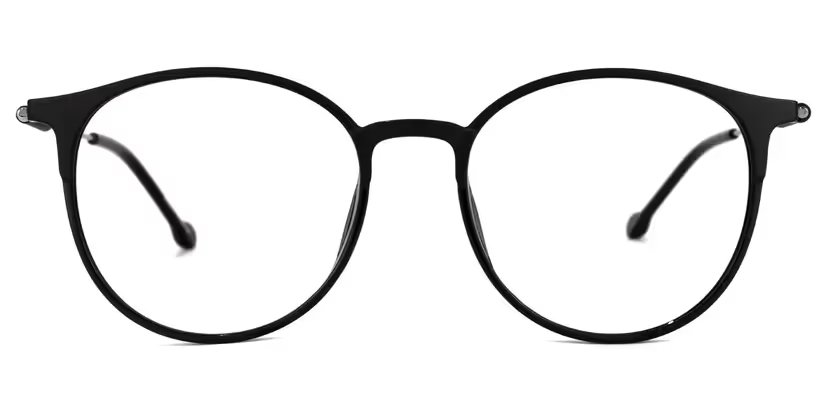
For most low bridge wearers, adjustable nose pads are the safest choice. Fixed acetate pads rarely sit correctly on a flat or low bridge and usually slip, no matter how tight the temples are.
Quick Comparison: High Bridge vs Low Bridge
- High Bridge Fit Tip: Secure the fit with precise bridge width and flatter frame fronts. Skip wraparound shapes.
- Low Bridge Fit Tip: Adjustable S-shaped pads and soft silicone support give the best stability. Avoid wide fixed acetate bridges.
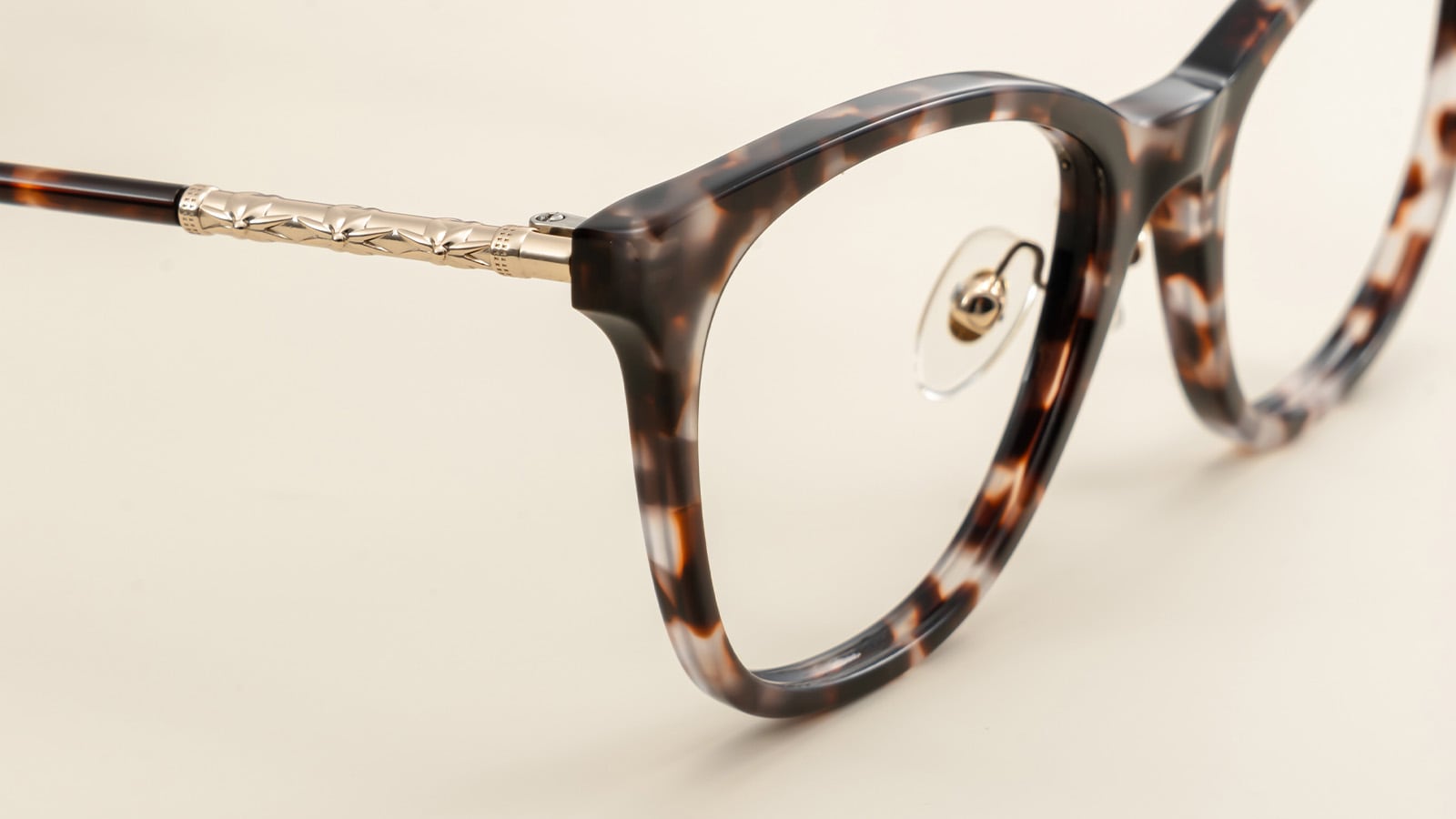
What Are Our Solutions for High and Low Bridges
- For high bridge faces, explore the Street Artist Collection with Keyhole Bridges. Designed to stay in place without added pressure.
- For low bridge wearers, our metal frames with adjustable nose pads let you dial in the exact support you need.
FAQ
How do I know if I have a high or low nose bridge?
Look straight ahead. Mirror Test (Mirror Test). If the point where your nose starts to slope is above your pupils, you have a high bridge. If it's in line with or below your pupils, it's a low bridge.
What are the best glasses for a flat nose bridge?
Metal frames with adjustable S-shaped nose pads are the best choice. They allow you to customize the height and grip, providing stability that fixed plastic frames cannot.
Why should keyhole glasses fit a high bridge better?
A keyhole bridge is shaped like an old-fashioned keyhole, touching the sides of the nose rather than the very top. This distributes weight evenly and prevents the frame from pinching a prominent bridge.
What is the difference between low-bridge and high-bridge glasses?
The difference is in the depth of the nose pad and the position of the bridge. Low-bridge glasses have elongated pads to lift the frame away from the face, whereas high-bridge glasses have a bridge design that accommodates a more prominent nasal bone.
Conclusion
Comfort makes eyewear feel like part of you, not something you tolerate all day. When a frame is shaped for your bridge, everything becomes easier. No sliding. No pinching. Just clarity and confidence. ZEELOOL optical designs for both high and low bridge shapes, so you can instantly find the pair that feels right. Ready to find your perfect fit? Start your search now.
Still Unsure? Let Technology Help.
Choosing between high and low bridge styles can be tricky without trying them on. At ZEELOOL, you can use our AR Virtual Try-On to see how different bridge styles sit on your face in real-time.