










Key Factors and Conclusion
Choose acetate for rich colors, a solid feel, and a custom fit that lasts.
Go with injection plastic for a flexible, barely-there weight that handles active days.
Frame material changes comfort, not clarity—your lenses work perfectly in either.
At first glance, many plastic frames look similar on the shelf. But after wearing them for an hour, the difference becomes clear. Choosing the wrong material can lead to slipping frames, pressure on the nose, or breakage during daily activities.

To help you make the right choice, this guide compares acetate vs. injection plastic eyeglasses. While both are popular choices at ZEELOOL prescription eyeglasses, they serve very different needs. Whether you prioritize the premium, adjustable feel of acetate or the ultra-lightweight flexibility of injection plastic, understanding these materials is the key to long-term comfort.
What Are Acetate Frames? (The "Artisan" Choice)
Acetate, formally known as cellulose acetate, is not your standard plastic. It's very different from what most people think of as "plastic." It's a plant-based material made from cotton and largend wood pulp. It has a warmth to it when you hold it. Heavier than standard plastic, it feels premium on the face.
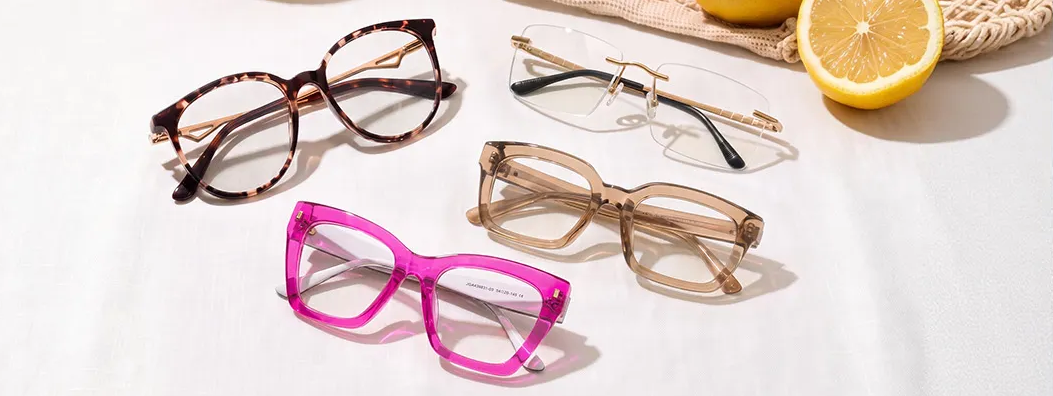
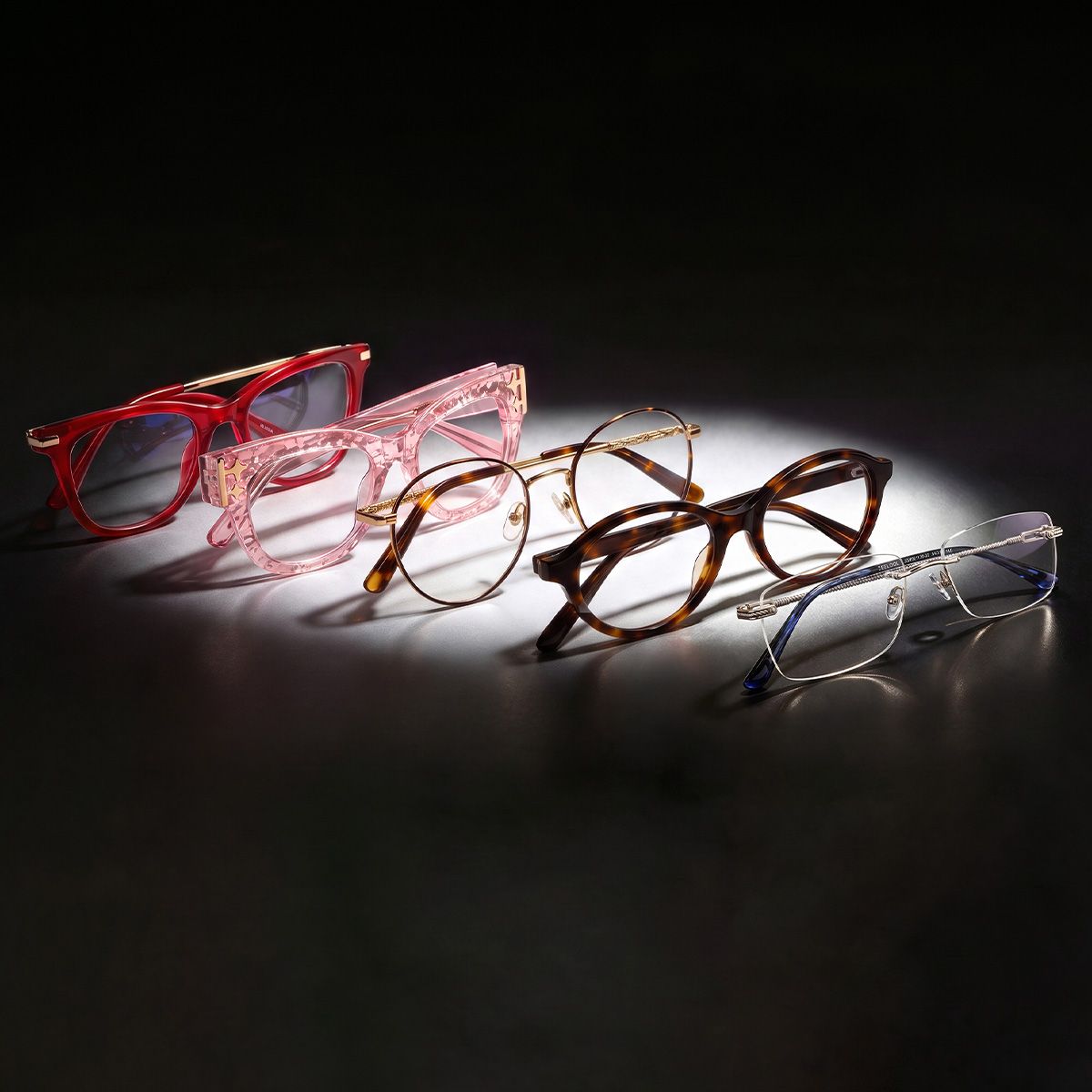
Unlike injection plastic, acetate isn’t poured into a mold. It comes in large sheets or blocks. Frames are cut and shaped fromlarge acetate sheets, then polished—sometimes by hand. That’s part of why acetate glasses have that kind of rich color and layered patterns. You can really see it, especially in tortoiseshell or subtle designs. The depth is inside the material, not just painted on.
Another nice thing? Acetate is hypoallergenic. Sensitive skin? No worries. And the temples often have a thin metal wire inside. An optician can heat it and bend it to match the shape of your ears. These small adjustments can make a noticeable difference in comfort.
So… if you like glasses that feel more substantial and stable on your face, and, well, kind of solid on your face, acetate might be the one. People who wear glasses frequently and who notice how they look or feel usually choose these. Some days you barely think about them; other days you just see they sit right. They last, too, as long as you don’t drop them or scratch them too much. Yeah, scratches happen. Little ones here and there. However, the color remains mostly the same, and the frames don’t warp or bend. Honestly, it’s kind of like having a pair that just… works, without thinking about it.
What Are Injection Plastic Frames?
Injection plastic eyeglass frames are different. They start as liquid plastic, often nylon-based or TR90. Then it’s injected into a mold. The process is fast and efficient. Shapes come out smooth, sometimes intricate, without hand polishing. Because they're fast, these frames usually cost less than acetate frames.
Weight is the big difference here. TR90 frames are ultra-light. They’re so lightweight that many people barely notice they’re wearing them. Flexible too. Bend them a little, and they spring back. Hard to break. That makes them great for kids, athletes, anyone who moves around a lot, or anyone who drops glasses frequently.
Also, the cost factor. Since injection-molded plastic is cheaper to produce, it’s easier to obtain multiple pairs: different colors, different styles, backup pairs for outdoor activities. You don’t have to stress about rough handling. And because they’re flexible, even when they get bent a little, they usually snap back. No trips to the optician unless you really try to twist them.

Key Differences: A Quick Comparison Between Acetate and Injection Plastic
While both materials are durable, they serve different purposes based on how they are made. Here is how they stack up against each other.
Durability of Acetate vs. Injection Molded Eyewear
Acetate is rigid. Holds shape. Can be adjusted. Injection plastic bends, absorbs impact, and survives drops.
Aesthetic Appeal: Acetate Patterns vs. Solid Injection Colors
Acetate has depth. Patterns embedded in layers. Some transparency. Glossy shine. Solid injection plastic? Usually matte or uniform color. Simple, functional, but not flashy.
Weight Comparison: Substantial Acetate vs. Lightweight TR90
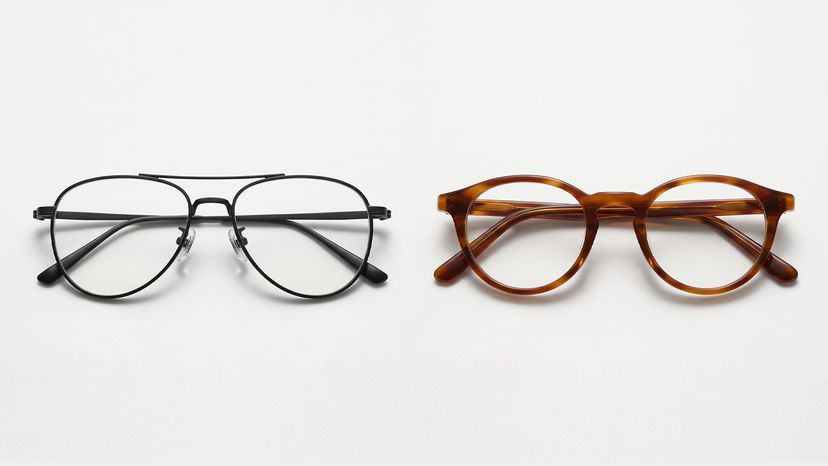
Acetate has substance. Feels “premium” on your face. Injection plastic is light. Barely there. Perfect for long wear or sensitive noses.
Basically, acetate says “look and feel"; injection plastic says “move and survive.”
Does Frame Material Affect Lens Performance?
Nope. Lens performance isn’t tied to frame material. Prescription, blue-light filtering, and photochromic lenses all work the same way, whether your frame is acetate or injection-molded plastic. The choice is about comfort, weight, durability, and style, not vision quality.
So, if you love acetate patterns but worry about weight, remember: your lenses won’t suffer. And if you go with TR90 injection plastic, lightweight and flexible, your lenses are still crystal clear.
Acetate vs. Injection Plastic Eyeglasses: Which One Should You Choose?
Still undecided? Match your choice to your lifestyle scenario:
- Scenario A: The Style-Focused Wearers. If you want a bold look, a heavy "library" aesthetic, or complex color patterns that catch the light, go with acetate. It is the standard for high-fashion eyewear.
- Scenario B: The Active Lifestyles. If you hate nose marks, go for a run on your lunch break, or are prone to dropping your glasses, choose injection plastic (TR90). It is the hassle-free option.
- Scenario C: High Prescription. If you have thick lenses, acetate is often better. The thicker rims of acetate frames do an excellent job of hiding the edges of high-prescription lenses, providing a more balanced look.
Conclusion
The battle of acetate vs. injection plastic eyeglasses doesn't have a single winner—it depends on what you value most. Acetate offers premium adjustability, rich colors, and a classic feel. Injection plastic offers unmatched lightweight comfort, flexibility, and durability.
Don't compromise on your vision or your style. Explore ZEELOOL’s collection today; filter by material to find frames that fit your lifestyle perfectly