


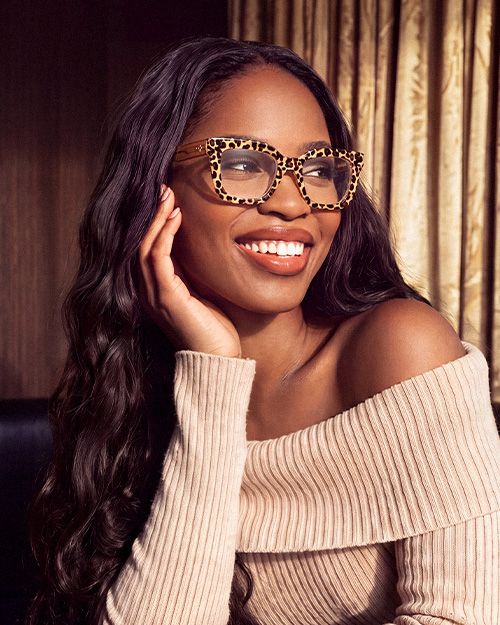





If you need glasses, you’ve likely noticed that glasses are usually split between men's glasses and women's glasses. This can raise some questions. Can people wear the other glasses? And what’s the difference between the two?
Size
Men tend to be bigger than women, so it means that men’s clothes are usually sized differently. Head shape can also differ between men and women, but the most important thing to consider is the size of their heads.
It means that men’s glasses are usually larger than women’s glasses, and vice versa. Of course, everyone should have their glasses sized to match their head size, as otherwise you might find your glasses either slide off or are uncomfortably tight.

Style
The most noticeable difference is likely the style of glasses. While men’s glasses have gotten more interesting lately, there are still different trends that male and female glasses follow.
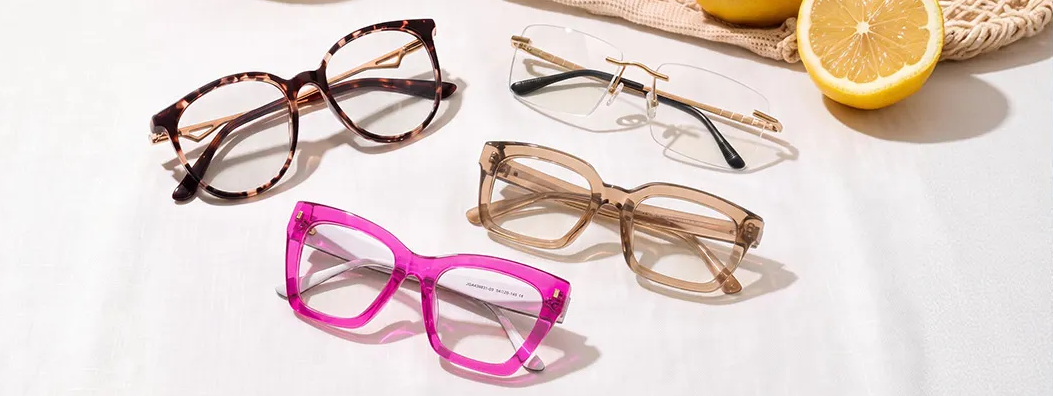
Women's frames often lean towards a retro style. Oversized glasses frames are currently in fashion, as are round or square frames rather than rectangular or sleek ones. More interesting shapes and flashy colors are also more common.
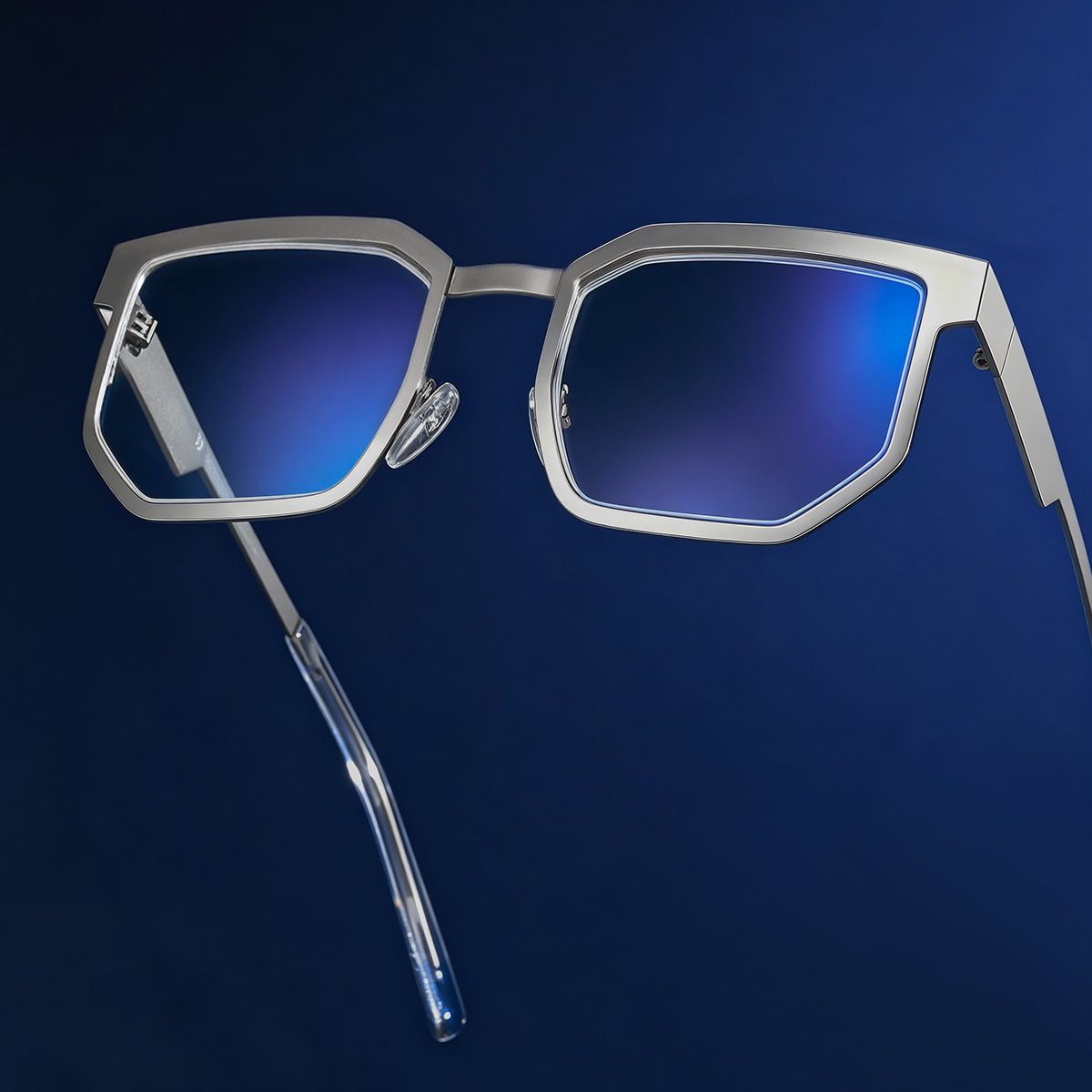
Men's glasses don't necessarily follow these trends and are often more understated than women’s glasses. Of course, it isn’t to say that they aren’t stylish.

Can Men and Women Wear Each Other's Glasses?
The short answer is yes. If you really like a pair of glasses, get them. However, make sure that you get them fitted to your head so they fit correctly and comfortably.
FAQ
Is there a real difference between men's and women's glasses?
The optical function is the same. Retail categories mainly reflect average sizing, color, shape, and styling conventions: men's frames may trend wider or more angular, while women's may offer more varied colors and upswept shapes. Individual models overlap substantially.
Can anyone wear frames labeled for another gender?
Yes. Choose the frame that fits your face, prescription, and style. A label does not affect lens performance. Actual millimeter measurements and how the bridge and temples sit are more useful than gender categories.
Which measurements matter when comparing men's and women's frames?
Check lens width, bridge width, temple length, lens height, and total frame width. Your pupils should align well within the lenses, the temples should not flare or squeeze, and the rims should clear your cheeks and eyelashes.
What does unisex mean for eyeglass frames?
Unisex usually describes versatile proportions, colors, and shapes marketed without a gender-specific label. It does not guarantee universal fit. Always compare measurements and consider low-bridge, high-bridge, petite, or extended-fit construction when relevant.