





Key Factors & Conclusion
Italian Origins: The first eyeglasses were likely invented in Italy in the late 13th century, evolving from handheld magnifying tools to wearable frames.
Technological Evolution: Eyeglasses have advanced from early convex lenses to bifocals, cylindrical lenses for astigmatism, and modern progressive lenses.
From Function to Fashion: Over centuries, glasses transformed from a purely practical tool for vision correction into a key fashion accessory and statement of individuality.
Eyeglasses are among the most consequential inventions of the medieval world. First developed in Italy around the 1280s, they transformed how scholars read, how craftsmen worked, and ultimately how millions of people engaged with the written word. Over seven centuries, spectacles evolved from crude handheld lenses to Benjamin Franklin's bifocals, from 19th-century steel-wire frames to today's progressive lenses and smart eyewear. This article traces that complete history—from the glassblowers of Venice to the optical innovations reshaping vision care today.
The History of Eyeglasses
The story of eyeglasses begins in medieval Europe, where curiosity, craftsmanship, and necessity converged to create the first tools of vision correction.

Who Invented Glasses?
The invention of glasses can be traced to several early makers in Italy during the late 13th century, however, the exact origin isn't clear. The earliest known reference to spectacles dates back to 1289, when a Justinian law mentions them, suggesting they were in existence and used then. The first recorded mention of lenses for vision assistance appears in the ancient Italian writings of Friar Alessandro di Spina.

By the early 14th century, glasses had gained steam throughout Europe, with craftsmen in Venice and Florence advancing their design. Eyeglass technology further evolved, leading to the development of different styles and functionalities as time went on. As a result, glasses transformed from simple magnifying tools to essential vision correction devices, impacting the way people see the world and paving the way for modern optical advancements. Today, glasses are an indispensable aid for millions around the world.
Where Were Eyeglasses First Invented?
Eyeglasses are most commonly associated with Italy, where Venetian glassmakers were renowned for their skill in crafting lenses. However, historical records suggest that rudimentary forms of vision aids appeared in multiple regions, including China. Some scholars point out that polished quartz lenses were used centuries earlier in Asia. Still, most experts credit Italy in the late 1200s as the birthplace of true eyeglasses, thanks to the combination of advanced glassblowing techniques and scholarly demand.
Italian glassblowing techniques that gave birth to the first spectacles in the 1280s established a craft tradition that persisted for centuries. Today, that same pursuit of precision optics and accessible design continues—modern retailers like ZEELOOL build directly on this legacy, offering prescription lenses with the same goal the Venetian craftsmen had: making clear vision available to more people.
When Were Eyeglasses First Invented?
The invention of the first eyeglasses is believed to have occurred in the late 13th century, possibly the 1280s, in Italy. This incredible new development is attributed to advances in lens-making technology, which paved the way for improved vision for those with visual impairments. Early eyeglasses consisted of convex lenses that magnified text and objects, primarily assisting individuals with age-related vision conditions. Initially, these early spectacles did not have arms and were held in place with the hands or perched on the nose.

The design of early eyeglasses gradually evolved, with features such as side arms being introduced in the 15th century. This advancement allowed for a more practical and comfortable wearing experience. The spread of eyeglasses across Europe marked a significant milestone in optometry, transforming the way people engaged with reading, learning, and everyday tasks, ultimately enhancing humanity's quality of life and contributing to other cultural advancements.
When Were Prescription Glasses Invented?
Prescription glasses, designed to correct impaired vision, were invented late in the 13th century. Initially, early spectacles were handheld, resembling and working much like magnifying glasses. In the 14th century, wearable versions became prevalent, featuring lenses set in frames and worn on the nose.

The early design of prescription glasses used convex lenses and was made specifically for nearsighted individuals. Soon after, concave lenses emerged to address myopia or farsightedness. Since their early days, advancements in lens technology and frame design led to the modern prescription glasses we know today. In the 18th century, Benjamin Franklin's bifocals added more features and revolutionized the way people used glasses.
The 1820s breakthrough in astigmatism correction marked a turning point: glasses were no longer just for presbyopia but for a far broader range of refractive errors. The challenge that followed across the next two centuries was one of access and precision—how to make accurately measured prescription lenses available beyond optician offices. Digital PD measurement, now standard among online eyewear retailers including ZEELOOL, is the most recent answer to that 200-year-old question.
When Were Reading Glasses Invented?
Reading glasses, as we know them today, also date from the late 13th century. Early forms of spectacles were primarily designed to aid in reading and other close-up tasks. The invention is attributed to a combination of emerging lens-making techniques and the demand for improved vision aids among scholars and the clergy, both of whom spent countless hours reading manuscripts.

The early glasses were convex lenses, crafted from glass or crystal, and typically held in place by a frame that rested upon the nose. Over the centuries since their invention, design features and materials have seen significant changes. This evolution has led to the modern reading glasses we know and love today, complete with various styles and prescriptions tailored to individual vision needs. This innovation enhanced the quality of life for so many and contributed significantly to the spread of literacy and learning in Europe and beyond.
When Were Sunglasses Invented?
Sunglasses have a fascinating history that dates back centuries. The earliest known eyewear resembling sunglasses appeared in ancient China around the 12th century. There, they were made from quartz and primarily used by judges to conceal their expressions during court proceedings. However, sunglasses, as we know them today, began to take shape in the 18th century. An English optician, James Ayscough, invented tinted lenses that would both improve vision and reduce glare.

Their popularity soared in the 20th century, especially in the 1920s, when Hollywood stars adopted them as a glamorous accessory. By mid-century, sunglasses had become both a fashion statement and a practical tool for sun protection. Today, they are not only essential for eye health but also a powerful symbol of personal style.
The arc from 12th-century Chinese quartz lenses to 1920s Hollywood tinted glasses is fundamentally a story about how functional eyewear becomes cultural identity. Each era borrowed the technology of the previous one and reframed it as self-expression—a pattern that continues in contemporary eyewear design.
The Evolution of Eyeglasses Timeline
The evolution of eyeglasses is a fascinating journey that spans centuries, reflecting advancements in optics, functionality, fashion, and materials. Notably, eyeglasses emerged in the late 13th century, when the earliest lenses were crude and rudimentary, designed primarily for reading. Over the subsequent centuries, eyeglasses transformed with innovations in design, such as the introduction of bifocals in the 18th century. Today, glasses use state-of-the-art technology, illustrating a continuous pursuit of both functionality and fashion in vision correction.
Eyeglasses from the 1700s: Temples and Bifocals
In the 1700s, eyeglasses underwent remarkable developments thanks to advances in science and craftsmanship. The invention of temples in 1727 marked a turning point, as frames could now rest on the wearer's temples instead of being handheld, creating a far more practical and comfortable experience.
Later in the century, Benjamin Franklin introduced bifocals, which combined two lenses into one frame—one for distance vision and the other for reading. This invention revolutionized eyewear by eliminating the need to switch between multiple pairs. By the end of the 1700s, eyeglasses had transformed into both functional tools and fashionable accessories, reflecting personal taste as well as practical necessity.

Eyeglasses from the 1800s: Astigmatism and Thinner Frames
The 1800s saw further progress in optical technology and accessibility. Thomas Young first identified astigmatism in 1801, and by the 1820s, cylindrical lenses were created to correct this condition. This breakthrough gave millions of people a new level of visual clarity.
At the same time, improvements in manufacturing and the Industrial Revolution made glasses more widely available. By the mid-1800s, steel wire enabled thinner, lighter frames, while temples evolved to rest comfortably over the ears. Spectacle design also became more decorative, allowing wearers to express individuality. By the close of the century, eyeglasses were not only a functional necessity but also a growing fashion statement.

Women's Glasses from the 1930s: Fashion and Hollywood Influence
In the 1930s, women's glasses reflected both practicality and the spirit of fashion. Despite the hardships of the Great Depression, women embraced eyewear as a form of self-expression. Styles such as round and cat-eye frames, bold colors, and decorative embellishments grew in popularity.
Hollywood further fueled these trends, with stars like Greta Garbo and Barbara Stanwyck sporting glamorous glasses on and off the screen. This period marked a major shift: glasses were no longer seen as purely functional but also as fashionable accessories. By the late 1930s, advertising emphasized the chic aspects of eyewear, laying the foundation for the fashion-forward designs of the mid-20th century.

Browline Glasses from the 1960s and Retro Trends
By the 1960s, browline glasses had become a defining look. Characterized by bold upper rims and thin lower rims, they offered a striking balance of function and fashion. Popularized by cultural icons like Malcolm X, browline glasses embodied individuality and countercultural movements of the era.
While rooted in earlier designs of the 1940s, their 1960s revival reinforced their status as a stylish accessory. The lightweight combination of plastic and metal frames made them comfortable, while their distinctive silhouette made them memorable. Today, browline glasses continue to enjoy periodic revivals, proving their lasting influence in eyewear fashion.

Progressive Lenses and Modern Innovations
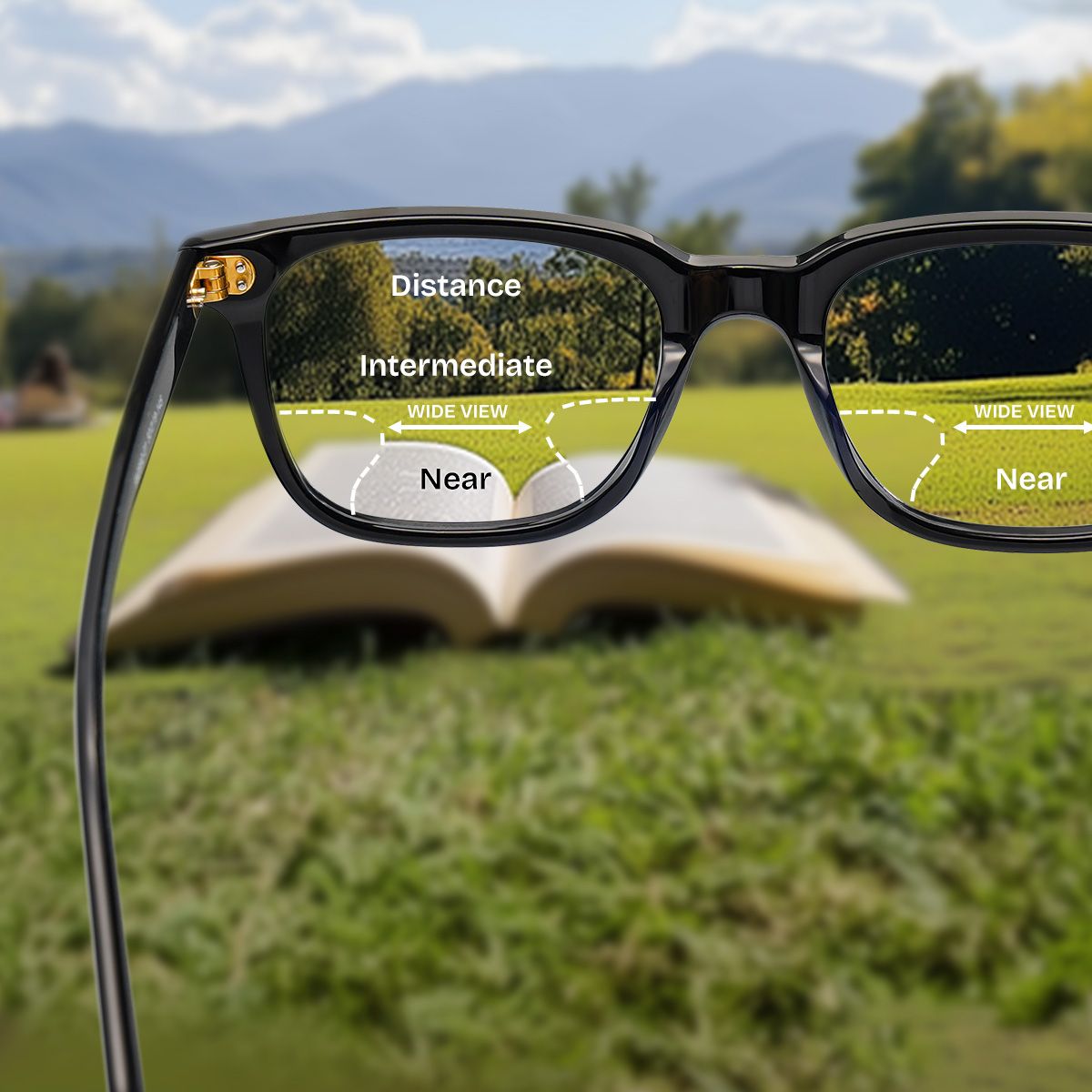
The mid-20th century brought one of the most significant breakthroughs in eyewear: progressive lenses, introduced in 1959. Unlike bifocals, which clearly divide near and far vision zones, progressive lenses offer a seamless transition, eliminating distracting lines and providing natural visual clarity.
Modern eyewear has since embraced a range of innovations—from scratch-resistant coatings to lightweight plastics and digital blue-light filters. These improvements have made glasses more comfortable, durable, and customizable than ever, reflecting both technological progress and consumer demand for style.
The Future of Eyeglasses
Looking back at the centuries-long journey of eyeglasses, it's clear that innovation has never stopped. What began as simple handheld lenses has evolved into lightweight, stylish frames with precision-engineered optics. The next chapter may bring even more groundbreaking changes—smart glasses that integrate augmented reality, AI-driven vision correction, or adaptive lenses that adjust automatically to different lighting conditions.
As technology continues to advance, eyeglasses will remain essential not only for vision correction but also as tools that enhance how we connect with the world. From function to fashion to futuristic innovation, the future of eyeglasses looks brighter than ever.
Try History on Your Face:
| Feature | Why You’ll Love It at ZEELOOL |
|---|---|
| Virtual Try-on | Use our AR try-on with real-time rendering to see how vintage styles look on you. |
| Digital Try-on | Upload photo or enable camera for true-to-scale face mapping. |
| Free Shipping | Enjoy free shipping on orders over $79 & free returns on qualifying orders across the USA. |
| Affordability | Get the best bang for your buck with economical prices that are wallet-friendly. |
Eyeglasses in 2024: From History to Your Face in Minutes
Seven centuries after the first Italian craftsman held a convex lens up to a manuscript, the fundamental challenge remains the same: matching the right optics to the right person. What has changed is the speed and accessibility of that match. Technologies like virtual try-on—which uses facial mapping to simulate how a frame will look before purchase—represent the same democratizing impulse that drove 19th-century industrial manufacturing: removing barriers between a person and their ideal pair of glasses. For US shoppers, free shipping eliminates the last friction point in that process. The history of eyeglasses is, in many ways, a history of removing obstacles to clear vision.
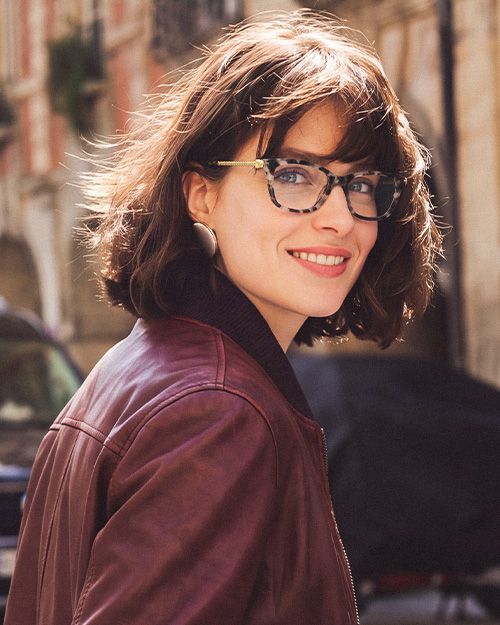
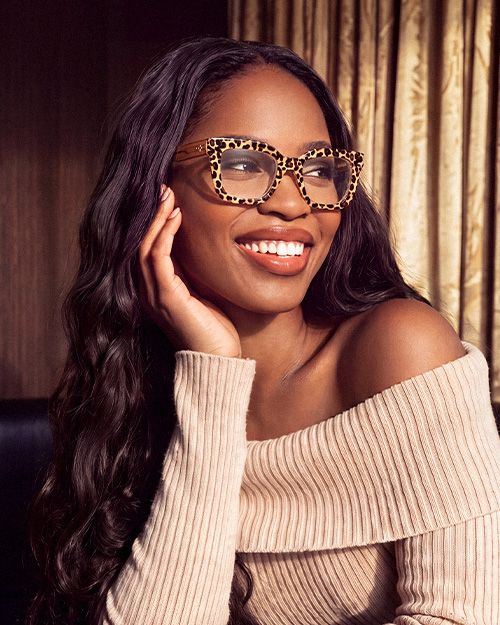
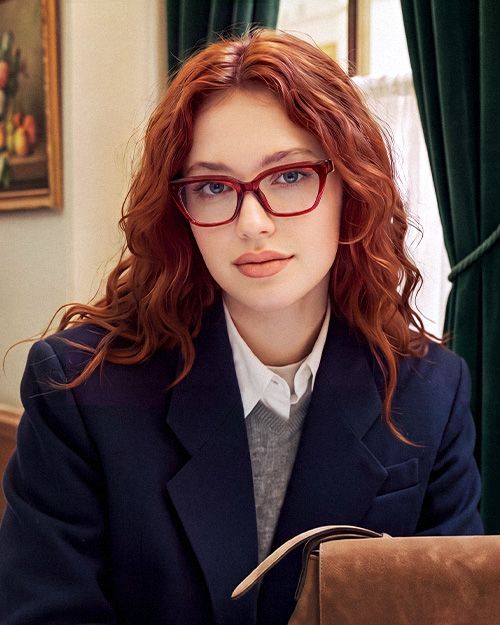
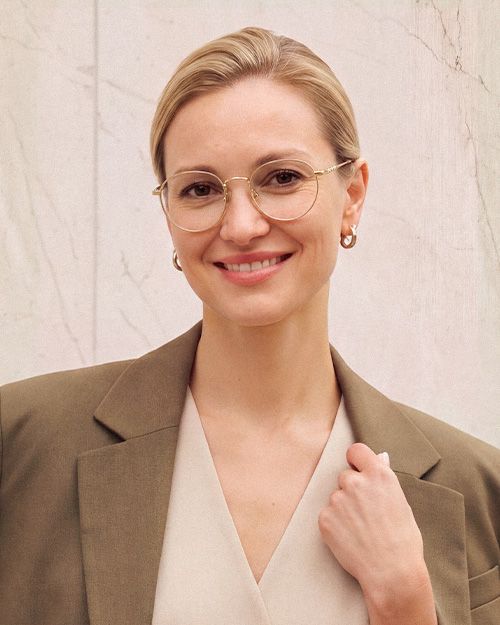
Today, eyewear is no longer just functional—it has become a fashion statement, as seen in modern designer eyewear collections like Prabal Gurung’s timeless styles.
Explore the Full History of Eyeglasses by Decade:
1910s Glasses: Wire Frames, Pince-Nez & Early Modern Style
1920s Eyeglasses: Round Frames & Art Deco Details
1930s Glasses: Guide to Iconic Vintage Eyewear Styles
1940s Eyeglasses: Classic Frames and Styles from the 40s
1950s Eyeglasses: The Ultimate Guide to 50s Retro-Style
1960s Glasses: The Timeless Charm of a Fashion Icon
FAQ
What year were glasses invented and by whom?
The earliest credible records point to Italy in the late 1280s, likely around 1286–1289. The exact inventor remains disputed—Friar Alessandro di Spina is documented as someone who learned and taught the technique, while Salvino D'Armati is sometimes credited but with less historical certainty. The first written reference appears in a 1289 Italian document. Looking for frames that honor this centuries-old craft? ZEELOOL's collection starts from accessible price points for US shoppers.
How did people see before glasses were invented?
Before glasses, the most common vision aid was the "reading stone"—a polished glass or crystal hemisphere placed directly on text to magnify it. Scholars in medieval Europe also used water-filled glass spheres. Those with severe vision impairment largely relied on others for reading. The invention of wearable spectacles in the 1280s was therefore a profound shift in individual autonomy, particularly for clergy and scholars. Today, ZEELOOL makes that same autonomy available online, with prescription lenses shipped directly to your door.
When did prescription glasses become common?
Prescription glasses became more widely available during the Industrial Revolution, specifically in the mid-1800s. Steel wire frames helped lower production costs, and mass manufacturing made them accessible to more than just the affluent. Prior to this, glasses were mostly a luxury. The 19th century also saw the emergence of standardized lens prescriptions, allowing for mass production without the need for a craftsman to fit each pair. ZEELOOL carries on this legacy of accessibility, providing prescription eyewear and virtual try-on tools that mimic the personalized experience of in-store fittings.
When were eyeglasses first invented?
Late 13th century, around 1284, in Italy.
Who invented bifocals?
Credited to Benjamin Franklin, 1784.
When did eyeglasses become a fashion accessory?
Mid-20th century, accelerated by Hollywood in the 1950s.
About ZEELOOL
ZEELOOL is a leading online retailer specializing in affordable and fashionable eyewear. Established in 2017, with a diverse selection of glasses, including women's glasses, men's glasses, and kid's glasses, it is not merely your perfect fashion accessory but also a medium for interpreting your life attitude and style, an expression of a unique perspective on the world. Committed to customer satisfaction and innovation, ZEELOOL continually updates its collections to reflect the latest trends and fashion statements.