


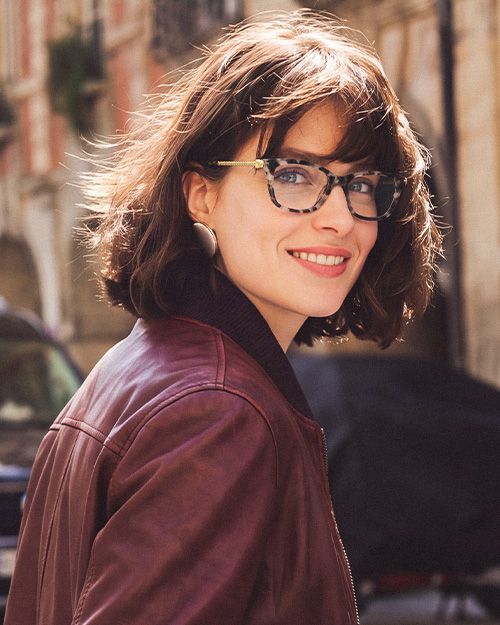
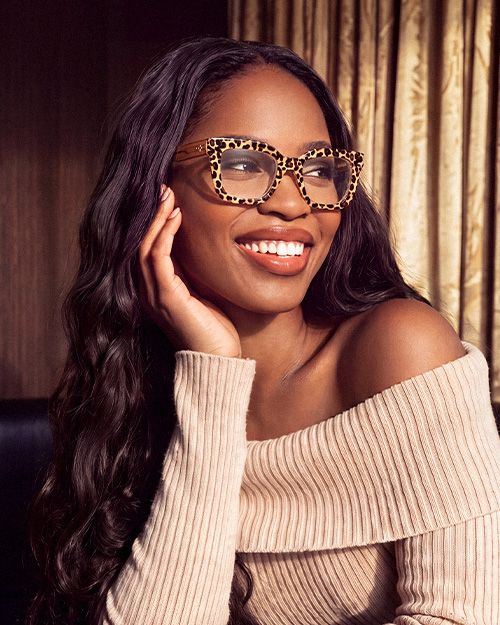
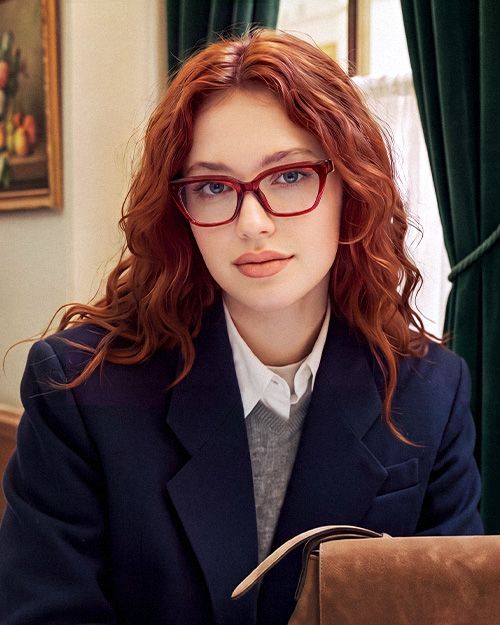
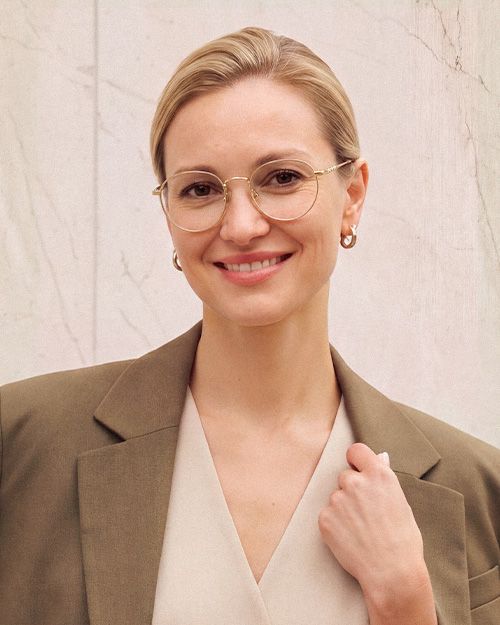


If the 1980s were about excess, the 1990s were a quiet correction. Fashion pulled back. Logos shrank. Shapes slimmed down. And sunglasses followed suit. 90s sunglasses moved away from oversized statements and into something more restrained, almost understated - yet still instantly recognizable.
This is part of our comprehensive guide: Through the Lens of Time: A Century of Sunglasses Evolution
What emerged was a look that felt effortless. Clean lines. Narrow frames. Neutral colors. 1990s sunglasses weren’t trying to dominate an outfit. They were there to complete it.
Why 90s Sunglasses Got Smaller: Minimalism Takes Over
Minimalism didn’t arrive in the 90s by accident. It was a response. After a decade of loud silhouettes and neon excess, fashion began stripping things back. Sunglasses became lighter, thinner, and deliberately less dramatic.
90s-style sunglasses reflected this shift perfectly. Frames narrowed. Lenses shrank. Metal replaced chunky plastic. Even when colour appeared, it was controlled—usually black, silver, or muted brown. The goal wasn’t attention. It was cool detachment.
That restraint is exactly why these styles have aged so well.
-1i4o.jpg)
The Iconic Shapes and Power Colorways of 90s Sunglasses
The 90s favored precision over volume. Nineties sunglasses were defined by specific shapes that repeated across music, film, and street style.
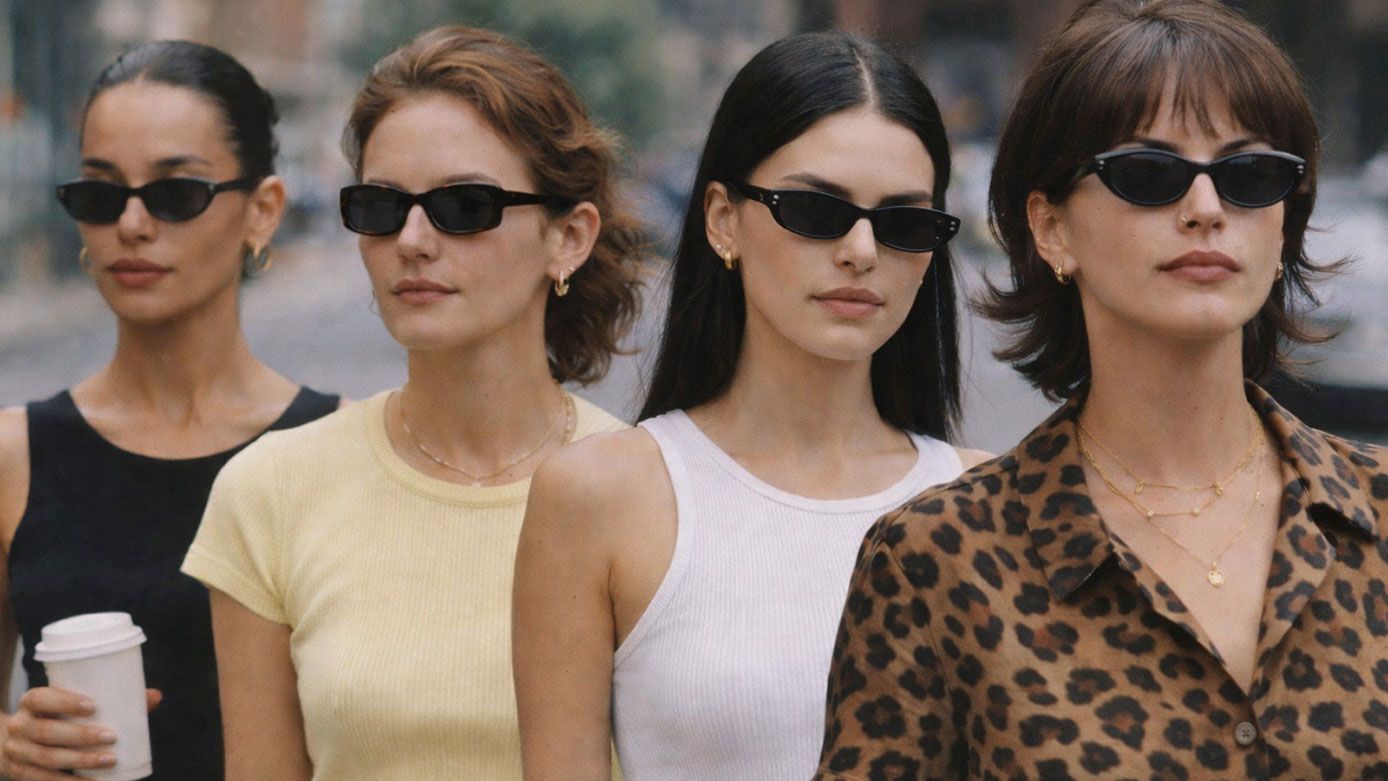
Oval frames became a signature, often slim and slightly elongated. Rectangular lenses followed close behind, especially in all-black finishes. Round frames appeared too, though usually smaller and tighter than their 70s counterparts. Even 90s square sunglasses stayed sharp and compact.
Color rarely stole the show. 90s black sunglasses dominated, occasionally broken up by silver metal frames or lightly tinted lenses. When brighter colors appeared, they often lived in rave culture rather than mainstream fashion.
90s Sunglasses for Women: Minimal Chic to Y2K-Adjacent
Women’s 90s sunglasses covered a surprisingly wide range despite their simplicity. Early in the decade, ultra-minimal oval and rectangular frames ruled. Thin metal arms, narrow lenses, and neutral tones paired effortlessly with slip dresses and tailored coats.
-lu0c.jpg)
As the decade edged toward Y2K, things softened slightly. Lenses grew a touch wider. Colors became warmer. Still slim, but more playful. 90s small sunglasses and 90s tiny sunglasses framed the face delicately rather than overpowering it.
The appeal today is obvious. These shapes feel intentional, flattering, and quietly confident—never try-hard.
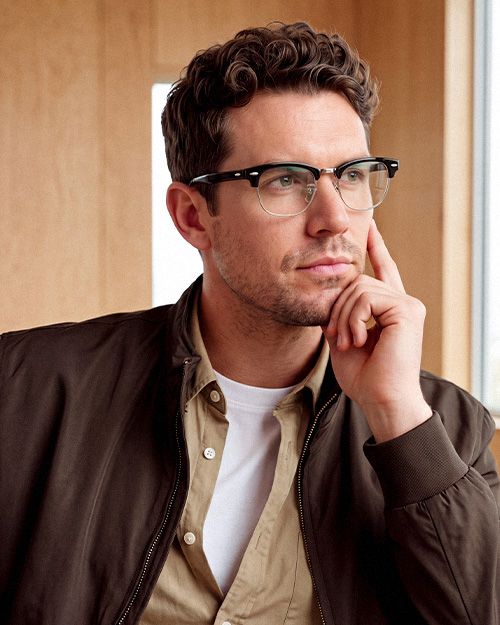
90s Sunglasses for Men: Dad Cool, Britpop, and Clean Streetwear
Men’s 90s sunglasses styles were rooted in subtlety. Oval frames became a staple, often worn low on the nose with little effort. Rectangular frames appeared across Britpop scenes, paired with parkas, denim, and muted palettes.
Then there was “Dad cool.” Slightly oversized but still slim, these frames weren’t fashionable in an obvious way, and that’s what made them work. Add in hip hop and rave influences, and you start to see 90s hip hop sunglasses and 90s rave sunglasses experimenting with tint and shape while keeping proportions tight.
-2zia.jpg)
Nothing felt accidental. Everything felt considered.
How to Wear 1990s-Style Sunglasses Today?
The key to wearing 1990s sunglasses now is restraint. Let the frames do their job without competing for attention. Clean outfits work best tailored jackets, simple tees, and neutral colors.
Slim frames pair well with modern silhouettes because they don’t fight for dominance. Whether you choose classic sunglasses styles or lean into full nostalgia with 90's sunglasses, the goal is balance.
Avoid oversized throwbacks here. The 90s weren’t about exaggeration. They were about control.
-f816.jpg)
-9tui.jpg)
-p80t.jpg)
-777m.jpg)
Vintage vs Retro: How to Shop 90s Sunglasses Smartly
True vintage frames can be great, but they come with trade-offs in fit, lens protection, and wear over time. Retro-inspired designs offer the look without the compromise.
Modern interpretations of 90s sunglasses often update materials, improve comfort, and include proper UV protection. Shopping for oval sunglasses or round sunglasses with modern lenses lets you capture the aesthetic while keeping things practical at the ZEELOOL official website.
It’s the smarter way to do nostalgia.
FAQ
What were the most popular 1990s sunglasses shapes?
Oval, rectangular, slim square, and small round frames dominated the decade.
Did men wear small oval sunglasses in the 90s?
Yes. Oval frames were especially popular in both streetwear and music scenes.
Are rimless sunglasses a 1990s thing?
They appeared in the late 90s, often linked to minimalist and tech-inspired fashion.
How do early 90s sunglasses differ from late 90s sunglasses?
Early 90s styles were stricter and more minimal. Late 90s designs became slightly wider and more experimental as Y2K approached.
Conclusion
The appeal of 90s sunglasses lies in their restraint. They don’t shout. They don’t compete. They simply work. In a fashion landscape that constantly cycles through extremes, the clean, minimal approach of 90s-style sunglasses feels refreshingly modern.
Sometimes, less really is more.
Ready to own the vibe?
Don't just read about the history—wear it.
Explore Our 1990s Sunglasses Collection—Pick the perfect pair and let everything else fall into place.
Keep Exploring the Evolution:
Previous Era: Retro-Futuristic Flash A Guide to 1980s Sunglasses Style
Next Era: 2000s Sunglasses: Logos, Bright Colors, and Bold Shapes