










At a Glance: How to Know Your Frame Size
1. Frame Width: The total horizontal width of the glasses; the most critical factor for a true-to-scale fit.
2. Temple Length: The distance from the frame hinge to the tip of the earpiece.
3. Bridge Width: The gap between the lenses that rests on your nose.
4. Lens Width/Height: The horizontal and vertical size of each lens.
Knowing how to measure for glasses at home ensures your sophisticated frames from ZEELOOL look polished and stay on-trend.
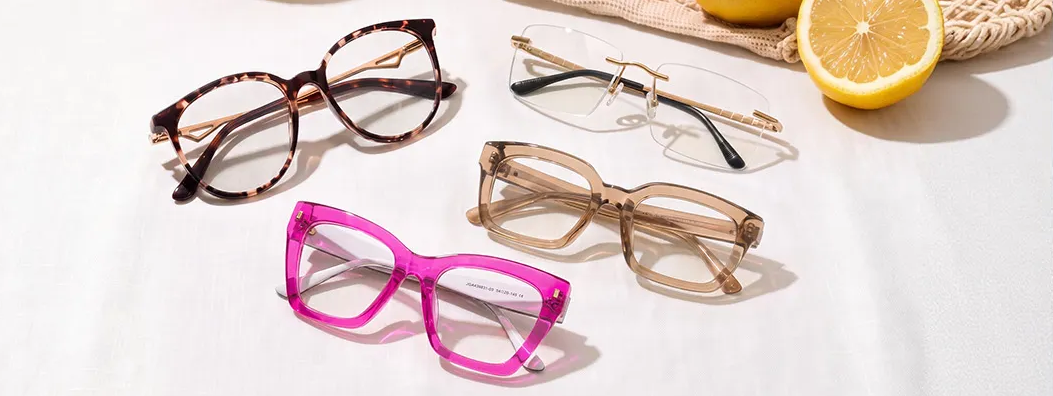
Choosing a pair of glasses is a statement of your personal aesthetic. While many shoppers in the USA worry about finding the right fit online, knowing how to measure eyeglasses is easier than you think. Whether you want bold, funky frames or a timeless, vintage look, getting the right dimensions ensures your eyewear is comfortable and wallet-friendly. At the ZEELOOL official website, we combine competitive pricing with high-tech tools like AR try-on to help you visualize your perfect fit from the comfort of your home.

How to Read the Size Numbers Printed on Your Glasses?
Before measuring anything, check the inside of your glasses temple. Most frames have three numbers printed there, formatted like 52 □ 18 – 140.
| Number | What It Means | Example |
| First | Lens width (mm) | 52 mm |
| Second | Bridge width (mm) | 18 mm |
| Third | Temple length (mm) | 140 mm |
The small square symbol (□) between the first two numbers is a standard optical industry marker with no measurement value—it simply separates lens width from bridge width.
If you can find these numbers, you already have your size. The sections below are for people who need to measure manually.
The Five Glasses Frame Measurements and How to Take Each One
| Measurement | What it Means (Definition) | How to Measure (Pro Tip) |
| Frame Width | The total front width of the frame. | Measure hinge-to-hinge on your current polished pair. |
| Temple Length | The total length of the 'arm.' | Add the distance from hinge-to-bend and bend-to-tip. |
| Bridge Width | The shortest distance between lenses. | Measure the gap where the frame sits on your nose bridge. |
| Lens Width | The horizontal width of one lens. | Measure at the widest point of the lens itself. |
Frame Width: How to Measure the Total Front Span of Your Glasses
The first thing to do is determine the frame width. If you have an old pair of glasses, it is very easy; just measure the inside of the frame from hinge to hinge.
If you do not have an old pair of glasses, you're going to need a mirror. Stand in front of the mirror and hold the ruler up just under your eyes. Place one end of the ruler even with one of your temples. Mark where your other temple is on the ruler. It will be the frame width you need.

As a general rule, you can get any frame that is within two or three millimeters of your measured frame width.
Bridge Width: Finding the Right Nose Bridge Gap
Bridge width is the distance between the lenses. If you have an old pair of glasses you can measure, all you need to do is find the shortest distance between the two lenses, not between the frames around the lenses.
If you do not have old glasses to measure, stand in front of the mirror and hold the ruler up to the spot on your nose where the bridge of your glasses rests. Measure the distance between the innermost part of one eye and the other.
Temple Length: Measuring the Arms That Hook Over Your Ears
If you have old glasses, firstly measure from the hinge of the arm to the middle of the bend. Then, measure from the middle of the bend to the end of the arm and add the two numbers together to get the temple length.
If you don't have old glasses, use your frame width measurement to estimate temple length. If it is under 130 millimeters, a temple length of 135 to 140 millimeters should work for you. If it's 140 millimeters or above, a temple length of 150 millimeters or greater should do the trick. Frame widths of 130 to 139 millimeters need temple lengths in the 140 to 145 millimeter range.
Estimating Temple Length Without an Existing Pair: A Quick Reference
| Frame Width | Recommended Temple Length |
| Under 130 mm | 135–140 mm |
| 130–139 mm | 140–145 mm |
| 140 mm and above | 150 mm or greater |
These ranges reflect average ear positioning relative to face width and work for most adult head shapes. If you have a narrower or wider face than average, err toward the longer end of the range for a more secure fit.
Lens Width: Measuring Individual Lens Size
Lens Width: Measuring Individual Lens Size
You can measure lens width by measuring from one edge of the lens, not the frame, to the other at the widest point. If you have no old glasses, subtract your bridge width from your frame width, divide the result in two, and that result will be the ideal lens width for your face.
For single-vision lenses, lens height is a matter of personal preference and style—taller lenses provide a larger field of vision, while shorter lenses create a more minimalist look.
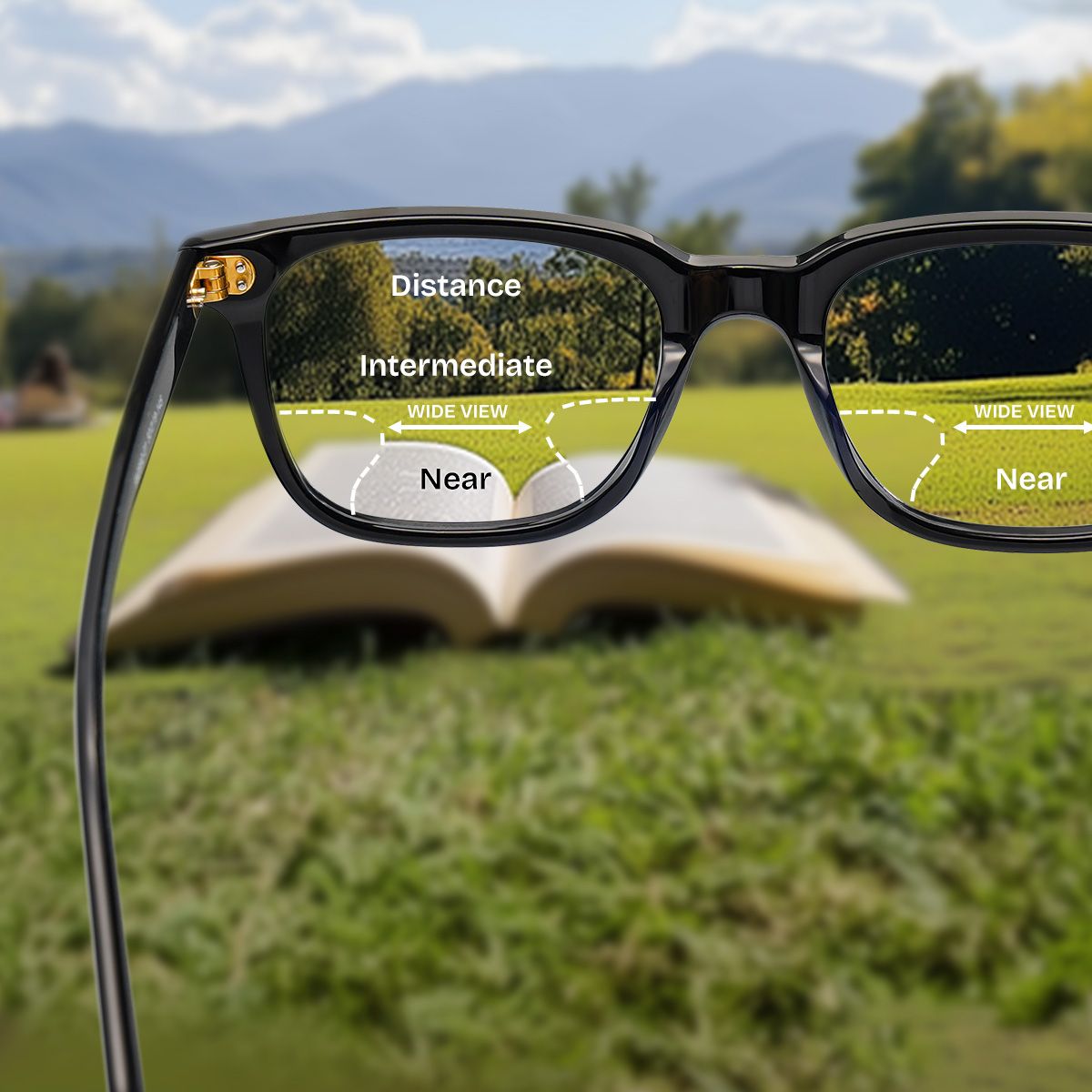
For progressive (multifocal) lenses, lens height becomes a technical requirement. Progressive lenses contain three vision zones: distance at the top, intermediate in the middle, and near at the bottom. Most progressive designs require a minimum lens height of 28–30 mm to accommodate all three zones comfortably. Frames with a lens height below 28 mm may compress the reading zone to the point where near vision becomes uncomfortable or unusable.
Minimum recommended lens heights by lens type:
| Lens Type | Minimum Recommended Height |
| Single vision | No minimum; 30–40 mm is typical |
| Bifocal | 28 mm |
| Standard progressive | 28–30 mm |
| Short-corridor progressive | 26 mm (specialized design) |
Lens Height: Why It Matters for Multifocal and Progressive Lenses
You can measure the height of your old pair directly, measuring at the tallest point. If you have no old pair, anything taller than the height of your eyes will work, with taller lenses giving you a greater field of vision. Multifocal lenses need to be taller.
How Do I Measure My Face Shape to Get the Right Fit Frame?
To get the best look for your face, you should also take your face shape into account. Measure your forehead, across your cheekbones, and across your jaw. If the measurements are all about the same, check out round or oval frames to soften your face. If your jaw is narrow compared to your other measurements, aviator or butterfly frames might look best on you. If your cheekbones are a little wider than the other measurements, look into square or rectangular frames.

Knowing your measurements is especially useful when searching for the best glasses for a round face, where the frame width relative to your face width makes a visible difference.
For example, oversized frames typically measure 145 mm or wider across the frame bridge—understanding this number helps you judge whether the style will overwhelm your face.
Frame Size FAQ: Everything You Need to Know
Q: What is temple length on glasses?
A: Temple length is the length of the arms that wrap around your ears. Common sizes range from 135 mm to 150 mm. A must-have fit ensures your glasses don't slide down.
Q: How do I know the size of my glasses frame if I don't have a ruler?
A: Check the inside of your current temples! Most iconic brands print three numbers (e.g., 52-18-140), which represent lens width, bridge width, and temple length.
Q: What is the bridge width on glasses for people with low bridges?
A: If you have a low nose bridge—common among people of East Asian, Southeast Asian, or African descent—standard glasses frames often sit too low or slide down the nose because the bridge width is designed for higher nose bridges. A general indicator is if glasses rest on your cheeks rather than your nose bridge. Low bridge fit frames (sometimes called "universal fit" or "Asian fit") have a wider, lower bridge and often feature adjustable nose pads to distribute weight more evenly. When measuring bridge width for a low nose bridge, measure where the frame actually rests on your nose, not at the narrowest point between your eyes.
Q: Can I use my webcam to find my size?
A: Yes! ZEELOOL's AR try-on and face mapping technology allow you to visualize frames in real-time, giving you a true-to-scale preview before you buy.
Q: What does it mean if my glasses are too wide or too narrow?
A: If your glasses are too wide, they will slide down your nose, and the temples won't grip the sides of your head properly—the frame will appear to bow outward when viewed from the front. If too narrow, the temples will press against your head, causing discomfort, and the frame will appear to pinch inward. The ideal fit has the frame sitting level on your nose with the temples making light, even contact along the side of your head. A frame width within 2–3 mm of your measured face width at the temples is generally the right range.
Conclusion
Measuring your face or your old glasses might take you a little time, but it's time well spent. Your new glasses will not only fit comfortably but also make you look good while doing it.
Try Before You Buy: The ZEELOOL Advantage
Measuring is just the first step. To ensure your new frames won't break the bank but will make a bold statement, use our digital try-on feature. Simply upload a photo or enable your webcam for facial tracking that brings our chic, classy collection to life.
Why wait? Explore our fashion-forward frames with unbeatable prices and enjoy free shipping & returns on your order today. Experience the high-value quality that makes ZEELOOL a US favorite!
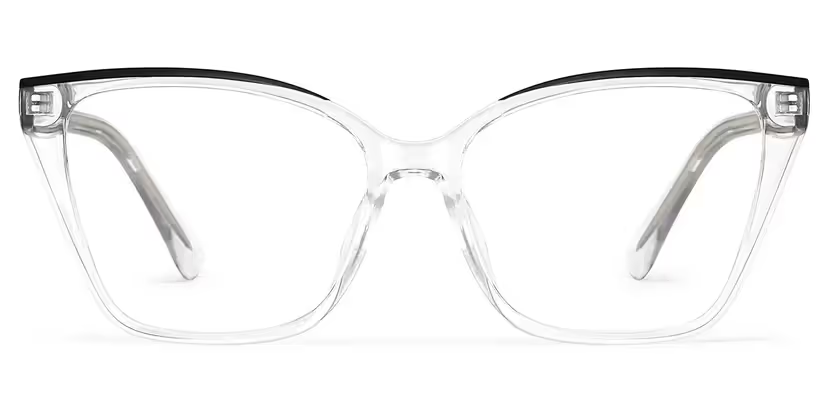
Sienna Lightweight Clear Frame Glasses
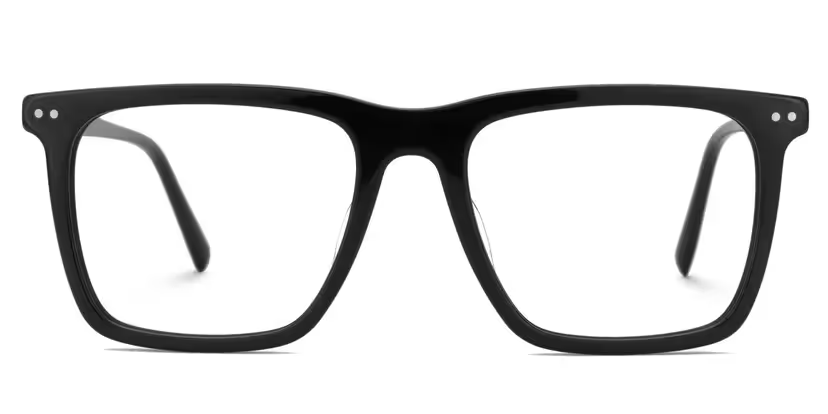
Thin Frantz Black Square Glasses
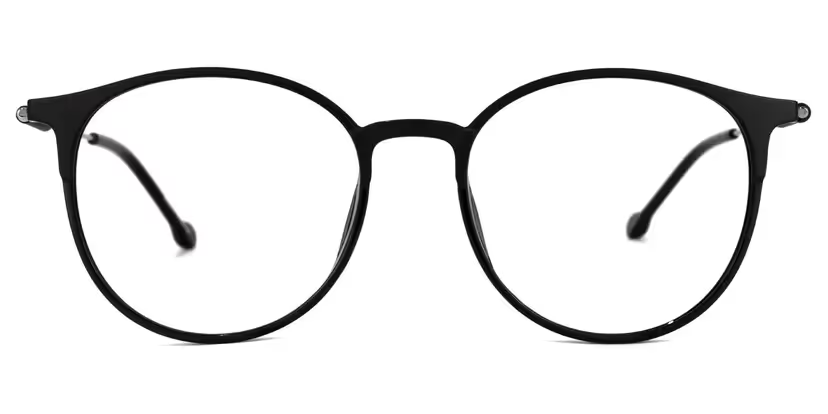
Gamble Round Black Lightweight Frame Glasses
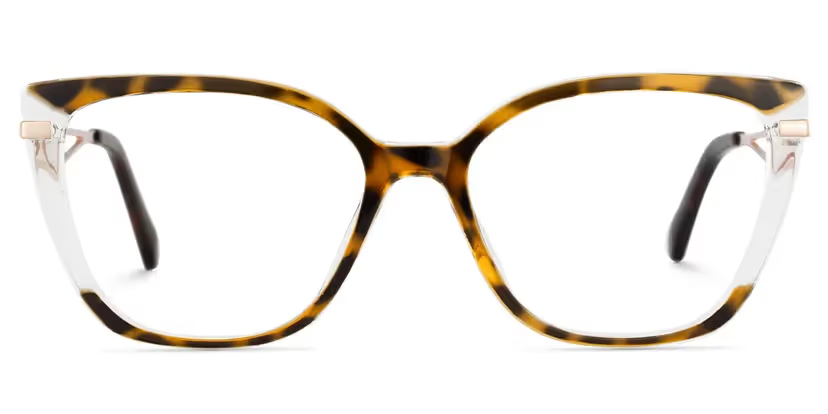
Margret Cat-Eye Tortoise Thin Glasses
About ZEELOOL
ZEELOOL is a leading online retailer specializing in affordable and fashionable eyewear. Established in 2017, with a diverse selection of glasses, including women's glasses, men's glasses, and kids' glasses, it is not merely your perfect fashion accessory but also a medium for interpreting your life attitude and style, an expression of a unique perspective on the world. Committed to customer satisfaction and innovation, ZEELOOL continually updates its collections to reflect the latest trends and fashion statements.